

Stop surrendering up to 30% of your revenue to online travel agencies. In 2026, implementing a targeted Hotel SEO Strategy is the most effective way to bypass intermediaries, capture high intent search traffic, and drive lucrative direct bookings. Discover the exact technical frameworks, content tactics, and artificial intelligence optimizations you need to dominate your local market.
Why Is A Hotel SEO Strategy Important For Your Property?
The modern digital landscape presents numerous challenges that demand a sophisticated approach to guest acquisition. Let us examine the critical forces driving the need for digital autonomy.
The Widening Revenue Gap Between Direct Bookings And Intermediaries
The financial discrepancy between proprietary booking channels and third party aggregators has reached a critical threshold for modern property operators. Industry data reveals that hotels retain 95.82% of guest paid revenue from direct bookings. This stands in stark contrast to the 82.06% revenue retention observed from online travel agency reservations. This disparity is primarily driven by commission structures that routinely extract between 15% and 30% per transaction.
The volume of capital lost to these intermediaries dictates that properties must radically rethink their distribution models. For a standard 30 room boutique hotel operating at 60% occupancy, shifting just half of its third party reservations to direct channels can yield over $226,800 in annual savings. Furthermore, direct reservations generate substantially higher overall transaction values, averaging $519 compared to the $320 generated through external platforms.
These margins demonstrate why organic search optimization is a fundamental requirement for commercial survival. Properties seeking to reclaim this lost profitability frequently engage specialized hospitality performance marketing agencies to construct fully managed digital acquisition frameworks. A targeted Hotel SEO Strategy systematically reduces these external distribution costs over time.
Table 1.1. Direct Booking vs. OTA Profitability Metrics
| Metric Category | Direct Booking Channel | Online Travel Agency |
| Revenue Retention | 95.82% | 82.06% |
| Commission Fees | 0% | 15% to 30% |
| Average Transaction Value | $519 | $320 |
Macroeconomic Pressures Demanding Optimized Acquisition Costs
The broader macroeconomic environment is currently enforcing strict financial discipline across the global hospitality sector. Recent performance data indicates that the hotel sector experienced significant stagnation, marked by a 0.3% annual decline in United States Revenue Per Available Room during 2025. Although the Average Daily Rate managed a marginal increase to $160.54, this pricing power was entirely offset by occupancy rates slipping to 62.3%. This delicate balancing act places immense pressure on net operating incomes across all property classes.
Simultaneously, the industry is witnessing a profound bifurcation in performance that experts describe as a two speed economy. Luxury properties are currently thriving due to sustained premiumization, recording a 5.3% growth in revenue metrics. Conversely, economy segments face severe pressure from alternative lodging platforms and declining consumer sentiment. With global inflation projected to average 3.2% moving into 2026, operational costs related to labor and procurement will continue to escalate.
The Undeniable Impact Of Mobile Commerce On Guest Discovery
Consumer search behavior has irrevocably shifted toward mobile first and digitally fragmented ecosystems. Currently, mobile devices facilitate 60% of all hospitality reservations, demanding flawless responsive design and rapid loading architectures. Travelers exhibit complex journeys, frequently utilizing third party aggregators merely as primary discovery tools before seeking out the official property website. For instance, while 26% of travelers initiate their lodging queries on major travel platforms, a growing 18% ultimately execute their final transaction directly with the property.

This specific phenomenon underscores the necessity of maintaining dominant organic visibility across traditional search engines. If a prospective guest attempts to validate a property discovered elsewhere but cannot easily locate the official website, the direct conversion opportunity is permanently lost. Implementing a targeted Hotel SEO Strategy ensures that brand equity is fiercely protected across all localized search engine results pages. By capturing this high intent validation traffic, properties can deploy personalized booking incentives that tip the conversion scales in favor of the direct channel.
How Does An Effective Hotel SEO Strategy Work?
Understanding the underlying mechanics of modern search algorithms is essential for sustained digital success. Below is a breakdown of the technical and structural components required for maximum organic visibility.
Transitioning From Traditional Search To Answer Engine Optimization
The traditional methodology of search optimization historically prioritized keyword density and backlink accumulation. However, the modern digital landscape is rapidly transitioning toward Answer Engine Optimization, which prioritizes semantic clarity and factual extraction. Artificial intelligence models now synthesize massive datasets to generate direct conversational responses for users, bypassing traditional lists of hyperlinks. This requires digital assets to be engineered specifically for machine readability using explicit entity definitions.
To succeed in this shifting environment, a property must present structured and irrefutable facts regarding its amenities and unique value propositions. Metrics of success are shifting from basic click through rates to advanced indicators like the Artificial Intelligence Visibility Score. If a generative language model cannot instantly verify a property’s pet policy or suite dimensions, it will simply omit the hotel from its itinerary recommendations. An advanced approach seamlessly blends these deep semantic structures with compelling human narratives to achieve true algorithmic dominance.
The Mechanics Of Model Context Protocol And Agentic Infrastructure
The technological horizon for 2026 is entirely defined by the rapid maturation of agentic artificial intelligence infrastructure within the travel sector. Unlike generative models that simply answer queries, agentic systems possess the capability to execute complex workflows autonomously. Digital assistants will soon have the capacity to research destinations, compare pricing matrices, and finalize room reservations entirely on behalf of the consumer. This profound behavioral shift places immense importance on the underlying data protocols utilized by modern hospitality operators.
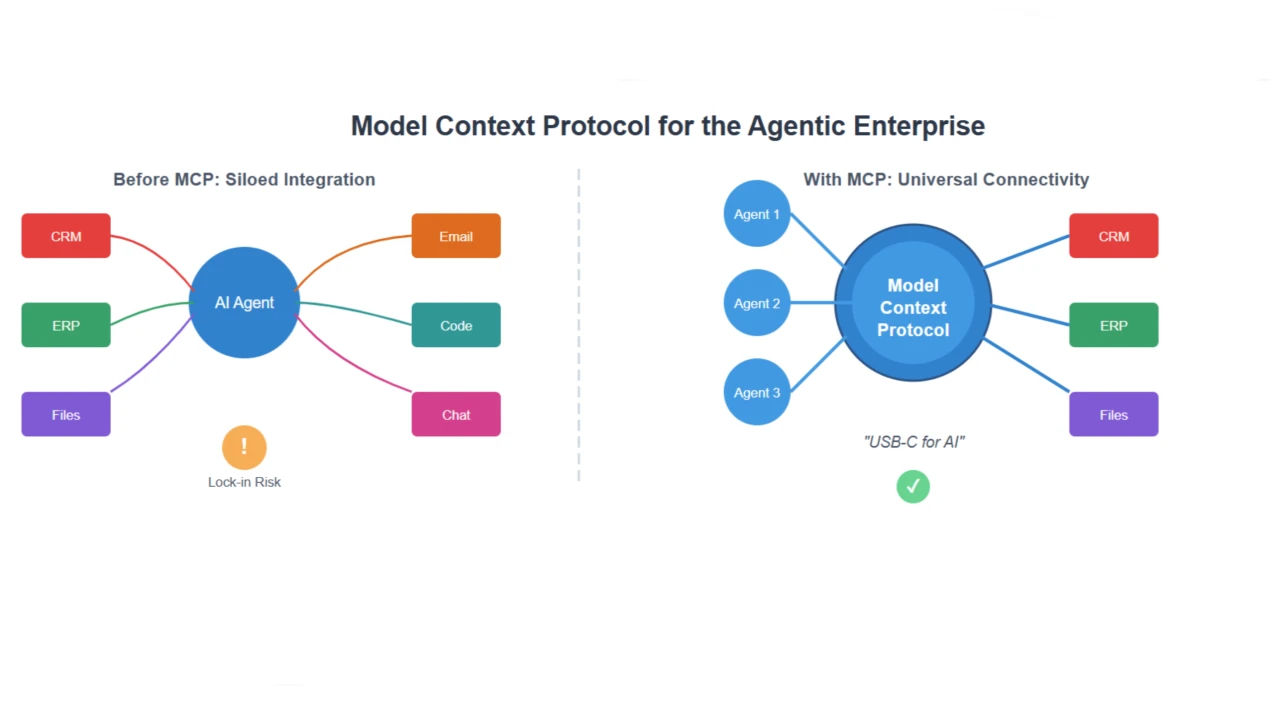
Central to this technological evolution is the Model Context Protocol, a standardized interface granting artificial intelligence agents programmatic access to live hotel data. Property management systems are being aggressively upgraded to expose real time inventory, pricing, and availability directly to these autonomous agents. If a hotel’s digital architecture relies on outdated web scraping techniques, it will quickly become entirely invisible to automated booking systems. Upgrading technical connections to align with agentic search standards represents the ultimate frontier of modern distribution engineering.
Leveraging Core Web Vitals And Partial Hydration Techniques
Algorithmic ranking systems heavily prioritize domains that deliver exceptional speed and flawless user experiences across all screen sizes. The evaluation framework known as Core Web Vitals meticulously measures loading performance, visual stability, and interactivity responsiveness. Properties that rely on bloated legacy codebases or excessively heavy visual media will consistently suffer ranking penalties regardless of their actual content quality. The modern standard strictly demands that mobile interfaces reach full interactive readiness in under two seconds.
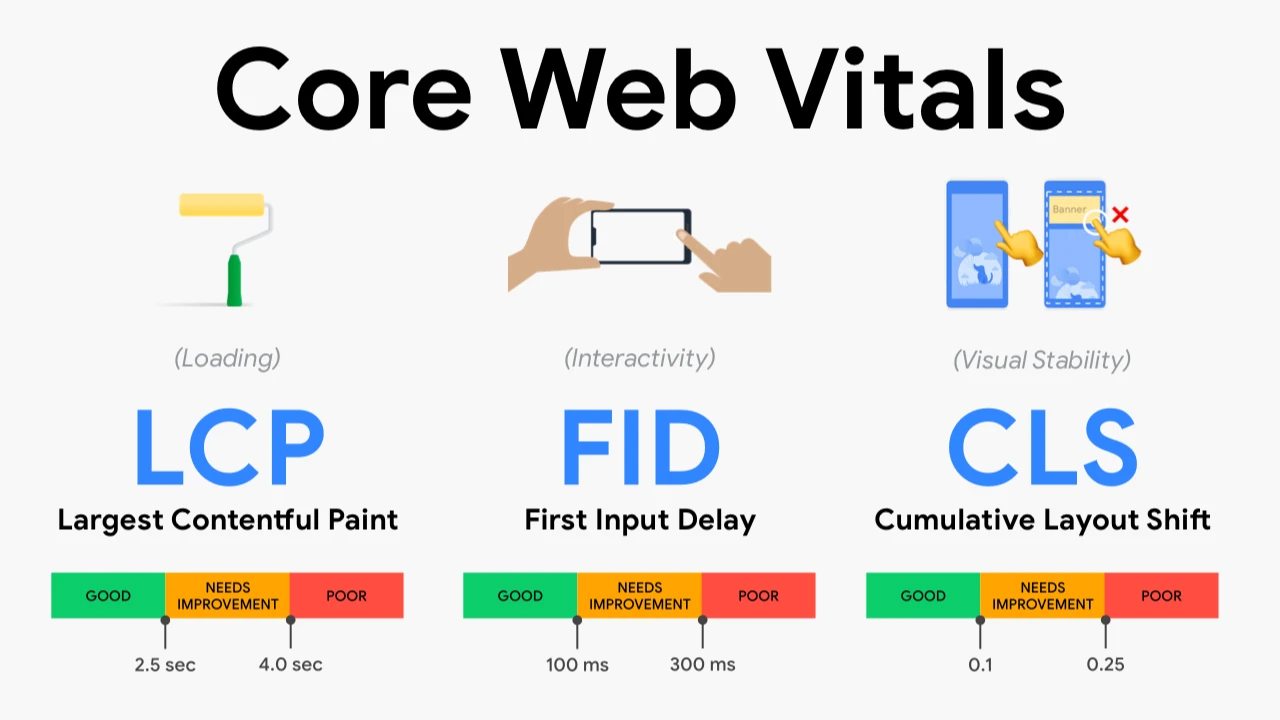
To achieve these rigorous performance thresholds, elite web developers are increasingly adopting complex partial hydration methodologies. Instead of burdening the browser with executing massive scripts simultaneously, this efficient architecture only loads interactive elements exactly when the user needs them. This dramatically accelerates the Interaction to Next Paint metric, which is a heavily weighted ranking factor for commercial queries. Partnering with technical authorities provides the necessary expertise to execute these complex architectural optimizations flawlessly.
Implementing Advanced Structured Data And Schema Markup
Structured data acts as the foundational language bridging human readable websites and algorithmic machine interpretation. Implementing comprehensive Schema markup is universally recognized as the single most critical technical intervention for modern search visibility in the hospitality sector. This specialized code explicitly defines the digital entity, categorizing the business specifically as a lodging facility rather than a generic corporate entity. Without this unambiguous categorization, search engines are forced to guess the purpose of the website.

Advanced properties must deploy granular tags for distinct room types, special package offers, and on site dining establishments. Injecting structured data that explicitly outlines specific cancellation policies, wheelchair accessibility, and exact geocoordinates ensures the property surfaces accurately in rich snippets. This technical precision prevents algorithms from inadvertently serving outdated pricing or incorrect amenity information to prospective guests. Auditing and refining this vital code layer is a non negotiable component of maintaining a resilient organic presence.
What Are The Key Benefits Of Optimized Search Visibility?
Investing heavily in digital infrastructure yields substantial operational and financial rewards over time. Consider the following advantages that properties gain when they prioritize their organic search presence.
Significant Reductions In Third Party Commission Dependencies
The primary objective of any organic marketing campaign is the systematic reduction of external distribution costs. When a property secures the top positions for relevant commercial queries, it intercepts travelers before they ever enter an aggregator ecosystem. Capturing this demand at the top of the funnel allows the hotel to completely bypass the standard 15% to 30% commission fees associated with traditional travel agencies. Over time, this shifts the overall channel mix away from costly intermediaries toward profitable direct channels.
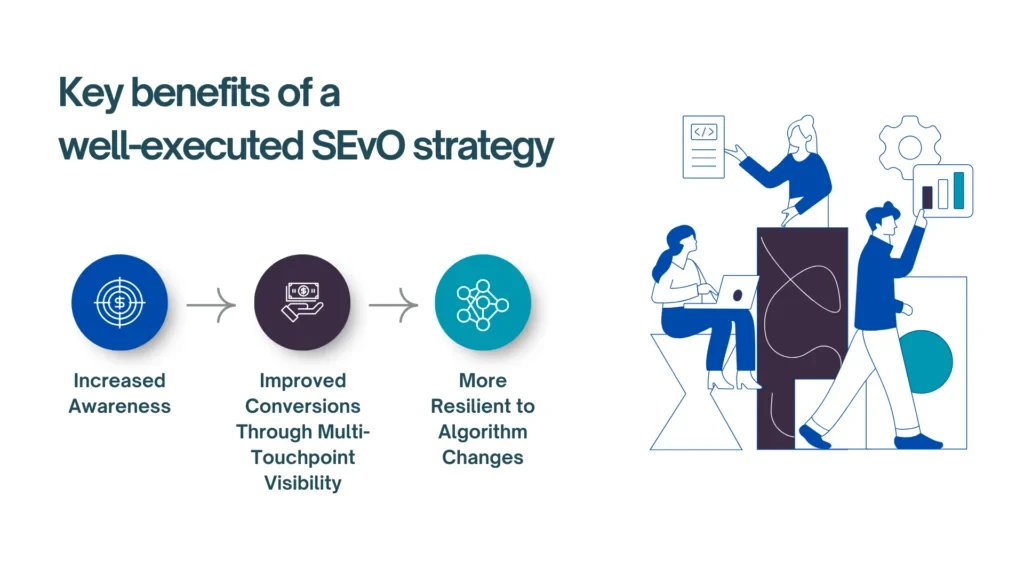
Furthermore, direct communication with guests makes it easier to personalize upcoming stays, build relationships, and cultivate genuine brand loyalty. A guest booked through an intermediary is fundamentally the intermediary’s customer, limiting the hotel’s ability to market to them in the future. By optimizing organic search pathways, properties reclaim ownership of the guest relationship from the discovery phase through to post stay communications. This strategic independence is the ultimate hallmark of a mature Hotel SEO Strategy.
Building Unshakeable Digital Authority And Brand Equity
Consistent visibility at the top of organic search results serves as a powerful psychological trust signal to prospective travelers. When a consumer repeatedly sees a specific property ranking for neighborhood guides and accommodation queries, they perceive that brand as the market leader. This repetitive exposure builds immense brand equity, elevating the property above completely undifferentiated assets operating in the exact same geographic corridor. This perceived authority is particularly crucial in highly saturated markets where standing out requires more than just competitive room rates.
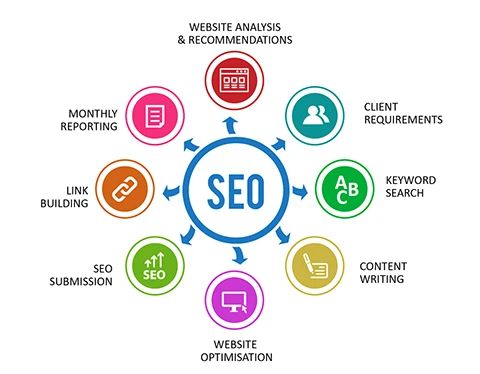
This enhanced brand equity directly translates into increased pricing power for the property over the long term. Travelers are demonstrably more willing to pay premium rates for accommodations that command strong digital authority and exhibit authentic storytelling. By treating organic search optimization as a long term brand building exercise, hotels can escape the race to the bottom that typically plagues third party listing platforms. A dominant organic presence acts as a digital billboard that constantly reinforces the property’s unique value proposition.
Capturing High Value Ancillary Revenue Through Targeted Visibility
The historic reliance on selling base room inventory is rapidly evolving into a more holistic commercial approach. Advanced operators are pivoting their analytical focus toward Total Revenue Per Available Room and Revenue Per Available Guest. This methodological shift acknowledges that profitability relies heavily on capturing ancillary spending generated through dining venues, spa facilities, and premium room upgrades. Global data reveals that properties earned an average of $941 in upsell revenue during 2024, representing a critical margin enhancer for owners.
To effectively drive these profitable supplementary revenue streams, the digital architecture must actively promote them throughout the organic search journey. Developing dedicated and optimized landing pages for on site restaurants, wellness packages, and local experiential tours ensures these specific assets rank independently on search engines. When travelers query specific wellness retreats or fine dining options within a destination, the property’s ancillary services capture the traffic directly. This holistic approach ensures the optimization efforts elevate the entire commercial ecosystem.
Essential Features Of A Hotel SEO Strategy Campaign
A successful digital acquisition framework requires a multifaceted approach to content and local targeting. Here is an analysis of the core elements that drive continuous guest engagement online.
Mapping Specific Search Intent Across The Entire Traveler Journey
The lifecycle of a hospitality booking spans a wide temporal range, requiring entirely distinct content strategies for each critical phase. The inspiration phase typically begins six to twelve months prior to departure, characterized by broad inquiries regarding seasonal destinations and general vacation concepts. During this prolonged period, properties must deploy informative experiential content that introduces the brand without applying aggressive sales pressure. Content focusing on annual local festivals, climatic advantages, or broader regional appeal successfully captures this early stage awareness.
As the prospective traveler transitions into the active research phase, queries become focused on strict logistics and specific itineraries. At this stage, publishing detailed neighborhood travel guides, transportation tips, and curated local activity lists positions the hotel as an indispensable regional resource. By answering complex logistical questions before the guest checks in, the property establishes deep psychological trust and supreme topical authority. Aligning digital narratives with this precise chronological timeline is the hallmark of an advanced content strategy.
Table 1.2. Search Intent Across The Booking Lifecycle
| Search Phase | Timeline Horizon | Primary User Intent | Target Query Examples |
| Inspiration Phase | 6 to 12 Months | Broad discovery and conceptualization | “Best family vacation spots 2026”, “Romantic getaways” |
| Research Phase | 3 to 6 Months | Logistical planning and activity curation | “Things to do in [City]”, “Best time to visit” |
| Booking Phase | 1 to 3 Months | Transactional execution and rate comparison | “Book hotel directly in [City]”, “Boutique hotel near [Landmark]” |
Capitalizing On Long Tail Keyword Opportunities For Niche Segments
Attempting to compete exclusively for generic destination keywords often results in depleted marketing budgets and minimal organic traction. The highest conversion rates consistently originate from long tail search queries that express highly specific and immediate commercial intent. A user searching for a generic city hotel is merely browsing, whereas a user querying a specific neighborhood boutique hotel with a rooftop pool is fully prepared to execute a transaction. Developing dedicated landing pages that directly answer these specific criteria captures traffic with exceptional commercial value.
Furthermore, segmenting these long tail targets by distinct guest personas drastically improves the relevance of the digital experience for the end user. Corporate travelers require landing pages emphasizing high speed connectivity and immediate proximity to financial districts. Conversely, leisure segments respond infinitely better to family friendly amenity highlights. Integrating these precise demographic targeting mechanisms represents the most sophisticated application of a comprehensive Hotel SEO Strategy.
Establishing Hyper Local Topical Authority Through Strategic Storytelling
Modern affluent travelers increasingly reject standardized corporate hospitality experiences in favor of authentic cultural immersion within the destination. To capitalize on this distinct behavioral shift, properties must fundamentally transition their digital presence from static corporate brochures into dynamic hubs of local culture. Publishing hyper local content, such as behind the scenes interviews with regional artisans or visual explorations of hidden neighborhood landmarks, generates organic interest. This localized storytelling must prioritize emotional resonance and visual proof over uninspired transactional copy.
When a domain consistently publishes high quality interconnected information regarding its surrounding environment, search algorithms grant it elevated topical authority. This hard earned authority signals to artificial intelligence platforms that the property is deeply embedded in the local commercial ecosystem. Executing this demanding narrative approach requires continuous editorial dedication and exceptionally deep market knowledge. Operators routinely partner with content authorities to engineer compelling keyword rich blogs that systematically capture organic market share.
Dominating Geographic Discovery With Google Business Profile Optimization
Proximity and location based relevance constitute the core of hospitality discovery in the modern era. The modern traveler relies almost exclusively on integrated map applications to evaluate lodging options based purely on geographic convenience. Industry data confirms that nearly 46% of all global search queries possess distinct local intent. Therefore, establishing absolute dominance over the property’s primary geographic listing is the foundational cornerstone of local digital acquisition. This requires meticulous synchronization of the property’s name, localized telephone details, and exact physical address across every single digital directory on the internet.
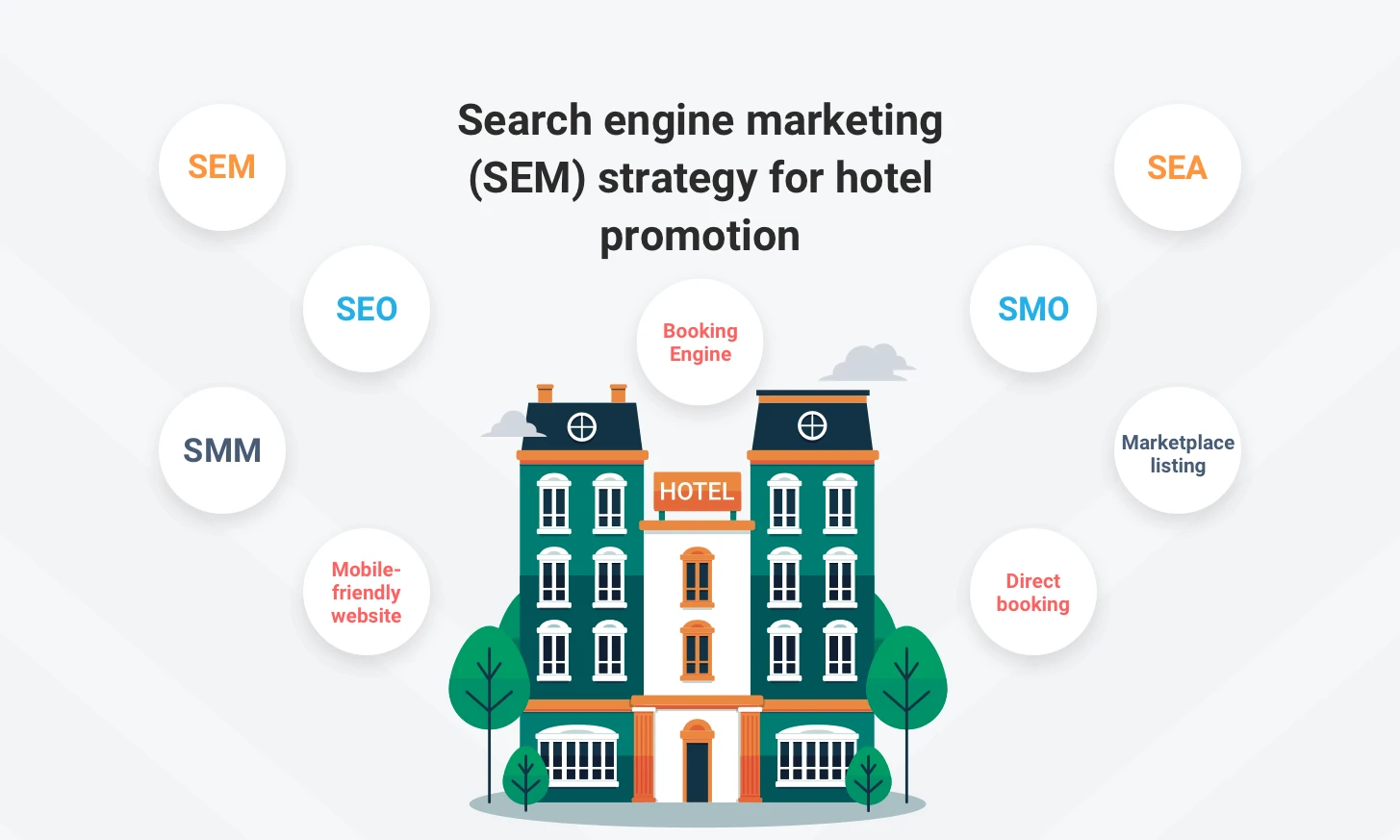
The primary listing must serve as a comprehensive operational hub, featuring high resolution visual assets and frictionless pathways into the booking engine. Any discrepancy in basic contact information, even minor variations in street abbreviations, severely fractures the property’s algorithmic trust signals and degrades rankings. Search engines demand total data consistency to confidently present a property as the premier choice in a specific competitive neighborhood. Refining these core geographic identifiers is a mandatory pillar of ensuring sustained visibility within local map packs.
Technical Hotel SEO Strategy Providers And Tools
Expanding a property’s reach across international borders requires adapting to entirely distinct technological ecosystems. Let us explore the specialized methodologies required to penetrate high value Asian demographics and leverage appropriate optimization tools.
Adapting To The Unique Algorithmic Preferences Of Asian Search Engines
The global recovery of the hospitality sector is being disproportionately driven by explosive travel demand originating from the Asia Pacific region. Market data confirms that international arrivals from demographics across Japan, South Korea, and Vietnam are surging rapidly. However, attempting to capture this lucrative inbound traffic using standard Western optimization methodologies is fundamentally ineffective and inefficient. These specific demographics operate within distinct digital ecosystems governed by proprietary search architectures and unique behavioral norms.

For example, engaging the affluent South Korean travel market requires absolute mastery of the Naver search ecosystem, which currently commands approximately 73.5% of the regional market share. Naver functions significantly less like a traditional search engine and much more as a comprehensive lifestyle portal. It integrates localized blogs, detailed maps, and community forums into a single unified interface. Penetrating this demographic necessitates specialized localized technical knowledge that respects regional algorithmic nuances.
Understanding The Dual Ranking Systems Of Creator Rank And Page Rank
Achieving visibility within specialized Asian search portals like Naver requires strict adherence to dual layered algorithmic evaluation systems. These platforms heavily rely on a complex framework known as Creator Rank, which evaluates the credibility, historical consistency, and overall authority of the content publisher. This system rewards entities that publish highly relevant material on a frequent schedule while heavily penalizing dormant or purely promotional accounts. Properties must maintain active native language blogs that foster genuine community interaction to satisfy this rigorous ranking signal.
Simultaneously, the secondary Page Rank algorithm evaluates traditional technical compliance against global web development standards. This entails optimizing internal linking structures, ensuring rapid mobile loading times, and cultivating high quality backlinks originating from trusted regional domains. Interestingly, these specific platforms often provide massive preferential treatment to backlinks generated within their own proprietary digital ecosystems. Mastering the delicate interplay between publisher credibility and technical excellence is mandatory for international organic acquisition.
Penetrating The Booming Vietnamese Domestic Hospitality Sector
The operational success of international digital marketing hinges on adapting to shifting consumer consumption patterns and regional economic growth. The domestic Vietnamese hospitality sector is experiencing truly exponential growth, with the overall market size projected to reach an astounding $25.67 billion by the year 2026. This internal economic expansion is fueled by a mobile first population boasting an 84.2% internet penetration rate and surging e-commerce demand. To capture both lucrative inbound international guests and this booming domestic market, properties must deploy sophisticated localized digital infrastructure.
Table 1.3. Vietnam Hospitality Market Indicators
| Vietnam Market Indicator | 2026 Estimated Value | 2031 Projected Value | Annual Growth Rate |
| Overall Hospitality Market Size | $25.67 Billion | $38.01 Billion | 8.17% CAGR |
| Digital Advertising Market Size | $1.66 Billion | $3.61 Billion | 14.0% CAGR |
| Internet Penetration Rate | 84.2% | Data Unavailable | Sustained high adoption |
Domestic travelers are looking for convenient experiential travel options that integrate seamlessly with their heavily social media driven lifestyles. This requires properties to maintain a flawless presence not just on traditional search, but across visually dominant platforms that drive discovery and immediate booking intent. Leveraging the localized expertise of specialized domestic agencies ensures that marketing campaigns resonate authentically with regional behavioral trends and specific cultural expectations. Partnering with a dedicated agency based directly in the target market entirely eliminates cultural friction and dramatically accelerates organic growth.
Measuring Performance And Tracking Analytical Growth
Optimization efforts are meaningless without rigorous quantification and continuous data analysis. Here are the critical benchmarks and tracking mechanisms necessary to validate your digital investments over time.
Establishing Baseline Conversion Rates Across Diverse Traffic Sources
A fundamental prerequisite for evaluating digital efficiency is the continuous measurement of website conversion rates segmented by specific acquisition channels. Across the global hospitality industry, the standard benchmark for direct website conversion typically fluctuates between 2.5% and 3.5% for healthy properties. A domain converting below the critical 0.5% threshold is indicative of structural failures, massive pricing friction, or severe technical degradation directly within the booking engine. Conversely, a property achieving conversion rates exceeding 4% demonstrates exceptional user experience design combined seamlessly with persuasive commercial incentives.

Tracking these specific metrics across various traffic sources provides invaluable actionable intelligence regarding consumer commercial intent. Users arriving via social media platforms generally exhibit exploratory browsing behavior, while traffic originating from targeted metasearch queries demonstrates profound transactional readiness. By isolating the performance of purely organic search traffic, commercial directors can accurately validate the exact efficacy of their technical optimizations. Refining and calibrating operations based on these behavioral conversion benchmarks is a mandatory operational procedure.
Quantifying The Definitive Return On Investment For Organic Campaigns
The modern financial climate demands absolute accountability for all digital marketing expenditures, particularly when attempting to displace entrenched third party commission structures. Sophisticated operators utilize advanced analytics dashboards and dynamic return on investment calculators to trace exact revenue figures back to specific optimization initiatives. This rigorous tracking mechanism unequivocally proves that well executed digital campaigns can yield explosive returns, with elite properties frequently observing multi fold increases in direct booking revenue. Without this transparent attribution modeling, it is virtually impossible to justify sustained financial investment in necessary technical architecture.
Furthermore, capturing and successfully leveraging first party data creates a valuable compounding digital asset for the property over the long term. Industry benchmarks indicate that globally, hotels add an average of $9.85 in pure trackable revenue for every single correctly captured guest email address. Integrating subtle lead capture mechanisms seamlessly into highly trafficked organic landing pages ensures that even non converting traffic provides long term commercial value. Partnering with data driven performance experts guarantees that every single digital initiative is meticulously tracked, optimized, and proven to deliver maximum financial return.
Integrating Digital Ecosystems With Advanced Hospitality Technology
Isolated software solutions create operational friction that ultimately degrades the overall guest booking experience. Delve into the necessary technological integrations that empower properties to operate with maximum efficiency and clarity.
Synchronizing Property Management Systems With Search Platforms
A fractured technology stack acts as an insurmountable barrier to delivering the highly personalized digital experiences demanded by modern affluent travelers. When the property management system operates in complete isolation from the customer relationship management software and the digital booking engine, the property is forced to rely on disjointed marketing tactics. Conversely, a unified data ecosystem allows properties to execute dynamic personalization seamlessly at scale. By sharing real time inventory and historical guest preferences across all platforms, the website can present highly customized offers the exact moment a user arrives from a search engine.

This interconnected architectural framework provides the essential foundation required to combat the technological advantages currently held by third party aggregators. When a prospective guest feels instantly recognized and receives a seamless path to purchase, their reliance on external intermediaries rapidly evaporates. Furthermore, this consolidated data infrastructure ensures that complex pricing and availability remain perfectly synchronized across all public digital interfaces globally. Executing a comprehensive Hotel SEO Strategy is fundamentally impossible without this deep systemic integration operating flawlessly in the background.
Utilizing Artificial Intelligence Chatbots To Secure Organic Traffic
Driving high quality organic traffic to a property domain represents only the very first phase of the complex digital acquisition lifecycle. If prospective guests encounter immediate friction when attempting to clarify cancellation policies or request special accommodations, they will swiftly abandon the session entirely. To effectively mitigate this severe attrition, innovative operators are deploying advanced artificial intelligence chatbots trained explicitly on nuanced hospitality workflows. These sophisticated tools function as autonomous digital concierges, providing instantaneous responses to complex logistical inquiries around the clock without human intervention.

Beyond simple customer service, these conversational interfaces act as powerful conversion catalysts by proactively suggesting personalized room upgrades and guiding users directly into the booking flow. Resolving user inquiries immediately on the landing page drastically reduces bounce rates and significantly extends average session durations across the domain. These positive behavioral signals communicate intense relevance to search engines, thereby reinforcing and elevating the domain’s organic rankings over time. Properties looking to integrate this cutting edge software rely on specialized technology providers for flawless implementation and ongoing technical support.
Maintaining Absolute Price Parity To Protect Brand Authority Online
The integrity of a property’s digital footprint is severely compromised if its pricing structures are completely disjointed across the vast expanse of the web. Regulatory frameworks globally are tightening restrictions on misleading pricing tactics, demanding transparent upfront rate displays from all vendors. Furthermore, search algorithms consistently and aggressively penalize official domains if third party aggregators routinely undercut the primary website’s advertised rates. Maintaining absolute rate parity across all distribution channels is critical for preserving algorithmic trust and maintaining consumer confidence.

However, simply matching external pricing is merely a defensive tactic. Properties must actively incentivize the direct channel through highly creative value additions. Offering exclusive perks such as complimentary late check out privileges, generous dining credits, or flexible cancellation policies for direct bookers circumvents strict parity agreements legally. When these exclusive high value benefits are prominently featured in organic search snippets and localized meta descriptions, direct conversion rates surge dramatically. Protecting the domain’s pricing authority is a subtle but vital component of maximizing total digital profitability.
Conclusion
A successful Hotel SEO Strategy is no longer just about basic keyword stuffing. It requires mastering Core Web Vitals, leveraging structured schema data for Answer Engine Optimization, and aggressively capturing high intent local search traffic. By seamlessly aligning your property’s digital infrastructure with modern consumer search behaviors, you can bypass exorbitant OTA commissions, build unshakeable brand equity, and create a sustainable, automated engine for highly profitable direct revenue.
Ready to stop paying OTA commissions and own your digital presence? Engineering a top tier organic search presence requires specialized technical expertise and continuous algorithmic adaptation. Partner with the hospitality marketing professionals at ROI300 to build, automate, and scale a digital footprint tailored perfectly to your unique property. Contact ROI300 today to dominate local search engine results and transform casual digital browsers into lifelong, commission free direct guests.