

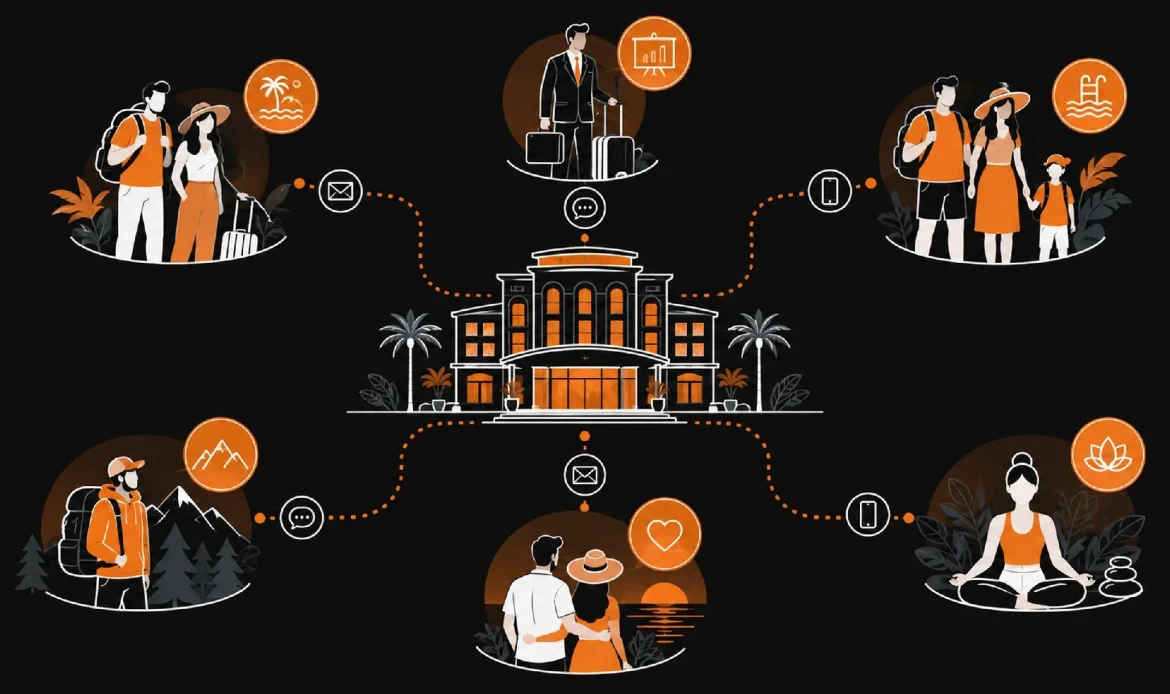
Taking a generic, one-size-fits-all approach to hospitality marketing is a guaranteed recipe for stagnant revenue and dwindling guest loyalty. Modern travelers expect personalized experiences tailored to their specific needs, travel motives, and budget constraints. This blog will provide a comprehensive guide to hotel market segmentation, detailing how to categorize your guests, understand their booking behaviors, and deploy highly targeted pricing strategies to maximize your property’s profitability.
What Is Market Segmentation In The Hotel Industry?
Hotel market segmentation is the rigorous analytical process of dividing your total potential customer base into distinct, manageable groups based on shared characteristics. It moves far beyond simple demographic categorization (like age or income) to explore exactly who is making up the markets you want to reach. Effective segmentation analyzes a traveler’s motivation, their preferred booking channels, their price sensitivity, and their desired on-property experience.

By segmenting your guests, you can tailor your services, marketing messages, and daily pricing to match the exact needs of each group. A corporate executive traveling for a mid-week conference has entirely different expectations and spending habits than a family on a weekend leisure vacation. If you treat both of these guests identically in your marketing and pricing structures, you will inevitably alienate one or both of them while leaving substantial revenue on the table.
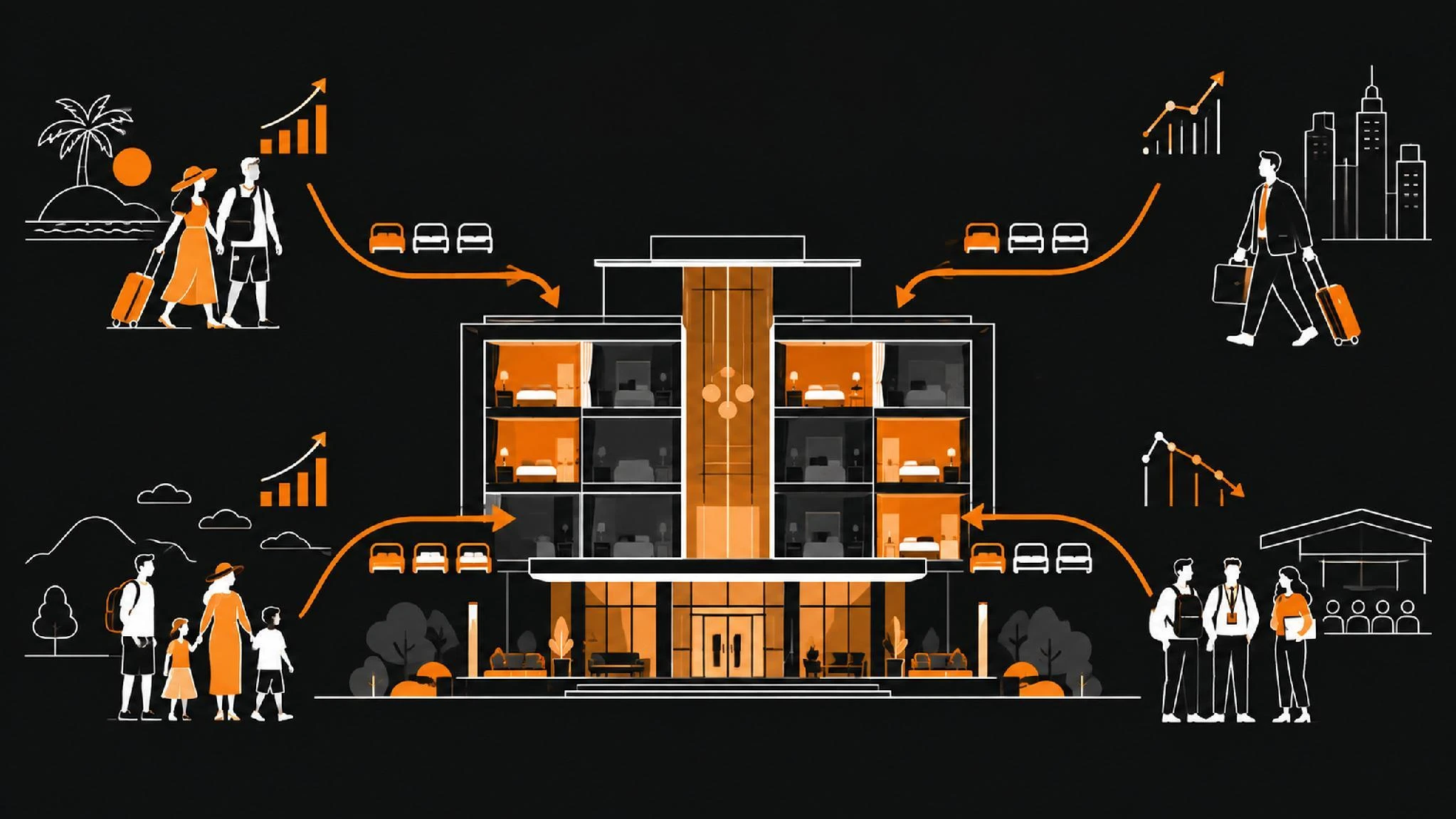
Segmentation allows revenue managers to forecast demand accurately and optimize room rates for maximum yield. It also presents a lucrative opportunity to upsell hotel guests with targeted offers they are statistically highly likely to purchase. Ultimately, mastering your market segments transforms raw property data into actionable commercial intelligence.
5 Common Hotel Market Segments Worth Knowing
While every property has a unique guest mix depending on its location and amenities, the hospitality industry generally recognizes several core market segments. Understanding these broad categories provides the foundation for building your own property-specific segments.
1. Transient Travelers
Transient travelers represent the baseline volume for most independent hotels. These guests typically book short stays within a relatively small booking window at standard retail rates. This broad segment includes direct leisure bookings, independent business travelers, and guests reserving through Online Travel Agencies (OTAs).

Because transient travelers often book closer to their arrival date, their demand is highly elastic and responsive to dynamic pricing adjustments. They are also prime targets for automated pre-arrival upselling campaigns. Potential upsell offers that resonate with this segment include guaranteed early check-in, premium room upgrades, and locally curated experience packages.
2. Corporate Negotiated Travelers
This high-value segment is filled with frequent corporate road warriors. These guests typically stay mid-week through pre-negotiated corporate channels established by their company’s travel manager. Corporate travelers expect consistent amenities, require reliable business-focused services, and are generally insensitive to premium pricing as long as it falls within their corporate per diem.

Securing corporate negotiated business provides a stable, predictable foundation of recurring revenue throughout the year. Hoteliers must deliver flawless service to maintain these lucrative annual contracts. Potential upsell offerings for this segment should focus heavily on convenience, such as premium high-speed Wi-Fi, executive lounge access, and expedited airport transportation services.
3. Group Bookings
Group business is one of the largest and most complex hotel market segments. It refers to a block of rooms typically coordinated by a primary contact and reserved at a discounted group rate. This category encompasses corporate conferences, youth sports tournaments, wedding blocks, and organized tour groups.

Group bookings share specific travel patterns and require significant logistical coordination across multiple hotel departments. Winning group business requires responding rapidly to Requests for Proposals (RFPs) and offering competitive catering and event spaces. Because they secure massive room volume well in advance, groups are essential for stabilizing occupancy during historically slow seasonal periods.
4. Wholesale Partners
The wholesale segment consists of intermediaries like international tour operators, entertainment booking agents, and traditional travel agencies. These partners purchase large volumes of room inventory well in advance at heavily discounted, pre-negotiated rates. They then package these rooms with flights and tours to sell to the end consumer.
While wholesale rates offer the lowest profit margin for the hotel, they guarantee base occupancy during difficult periods. Managing this segment requires strict inventory caps to ensure heavily discounted wholesale rooms do not cannibalize your higher-margin direct transient bookings during peak demand spikes.
5. SMERF And Specialized Categories
SMERF is an industry acronym standing for Social, Military, Educational, Religious, and Fraternal travel groups. This specific subset of group travel includes college reunions, spiritual retreats, and military galas. SMERF groups are highly desirable because they frequently book their events during weekends or off-peak seasons when corporate group demand is low.

Other specialized niche segments include government travelers operating on strict per diems, airline crew layovers, and VIP loyalty members. Identifying these niche categories allows your sales team to craft highly specific outreach strategies rather than relying on broad, inefficient marketing campaigns.
The Core Benefits Of Hotel Market Segmentation
Knowing exactly who stays at your property and why transforms your entire commercial operation. Segmenting and profiling your guests yields substantial benefits across marketing, revenue management, and guest satisfaction.
Improved Guest Experience And Personalization
Modern guests expect a tech-forward, highly personalized service that matches their individual preferences. Data shows that 71% of consumers want companies to offer personalized interactions, and 76% feel disappointed when they do not. Hotel market segmentation provides the data necessary to deliver the tailored experiences guests crave.

When you identify what each segment prefers, you can deliver the right mix of digital and personal touches. For example, you can seamlessly offer mobile key access to tech-savvy transient travelers while maintaining traditional, high-touch front desk check-in for older leisure segments. When guests feel understood by a hotel, they leave better reviews, generating positive word-of-mouth marketing that attracts similar high-value travelers.
Enhanced Revenue And Yield Opportunities
Segmentation is the absolute bedrock of modern hotel revenue management. Companies that excel at personalization drive up to 40% more revenue than their generic competitors. By analyzing the booking pace, length of stay, and price sensitivity of different segments, revenue managers can deploy targeted pricing strategies that maximize yield.
Smart technology lets you predict and act on guest preferences automatically. Dynamic upsell software can offer highly targeted add-ons based on a specific segment’s behavioral patterns. If a guest books a romance package, the system will automatically prompt them to purchase champagne or late checkout prior to arrival. These targeted offers convert at a significantly higher rate than generic upsell blasts.
More Effective Marketing ROI
When you understand your guests deeply, you can create highly targeted marketing messages that drive immediate action. Segmentation allows you to split your email database into distinct groups and deliver content that genuinely matters to them.
For example, your marketing team can send an email blast promoting local children’s museums and theme park discounts exclusively to families who have stayed with you previously. Simultaneously, your corporate segment receives a completely different email highlighting your renovated business center and new express breakfast options. This level of hyper-personalization drastically improves email open rates and reduces customer acquisition costs.
How To Identify Your Hotel’s Ideal Target Segments
Building a knowledge base of your hotel customers requires rigorous data analysis. You must answer fundamental questions about your property to determine which segments will generate the highest profit margins.
Collecting And Analyzing Guest Data
You cannot segment your market without accurate, comprehensive data. This information must be extracted from your Property Management System (PMS), your Customer Relationship Management (CRM) software, and your online booking engine.
Start by looking at the basic booking details:
- Demographics: Who are they and where are they traveling from?
- Booking Channels: Do they book directly on your website, call the front desk, or use an OTA?
- Booking Lead Time: Do they book 60 days in advance or 24 hours before arrival?
- Length of Stay: Are they staying for a single Tuesday night or a four-day weekend?
Next, analyze their on-property behavior. Do they utilize room service? Do they spend time at the lobby bar? Seeking and analyzing this behavioral feedback is extremely important. Use post-stay surveys and monitor online reviews to understand exactly why guests chose your property over local competitors.
Defining Your Most Profitable Guest
In the hospitality industry, revenue does not always equal profit. You must identify which market segment represents your most profitable guest. This is rarely determined simply by looking at the highest Average Daily Rate (ADR).

A corporate traveler paying a $250 room rate but checking out at 6:00 AM may be less profitable than a leisure traveler paying a $200 rate but spending $100 daily on food, beverage, and spa services. Furthermore, guests that book extended stays require less frequent room turnover, which drastically reduces your daily housekeeping labor costs and increases your overall profit margin. Be explicit in how you define your most valuable guest based on Total Revenue Per Available Room (TRevPAR).
Analyzing Competitive Fair Share
Your hotel’s internal data only provides half of the market picture. To meaningfully interpret your segmentation strategy, you must analyze your local comp set to determine your market “fair share.” Fair share indicates whether your property is receiving its proportional slice of the total business arriving in your destination.
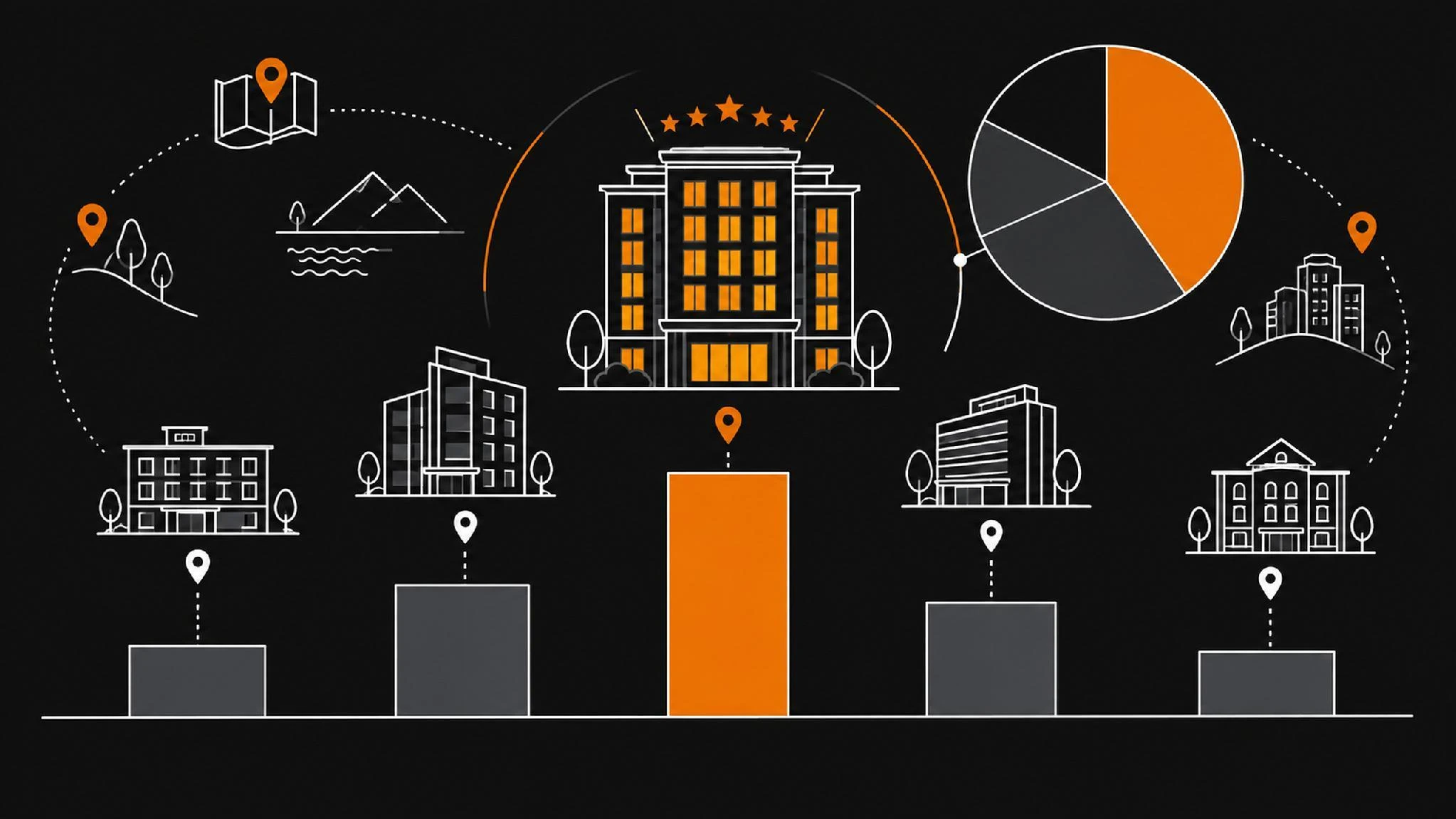
If market data reveals that your destination receives 60% corporate business and 40% leisure business, but your hotel is only capturing 20% corporate business, you are severely under-performing in a critical segment. Understanding this market breakdown allows your sales team to actively target the specific segments where you are currently losing ground to your competitors.
Table 1.1. Key Metrics For Segment Analysis
| Segmentation Metric | Definition | Strategic Implication |
|---|---|---|
| Booking Lead Time | Days between reservation and arrival | Dictates when to launch promotional marketing campaigns |
| Cancellation Ratio | Percentage of canceled bookings | Highlights the reliability and revenue risk of the segment |
| Channel Mix | Preferred method of booking (Direct vs OTA) | Identifies the true cost of acquiring the guest |
| Ancillary Spend | Non-room revenue generated during stay | Determines total profitability beyond the base room rate |
5 Tips For Effective Hotel Market Segmentation
Transitioning from raw data analysis to executing a profitable segmentation strategy requires strict operational discipline. Implement these five tips to better serve your guests and increase your hotel’s bottom line.
1. Leverage Integrated Hotel Technology
Hotel market segmentation relies on robust, continuous data collection. You must invest in a smart hotel technology stack where systems communicate with each other seamlessly. A fractured tech stack creates data silos that make accurate profiling impossible.

A robust system requires integrating your central reservation system, your PMS, your revenue management algorithms, and your email marketing software. When these systems share data perfectly, you can track a guest’s journey from their initial Google search, through their booking channel, right down to their specific room service orders.
2. Implement Dynamic Pricing Strategies
Different market segments exhibit vastly different levels of price sensitivity. Some leisure guests plan months ahead and hunt aggressively for discount codes, while corporate travelers book last-minute and value absolute convenience over price.
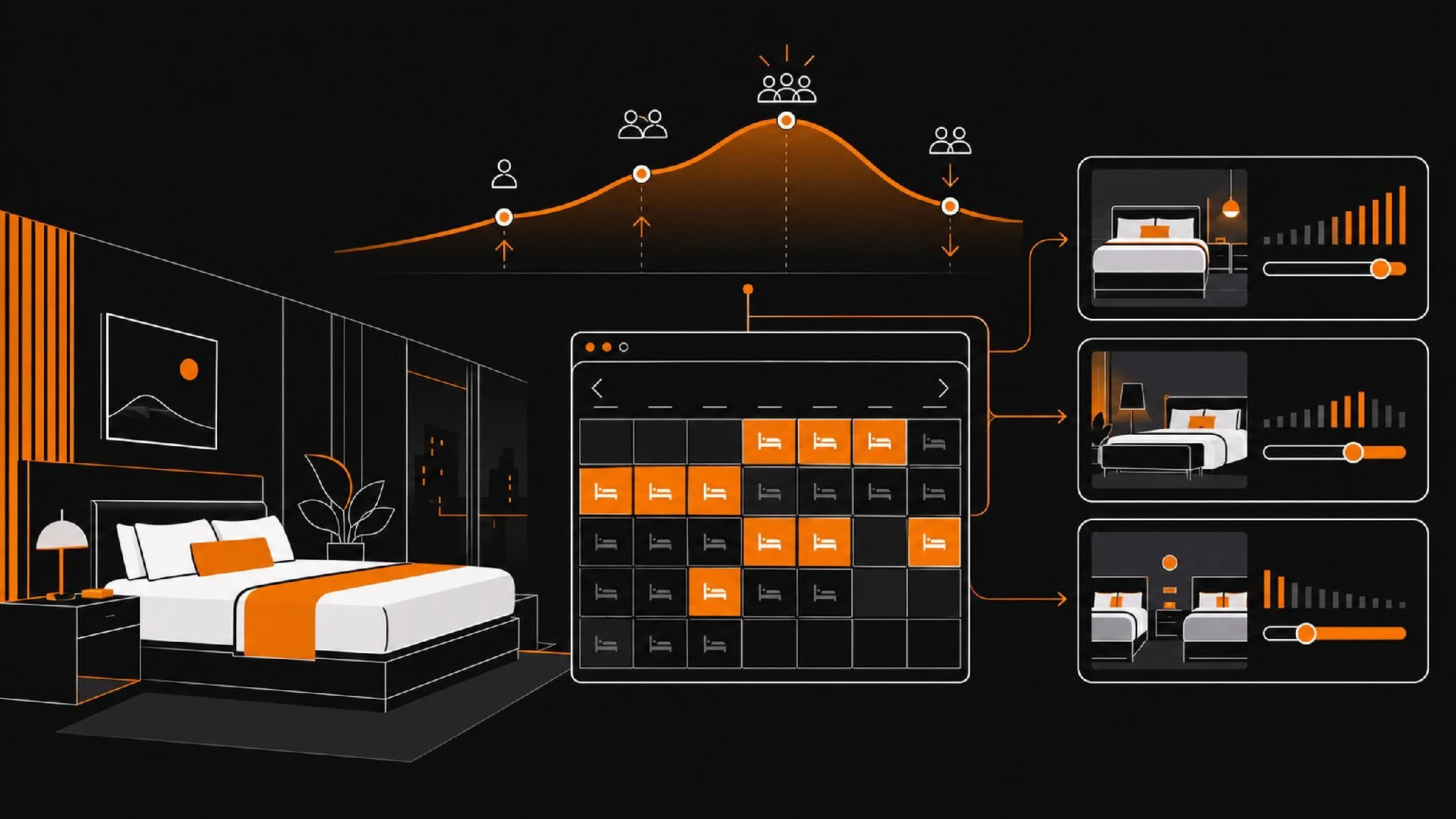
Implementing dynamic pricing allows you to accommodate all types of travelers simultaneously. A Revenue Management System (RMS) automatically adjusts your room rates based on real-time segment demand, local compression events, and competitor pricing. When you optimize rates dynamically for each specific segment, you can increase your overall room revenue by up to 8% annually.
3. Create Segment-Specific Packages And Offers
Once you understand your data, refine your offerings to match each segment’s exact preferences. Stop offering generic “weekend getaway” packages. Instead, create highly tailored offerings based on behavioral patterns.

If your data shows a surge in “bleisure” travel—business travelers extending their stay through the weekend for leisure—create a package specifically for them. Offer a blended rate that provides a corporate discount from Tuesday to Thursday, seamlessly transitioning into a premium leisure package that includes a spa credit for Friday and Saturday. Tailoring the product to the segment drastically increases conversion rates.
4. Differentiate Your Offerings From Competitors
With clarity on what matters to your targeted market segment comes an additional task: you must understand how your hotel’s offerings compare to your competitors.
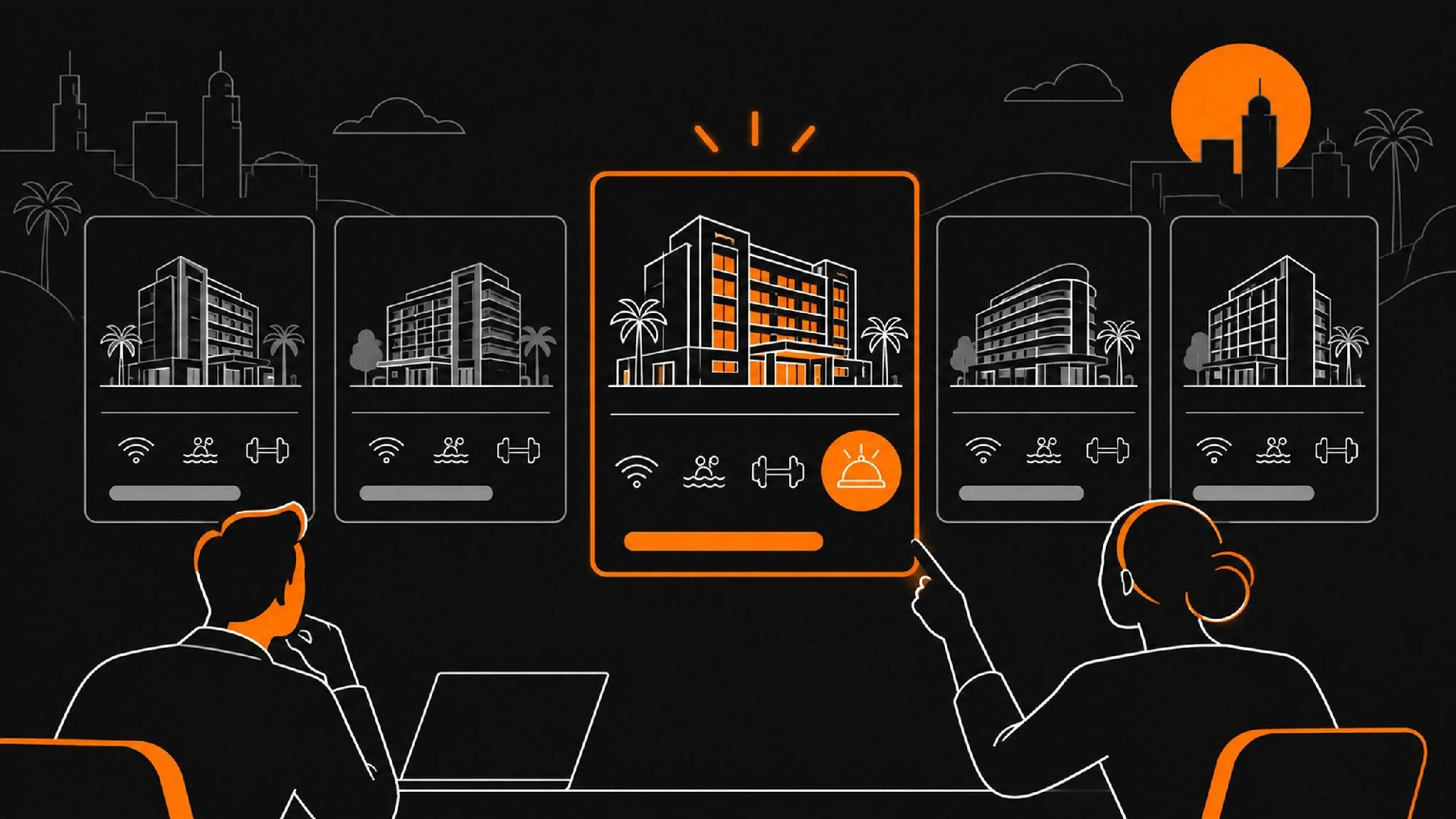
If you want to attract more business travelers but know you are located further from the downtown financial district than your rival, you must differentiate your product. You might offer complimentary high-speed airport transfers or highlight that you possess the “largest executive suites in the city.” You must give your target segment a compelling, undeniable reason to choose your property over the closer competitor.
5. Monitor, Adapt, And Refine Constantly
Guest preferences and travel trends shift rapidly due to macroeconomic pressures and changing airline routes. Your segmentation strategy cannot be a static document that you review once a year.
You must regularly monitor the performance of your target segments against your Key Performance Indicators. Track the RevPAR, ADR, and cancellation rates for each individual segment monthly. If you notice your wholesale segment is expanding rapidly but your direct transient segment is shrinking, you must immediately adjust your pricing distribution to prevent long-term margin erosion.
Technology Required To Win Bookings From Target Markets
Executing a sophisticated hotel market segmentation strategy requires two vital pieces of technology operating flawlessly on your backend: a channel manager and an online booking engine.
The Power Of A Channel Manager
A channel manager automates your inventory distribution across the entire digital landscape using a pooled inventory model. It connects your property to hundreds of OTAs, Global Distribution Systems (GDS), and metasearch platforms simultaneously.
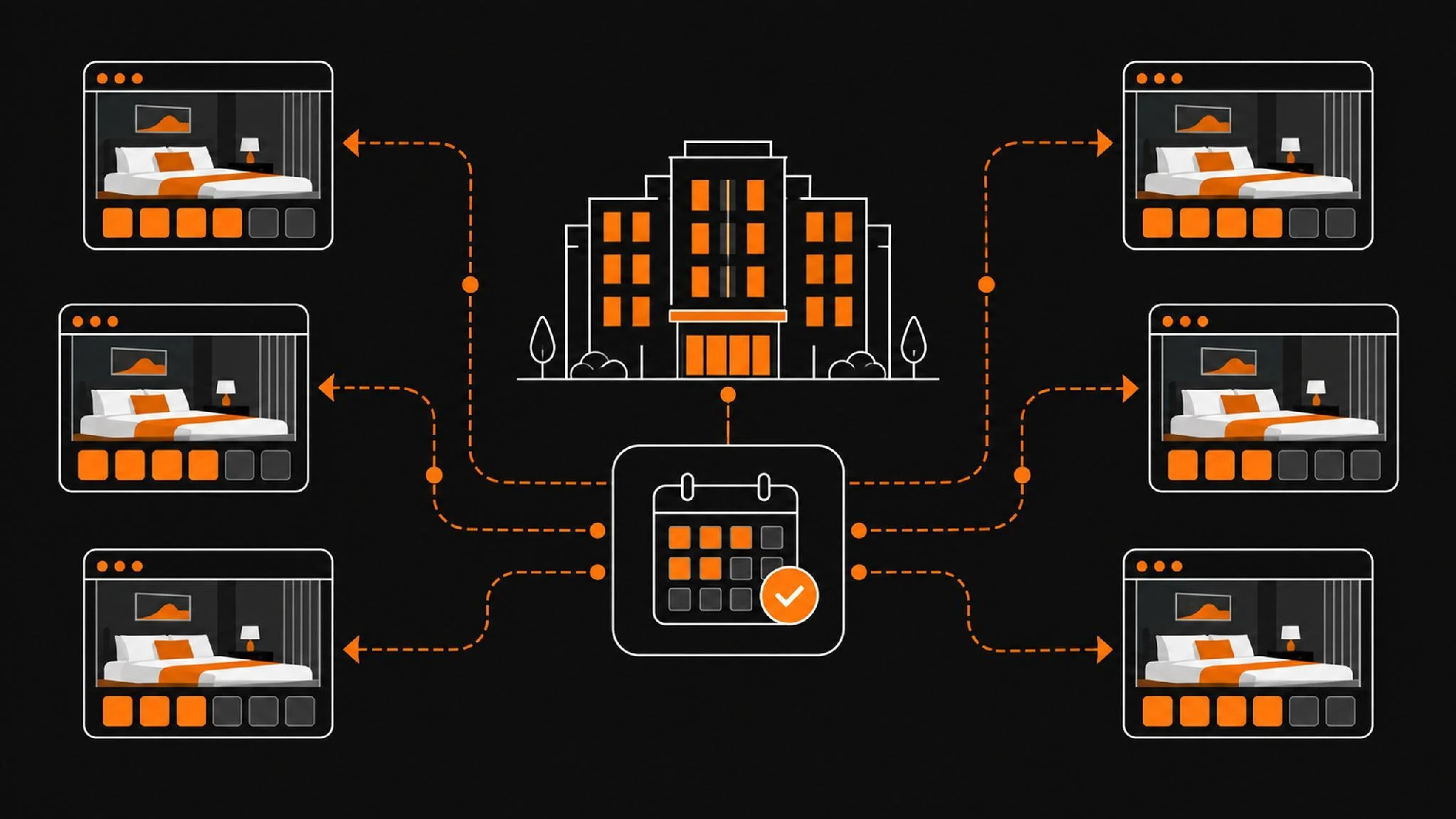
This technology allows you to promote specific rates to specific segments on the exact channels they prefer to use. You can push corporate negotiated rates through the GDS while simultaneously offering retail rates on consumer OTAs. The channel manager ensures that your availability is updated in real-time across the internet, preventing costly double bookings while maximizing your global visibility.
An Optimized Direct Booking Engine
Your direct booking engine is the digital shopping cart for your hotel. It is the ultimate tool for converting your targeted marketing campaigns into commission-free revenue.
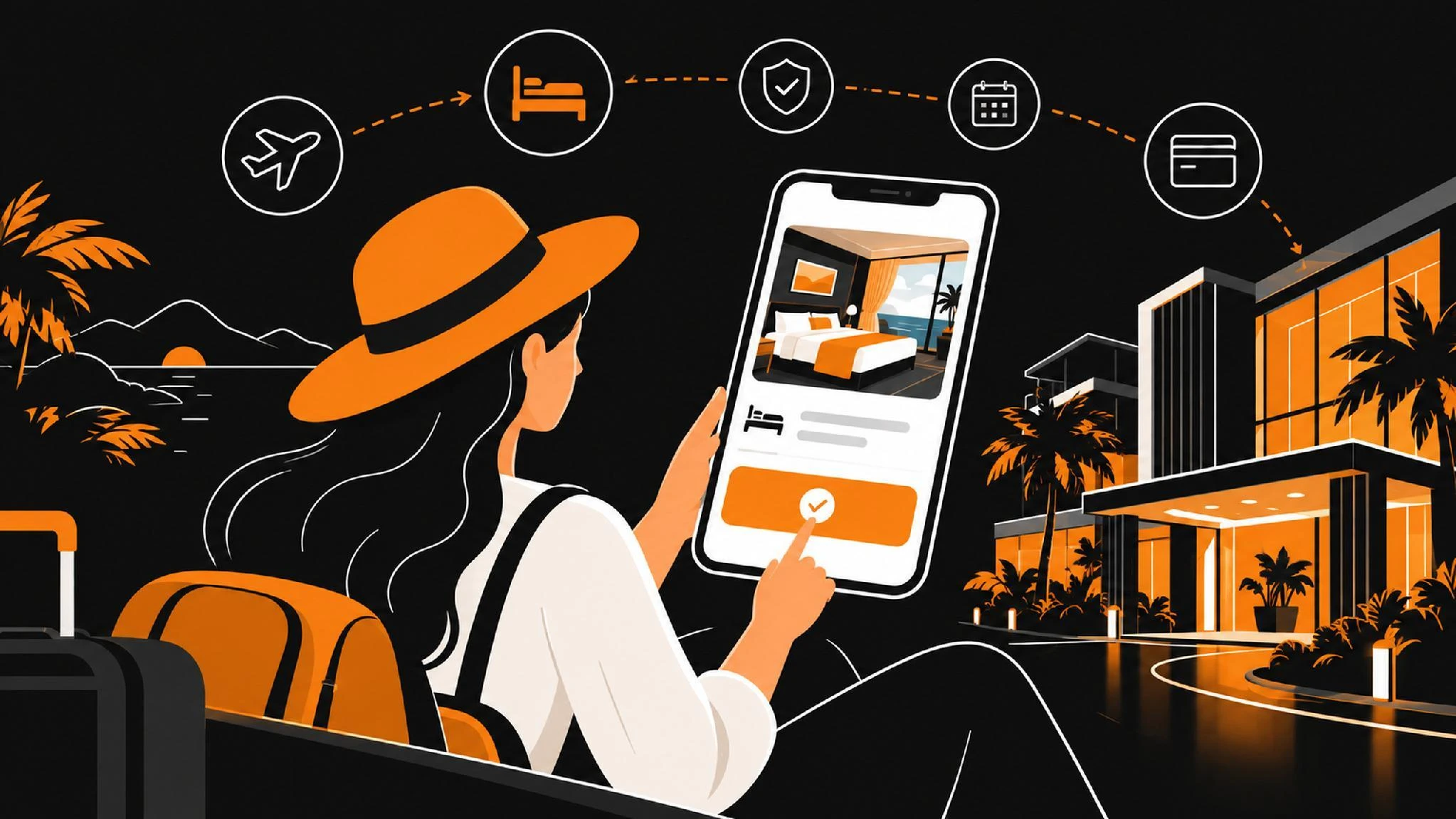
A high-converting booking engine allows you to create hidden, segment-specific rate codes. For example, you can email a private booking link to your loyalty members that automatically applies a 15% discount, rewarding your most profitable segment. By ensuring your booking engine is mobile-responsive and blazingly fast, you provide the seamless digital experience that modern, segmented travelers demand.
Conclusion
Hotel market segmentation is the strategic foundation of modern hospitality revenue management. By dividing your guests into distinct categories—such as Transient, Corporate, and Group—you can analyze their unique booking behaviors and price sensitivities. Leveraging this data allows hoteliers to deploy dynamic pricing, craft hyper-personalized marketing campaigns, and develop targeted upselling strategies that maximize Total Revenue Per Available Room.
Ready to capture your ideal guest segments and boost your revenue? Executing a flawless segmentation strategy requires sophisticated digital infrastructure and precise data analysis. Partner with the hospitality marketing professionals at ROI300 to build targeted SEO campaigns and optimize your direct booking engine for your most profitable demographics. Contact ROI300 today to transform your raw property data into a highly profitable digital acquisition strategy.