

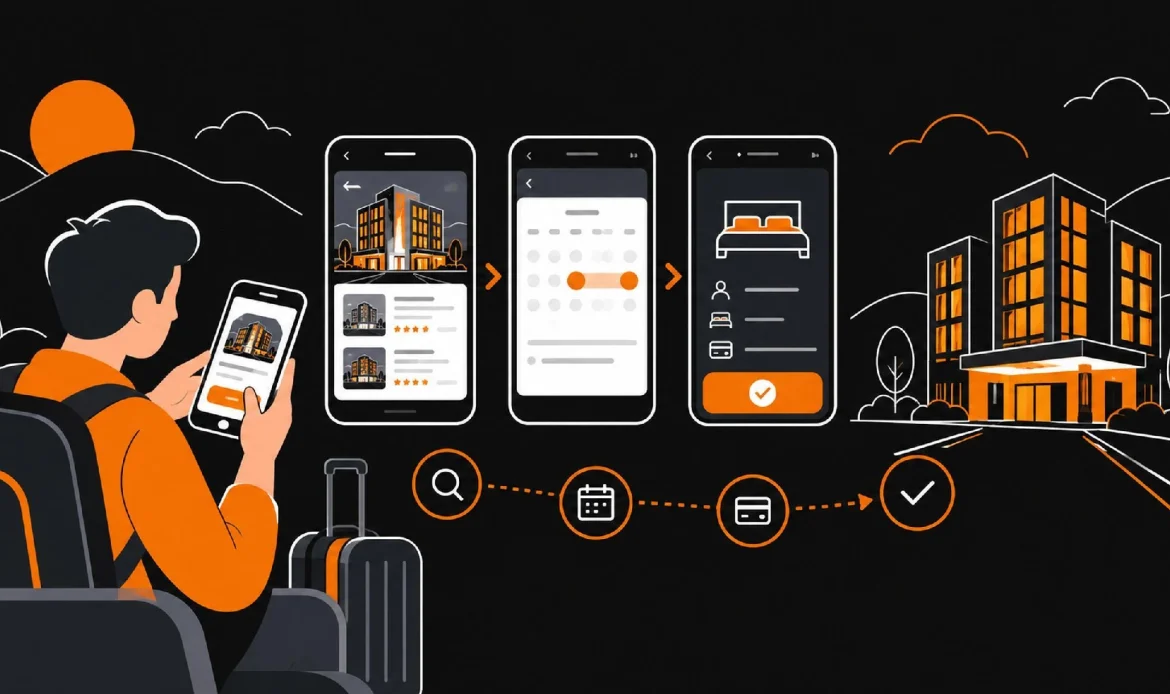
The days of travelers sitting down at a desktop computer to meticulously plan a vacation are rapidly fading. Today, your potential guests are scrolling on the sofa, standing in line for coffee, or commuting home, and that is exactly when they decide to book their accommodations. Mobile booking is no longer a nice extra; it is the default consumer behavior. This blog will provide a comprehensive guide to mastering mobile bookings, detailing exactly why a mobile-first approach is essential for outperforming competitors and securing highly profitable direct revenue.
Why Mobile Booking Dominates The Modern Travel Landscape
The proliferation of smartphones has fundamentally altered consumer behavior, making mobile optimization a cornerstone of modern hotel management strategy.
The Staggering Shift In Consumer Behavior
Mobile behavior is not a future prediction; it is already the current reality. Recent industry reports confirm that 84% of all hospitality bookings initiate on a mobile device. Today, mobile bookings account for 44.3% of total confirmed reservations, with tablet usage contributing an additional 8.7%. Even more importantly, mobile conversion rates have recently reached 61.91%, vastly outperforming desktop conversion rates, which lag at 45.33%.
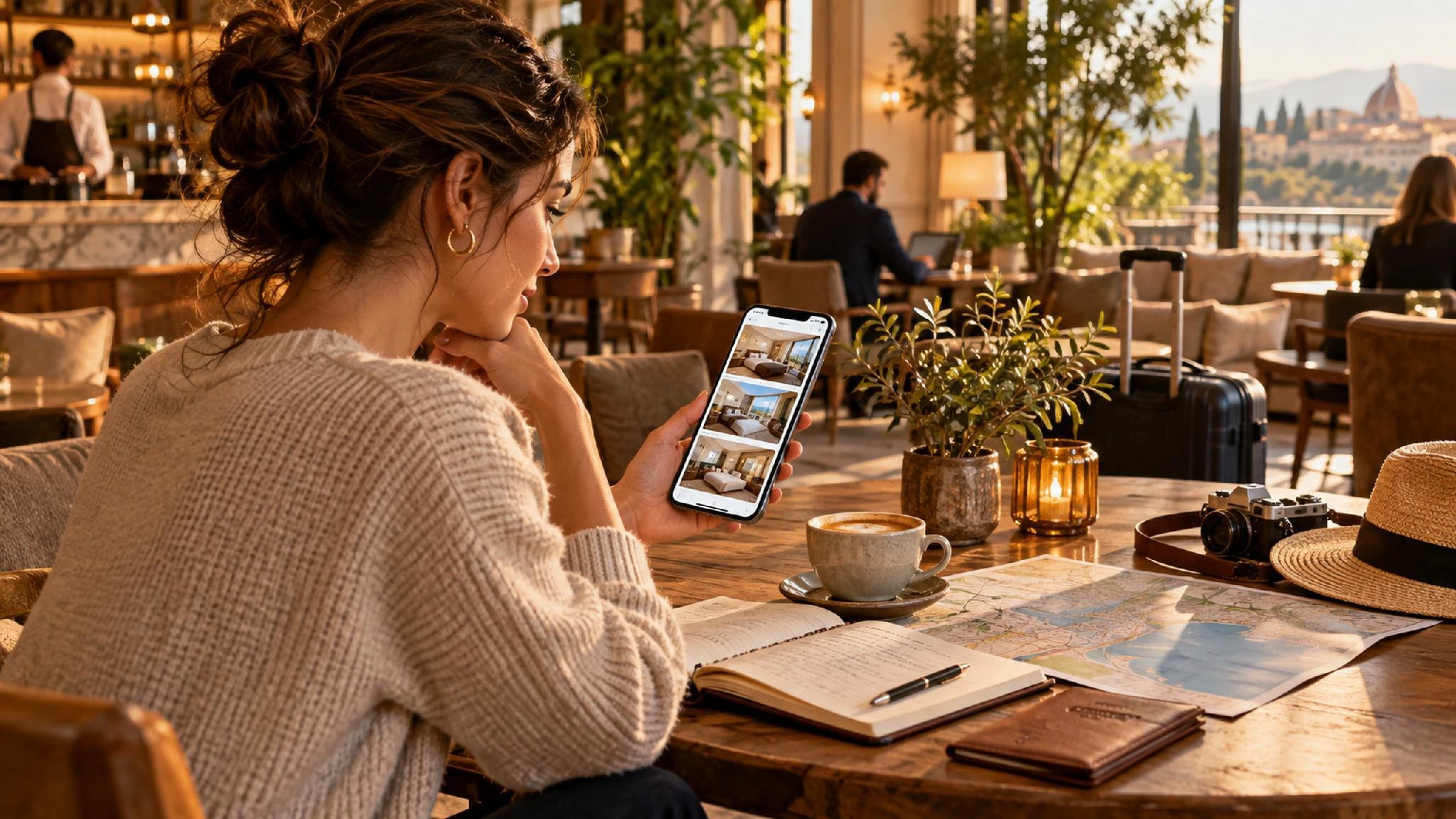
These numbers demonstrate a clear and undeniable shift: people are no longer just casually browsing on their smartphones. They are actively executing complex financial transactions. Travelers expect to finalize travel itineraries while on the move, demanding the same frictionless simplicity they experience when ordering food delivery or requesting a ride-share.
The implications for hoteliers are stark. If your booking process is not designed for smartphones first, you are actively losing conversions. A heavy, slow-loading mobile interface will prompt users to abandon your site and complete their reservation on a competitor’s more agile platform or through an Online Travel Agency (OTA).
Mobile First vs Mobile Friendly
Many hotel operators mistakenly believe their digital infrastructure is secure simply because their website “works on a phone.” However, there is a massive operational and financial difference between a website that is merely “mobile-friendly” and a booking system engineered to be “mobile-first.”
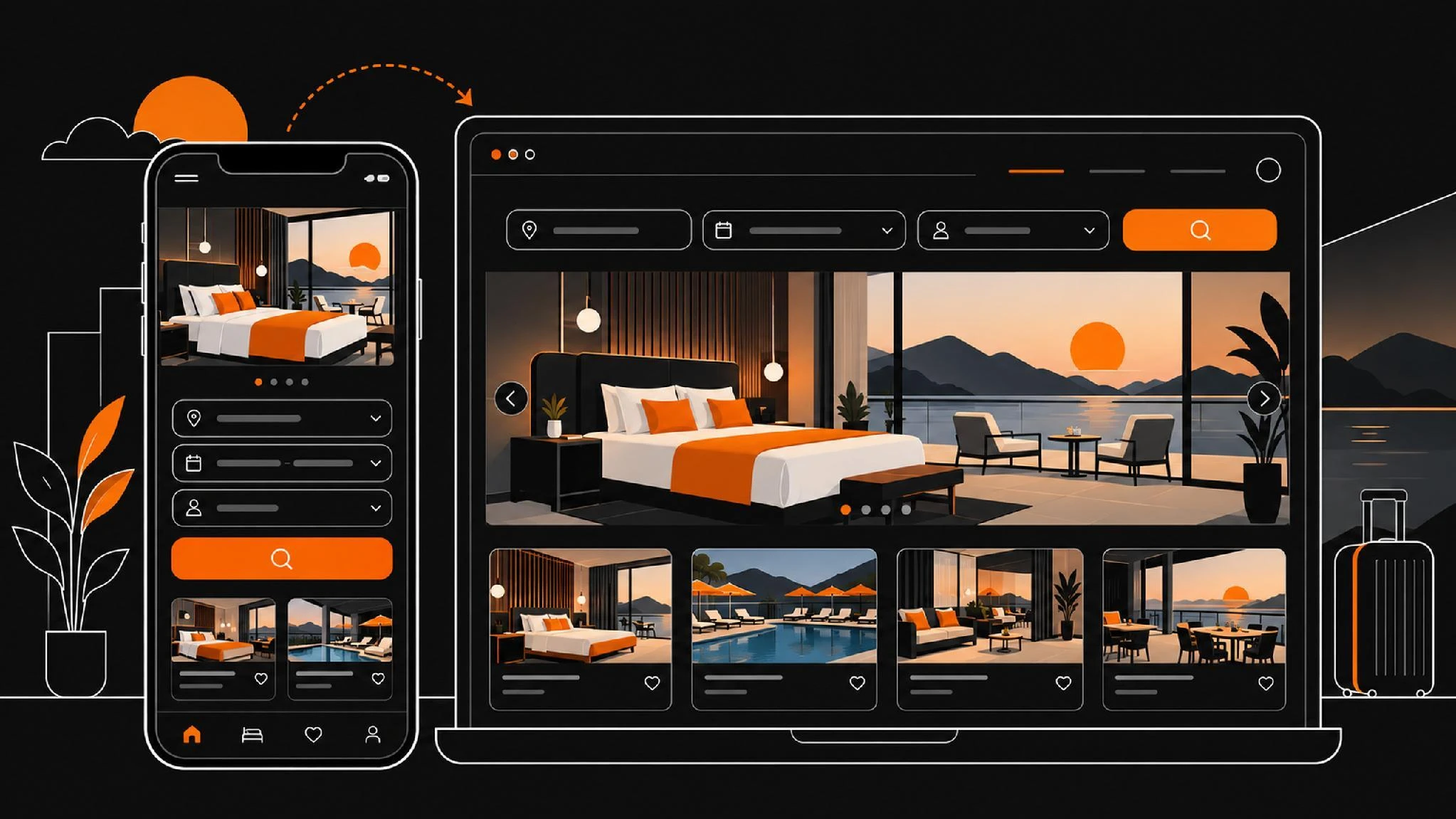
A mobile-friendly booking website technically loads on a smartphone, but it often requires users to pinch and zoom to read room descriptions. It typically features crowded text fields, difficult-to-navigate calendars, and tiny buttons that are hard to tap accurately. These issues create immense digital friction, and friction kills bookings.
In stark contrast, a true mobile-first booking system is designed explicitly for thumbs, not mouse clicks. It loads instantly on standard cellular data networks without requiring a strong Wi-Fi connection. It displays essential pricing and availability information first, requires minimal typing, and utilizes large, easily tappable Call-To-Action (CTA) buttons. The mobile-first approach prioritizes speed, efficiency, and a completely frictionless checkout experience.
The SEO Implications Of Mobile Architecture
A mobile-first infrastructure is not just about improving the user experience; it is directly tied to your property’s organic visibility on major search engines. Google has fully transitioned to mobile-first indexing. This means Google predominantly uses the mobile version of a hotel’s website for indexing and ranking evaluations, rather than the desktop version.
If your proprietary booking website is slow, unresponsive, or features poorly structured mobile navigation, Google will actively penalize your search rankings. A highly responsive booking website that loads quickly and offers intuitive navigation satisfies Google’s rigorous Core Web Vitals requirements. Better mobile performance leads to higher search engine rankings, which generates more organic traffic and ultimately results in more direct bookings. Therefore, mobile UX and SEO are inextricably linked to your total revenue generation.
Understanding Google’s Travel Micro Moments
To effectively capture mobile bookings, hoteliers must understand how travelers utilize their smartphones throughout the planning journey. Google has defined four distinct “micro-moments” that dictate consumer mobile behavior.
1. I Want To Get Away Moments
This is the initial inspiration phase. A significant 38% of travel site visits originate from mobile devices, yet one in three consumers does not have a specific destination in mind when they first consider taking a trip. They are scrolling social media or broad travel blogs seeking inspiration.
Hotels must be highly visible when this initial inspiration strikes. Optimizing your social media presence and ensuring your property ranks for broad, localized search queries (e.g., “weekend getaways near [City]”) ensures you capture attention early in the funnel. Up to 50% of millennial travelers report discovering a new travel brand while researching broadly on mobile.
2. Make A Plan Moments
Once a destination is chosen, travelers shift to active planning. In this phase, they most often search for specific room prices, hotel reviews, high-resolution pictures, and available destination activities. While 69% of travelers worry they are not finding the best price, 85% state that information sourced directly on their smartphone helps them finalize decisions.

During this micro-moment, hoteliers must be liberal with the information they display to mobile searchers. While the mobile layout must remain clean and simple, it must still provide all the critical details—amenities, cancellation policies, and competitive pricing—needed to choose your hotel over a rival property.
3. Book It Now Moments
This is the transactional phase, and it is historically where travelers have exhibited the most reluctance to rely on mobile devices. Only 23% of consumers feel confident they can find the same detailed information on their smartphones as they can on a desktop. Furthermore, 54% of leisure travelers and 69% of business travelers admit that mobile functionality issues cause them to abandon a direct booking and use an OTA application instead.

You can ease the anxiety of mobile guests by prominently displaying flexible, penalty-free cancellation policies directly on the mobile checkout screen. You must ruthlessly eliminate as many steps as possible in the mobile checkout flow. Implementing a highly visible “click-to-call” button also provides a safety net for users who encounter issues and prefer to finalize the transaction over the phone.
4. Waiting To Explore Moments
The mobile journey does not end once the reservation is confirmed; travelers continue to rely on their smartphones heavily after they have begun their trip. Approximately 85% of travelers decide on their daily activities after they arrive at their destination. Nearly nine out of ten expect their hotel to provide relevant local information digitally.

Because 67% of travelers feel more loyal to a brand that shares useful information during their trip, hotels should utilize mobile-optimized emails or SMS text messages to offer concierge services. Providing automated, mobile-friendly tips on local restaurants, traffic updates, or on-property spa promotions creates a smooth, highly personalized experience that builds long-term brand loyalty.
Essential Features For Optimizing The Mobile Booking Flow
Even great hotels with loyal clients and strong reputations unintentionally lose bookings due to poor mobile experiences. As customer behavior shifts entirely toward smartphones, small gaps in your digital process quietly reduce conversions without you even noticing.
Seamless Integration Of Booking Links
Your mobile booking flow must start wherever your clients already spend their digital time. This includes your Instagram bio, Facebook page, Google Business Profile, and email signatures. A highly visible, easily shareable booking link makes it just one tap from initial interest to an active reservation.

You can strengthen this offline by generating QR codes for posters, flyers, and in-store signage at local partner businesses. When offline and online channels connect seamlessly, you turn real-world visibility into instant smartphone bookings. The booking form should never be hidden deep inside complex, multi-tiered website navigation menus.
Secure And Instant Mobile Payment Options
Mobile users absolutely expect instant, seamless checkout experiences, mirroring the convenience they experience when shopping on massive e-commerce platforms. Forcing modern consumers to manually type out a 16-digit credit card number on a tiny glass screen creates unnecessary, highly destructive transactional friction.
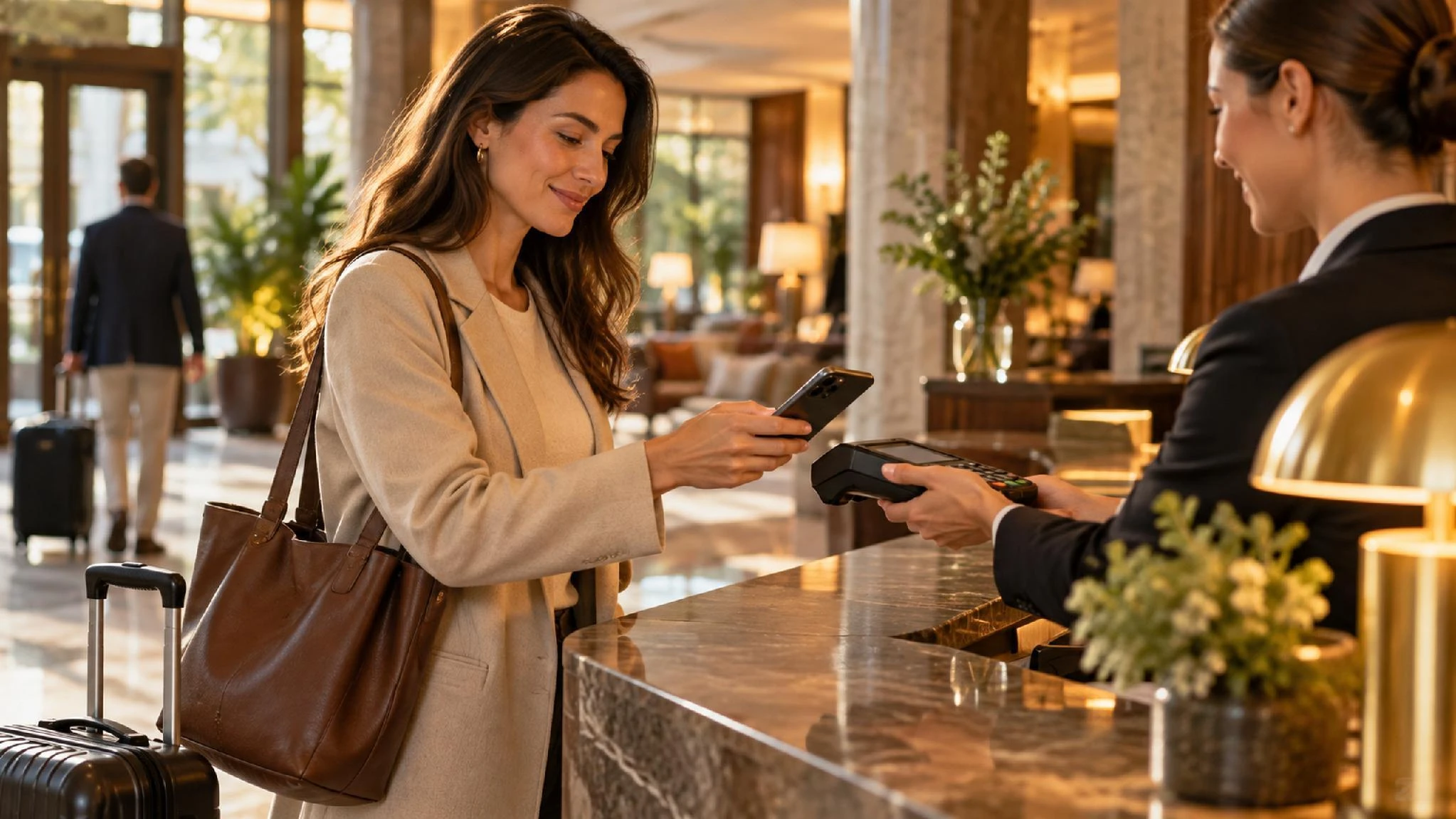
To boost completion rates, a truly elite mobile platform must integrate modern digital wallets such as Apple Pay and Google Pay. Allowing users to securely finalize their purchases with a single biometric scan dramatically lowers the barrier to entry. Offering multiple, highly secure payment options instills confidence and actively reduces the number of abandoned reservations.
Automated Reminders And SMS Communication
Smartphone booking does not eliminate human forgetfulness. Providing automated reminders via SMS or mobile-friendly emails is crucial for managing inventory and protecting your schedule.
Automated reminders significantly reduce no-shows and improve overall reservation attendance. For hotels offering ancillary services like spa treatments or dining reservations, sending an SMS reminder two hours prior to the appointment strengthens your professional image and ensures the revenue is captured. Clients appreciate the modern convenience of text-based updates over traditional phone calls.
How Independent Hotels Must Adapt To Mobile Technology
Major global chains have massive budgets to develop proprietary applications, but independent hotels must adopt smart, cost-effective mobile strategies to remain competitive.
The Rise Of The App Free Digital Experience
One of the most prominent examples of hotel mobile technology is the ability for a guest to check-in on their phone and walk straight to their room, unlocking the door with their device. While large chains like Hilton require guests to download a specific corporate application to utilize this feature, independent hotels are pivoting toward “app-free” digital experiences.
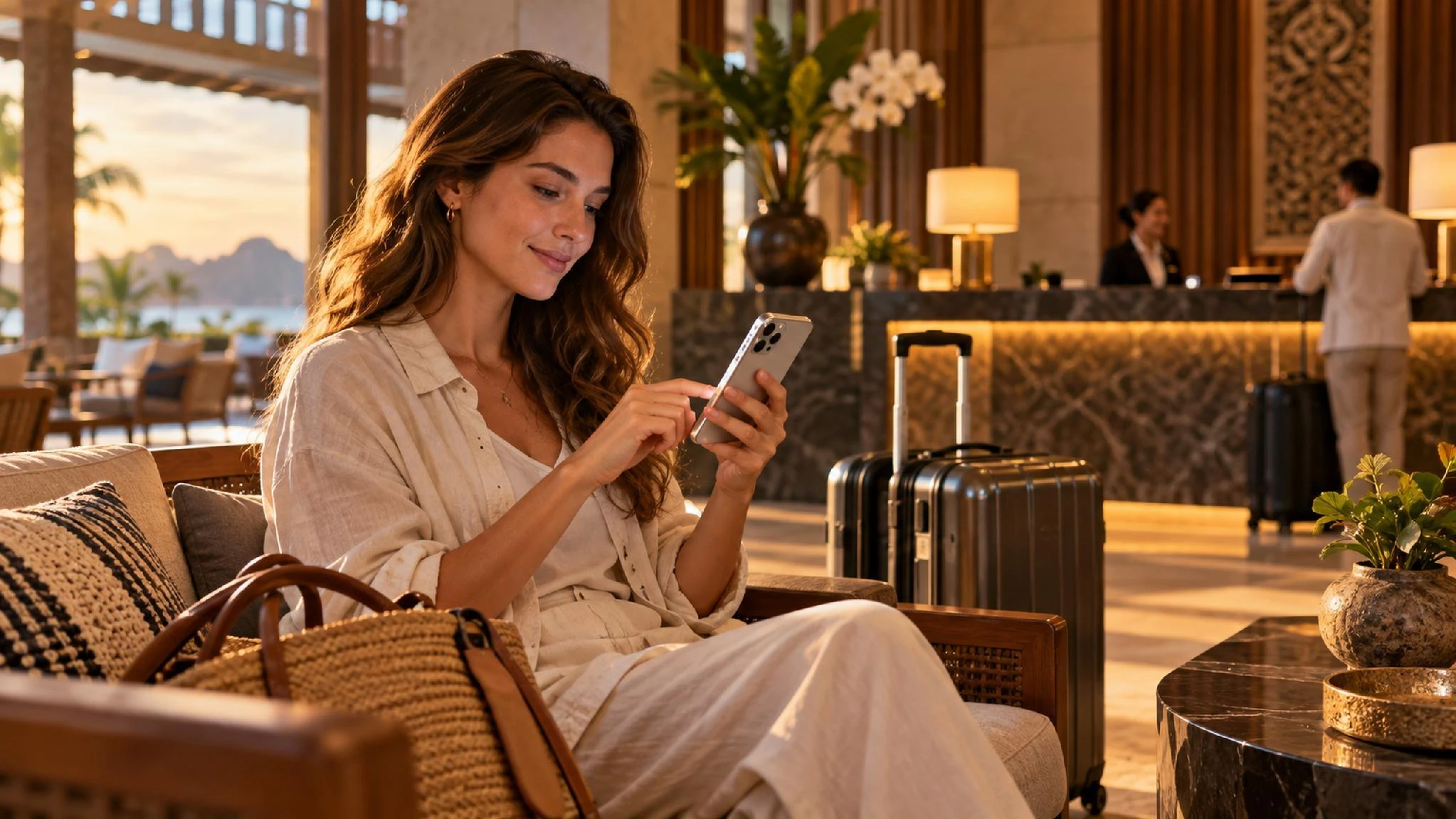
Modern web-based applications (WebApps) allow independent properties to offer digital check-in, room selection, and mobile key access directly through a secure mobile browser link sent via SMS. This completely removes the immense friction of forcing a guest to download a bulky, single-use application from an app store while standing in the lobby.
These mobile platforms also allow hotels to offer ordering services for food, drink, and entertainment directly from the guest’s phone. With real-time location tracking, hotels can deliver a cocktail to a guest regardless of whether they are in their room or relaxing by the poolside.
Capturing And Utilizing First Party Mobile Data
Most importantly, when a user interacts with a hotel’s mobile platform, they are providing the hotel with invaluable first-party data regarding their preferences and on-property behavior.
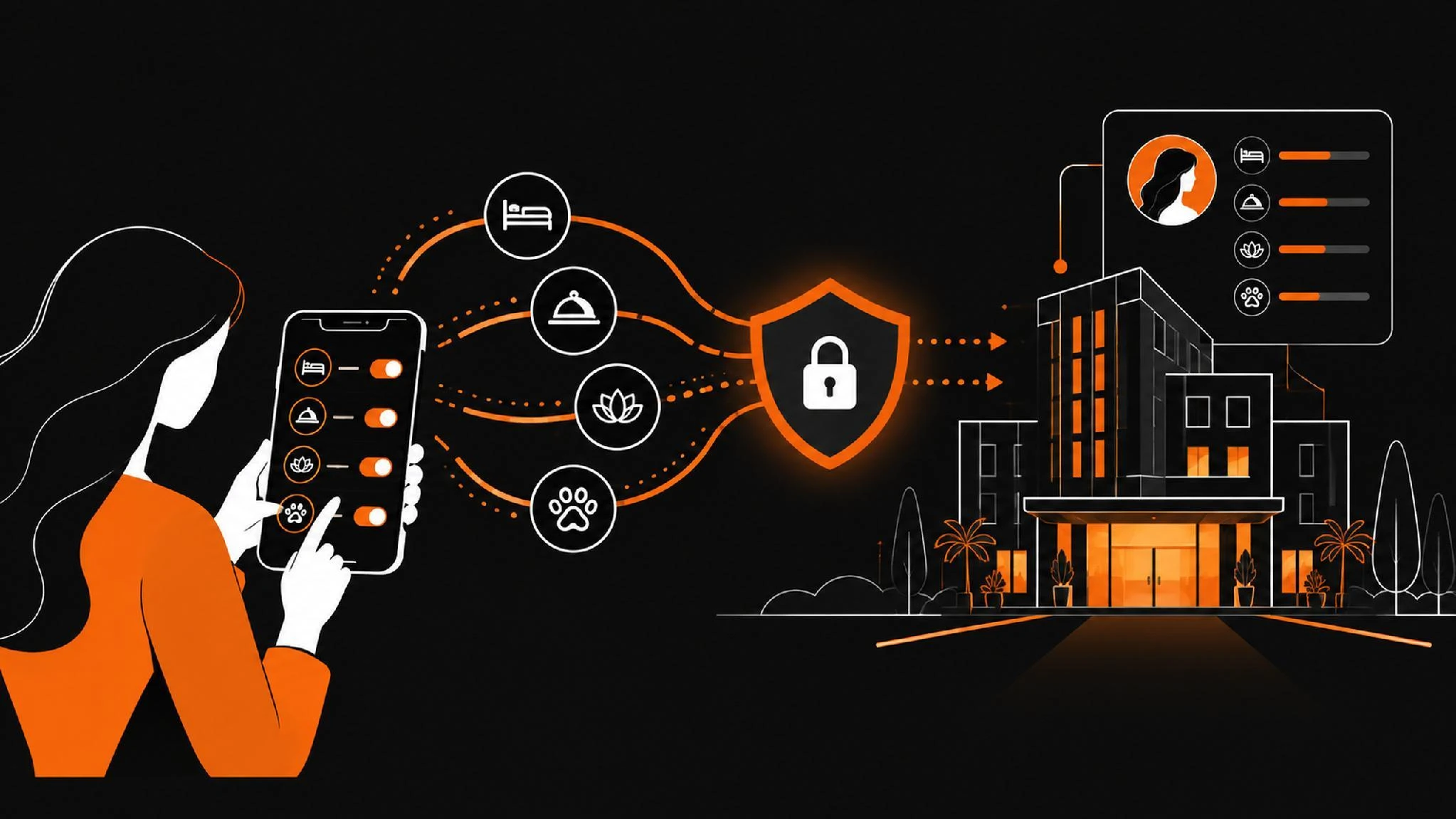
This information must be used to hyper-personalize the guest experience. If mobile data indicates a guest frequently orders a specific brand of sparkling water via room service, the hotel can ensure that beverage is ready-chilled in the minibar upon their return visit. This personalized, data-driven level of service resonates deeply with customers and significantly improves their likelihood of leaving a glowing online review.
For smaller hotels and independent chains, cloud computing platforms and modern Booking Engines can handle the technical complexities of data capture for a low, flat monthly cost. This technology investment strengthens guest loyalty, incentivizes return customers, and improves the revenue generated from ancillary hotel services.
Strategic Tactics To Improve Mobile Conversion Rates
A well-optimized mobile booking process significantly boosts your revenue and provides a massive competitive edge over properties relying on outdated technology. Here is exactly how to improve your mobile conversion metrics.
1. Implement Clear And Persistent Call To Actions (CTAs)
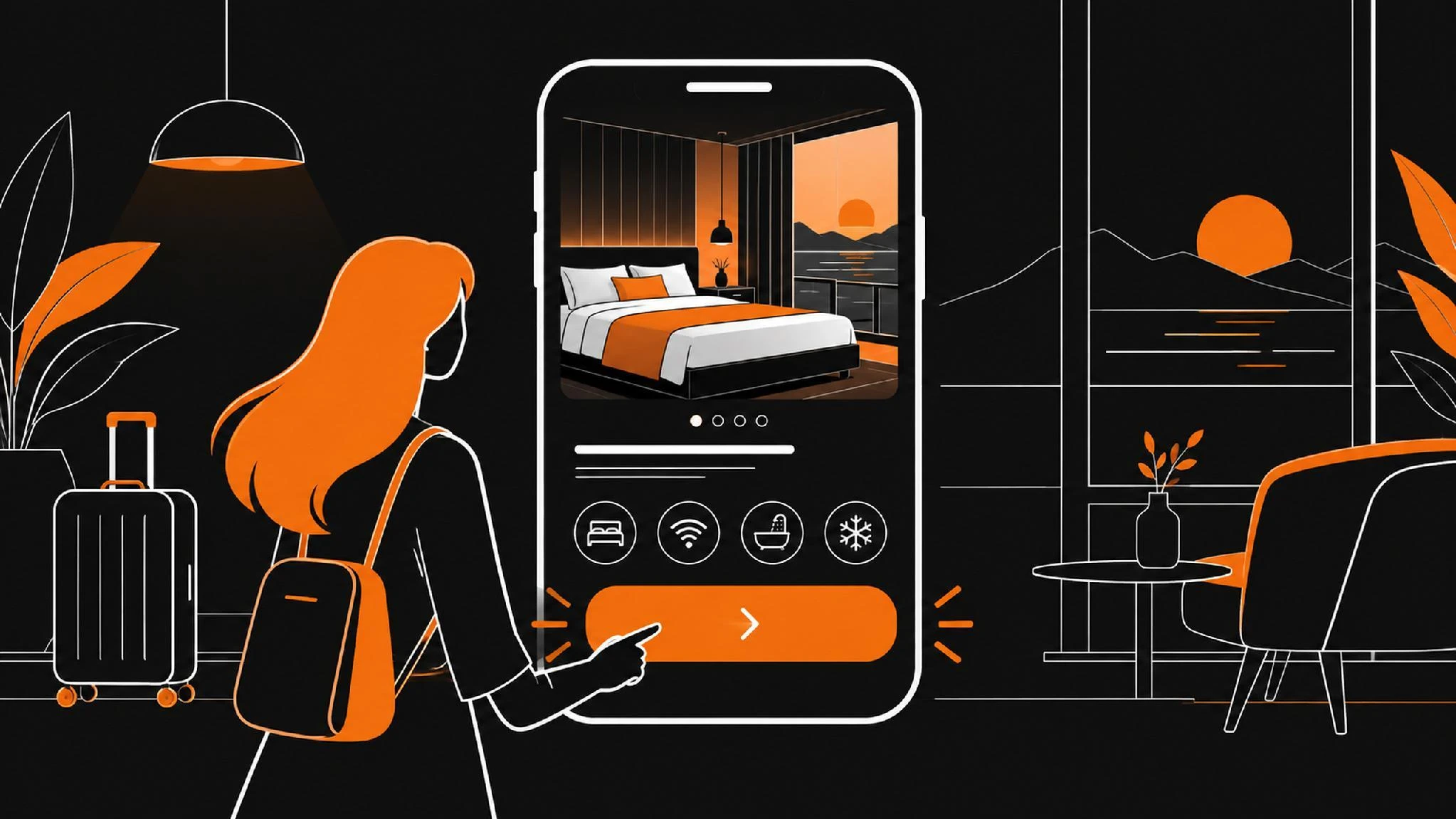
Your primary Call-To-Action (CTA) buttons—such as “Book Now” or “Check Availability”—must be prominently displayed and incredibly easy to find. On a mobile interface, it is highly recommended to use a “sticky” booking button that remains locked to the bottom of the smartphone screen as the user scrolls through the property photos. A persistent, highly visible CTA effortlessly guides the user into the booking funnel at the exact moment they decide to purchase.
2. Streamline High Quality Visuals
Visuals play a crucial role in the mobile decision-making process. High-quality images, coupled with compelling, concise descriptions, paint an inviting picture of your hotel. However, these images must be aggressively compressed using modern formats like WebP. If oversized images cause the mobile browser to freeze during the crucial room-selection stage, the user will immediately abandon the transaction.
3. Deploy Abandoned Booking Automation
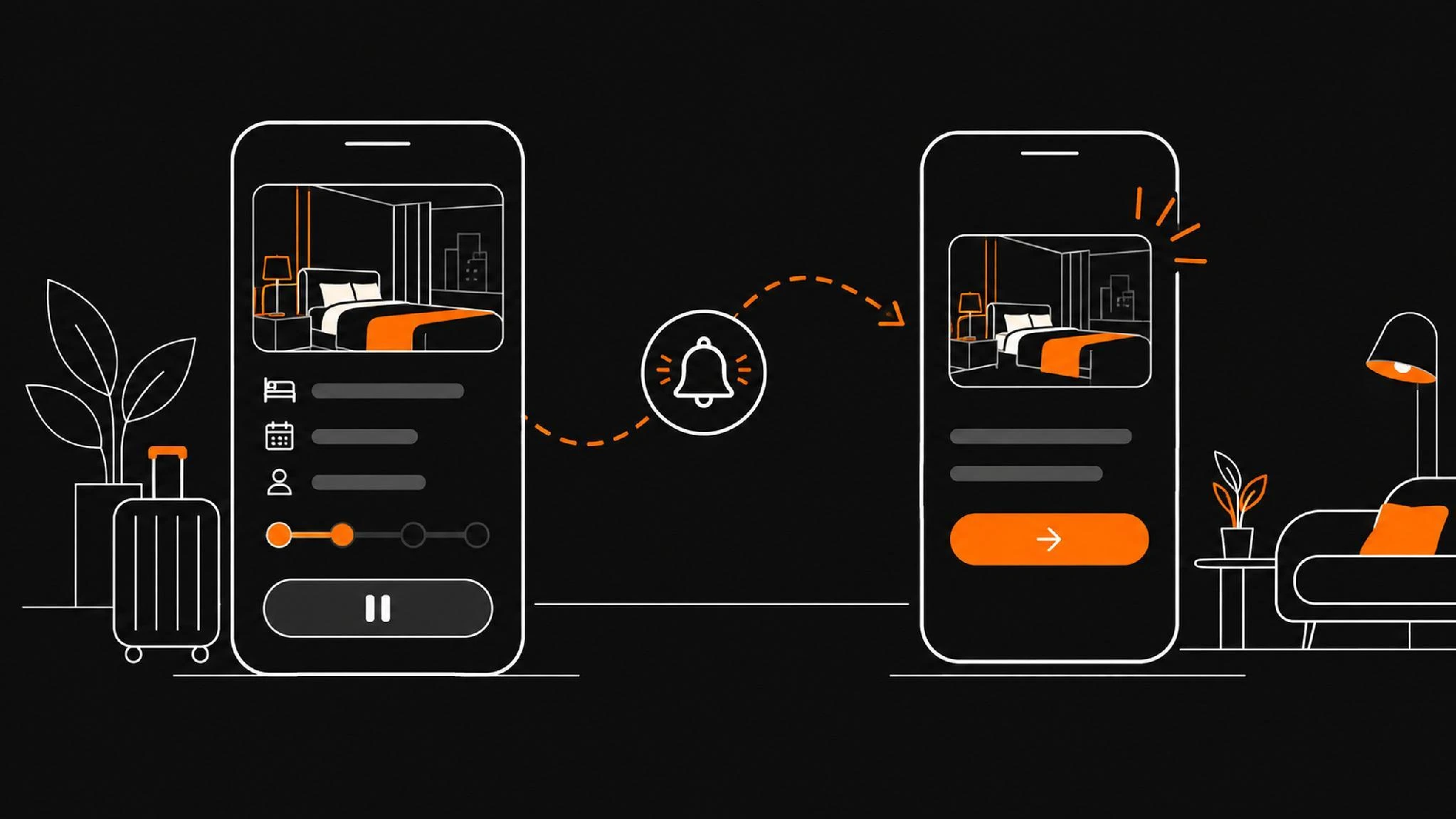
It is incredibly common for mobile users to abandon their bookings midway due to poor cellular reception or sudden real-world distractions. Elite mobile booking engines employ automated reminder systems to combat this specific issue. If a user enters their email address but fails to complete the payment, an automated email offering a subtle incentive (like a complimentary welcome drink) is sent one hour later to encourage completion. This tactic actively recaptures lost opportunities and significantly improves your overall mobile conversion rate.
4. Utilize Mobile Only Pricing Strategies
“Mobile-only price” refers to highly specific, discounted rates exclusively available to guests who book through a mobile device. These rates are often slightly lower than those offered on desktop platforms, serving as a powerful incentive to encourage immediate mobile conversions.
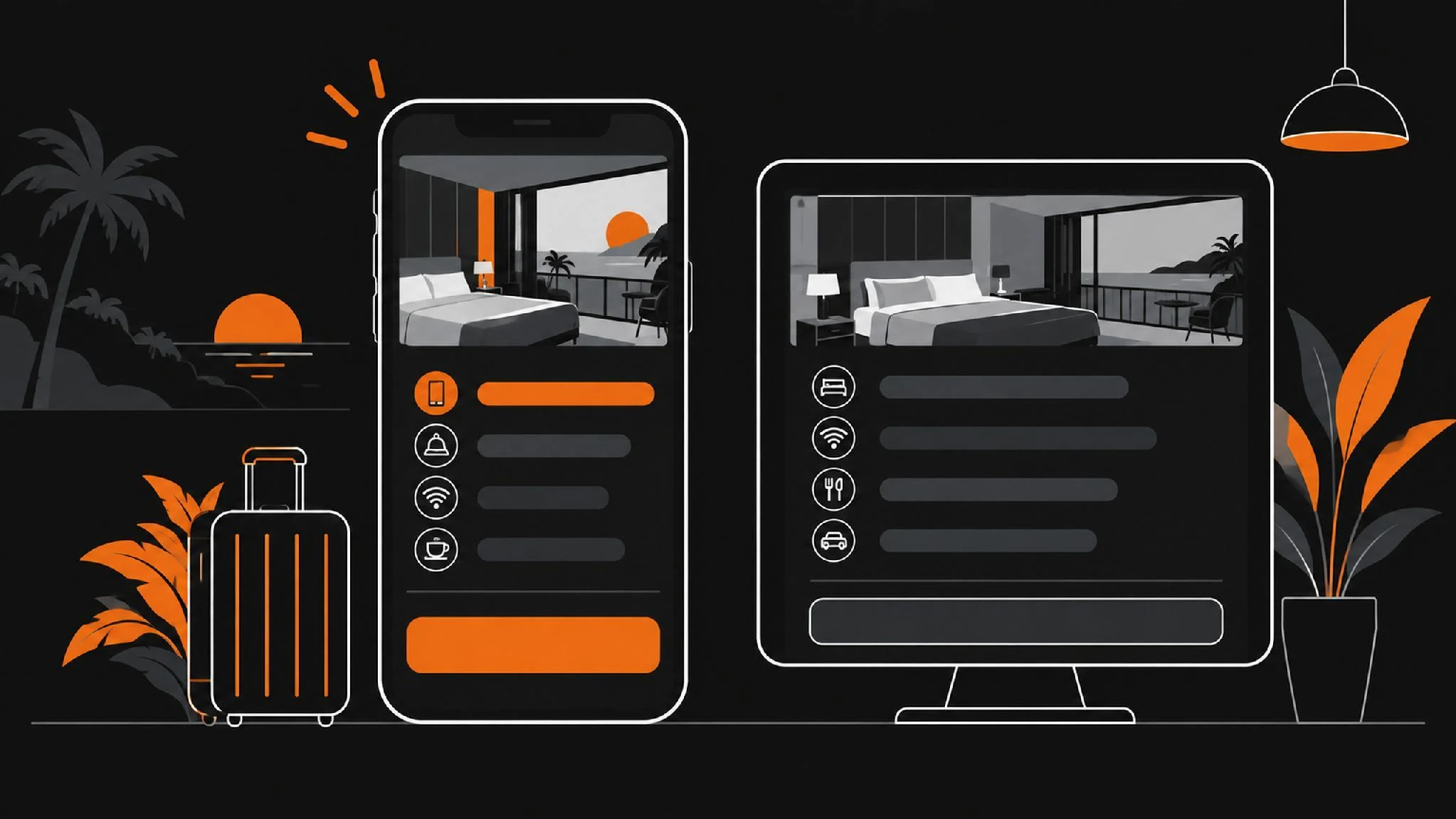
This strategy perfectly aligns with the industry’s shift towards a mobile-first approach. By offering a mobile-only price, you attract cost-conscious travelers who are comparing rates on OTAs while standing in an airport terminal. This allows hotels to increase their direct mobile conversion rates without broadly discounting their inventory across all traditional channels.
Conclusion
Mobile booking is the absolute baseline of modern hospitality distribution. As travelers increasingly rely on smartphones for high-intent, last-minute reservations, hotels must transition from “mobile-friendly” designs to true “mobile-first” architectures. By streamlining the checkout flow, integrating seamless digital wallets, deploying abandoned cart automation, and optimizing for Google’s mobile-first indexing, properties can significantly reduce booking friction and dramatically increase their direct revenue.
Ready to dominate the mobile landscape and capture high-intent travelers on the go? Engineering a flawless mobile booking experience requires technical precision and sophisticated digital marketing expertise.
Partner with the hospitality performance marketing professionals at ROI300 to audit your mobile user experience, automate your booking flow, and deploy highly targeted mobile SEO strategies. Contact ROI300 today to eliminate digital friction and transform your mobile traffic into a highly profitable, commission-free revenue stream.