


The global hospitality landscape is shifting rapidly, requiring asset operators to continuously refine their pricing architectures to survive. Mastering your underlying financial mechanics is essential for outperforming regional competitors and maximizing long term commercial asset valuation. This comprehensive guide will explore everything you need to know about hotel ADR, providing actionable strategies to elevate your pricing power and secure sustainable profitability today.
Unpacking The Definition Of Hotel Average Daily Rate
Understanding the baseline metrics of hospitality finance requires a deep dive into core operational terminology. Let us explore the fundamental components that shape this critical commercial performance indicator.
Core Fundamentals And Revenue Isolation
The metric known as hotel ADR represents the average rental income generated per paid occupied room during a specific measurement timeframe. This specific calculation serves as a direct mathematical reflection of a property’s pricing power and its overarching commercial appeal. Financial analysts rely heavily on this figure to accurately benchmark daily performance against historical data and immediate local market competitors. Tracking this number provides instant visibility into whether a property is successfully capturing high value demand or relying too heavily on massive discounts.

It is critically important to understand that this metric strictly isolates pure room revenue from all other ancillary income streams generated across the physical property. Financial reporting guidelines dictate that revenue from food and beverage purchases, luxury spa treatments, or daily parking fees must be completely excluded from this specific calculation. This strict isolation ensures that revenue managers can accurately assess the foundational health of the core accommodation business without any external data distortion. Maintaining absolute data purity is required for making highly sound and strategic inventory allocation decisions.
Furthermore, complimentary rooms or units occupied by internal hotel staff are rigorously removed from the equation to prevent severe mathematical inaccuracies. If a property provides ten free rooms to a visiting corporate familiarization trip, including those zero dollar rates would artificially collapse the daily average. By strictly measuring only the rooms that generate actual financial capital, operators gain a perfectly clear picture of their true market positioning. This level of precise financial tracking allows commercial teams to optimize their daily public rate structures with total confidence.
Differentiating From Other Performance Metrics
While the average daily rate is undeniably vital, evaluating it in a complete vacuum often leads to dangerously flawed commercial strategies. This specific metric strictly measures pricing efficiency but completely ignores the total volume of rooms actually sold on any given night. A luxury resort might boast an incredibly massive daily rate, but if its physical occupancy sits at a disastrously low level, the overall revenue strategy is fundamentally failing. Revenue managers must always balance their aggressive pricing aspirations with the absolute necessity of maintaining healthy baseline occupancy levels.
To solve this inherent limitation, the industry universally utilizes revenue per available room to unite pricing and volume into one holistic benchmark. This broader metric calculates the total room revenue divided by all physically available rooms, perfectly illustrating how efficiently the entire asset is being monetized. A property successfully increasing its average rate while simultaneously maintaining high occupancy will see massive and exponential growth in this combined performance indicator. Monitoring both figures concurrently allows asset operators to accurately evaluate the true financial impact of their daily pricing adjustments.
The Crucial Importance Of Pricing Power
Strategic pricing directly dictates the financial health and long term viability of any commercial accommodation asset. Consider the following insights regarding how rate optimization heavily influences broader property performance and valuation.
Impact On Net Operating Profit Margins
A robust pricing architecture is mathematically proven to be the absolute most efficient driver of gross operating profit within any lodging property. Increases in daily rates flow almost entirely directly to the bottom line, as they do not incur the heavy variable costs associated with cleaning additional guest rooms. Conversely, relying on excessively high occupancy at severely discounted rates heavily inflates internal operational expenses without generating meaningful profit. Hourly labor costs, daily linen wear, and massive utility usage rise aggressively alongside occupancy, rapidly deteriorating profit margins even if total top line revenue appears seemingly healthy.

Strategic pricing also provides a highly necessary financial buffer against macroeconomic inflation and rapidly rising global operational costs. The global hospitality industry currently faces immense pressure from ongoing supply chain disruptions and massive wage inflation. Properties possessing strong pricing power can seamlessly pass these increased operational costs onto consumers without sacrificing baseline consumer demand. This financial resilience is especially evident in the luxury segment, which consistently outperforms economy tiers during extended periods of high economic inflation.
Protecting these profit margins also requires a highly aggressive stance against expensive third party distribution networks. Relying heavily on external platforms incurs a massive OTA commission for every single reservation, completely eroding the net financial yield of the booking. Properties that successfully drive independent consumer demand can completely bypass these intermediaries, retaining a significantly larger percentage of the gross revenue. Managing these specific distribution costs is absolutely paramount for transforming strong top line revenue into highly tangible bottom line profits.
Brand Equity And Strategic Market Positioning
Public pricing strategies serve as incredibly powerful psychological signals to consumers regarding the overarching quality and exclusivity of a given property. Engaging in aggressive and desperate price wars to secure short term occupancy severely damages long term brand equity and broad consumer perception. When a premium property constantly discounts its inventory, it inadvertently trains prospective guests to wait for seasonal promotions rather than booking at fair retail value. Recovering from a heavily devalued market position can take several years, as the property will continuously attract highly price sensitive guests who traditionally spend very little on ancillary services.

Maintaining absolute rate integrity requires incredibly strict discipline across all public and private digital distribution channels. The industry practice of rate parity ensures that guests do not feel financially penalized for booking directly with the property rather than using an external aggregator. A highly coherent and consistent pricing architecture strongly reinforces the brand’s core value proposition and firmly justifies the asking price to the target demographic. Consumers are generally highly willing to pay premium rates when they perceive the experience to be completely authentic, reliable, and entirely exclusive.
Establishing The Hotel Average Daily Rate Formula
Accurate financial reporting heavily relies on standard mathematical equations utilized universally across the global accommodation sector. Here are the specific computational steps required to determine your property’s daily rate performance accurately.
The Standard Mathematical Equation
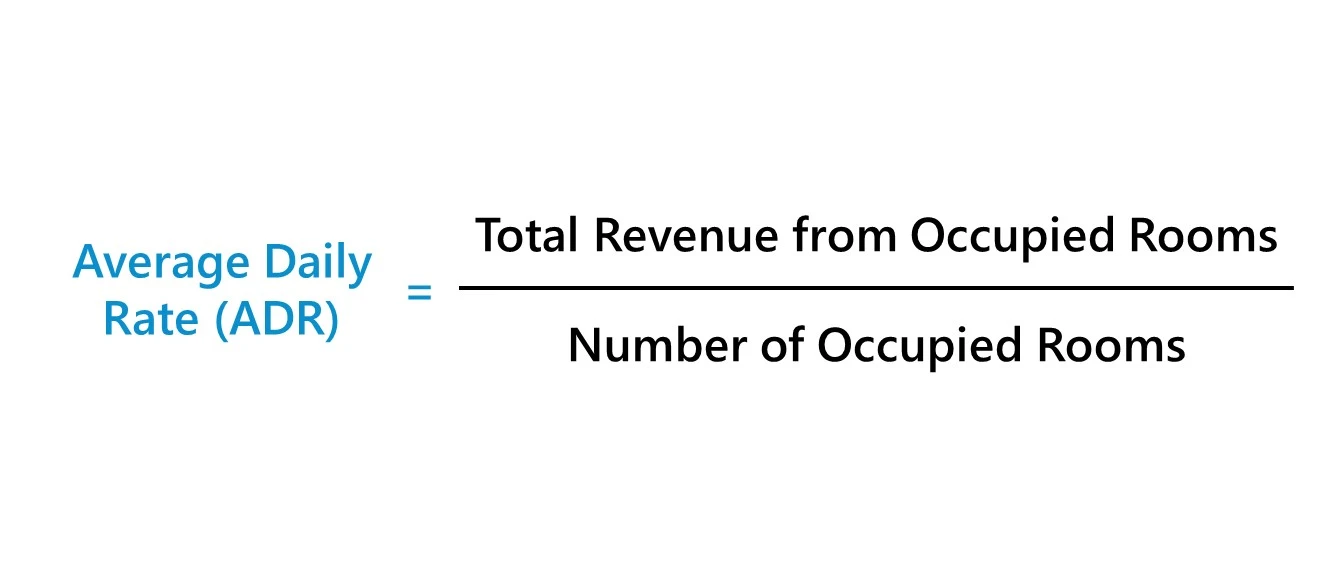
Calculating this vital metric requires a highly straightforward mathematical approach that allows for instant daily performance tracking. The standard operational formula simply divides total gross room revenue by the precise number of rooms actually sold to paying guests. For example, if a boutique property generates exactly $20,000 in room revenue from 100 occupied rooms, the resulting hotel ADR is exactly $200. This exact fundamental calculation can be seamlessly applied to daily, weekly, monthly, or annual timeframes to track massive seasonal macroeconomic pricing trends.
Revenue strategy teams heavily rely on automated property management systems to compute these figures in absolute real time. These highly advanced systems instantly aggregate thousands of individual folios, removing the severe risk of human mathematical error during the nightly audit process. Having instant access to this highly precise data allows operators to make incredibly agile pricing decisions for the upcoming operational week.
To fully understand how this specific metric interacts with broader property analytics, operators must review the complete ecosystem of financial formulas. The table below clearly outlines the core mathematical equations utilized by modern hospitality professionals to gauge total commercial success.
Table 1.1. Key Performance Indicators And Formulas
| Key Performance Indicator | Standard Mathematical Formula | Primary Commercial Purpose |
| Average Daily Rate | Total Room Revenue / Paid Rooms Sold | Measures absolute pricing power and rate efficiency |
| Occupancy Rate | Paid Rooms Sold / Total Available Rooms | Evaluates physical utilization of property inventory |
| Revenue Per Available Room | Average Daily Rate * Occupancy Rate | Balances pricing efficiency with total booking volume |
| Total Revenue Per Available Room | Total Property Revenue / Total Available Rooms | Measures holistic revenue including ancillary guest spending |
| Gross Operating Profit | Total Revenue – Total Operating Expenses | Determines true bottom line profitability and asset health |
Accounting For Anomalies And Complimentary Stays
Maintaining absolute data purity requires highly meticulous accounting practices regarding unusual room statuses and specific staff usage. Rooms that are physically out of order due to heavy maintenance or emergency renovations must be completely removed from the total available inventory count. Including these completely unsellable rooms in daily calculations artificially suppresses the occupancy rate and heavily distorts the broader revenue per available room metric. Property managers must strictly ensure their digital systems correctly categorize these specific maintenance holds to protect the integrity of the financial data.
Similarly, properties frequently host highly influential travel agents, global journalists, or internal corporate executives on completely complimentary stays. These specific zero dollar reservations must be entirely excluded from the rooms sold tally when calculating pricing efficiency. If a highly premium resort includes fifty complimentary promotional rooms in its daily audit, the mathematical average will violently crash, causing unnecessary internal panic. Highly sophisticated accounting software automatically filters out these specific promotional codes, ensuring the final reporting strictly reflects genuine market demand.
Advanced Methods To Calculate True Financial Yields
Basic mathematical formulas often obscure the true underlying profitability of complex third party global distribution networks. Below is an advanced methodology for computing true net financial yields and highly accurate channel profitability.
Computing Gross Versus Net Revenue Yields
Standard gross calculations frequently create a highly dangerous illusion of financial success by completely ignoring massive distribution expenses. A much more precise measurement of commercial health is the net daily rate, which specifically deducts all associated acquisition costs from the gross booking value. If a guest books a luxury suite for $500 through a major aggregator, the property does not actually retain that entire financial sum. Evaluating net rates enables commercial teams to instantly identify which specific distribution channels actually contribute the most tangible capital to the bottom line.
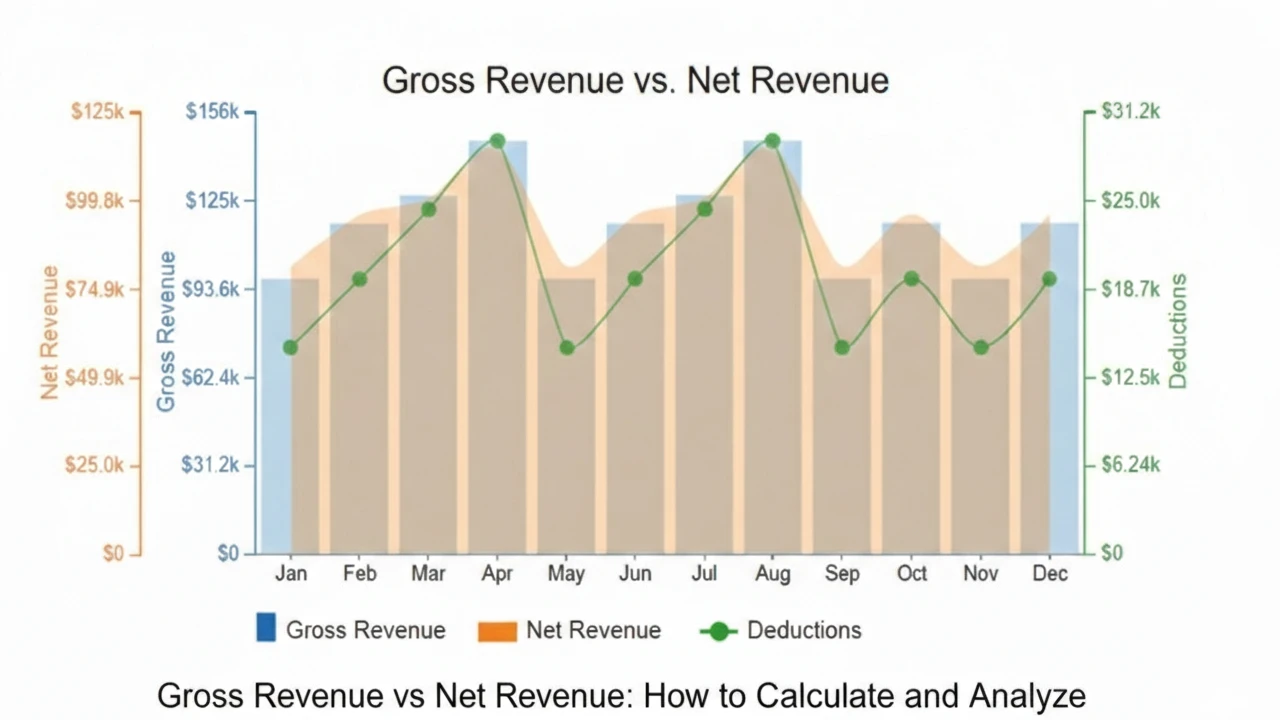
The primary destroyer of these net revenue yields is the incredibly high OTA commission demanded by massive global booking platforms. These highly aggressive external intermediaries typically charge a completely non negotiable fee ranging between 15% and 30% for every single transaction they process. As property managers successfully push for higher daily public rates, the absolute dollar amount paid to these intermediaries increases proportionally without any scaling efficiency. This highly linear expense structure means that a heavily elevated gross rate might actually yield significantly less actual profit than a slightly lower direct reservation.
To completely combat this severe margin erosion, revenue analysts must rigorously audit their daily channel production reports. By mathematically stripping away the OTA commission from the top line revenue, operators can clearly see the devastating financial impact of over relying on third party aggregators. This deep financial clarity allows properties to aggressively restrict discounted inventory on expensive platforms during highly compressed peak demand periods. Protecting the net yield is absolutely paramount for ensuring long term financial solvency in an era of rapidly rising operational costs.
Integrating Channel Acquisition Costs
Understanding the absolute true cost of customer acquisition is absolutely mandatory for executing a highly profitable modern distribution strategy. While third party aggregators provide highly essential global brand reach, their inherently transactional nature completely prevents the property from owning the guest relationship. Conversely, direct proprietary bookings incur a significantly lower blended marketing cost, typically hovering around an incredibly efficient 4% to 5%. This massive mathematical disparity heavily underscores the urgent financial need to shift booking volume away from expensive intermediary networks.
Transitioning guests toward proprietary channels requires a highly robust digital infrastructure and incredibly compelling direct booking incentives. Forward thinking hospitality brands frequently partner with experts like ROI300 to successfully develop high converting direct booking websites that completely bypass the heavy burden of an OTA commission. By heavily investing in highly targeted search engine optimization and specialized performance marketing, properties can seamlessly attract high intent travelers directly to their own platforms. This strategic digital shift not only drastically lowers acquisition costs but also allows the hotel to completely control the entire pre arrival guest experience.
The table below starkly contrasts the financial and operational realities of utilizing direct proprietary channels versus massive third party aggregators. These highly specific metrics clearly illustrate exactly why minimizing any OTA commission is the primary goal of elite global revenue managers.
Table 1.2. Distribution Channel Metrics
| Distribution Channel Metric | Third Party Intermediaries | Direct Proprietary Channels |
| Average Cost Of Acquisition | 15% to 30% per total booking | 4% to 5% blended marketing cost |
| Mathematical Cost Scaling | Strictly linear and highly inefficient | Compounding and highly cost effective |
| Long Term Guest Value | Transactional with very low retention | High potential for repeat brand loyalty |
| Average Cancellation Rate | Extremely high (often reaching 50%) | Considerably lower (averaging 18% to 20%) |
| Digital Guest Data Ownership | Heavily restricted by the platform | Full operational control and CRM access |
Primary Factors That Affect Room Rates
Consumer willingness to pay is continuously and heavily influenced by an incredibly complex web of internal and external variables. Examine these critical market dynamics that heavily dictate daily pricing elasticity and overall commercial demand.
Market Seasonality And Regional Demand Fluctuations
External supply and demand curves completely and absolutely dictate the broader pricing landscape within any given geographic tourism destination. Periods of extreme inventory compression, such as massive citywide technological conventions or major international sporting events, allow entire regional markets to implement aggressive premium pricing. During these highly specific peaks, properties can easily restrict all discounted rates and heavily maximize their revenue yields. Advanced algorithmic forecasting models track these highly lucrative local events meticulously to ensure properties do not accidentally sell out prematurely at deeply sub optimal rates.

Conversely, the sudden influx of massive new hotel developments can heavily dilute market demand, forcing existing properties to suppress their rates to maintain historical market share. When the sheer supply of available rooms massively outpaces organic traveler demand, properties frequently engage in highly destructive price wars to capture whatever volume remains. Navigating these incredibly difficult low demand seasons requires highly strategic promotions that add tangible value, such as complimentary breakfast, rather than simply slashing the public room rate. Understanding these deep macroeconomic cycles is absolutely essential for creating highly accurate annual financial budgets.
Guest Segmentation And Booking Lead Times
Deeply understanding the specific psychological motivations of distinct traveler demographics is incredibly crucial for optimizing daily rate structures. Corporate business travelers generally prioritize absolute convenience and location over price, making them significantly less price sensitive during highly compressed mid week periods. In extremely stark contrast, traditional leisure travelers are heavily budget conscious, frequently hunting for massive seasonal discounts and highly flexible weekend packages. By mathematically tailoring specific rate plans to these highly distinct segments, revenue managers can successfully capture the absolute highest price each individual guest is willing to pay.

The booking window, heavily defined as lead time, is another highly critical variable that mathematically shapes complex pricing decisions. Extensive data analysis consistently demonstrates a massive positive correlation between the final room rate and the specific booking lead time. Furthermore, structural changes to international travel policies can completely alter these historical booking patterns on a massive national scale. For example, Vietnam’s highly successful implementation of a 90 day electronic visa drastically extended the average length of stay to 4.5 days, allowing upscale properties to push rates significantly upward.
Proven Strategies To Increase Room Revenue
Revenue managers deploy highly sophisticated commercial tactics to continuously drive higher daily yields without sacrificing occupancy volume. We will detail the absolute most effective frameworks for maximizing your daily pricing power and overall asset profitability.
Implementing Dynamic And Open Pricing Models
The highly outdated era of utilizing static and rigid seasonal rates has completely and permanently concluded in the modern hospitality sector. High performing properties now exclusively utilize dynamic pricing strategies that mathematically adjust room rates in absolute real time based entirely on live market data. These incredibly sophisticated automated systems continuously analyze live competitor pricing, real time booking pace, and massive historical demand curves to instantly capture fleeting revenue opportunities. By constantly responding to these incredibly rapid market shifts, properties can seamlessly achieve much higher overall profitability without relying on dangerous human guesswork.
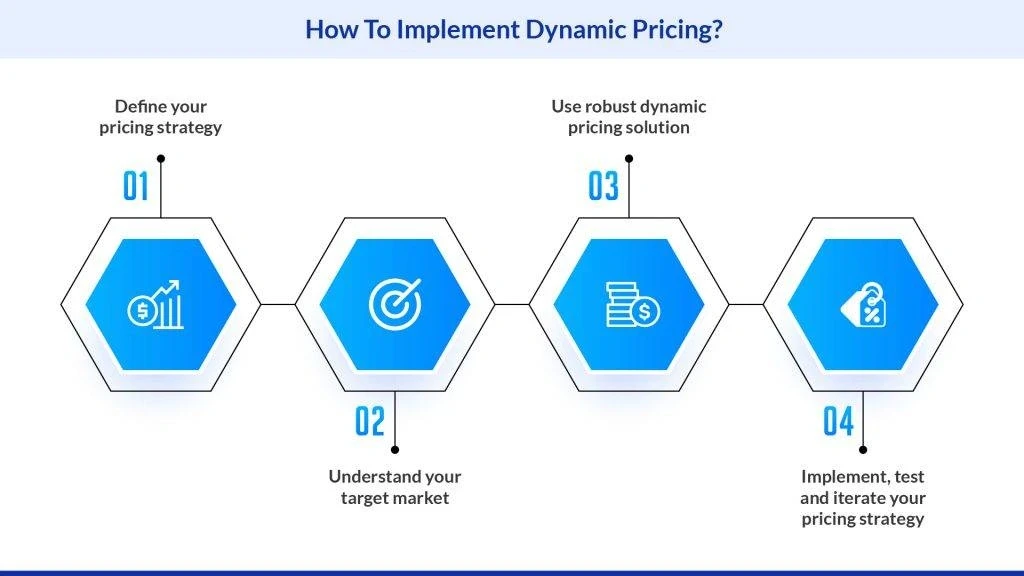
Open pricing represents the absolute most advanced evolution of this highly dynamic commercial philosophy. This incredibly precise strategy allows revenue leaders to independently adjust rates for completely different room types, specific distribution channels, and targeted guest segments simultaneously. Instead of closing out a heavily discounted channel entirely during a busy period, an open pricing model simply raises that specific channel’s rate until it mathematically makes financial sense. This level of extreme surgical precision prevents the unnecessary loss of any potential bookings while rigorously protecting the property’s overall hotel ADR.
When integrated perfectly with a property management system, these tools automatically implement the absolute most profitable rates across all global platforms. This seamless digital integration ensures total public rate parity while instantly reacting to massive micro surges in local demand. Implementing these highly complex automated models is entirely essential for properties aiming to completely bypass the heavy burden of a manual OTA commission strategy.
Leveraging Psychological Pricing Principles
Human consumer behavior is incredibly heavily influenced by deep cognitive biases and the highly specific visual framing of numeric values. Psychological pricing, specifically known as charm pricing, involves strategically setting public rates just barely below a whole round number, such as $199 instead of exactly $200. This highly subtle visual adjustment makes the price appear significantly and artificially lower to the consumer, driving much higher digital conversion rates. Revenue managers successfully deploy these deeply behavioral tactics daily to effortlessly bypass heavy psychological consumer spending thresholds.
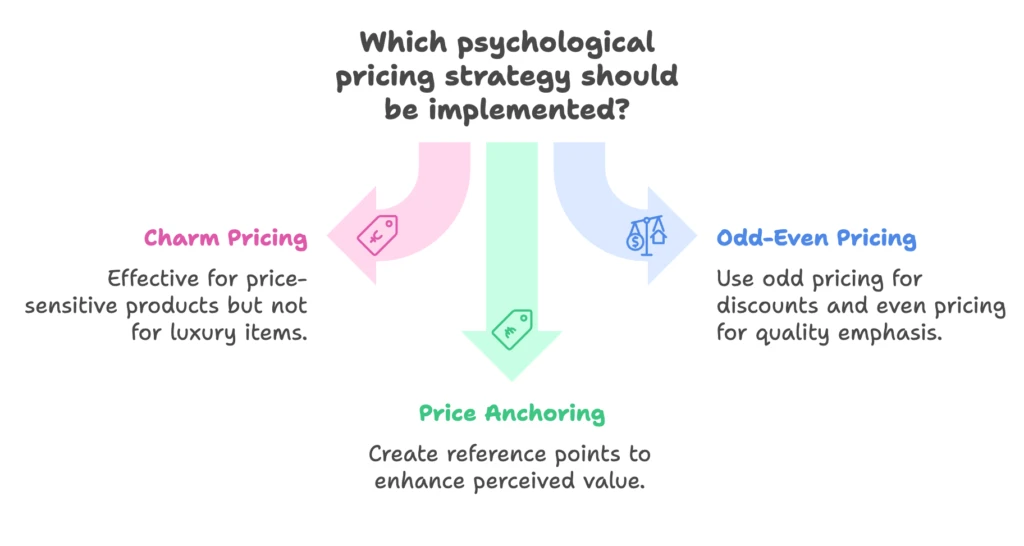
Anchoring and aggressive digital scarcity cues are equally and incredibly effective psychological tools for driving highly immediate and impulsive booking decisions. Displaying a massively high initial price that is visually crossed out directly next to a lower current rate creates a deep mental anchor. This specific framing tactic makes the current offer visually feel like an absolutely exceptional financial value, instantly accelerating the consumer purchasing timeline. Furthermore, messaging that explicitly highlights severely limited inventory instantly triggers intense urgency and massive fear of missing out.
Mastering Upselling And Ancillary Cross-Selling
Upselling represents a highly lucrative and incredibly low risk avenue for instantly increasing the average transaction value post booking. Converting a highly standard room reservation into a premium luxury suite upgrade yields massive profit margins ranging violently between 80% and 90%. This specific strategy is incredibly mathematically powerful because it directly increases the published room rate without requiring any additional external marketing expenditure. Successful global upselling strategies heavily utilize automated pre arrival emails that present highly tailored upgrade options based on deep guest segmentation data.

Cross-selling heavily complementary on property services further massively expands the total revenue footprint of each highly individual reservation. Strategically bundling luxury accommodation with exclusive dining credits, VIP private airport transfers, or highly curated local experiential tours significantly enhances the perceived value of the stay. This highly specific tactical approach allows properties to effectively raise the overall package price without explicitly inflating the highly scrutinized public room rate. Properly executed cross-selling not only massively elevates the property’s financial yield but also fosters a much deeper and highly emotionally engaging guest experience.
Optimizing Digital Reputation And Local SEO
There is a highly quantified and mathematically proven direct correlation between digital reputation scores and extreme commercial pricing power. Academic research rigorously conducted by Cornell University powerfully demonstrates that a one point increase in a 100 point global review index allows a property to raise prices by 0.89%. Highly positive online reviews heavily shape prospective consumer perception, fundamentally altering their internal willingness to pay a massive premium for guaranteed quality. Properties possessing truly superior digital reputations consistently and effortlessly achieve a significantly higher hotel ADR than lower rated competitors located in the exact same geographic cluster.

Visibility in highly localized search engine results serves as the primary digital gateway for capturing massive volumes of high intent travel demand. Modern travelers increasingly and heavily rely on mapped local search results rather than exclusively browsing traditional online travel agencies. To completely dominate these critical local search results and systematically improve digital review scores, properties consistently trust the expert online reputation management services provided by ROI300. Securing prime placement in highly organic search results drastically lowers customer acquisition costs while driving incredibly profitable and commission free direct traffic.
Tracking Key Performance Indicators For Success
Measuring true commercial success requires a highly holistic and deeply analytical evaluation of several interconnected financial data points. Keep in mind the following vital benchmarks when evaluating the absolute effectiveness of your overarching revenue strategy.
Revenue Per Available Room And Occupancy Benchmarks
While average daily rates provide excellent mathematical insight into pricing efficiency, they must absolutely always be analyzed in strict conjunction with total booking volume. The occupancy rate perfectly illustrates the property’s sheer ability to attract high volume, but prioritizing occupancy over rate frequently leads to massive operational margin destruction. A property operating at 100% capacity with severely suppressed rates will experience massive physical wear and tear while generating incredibly minimal actual profit. Balancing this highly complex relationship between rate and volume simultaneously is the absolute core daily objective of elite inventory management.
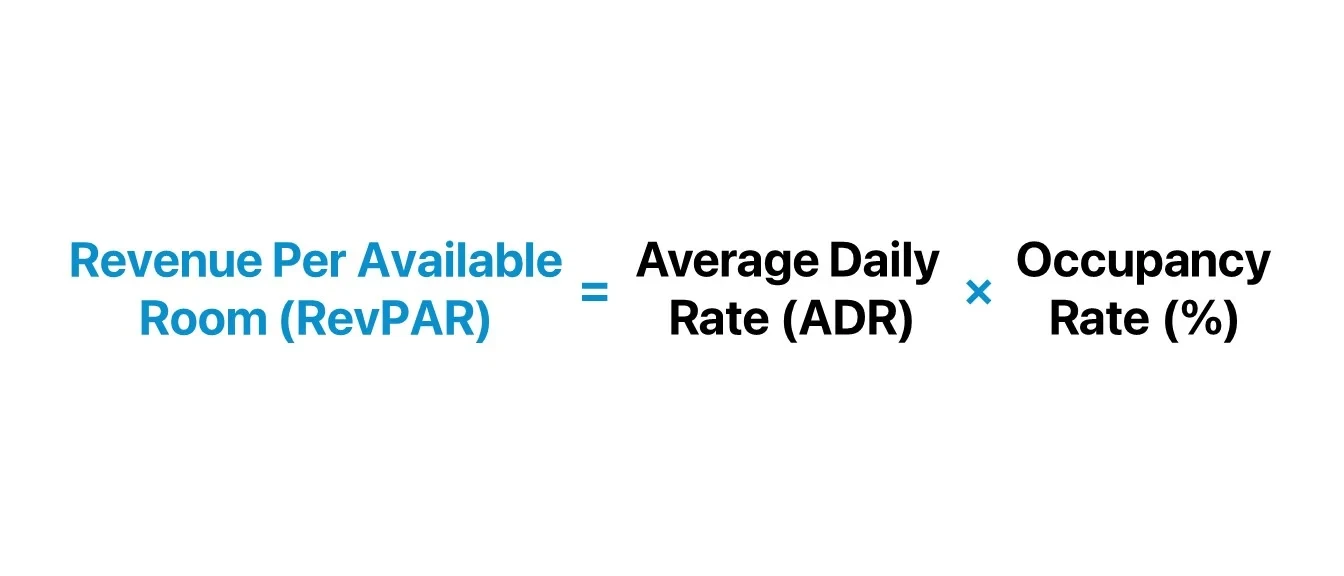
Revenue per available room completely and successfully unites these two critical opposing metrics into one single and highly comprehensive financial benchmark. This specific metric provides an incredibly crystal clear snapshot of exactly how efficiently a property is monetizing its entire physical real estate footprint. If a commercial team decides to slightly lower their public rate to massively stimulate off season demand, tracking this combined metric instantly reveals if the strategy was mathematically successful. Monitoring these benchmarks allows highly agile asset operators to accurately evaluate the true financial impact of their completely dynamic pricing adjustments.
Shifting Focus Toward Total Revenue Generation
Modern global hospitality economics fiercely demand a massive cultural shift away from basic room centric analysis toward total property revenue generation. Total revenue per available room captures absolutely all income streams, completely including fine dining venues, massive convention spaces, and highly lucrative luxury recreational facilities. This much broader and highly holistic perspective beautifully highlights the full commercial financial value of entirely different guest demographic segments. A massive corporate incentive group might aggressively negotiate a heavily discounted room rate but mathematically compensate by generating massive and incredibly high margin catering and event space revenue.
Ultimately, massive top line revenue generation must be carefully weighed against the heavy operational costs deeply required to actually service the incoming guests. Gross operating profit per available room specifically and mathematically factors in all variable expenses, perfectly revealing whether higher top line revenues are actually translating into tangible bottom line profits. Analyzing this highly specific metric helps commercial operators immediately identify highly inefficient revenue streams that mathematically cost more to operate than they actually generate. Prioritizing gross operating profit absolutely ensures that daily commercial strategies align perfectly and directly with long term financial sustainability and total asset valuation.
Evaluating Geographic Market Dynamics And Legal Shifts
International regulatory changes and massive regional development pipelines profoundly and instantly impact global distribution strategies. Let us review the macroeconomic forces currently reshaping the fiercely competitive global hospitality landscape.
The Evolving Landscape Of Rate Parity Laws
The complex legal framework governing exactly how properties distribute their pricing has undergone a massive and industry altering transformation in recent years. In July 2024, the European Court of Justice officially confirmed that major online travel agencies must completely eliminate all rate parity obligations for properties operating within the European Economic Area. This monumental legal shift specifically targeted both narrow parity, which restricted direct proprietary website pricing, and wide parity, which heavily restricted pricing on competing distribution platforms. This massive legislative victory legally restored complete pricing freedom to independent properties operating within those highly specific jurisdictions.
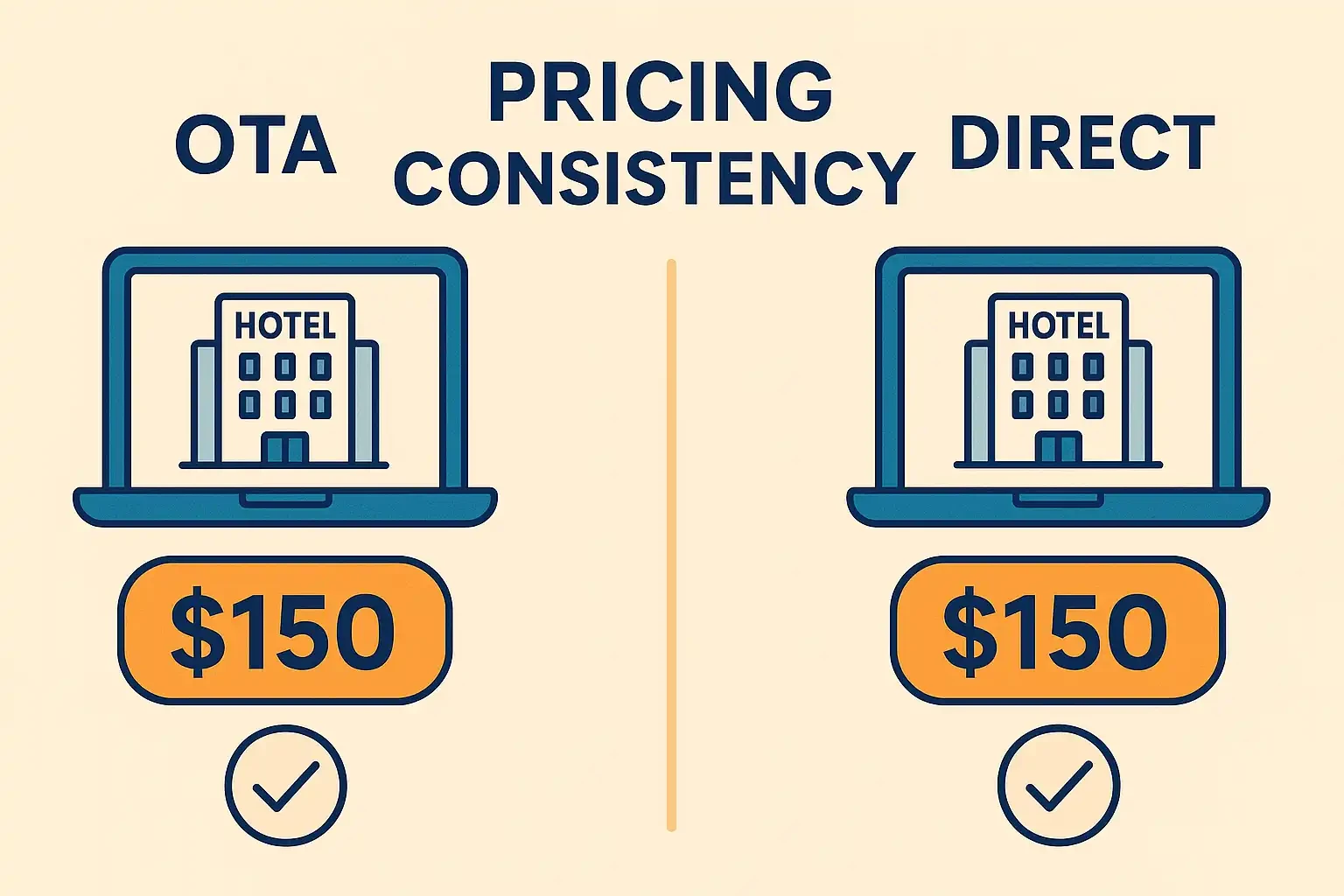
The permanent removal of these highly restrictive clauses directly and massively impacts a property’s ability to manipulate its hotel ADR on a completely daily basis. Revenue managers operating in these regions can now legally offer heavily discounted rates on their proprietary booking engines without facing any punitive action or loss of visibility. This newly restored commercial freedom allows for highly aggressive and massive direct acquisition campaigns designed specifically to steal market share back from the expensive intermediaries. Properties must now balance this extreme freedom carefully, heavily ensuring they maximize their own direct channels while absolutely avoiding the massive burden of a strict OTA commission.
Other highly lucrative global markets, completely including North America and rapidly expanding parts of Southeast Asia, are currently heavily assessing similar legal and regulatory reforms. Commercial strategy teams must actively and continuously monitor these changing global legal frameworks to capitalize instantly on new pricing opportunities the absolute moment they become legally viable. The unprecedented ability to legally undercut massive third party platforms creates an immediate and highly lucrative opportunity to lower customer acquisition costs. Staying completely ahead of these global legal trends is now a strictly fundamental requirement for flawlessly executing a modern and highly profitable pricing strategy.
Southeast Asian Tourism Growth And Investment
The massive Asia Pacific region is currently experiencing a profoundly structural and highly lucrative shift in international tourism demand and heavy hospitality investment. Following a slightly delayed post pandemic recovery, rapidly emerging global markets like Japan and Vietnam are now leading absolutely all global performance metrics. For instance, Vietnam recently witnessed a staggering 14% year over year climb in national occupancy rates alongside a highly profitable 5% increase in average daily rates. This truly exceptional and massive growth is fueled directly by deeply relaxed global visa policies, massively expanded international air connectivity, and heavy government financial investment.

The rapid and unprecedented expansion of the domestic middle class in Southeast Asia also completely provides a highly robust foundation for consistent and highly profitable leisure demand. Vietnamese domestic travel recently reached a massive 130.6 million individual trips, acting as an incredibly massive stabilizing force against violent fluctuations in international long haul markets. This highly powerful dual engine of massive domestic and international demand has perfectly positioned the country as an incredibly attractive target for massive foreign direct investment. Capital inflows into the entire region are heavily expected to remain significantly elevated as massive institutional investors aggressively seek high yield luxury assets.
Table 1.3. Global Market Dynamics And Projections
| Global Geographic Region | 2026 RevPAR Projection | Key Market Dynamics And Macroeconomic Observations |
| United States Market | +0.9% projected growth | Heavily bifurcated market, very strong luxury demand, totally stagnant economy tier |
| Asia Pacific (16 Markets) | +3.6% projected growth | Strong commercial recovery, led heavily by Japan and Vietnam, highly modest supply increases |
| Vietnam (National) | Highest regional growth | 14% massive occupancy climb, driven heavily by domestic travel and highly relaxed visa policy |
| European Union Market | Stabilized financial growth | Elimination of rate parity laws, massive focus on highly profitable direct distribution |
| Middle East (UAE led) | Strong positive growth | Driven incredibly heavily by major global exhibitions, highly robust corporate MICE demand |
The Future Of Artificial Intelligence In Revenue Management
Technological advancement is rapidly and fundamentally transforming exactly how commercial teams forecast demand and dynamically allocate daily inventory. Note the upcoming massive digital trends expected to completely dominate the global industry by the end of the decade.
Machine Learning For Predictive Forecasting
The highly outdated era of executing manual daily rate adjustments entirely managed via highly fragmented and disconnected spreadsheets has officially and permanently concluded. Cutting edge revenue management systems now seamlessly and flawlessly integrate with core property management databases to completely automate end to end commercial operations. These highly advanced platforms heavily utilize deep machine learning to mathematically predict market conditions up to an incredible 24 months in advance. By completely automating massive routine data collection, these tools save individual revenue managers dozens of hours per month, totally freeing them to focus strictly on high level commercial strategy.
The absolute mathematical accuracy of these incredibly sophisticated AI driven forecasts vastly and consistently outperforms any traditional human intuition or historical guesswork. Advanced deep learning algorithms heavily incorporate absolutely massive real time variables, including local weather patterns, massive global flight search volumes, and incredibly subtle shifts in competitor rate hierarchies. This incredible computational capability allows properties to capture rapid and highly profitable micro surges in demand that a human analyst would highly likely miss entirely. Industry reports heavily suggest that AI powered forecasting mathematically improves overall demand prediction accuracy by approximately 20% compared to highly outdated legacy software models.
Table 1.4. Artificial Intelligence Integration Metrics
| Artificial Intelligence Integration Metric | Demonstrated Operational And Financial Impact |
| Total Revenue Generation | Estimated 17% massive increase compared to non adopters |
| Forecasting Mathematical Accuracy | Improved by approximately 20% over legacy models |
| Dynamic Pricing Automation | Drives a highly profitable 10% to 15% increase in average rates |
| Group Displacement Analysis | Yields an incredible 19% absolute uplift in total group revenue |
| Industry Adoption Rate | 86.1% of global hoteliers now deeply rely on AI for analytics |
Hyper-Personalization And Automated Rate Adjustments
Looking aggressively and strategically toward the year 2030, the entire global hospitality sector will rapidly transition toward entirely individualized and highly personalized pricing models. Rather than relying on highly rigid and completely pre defined market segments, generative AI will perfectly allow hotels to instantly construct completely unique price points. This deep personalization will be based entirely on a specific guest’s deeply calculated historical lifetime financial value and current behavioral indicators. A highly loyal guest who routinely spends heavily on expensive luxury spa services may be automatically offered a significantly lower room rate to absolutely guarantee their highly profitable booking.
This massive and highly lucrative shift toward total revenue personalization heavily requires breaking down traditional operational silos completely within the physical property. Marketing, direct sales, and all food service departments must completely and flawlessly share a unified data ecosystem to mathematically score guest profitability accurately. Implementing these massively complex integrated systems completely remains a primary operational challenge for independent asset operators entirely lacking massive enterprise level IT budgets. Implementing these sophisticated hospitality technology solutions is made absolutely seamless by consulting with the dedicated performance marketing experts at ROI300.
Conclusion
Mastering the incredible complexities of hotel ADR optimization is the defining financial challenge for modern hospitality professionals. Sustainable commercial success requires a strategic balance of dynamic pricing algorithms, rigorous distribution channel management, and an unrelenting focus on total net profitability. By leveraging advanced artificial intelligence to perfectly forecast demand and expertly applying deep psychological pricing tactics, elite properties consistently achieve massive premium rates. Ultimately, the primary goal is not merely to fill empty rooms, but to attract the most profitable guests while completely avoiding the margin destruction caused by excessive OTA commissions.
Ready to elevate your pricing strategy and dominate your local market? Properties that fail to instantly modernize their digital revenue management systems or drastically reduce their heavy dependence on third party digital aggregators will face severe irreversible margin compression. Take control of your direct digital revenue today by investing in highly robust digital infrastructure and conversion focused proprietary websites. Partner with the hospitality digital marketing specialists at ROI300 to implement advanced SEO and analytical content methodologies that secure your global market share and maximize your bottom line.