

The digital distribution landscape is tightening its grip on hotel profit margins, forcing operators to urgently reconsider how they acquire guests. As intermediary fees climb and artificial intelligence reshapes search behavior, navigating these complex platforms is vital for survival. Discover the exact strategies required to minimize your OTA commission costs, reclaim your guest data, and build a highly profitable direct booking ecosystem.
Understanding The Fundamentals Of Third Party Distribution
The digital distribution landscape is shifting rapidly as intermediaries consolidate their market power globally. Here are the core conceptual elements every hotelier must thoroughly grasp to survive this ongoing transition.
What Exactly Are Online Travel Agencies In The Modern Era
Online travel agencies have completely transformed from simple digital directories into global technology conglomerates that dominate internet search results. These powerful entities act as ubiquitous digital storefronts, allowing travelers to instantly compare thousands of vastly different accommodations on a single screen. They provide a critical service for independent properties that lack the financial resources to aggressively market themselves on a global scale. However, this unmatched global visibility is entirely funded by capital extracted directly from the participating hotel partners.
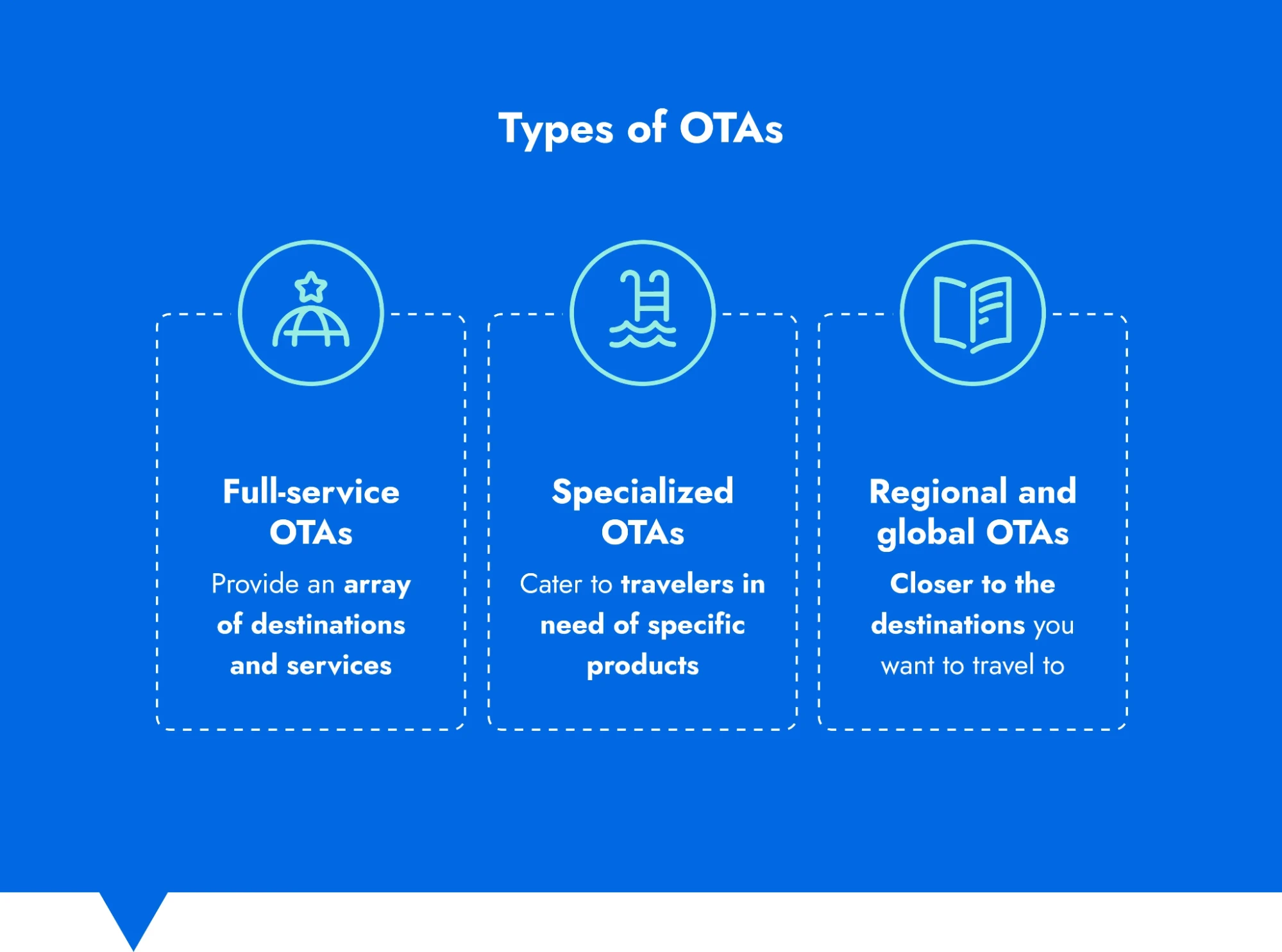
The sheer financial scale of these digital platforms is truly staggering when examining their quarterly corporate marketing expenditures. For instance, the Expedia Group officially spent 1.65 billion dollars in the first quarter of 2024 alone strictly on digital advertising. This financial outlay guarantees that their proprietary website links consistently appear at the absolute top of every consumer search query. Consequently, independent hotels are effectively forced to participate in this costly ecosystem simply to remain visible to the modern traveling public.
Despite the heavy financial burden, these massive platforms remain essential tools for vacation rental hosts and hotel managers looking to reach a wider global audience. They effortlessly handle highly complex aspects of digital marketing, multilingual customer support, and global reputation management. Without leveraging this digital reach, property managers would need to spend unsustainably heavy amounts on direct marketing to achieve even remotely similar booking volumes.
The Core Mechanics Behind An OTA Commission
The foundational business model of these digital giants revolves almost entirely around the extraction of an OTA commission from every generated reservation. This specific financial fee is calculated as a strict percentage of the total booking cost directly absorbed by the hotel operator. The baseline percentage varies widely depending entirely on the specific platform, the geographic location of the property, and the chosen cancellation policy. Most major global platforms typically demand a baseline fee ranging anywhere from 15% to 30% for standard digital listings.
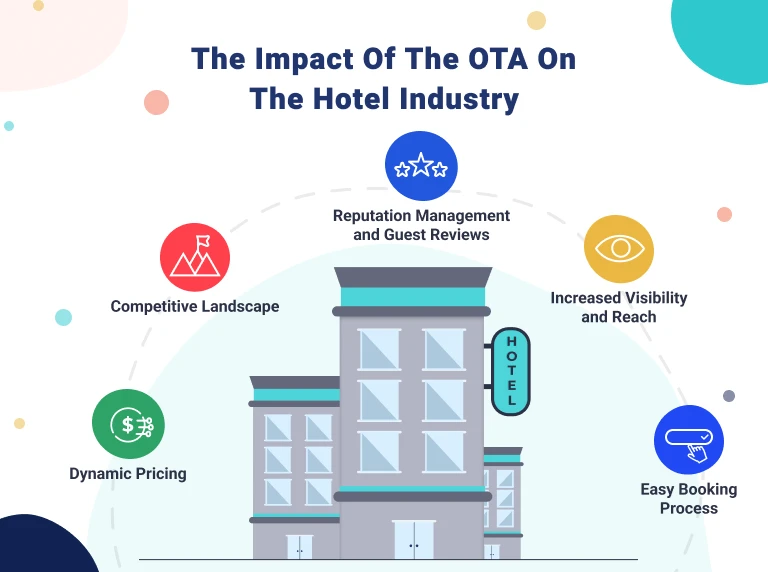
It is highly critical to understand that this percentage is frequently applied to much more than just the baseline nightly room rate. Some aggressive platforms actively charge this exact same percentage on labor intensive supplementary extras, such as daily breakfast inclusions or physical parking passes. For example, if a guest books a room costing 100 dollars per night with breakfast included, the platform extracts their percentage from the total bundled amount. This controversial practice artificially inflates the platform’s commissionable revenue base, extracting vital money intended to cover hard physical costs.
Furthermore, these fees are mathematically deducted long before the hotel calculates its own internal operating expenses or physical labor costs. The relentless upward trajectory of these standard percentages has created a systemic margin crisis across the entire global hospitality sector. Operators must meticulously calculate exactly how much physical revenue is permanently lost to these transactions to accurately assess their true financial health.
Why Hotels Continue To Rely On These Giant Global Platforms
Despite the incredibly steep financial costs, hotels remain heavily tethered to these digital platforms due to deeply ingrained consumer booking habits. Current statistical surveys explicitly confirm that a massive 72% of adult travelers in the United States heavily prefer to book their entire trips online. These modern consumers prioritize the extreme speed of digital planning, the effortless ease of price comparison, and the perceived security of corporate platforms. Attempting to completely bypass these platforms means willingly ignoring the vast majority of the active traveling public.
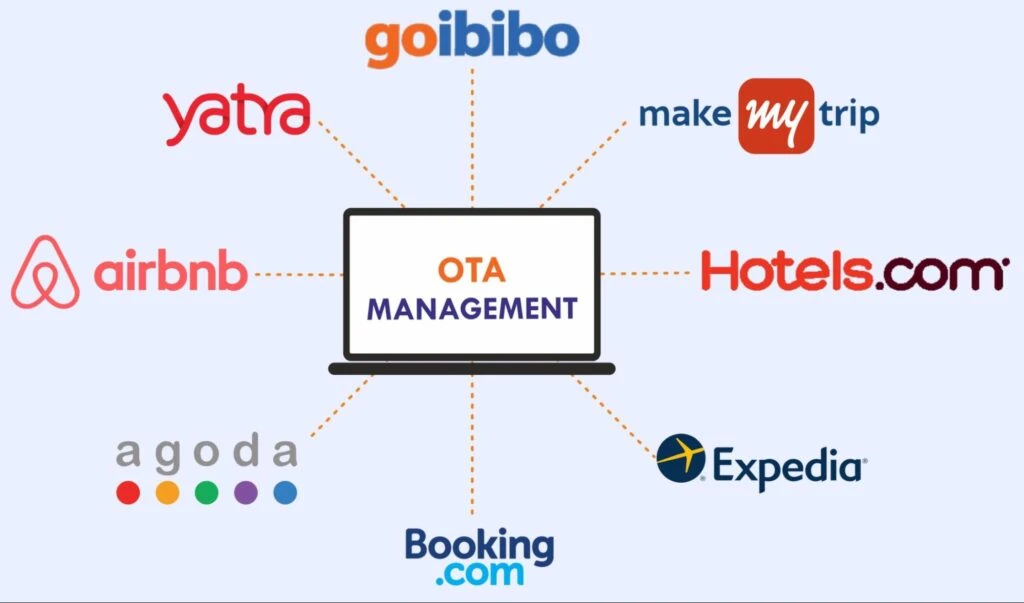
These giant intermediaries also provide immediate, highly verifiable social proof through their massive aggregated databases of authenticated guest reviews. Nearly 70% of modern travelers explicitly state that they find these aggregated platforms to be significantly more secure and convenient than booking directly on an unknown hotel website. This deep consumer trust is incredibly difficult for an independent boutique property to replicate organically without decades of flawless operational history. The platforms essentially rent their massive corporate credibility to the independent hotel for a highly variable fee.
Additionally, these platforms introduce completely new international guests to the property who would have never discovered the hotel otherwise. This initial digital introduction serves as the highly critical first step in the modern customer acquisition funnel. Savvy hoteliers willingly accept the high initial cost of this first reservation, viewing it strictly as a long term investment in future brand loyalty. The ultimate operational goal is to subsequently convert this first time visitor into a lifelong direct booker upon their actual physical arrival.
The Double Edged Sword Of The Billboard Effect
The highly documented billboard effect remains one of the most widely debated and financially significant phenomenons in modern hotel marketing strategy. This specific concept describes the surge in direct website reservations a hotel experiences simply by maintaining a highly visible listing on a major global aggregator. Highly respected academic research from Cornell University definitively confirms that 75% of consumers who finalize a reservation on a hotel’s proprietary website visited an aggregator immediately beforehand. The aggregator effectively functions as a massive unpaid digital billboard that builds initial consumer awareness.

Extensive data analysis from early foundational studies found that hotels actively listed on giant platforms experienced a 7.5% to 26% increase in non platform reservations. A later analytical study proved that for every single reservation a hotel receives through the platform, their proprietary website receives between three and nine direct bookings. This mathematical multiplier effect is the primary reason why completely abandoning third party platforms is often a disastrous corporate decision. The massive aggregator essentially pays entirely for the expensive digital advertising, while the highly optimized hotel pockets the final direct transaction.
However, successfully capitalizing on this complex psychological behavior requires an absolutely flawless direct booking digital infrastructure. If the potential guest leaves the aggregator and discovers a highly confusing, outdated, or slow proprietary hotel website, they will instantly return to the aggregator to complete the transaction. To fully harness this powerful effect, hotel operators must guarantee their digital presence is exceptionally easy to find, visually stunning, and highly competitive in terms of strict rate parity.
A Deep Dive Into Major Platform Pricing Models
Major platforms dominate the digital market with highly specific and entirely distinct financial frameworks. Let us explore the exact pricing structures of these massive industry giants in 2026.
How Much Do The Biggest Players Actually Charge
The digital marketplace is currently fractured into several distinct financial models, each carrying vastly different implications for physical hotel profitability. The vast majority of major global platforms rigidly maintain a baseline fee structure strictly between 15% and 30% per finalized booking. However, the exact mathematical mechanism for collecting this revenue varies significantly based on whether the platform operates as an agency, a merchant, or a hybrid entity. Understanding these deep mechanical differences is absolutely crucial for accurate annual revenue forecasting and effective cash flow management.
Table 1.1. Breakdown Of Major Platform Fee Structures
| OTA Platform Category | Typical Base Rate | Primary Operational Variables | Additional Imposed Fees |
| Booking.com | 10% to 25% | Property type, global location | VAT, optional marketing fees |
| Expedia Group | 15% to 30% | Brand status, strict geography | VAT, optional marketing fees |
| Airbnb | 15.5% | Standardized for software users | None explicitly stated |
| Vrbo | 8% Total | Specific listing type | 3% embedded payment processing |
This specific pricing table explicitly highlights the massive financial variance existing across the most popular global distribution channels. Properties must meticulously analyze these baseline figures while deeply understanding that participation in visibility programs will swiftly push the effective rate much higher.
The Agency Model Dominance Of Booking Com
Booking Holdings operates almost entirely on the traditional agency model, a strategic framework that has secured their massive dominance across the European continent. Under this specific operational structure, the platform acts merely as a digital storefront, seamlessly passing the guest’s highly sensitive payment details directly to the physical hotel. The physical property officially acts as the merchant of record, fully processing the actual financial transaction upon the guest’s physical arrival or departure. The platform subsequently issues a comprehensive monthly invoice demanding payment for all accumulated reservation fees.
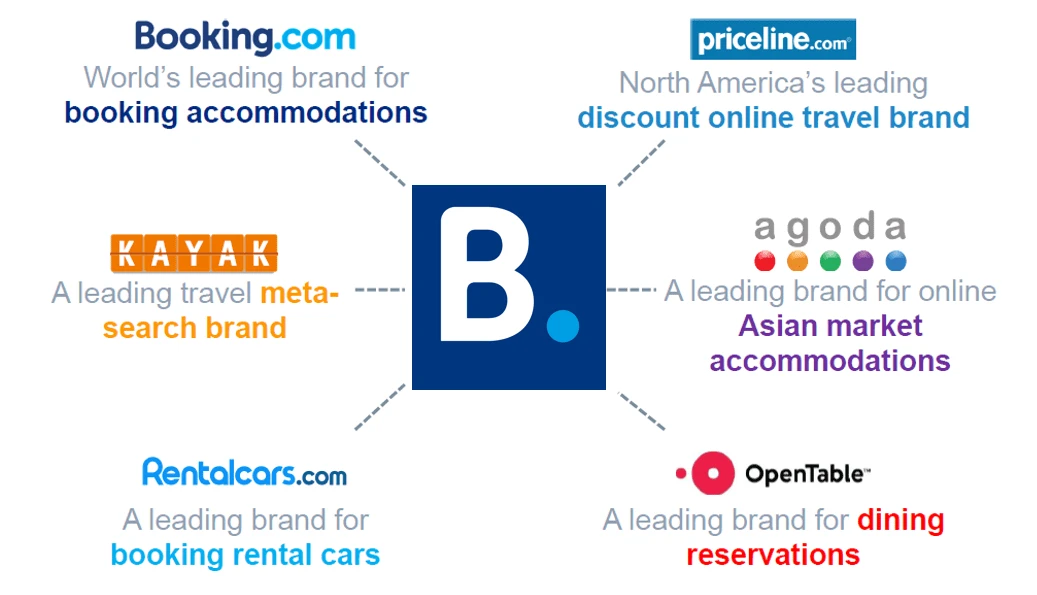
This model is incredibly popular among highly independent operators because it requires virtually zero massive upfront technological investments or complex corporate payment gateways. Statista recently conducted an analytical study revealing that Booking.com holds a staggering 69.3% market share within the highly lucrative European hotel industry. Their baseline OTA commission typically ranges strictly between 10% and 25%, heavily influenced by the property’s specific cancellation policies and localized regulatory pressures. In some highly regulated regions, immense political pressure is actively forcing the platform to artificially lower its maximum allowable rates.
Despite facing severe antitrust scrutiny, the company remains highly profitable. The platform reported an 8% year over year increase in global room nights during the second quarter of 2025, reaching an incredible 309 million total bookings. This continued massive success relies heavily on their intensely aggressive expansion of the Genius loyalty program, which effectively forces hotels to absorb deep discounts to remain algorithmically visible.
Expedia Group And The Complexities Of The Merchant Model
In stark contrast, the Expedia Group operates predominantly on the highly lucrative merchant model, fundamentally altering the entire cash flow dynamic for hotel partners. Utilizing this framework, the massive platform essentially acquires room inventory from the hotel at a deeply negotiated wholesale rate. The online travel agency explicitly acts as the official merchant of record, fully processing the consumer’s credit card payment at the exact moment of digital booking. The physical hotel is only financially compensated by the digital platform long after the guest has fully completed their physical stay.

This highly structured model provides the platform with absolute total control over the final consumer pricing strategy and complex promotional packaging. Because the platform effectively owns the digital rights to the room, they can effortlessly bundle the accommodation with airline tickets and rental cars to create highly opaque pricing. Current global surveys indicate that a massive 61% of travelers heavily prefer to utilize an online travel agency specifically when booking these complex bundled itineraries. However, this total pricing dominance frequently makes it incredibly difficult for independent hotels to maintain strict rate parity across the broader internet.
The effective financial cost of participating in Expedia’s merchant model typically ranges strictly from 15% to 30%, varying heavily by brand status and specific property size. The platform utilizes this massive profit margin to fund intensely aggressive global marketing campaigns and sophisticated technological acquisitions. Recently, Expedia has engineered a highly sophisticated business to business infrastructure expansion, actively capturing market share across the EMEA region by exploiting complex regulatory arbitrage.
The Standardization Of Airbnb Host Fees
Airbnb has historically disrupted the traditional lodging sector utilizing a highly unique split fee structure that distinctly divided costs between hosts and guests. However, the global landscape shifted dramatically entering 2026, with the platform standardizing a strict host only fee model across the vast majority of international markets. Under this newly updated framework, property managers and independent hosts are officially subjected to a mandatory 15.5% service fee. This strategic corporate alignment makes their overall pricing structure appear significantly more transparent to the end consumer during checkout.
This strict 15.5% financial deduction is heavily standardized for absolutely all professional hosts utilizing property management software to actively distribute their daily inventory. This definitive structural shift aligns the platform much more closely with traditional online travel agencies, fundamentally altering the competitive dynamics of the short term rental sector. Operators must now meticulously calculate their desired net revenue and artificially inflate their base rates to absorb this massive platform levy.
Despite the significantly increased financial burden placed upon operators, Airbnb remains an absolutely critical global distribution channel due to its intensely loyal user base. The platform’s recent aggressive expansion into curated and experience based travel has further solidified its massive digital ecosystem. Hoteliers aggressively entering the lucrative short term rental space must clearly understand that this 15.5% rate is typically a hard mathematical floor with virtually zero room for corporate negotiation.
Exploring The Split Fee Reality Of Vrbo
Vrbo continues to operate on a highly specific financial paradigm, primarily targeting massive whole home vacation rentals and lucrative family travel segments. The platform typically charges a highly predictable 8% total deduction per reservation, which is strictly broken down into two categorical fees. This financial structure consists of a strict baseline 5% commission combined seamlessly with a mandatory 3% digital payment processing fee. This payment structure is generally applied universally, though exact final figures can occasionally fluctuate based strictly on specific cancellation policies.
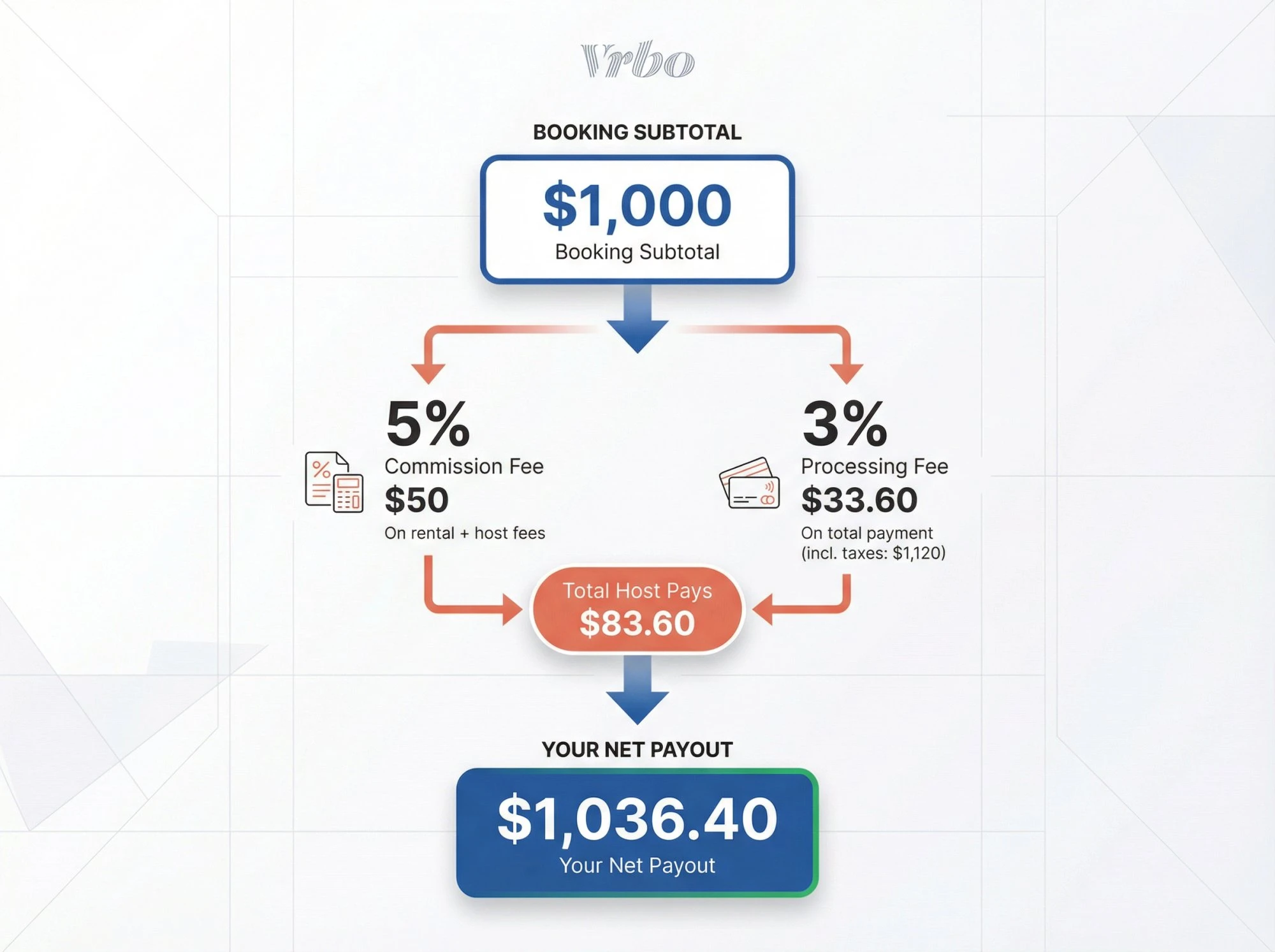
The 5% core platform fee is deducted directly and immediately from the final host payout, serving as direct financial compensation for the marketplace visibility provided. The accompanying 3% processing fee explicitly covers the highly secure digital handling of credit card transactions entirely within the platform’s proprietary payment gateway. At the final consumer checkout stage, these collective fees are either added directly to the nightly rate or displayed prominently as entirely separate service charges. Consequently, the absolute final financial total presented to the traveling guest is frequently much higher than the initial base rate configured by the host.
While an 8% total operational cost appears significantly lower than the 15% to 30% demanded by larger industry aggregators, the platform’s overall volume is often much more niche. Properties utilizing a standard pay per booking model on this platform must ensure their cancellation policies tightly align with the platform’s internal algorithmic preferences. High cancellation rates or frequently declined host inquiries will severely diminish a property’s overall visibility within the localized search results.
Agoda And The Aggressive Asian Market Dynamics
The Asia Pacific region presents a uniquely hyper competitive digital landscape dominated heavily by highly specialized regional giants like Agoda. This specific platform is widely known for demanding incredibly high operational margins, typically ranging strictly from 15% to 25%. This high mathematical percentage is highly dependent on the physical property’s active participation in deeply discounted preferred partner initiatives. Agoda leverages intensely aggressive discount stacking and highly localized promotional campaigns to efficiently capture extremely price sensitive consumers across Southeast Asia.

Hotels that stubbornly refuse to actively participate in these highly aggressive promotions often find themselves severely algorithmically suppressed. The platform’s massive regional dominance essentially forces independent properties to completely surrender portions of their gross revenue simply to maintain basic regional visibility. This intense financial pressure highlights exactly why properties must desperately seek alternative and lower cost acquisition channels to remain financially viable in this specific geographic region.
Smaller Niche Platforms And Their Lower Cost Appeals
Smaller and highly specialized niche online travel agencies occasionally offer significantly lower baseline rates, sometimes dipping as low as roughly 4% per finalized transaction. These highly targeted platforms often cater strictly to specific consumer demographics, such as eco friendly travelers, intense adventure seekers, or deep luxury connoisseurs. While the drastically reduced OTA commission appears incredibly attractive for bottom line profitability, hoteliers must carefully weigh the massive associated operational trade offs.
The primary massive drawback to utilizing these niche platforms is their significantly lower global visibility and severely limited international customer base. They entirely lack the billions in marketing capital required to actively compete with the dominant industry conglomerates on major search engines. Consequently, while the actual fee percentage is mathematically much lower, the total volume of generated reservations is often completely insufficient to sustain a large property’s required occupancy levels.
Exploring The Contrast Between Direct And Indirect Channels
Balancing third party platforms with owned digital assets remains a critical challenge for global operators. Consider the following insights regarding the deep economics of direct and indirect consumer acquisition strategies.
The Baseline Economics Of Direct Reservations
When evaluating the complex hotel distribution ecosystem, direct digital channels generally represent the absolute most cost effective method of customer acquisition globally. The total transactional expenses associated with a direct booking are typically limited strictly to standard payment gateway fees, which generally hover between 2% and 3%. In incredibly stark contrast, relying heavily on massive digital intermediaries forces properties to routinely forfeit anywhere up to 30% of the total booking value. This undeniable numerical discrepancy highlights exactly why aggressively driving traffic to proprietary websites remains an absolute urgent operational priority.

Deep academic research heavily indicates that indirect digital bookings are typically about twice as financially expensive as direct ones when accounting for all associated marketing costs. The average fully burdened cost of an indirect reservation sits at roughly 16%, while a highly optimized direct booking costs merely 8% to generate. By systematically reducing the incredibly high OTA commission paid out monthly, hotels can rapidly and massively increase their available liquid cash flow. This retained capital can then be heavily reinvested directly into the physical property, significantly elevating the ultimate guest experience.
Why Direct Guests Spend More On Property
Direct consumers are demonstrably much more financially valuable to the physical property once they actually cross the threshold of the lobby. Extensive statistical analysis clearly reveals that direct bookings reliably generate up to 60% higher total physical revenue per reservation compared directly to third party sources. These highly loyal direct guests are statistically far more likely to select premium high margin room categories during the initial digital booking process. Furthermore, they frequently extend their total physical length of stay and enthusiastically purchase highly lucrative ancillary services like spa treatments or expensive fine dining.
This massive disparity in physical on property spending is heavily driven by the deep psychological trust established exclusively through direct brand communication. When a guest books directly on the proprietary website, they feel a much stronger personal connection to the physical hotel brand rather than the massive tech aggregator. This highly positive psychological framing makes them significantly more highly receptive to personalized digital upsell offers presented immediately upon physical check in.
The Value Of Owning First Party Guest Data
In the highly competitive modern digital economy, owning first party consumer data is arguably just as financially valuable as the initial room revenue itself. Massive platforms deliberately and aggressively mask highly sensitive guest contact details, often providing the hotel with a completely generic and heavily encrypted email address. This highly restrictive practice entirely prevents the physical hotel from communicating meaningfully with the guest prior to their actual physical arrival. It also completely destroys the property’s ability to seamlessly enroll the guest into their own proprietary brand loyalty program post stay.
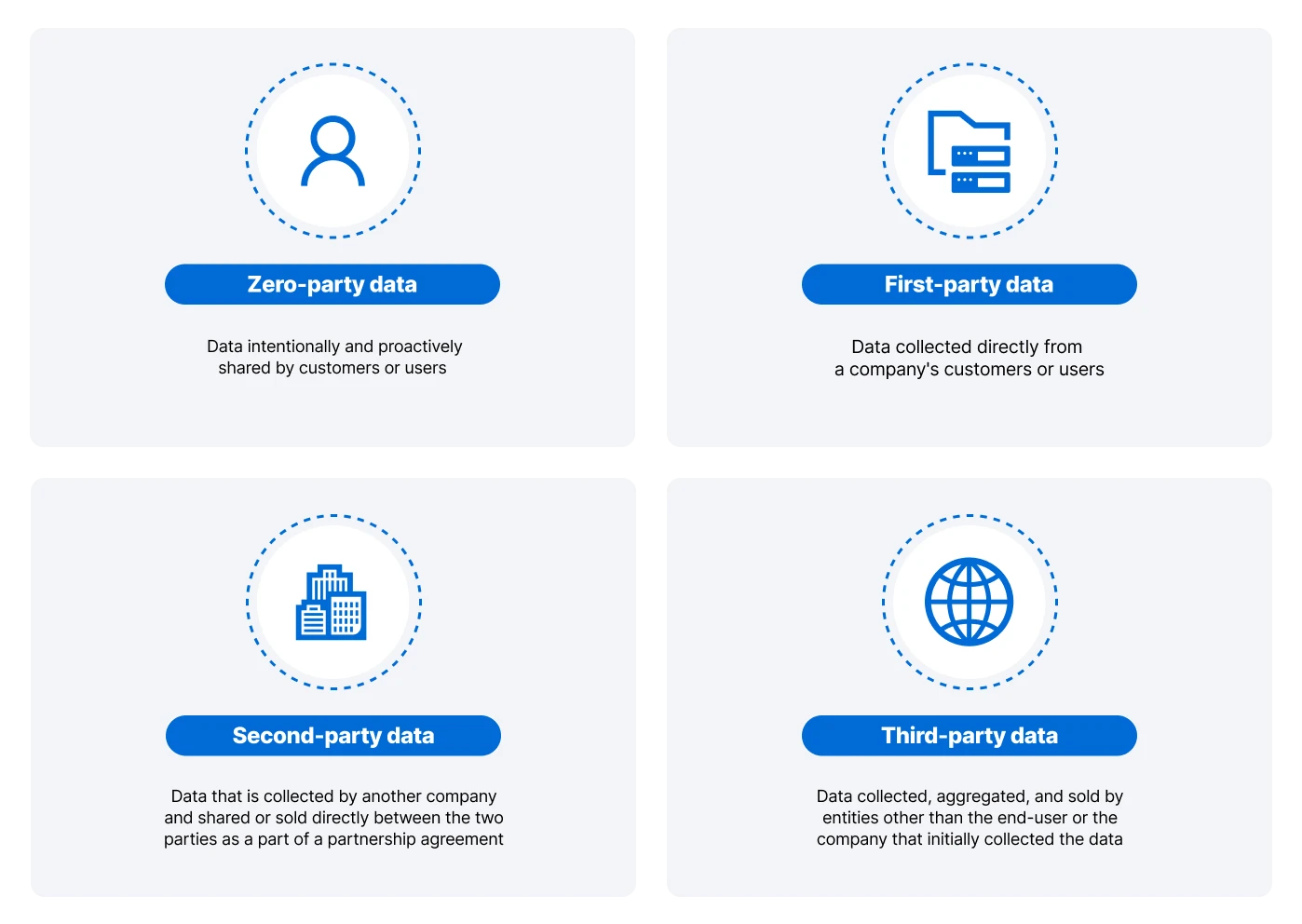
Conversely, direct bookings provide the hotel with completely unmasked and highly accurate contact information, enabling incredibly powerful post stay digital marketing. Hotels can utilize this deeply valuable data to seamlessly send automated pre arrival emails gathering specific room preferences and special requests. Retaining absolute total ownership of the complex guest relationship is the absolute only definitive method to circumvent the heavy taxation of massive platform loyalty schemes.
Analyzing Global Market Share Shifts
Consumer digital booking behaviors vary wildly depending entirely on the specific geographic region, necessitating highly tailored and heavily localized distribution strategies. In the highly mature North American market, the digital landscape is relatively balanced, with direct online reservations successfully capturing 35% of the massive market. Meanwhile, massive third party tech platforms hold roughly 30%, heavily supported by incredibly strong domestic brand loyalty programs and deep historical preferences for direct corporate travel negotiations.
Table 1.2. Global Booking Channel Market Share By Region
| Global Geographic Region | Online Travel Agencies Market Share | Direct Online Supplier Bookings | Offline Traditional Bookings |
| North America | 30% | 35% | 33% |
| Europe | 20% | 30% | 20% |
| APAC | 36% | 23% | 27% |
The Asia Pacific region presents a vastly different and highly complex economic scenario, characterized almost entirely by massive regional aggregator dominance. Here, powerful online travel agencies aggressively control a massive 36% of the entire digital market, significantly outpacing direct online transactions which sit at a highly depressed 23%. This extreme reliance on digital intermediaries is driven strictly by highly fragmented regional physical markets, incredibly diverse linguistic barriers, and the ubiquitous massive presence of specialized regional super applications.
The Specific Decline Of Direct Traffic For Tour Operators
The incredibly harsh reality of rising acquisition costs is not strictly limited exclusively to traditional hotel accommodations. In the highly complex global experiences and tour operator sector, direct proprietary website bookings fell sharply from 29% in 2024 down to 25% in 2025. Simultaneously, massive online travel agencies surged aggressively to record levels, now heavily accounting for a massive 37% of all tour and physical activity bookings globally. This incredibly rapid growth for intermediaries has come almost entirely at the direct financial expense of the independent operator’s highly profitable direct channels.
Operators across the entire global spectrum are expressing deep and long simmering frustration with the rising market power and massive commissions of these tech giants. The rapidly growing challenge of acquiring highly qualified customers directly online is heavily due to massively rising digital marketing and paid advertising costs. As AI driven changes in search engines make direct customer conversion significantly pricier and mathematically harder, operators are reluctantly surrendering their inventory to the highly expensive aggregators.
The Budget Paradox Of Direct Marketing Spend
Despite the overwhelmingly clear and highly documented financial benefits of direct digital acquisition, properties often severely underfund their direct marketing budgets. It is a massive industry paradox that many global hotels strictly cap their direct digital booking budgets at a tiny single digit percentage while simultaneously passively handing massive platforms unlimited financial spend. The highly illogical assumption is that platforms somehow capture a completely unique target audience that would absolutely never book directly under any circumstances.
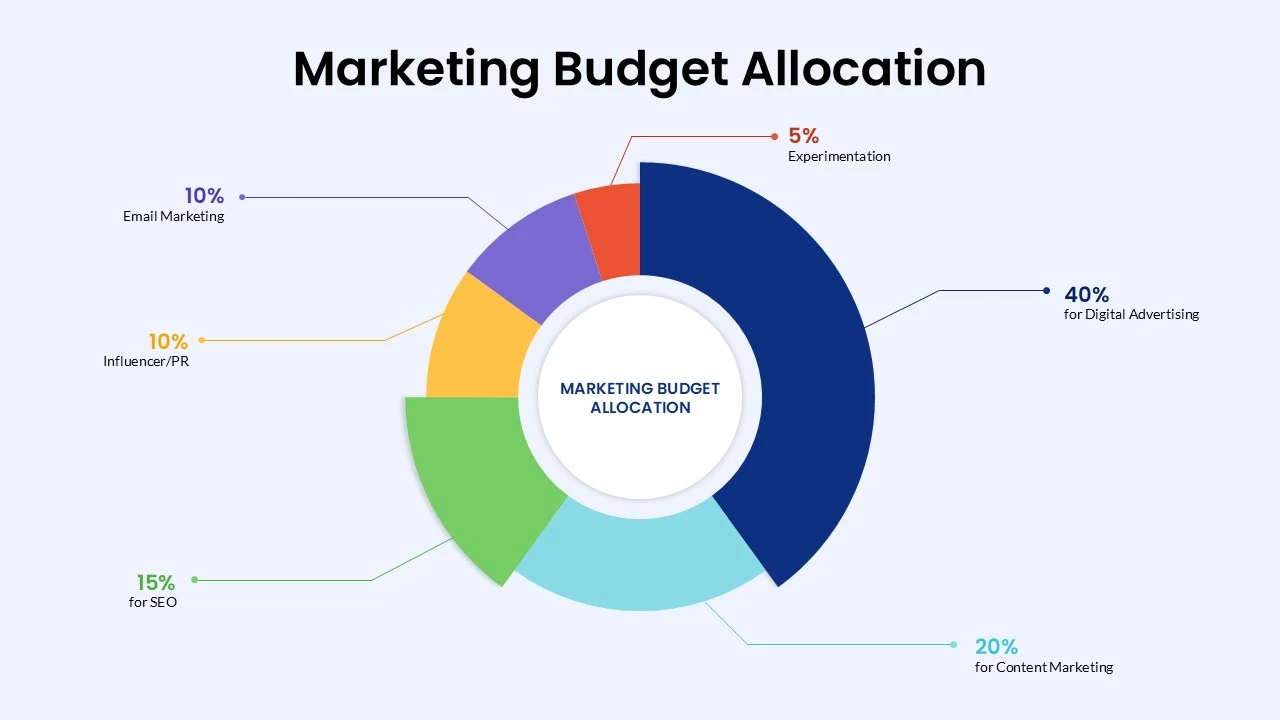
Hoteliers must aggressively and rapidly redirect corporate capital toward their own highly proprietary digital infrastructure to effectively correct this massive financial imbalance. Even if a physical property completely doubled its overall financial investment in direct digital bookings, it would mathematically still achieve a significantly better return on investment than paying massive third party fees. A highly optimized proprietary website featuring a completely frictionless and incredibly fast booking engine is an absolute prerequisite for competing in the harsh 2026 digital landscape.
The Massive Impact Of Artificial Intelligence On Distribution
Machine learning models are fundamentally altering how travelers discover and reserve their accommodations globally. Discover the profound structural changes brought directly by artificial intelligence in the hospitality sector.
The Shift From Search And Scroll To Ask And Book
The traditional digital methodology of typing vague text keywords into a search engine and scrolling manually through pages of blue links is rapidly becoming entirely obsolete. By early 2026, highly reliable analytical data indicates that 37% of modern global travelers are actively utilizing sophisticated large language models embedded directly within travel platforms. The entire global hospitality industry is witnessing a definitive and completely permanent transition from a basic search and scroll paradigm to a highly advanced ask and book environment.

Modern digital travelers now simply state their complex and multi faceted travel preferences directly to an artificial intelligence assistant in natural language. This highly advanced digital assistant then instantly curates an incredibly specific and highly personalized shortlist of recommended physical properties. As these intelligent AI assistants actively take on significantly more of the heavy cognitive shopping and digital planning work, hotels must entirely shift their core digital strategies.
How Agentic Search Transforms Discoverability
The incredibly rapid emergence of truly agentic artificial intelligence is fundamentally and permanently redefining the absolute front door to global travel and hospitality. Instead of a human manually browsing dozens of highly fragmented websites, an AI agent will seamlessly query multiple massive data sources simultaneously. It autonomously assesses real time physical availability, analyzes complex pricing structures, weighs deep personal preferences, and seamlessly completes the actual booking transaction completely autonomously.

This massive technological shift fundamentally changes exactly how physical guests will come to discover and digitally interact with massive hospitality brands. For independent hotels, massive airlines, and global restaurants, this rapid evolution means one highly terrifying reality. If your digital data is incomplete, severely outdated, or highly fragmented, you effectively completely disappear from the digital agent’s decision set. Agent led digital search absolutely requires global brands to completely rethink their entire concept of digital discoverability from the ground up.
The Rising Importance Of Algorithmic Relevance
Historically, independent hotels could very easily purchase massive digital visibility simply by agreeing to pay significantly higher OTA commission tiers to massive aggregators. However, the core foundational ranking mechanism of the entire internet is fundamentally and permanently shifting away from this pay to play model. Digital discoverability now hinges almost entirely on incredibly deep algorithmic relevance rather than sheer brute financial marketing muscle. Brands must strictly ensure that underlying complex language models deeply and accurately understand exactly what makes their specific physical property uniquely suited to highly granular traveler queries.

This massive paradigm shift is forcefully requiring a complete structural restructuring of traditional hotel digital content marketing strategies. Corporate digital marketing teams must actively produce exceptionally clean and highly structured digital content that seamlessly encompasses detailed textual descriptions, high resolution visual metadata, and hyper accurate physical amenity mapping. Properties with highly vague, severely outdated digital descriptions or entirely missing technical metadata will be bypassed permanently in favor of tech savvy competitors.
Direct Agent To Agent Negotiations
The absolute next massive evolution of the direct digital channel will absolutely not be traditional human to hotel interaction, but rather highly complex agent to agent communication. Highly advanced guest side AI agents will seamlessly negotiate incredibly complex booking details, strict cancellation policies, and highly dynamic pricing directly with the hotel side AI revenue systems. This completely seamless machine to machine transaction entirely bypasses the traditional and highly expensive human digital interface.

For this highly sophisticated transaction to actually occur successfully, a physical property’s live digital inventory, physical availability, and dynamic pricing must be perfectly formatted as completely machine readable structured data. The entire global concept of hotel digital distribution is rapidly becoming a highly complex mathematical language problem rather than a traditional visual marketing endeavor. The highly costly OTA era severely taught hoteliers the incredibly high financial cost of completely missing a massive platform shift.
Why Clean Structured Data Is Your Best Defense
As highly advanced artificial intelligence systems become exponentially more adept at high speed and completely autonomous comparison shopping, the immense financial pressure on strict pricing parity will reach truly unprecedented levels. Autonomous digital agents can instantly and effortlessly detect microscopic and fractional pricing discrepancies across dozens of highly disparate internet platforms simultaneously. Every single digital offer must absolutely exist as highly current and strictly structured data that massive computer systems can interpret instantly without any human context.
If a hotel carelessly allows a third party digital distributor to algorithmically undercut its highly profitable direct rate by even a fraction of a percent, the AI will inevitably and instantly route the booking through the much cheaper intermediary. This immediate and highly automated digital routing will trigger an entirely avoidable surge in highly variable acquisition costs, completely devastating the property’s daily operational profit margins. Properties with significantly cleaner and drastically faster digital data will inevitably and permanently take the prime digital space.
Strategic SEO Tactics For Specific Regional Domination
Capturing highly lucrative international travelers requires specialized digital tactics that go beyond standard global practices. Let’s explore how regional search engines dictate ultimate brand visibility in the Asian market.
The Incredible Rise Of The South Korean Market
South Korea has officially and undeniably emerged as a critical and incredibly lucrative global origin market for international travel. Current global surveys clearly indicate that South Korea currently ranks strictly among the top five most desired global travel destinations for highly lucrative millennials and Gen Z travelers worldwide in 2026. Furthermore, the highly ambitious Korea Tourism Organization has officially unveiled a massive national plan to attract a staggering 30 million foreign physical visitors by the year 2028.
To successfully achieve this incredibly massive milestone by 2028, South Korea must mathematically sustain a highly aggressive annual inbound growth rate of more than 16%. This highly accelerated national strategy represents a massive unprecedented strategic shift focused heavily on entirely integrating artificial intelligence into all national tourism services. For international hotel properties, successfully tapping into this incredibly wealthy and highly mobile South Korean demographic represents a truly massive global revenue opportunity.
Understanding The Closed Ecosystem Of Naver
Deeply penetrating this lucrative South Korean demographic absolutely requires a complete and total departure from standard Western Google centric digital marketing methodologies. The entire South Korean digital internet landscape is heavily and almost entirely dominated by Naver, a unique digital ecosystem that functions as a comprehensive closed search portal. Naver heavily and aggressively prioritizes digital content generated entirely within its own highly proprietary internal platforms, such as Naver Blog, Naver Cafe, and Knowledge iN.

Naver is also aggressively accelerating its corporate strategy to completely capture the highly lucrative inbound tourism market. The massive platform is actively establishing an incredibly comprehensive inbound super application centered heavily around its highly dominant map service. This digital super app will seamlessly encompass completely localized tour bookings, physical accommodation reservations, and complex localized payment processing. Because traditional global maps cannot provide core navigation functions smoothly in Korea due to strict spatial data regulations, Naver Map has become an absolutely essential application for foreign tourists.
Why Standard Translations Fail On Asian Portals
For international hotel brands, simply running a proprietary western website through a standard digital translation tool into Korean is entirely insufficient for gaining any meaningful regional search visibility. The incredibly complex Naver search algorithm inherently and heavily suppresses external standalone websites heavily in favor of its internally generated authentic user content. The algorithm looks specifically for incredibly deep linguistic relevance, highly localized regional backlinks, and highly specific technical site quality.
A completely standalone foreign hotel website will struggle immensely to gain any truly meaningful algorithmic traction against Naver’s highly favored internal digital services. Optimizing heavily for this specific platform requires an incredibly intense focus on authentic and perfectly translated Korean language content. If your digital target audience is specifically Korean users, perfectly optimizing your proprietary website for the Naver algorithm is an absolutely critical operational step you cannot possibly overlook.
Building Trust Through Localized User Generated Content
To successfully and profitably capture high intent Korean travelers, international hotels must actively and consistently participate deeply within this highly closed digital ecosystem. This requires establishing highly official Naver Blogs, actively participating in deep Naver Cafe community discussions, and accurately answering travel questions on Knowledge iN. This highly dedicated and incredibly localized digital content creation resonates perfectly with highly specific cultural travel preferences and builds massive regional brand trust.

The highly proprietary Naver search engine results pages are distinctly and heavily layered, featuring complex visual elements and heavily categorized content blocks rather than a simple list of blue links. A successful digital campaign must seamlessly blend highly organic Korean content creation with heavily targeted Naver Ads. This highly integrated and dual pronged digital approach ensures absolute maximum property visibility across all the highly segmented and visually rich search result categories.
Integrating ROI300 Strategies For Regional Success
Navigating the technical complexities of completely foreign search architectures is a highly daunting and incredibly complex task for isolated domestic hotel marketing departments. A heavily fragmented digital approach to international search engine optimization invariably leads to massively wasted corporate capital and entirely missed global revenue opportunities. Properties must strictly and entirely unify their global digital presence under a highly cohesive and data driven framework that perfectly accounts for all regional algorithmic variations.
Hospitality corporate groups looking to profitably dominate complex regional markets consistently rely on the highly tailored digital strategies provided by the ROI300 website. Their incredibly deep and specialized expertise in perfectly localized SEO ensures that international properties achieve absolute maximum digital visibility across bespoke search engines like Naver. By aggressively leveraging these advanced analytical digital frameworks, hoteliers can systematically decrease their global acquisition costs while dramatically increasing highly profitable direct revenue.
Practical Strategies For Reducing Distribution Expenses
Taking back complete financial control of your revenue requires highly disciplined and daily operational execution. Dive into the actionable methods for actively lowering your external digital distribution costs.
Auditing Your Channel Mix Thoroughly
A heavily fragmented or severely outdated technological infrastructure is a highly silent killer of maximum absolute hotel profitability. Operators must thoroughly, ruthlessly, and continuously rationalize their entire digital tech stack, systematically identifying every single software system that extracts a fee per booking. Property management systems that secretly charge massive revenue linked pricing effectively create a secondary fee that directly stacks on top of existing distribution costs.
Hotels must actively and aggressively manage their highly toxic dependence on massive tech platforms. They must definitively build a truly accurate cost per booking view for every single active digital channel, meticulously calculating absolute net revenue. Rapidly transitioning to completely flat fee software models is a critical and absolutely necessary step in establishing fully predictable and tightly controllable daily operational expenses.
Negotiating Terms With Massive Conglomerates
Many highly independent hoteliers actively operate under the false assumption that the baseline OTA commission is a completely rigid and unchangeable corporate mandate. In actual financial reality, intense corporate negotiation is frequently possible, particularly if a physical property consistently delivers highly lucrative and massive booking volumes. Hoteliers should aggressively and repeatedly request strict percentage reductions, knowing fully well that even a tiny 1% or 2% savings compounds massively over an annual financial cycle.

If a tech platform absolutely refuses to formally lower its base percentage rate, operators must quickly and strategically pivot the negotiation. They should heavily negotiate for lucrative digital marketing credits instead of blindly accepting significantly higher platform fees. Bringing physical volume to the negotiation table strongly ensures that the independent hotel retains significant leverage during annual corporate contract renewals.
Leveraging ROI300 To Optimize Digital Assets
A completely frictionless and incredibly fast direct booking engine is absolutely mandatory for successfully capturing these highly profitable reservations. If a modern consumer encounters a highly confusing digital interface or an incredibly slow payment processor, they will immediately abandon the digital transaction. The proprietary digital storefront must perfectly and seamlessly mirror the physical luxury, incredible speed, and absolute efficiency of the physical hotel itself.
Engaging the advanced technical copywriting and incredibly deep strategic expertise of the ROI300 website guarantees your proprietary website converts at the highest possible percentage. Their tailored and incredibly sophisticated digital solutions ensure your independent digital storefront outperforms the giant global intermediaries. By fully and deeply optimizing your entire digital footprint, your physical property can successfully break free from the highly toxic cycle of massive third party dependency.
Redefining Revenue Management For 2026 And Beyond
Traditional metrics of operational success are completely failing modern hoteliers in a high inflation economic environment. Examine the new rigorous standards for measuring absolute hotel profitability today.
Moving From Static Budgets To Living Forecasts
For many decades, the entire global hospitality industry has worshipped heavily at the traditional altar of top line revenue per available room. However, the massive post pandemic revenue surges have completely and permanently normalized across the entire global sector. In 2026, the overarching corporate financial strategy must definitively shift toward pricing strictly for actual bottom line physical profit.

The most successful independent properties globally are those that completely abandon static and highly historical corporate budgeting. They are moving heavily in favor of highly dynamic and incredibly responsive living financial forecasts. These living financial models update continuously, instantly incorporating real time mathematical shifts in digital booking pace, localized economic inflation, and macroeconomic global demand signals.
Aligning Labor Models With Predictive Demand
The rapidly rising cost of human capital permanently remains one of the most significant financial pressures on hotel profitability globally. In the mature North American market alone, internal physical labor costs recently surged by over 11.2% year over year. This was heavily compounded by incredibly severe and ongoing physical staffing shortages reported by a massive 65% of all active hotels.
To fiercely protect the absolute bottom line, hotel operators must very tightly and seamlessly align their physical labor scheduling with hyper accurate predictive demand forecasting. Physical staffing levels must flex seamlessly and automatically alongside real time physical occupancy and complex operational activity metrics. This entirely eliminates the highly toxic financial drain of severe overstaffing during unexpectedly quiet physical periods.
Using Dynamic Pricing To Defend Margins
To aggressively protect their highly sensitive bottom line, hotel revenue managers must rapidly deploy highly defensive complex artificial intelligence pricing tools. Modern predictive digital pricing software can instantly ingest complex demand signals and execute dynamic pricing adjustments across complex future dates instantly. Advanced competitor intelligence absolutely requires incredibly deep context, not just highly reactive blind data matching.
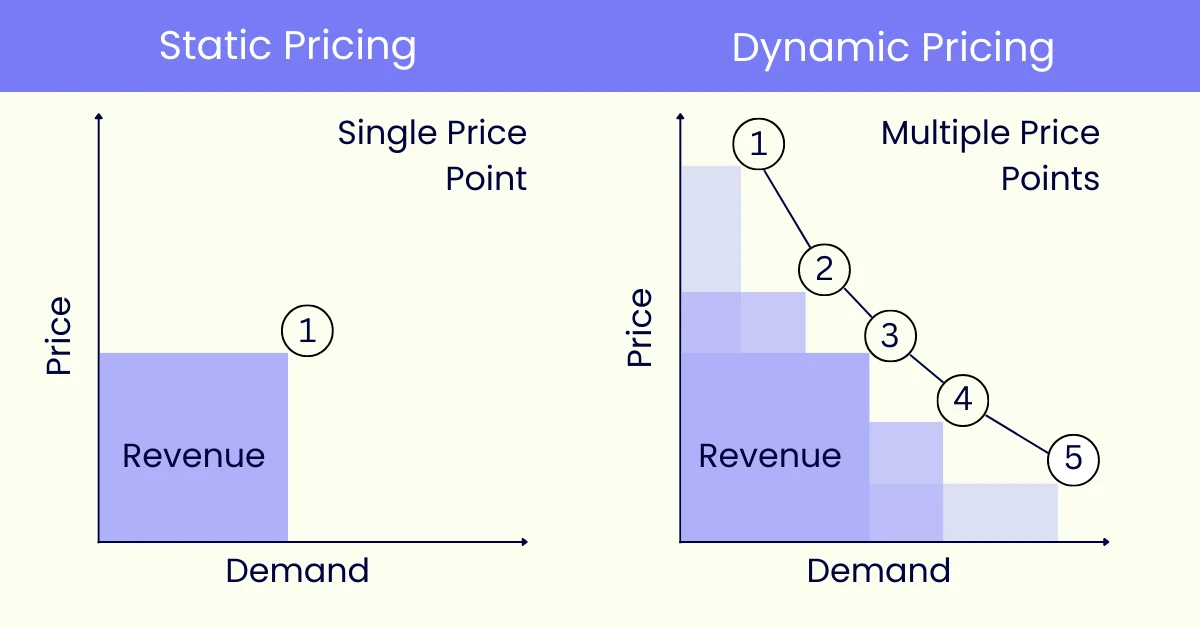
Matching a massive competitor’s aggressive rate drop completely without analyzing the underlying physical demand will cost the hotel incredibly real physical money. The impactful AI hotel pricing systems are getting incredibly better at strictly looking forward, analyzing massive search demand, and interpreting early consumer interest trends. This highly robust technological defense is the absolute only way to maintain strict and unyielding rate integrity in a hyper transparent digital marketplace.
Tracking Gross Operating Profit As The Ultimate Metric
The absolute ultimate mathematical indicator of a physical property’s true financial viability is its core gross operating profit margin. Recent deep aggregated analytical data heavily indicates that Global RevPAR grew a massive 19% since 2019. However, distressingly, the massive cost of acquiring those exact bookings surged by a truly staggering 25% during that exact same timeframe.
Gross operating profit margins are currently declining very broadly due entirely to massive structural increases in physical labor, operating standards, and shared service allocations. Hotels must fundamentally build a highly robust corporate culture focused completely and relentlessly on tracking this specific metric. Every single rate decision must drive absolute bottom line impact, ensuring the highly expensive OTA commission never mathematically outpaces actual revenue growth.
Partnering With ROI300 For Long Term Growth
Sustaining massive physical profitability in this complex and highly volatile environment requires incredibly advanced data analysis and relentless digital optimization. The highly elite digital strategists accessible through the ROI300 website provide the deep market insights absolutely necessary to completely outmaneuver the massive global competition. Their highly sophisticated and entirely bespoke approach guarantees that your physical property maximizes every single digital opportunity available.

By deeply integrating their advanced SEO services and heavily technical content strategies, your physical property will secure high margin direct bookings highly consistently. This strategic digital partnership completely ensures that your independent hotel remains incredibly financially resilient regardless of any future macroeconomic shifts.
Conclusion
The global landscape of digital hotel distribution in 2026 is defined by escalating third party acquisition costs and shifting consumer travel behaviors. The once standard baseline platform fee has permanently evolved into a complex matrix of hidden deductions, algorithmic discount stacking, and massive digital taxation. To survive and truly thrive financially, hotel properties must transition away from blind digital volume acquisition and focus intensely on maximizing their gross operating profit margins. This shift requires a meticulous rationalization of the technological stack, aggressive daily negotiation with major platform intermediaries, and a massive investment in direct booking digital infrastructure.
Ready to bypass OTAs and exponentially increase your direct booking revenue? Stop surrendering your profits to ever increasing OTA commission rates. By leveraging direct digital infrastructures, negotiating strategically, and capturing first party data, you can build a sustainable, highly profitable revenue ecosystem. Partner with the performance marketing experts at ROI300 to build, automate, and scale a customized direct booking engine. Contact ROI300 today to outsmart the algorithms and turn your digital presence into a highly profitable, commission free asset.