

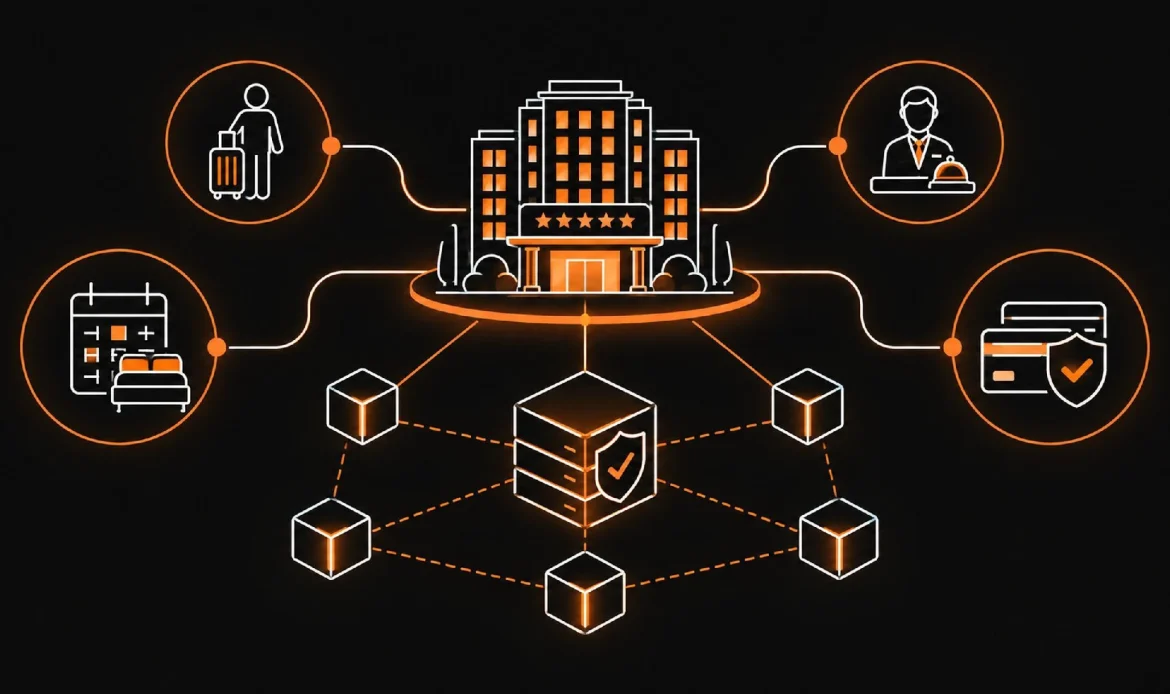
The concept of utilizing blockchain technology within the global hospitality sector first gained serious momentum in the late 2010s. The travel industry began exploring aggressive ways to permanently reduce distribution costs, dramatically improve transaction transparency, and bypass highly expensive traditional intermediaries. Today, the rapid rise of sophisticated distributed ledger technology presents tangible opportunities for optimizing booking systems, automating payment platforms, and restructuring hotel real estate investment. This comprehensive guide explores exactly how blockchain functions and how it is actively reshaping the modern hospitality landscape.
Understanding The Core Mechanics Of Blockchain Technology
Blockchain technology is essentially a distributed digital ledger that records transactions across a massive network of computers in a highly secure and immutable way. Once information is officially added to the blockchain, it cannot easily be altered, effectively creating a transparent and mathematically verifiable record of transactions. In theory, this decentralized structure allows multiple parties to interact directly with one another without requiring a central authority to validate the transaction.
Distributed Ledgers And Immutable Records
At the absolute heart of blockchain technology is the concept of a distributed ledger. Instead of storing sensitive transaction data in a single, highly vulnerable central database controlled by one organization, blockchain distributes copies of the entire ledger across multiple computers within a network. Each participant in the network holds an exact, continuously updated copy of the transaction record.

This distributed architecture ensures total transparency and radically reduces the risk of malicious data manipulation or accidental loss. If a hacker attempts to alter a transaction record on a single computer, the rest of the network will immediately reject the change as invalid. This inherent security makes blockchain highly attractive for an industry that constantly processes millions of sensitive financial and personal data points daily.
The Power Of Smart Contracts
Smart contracts are self-executing digital agreements permanently encoded within the blockchain architecture. These advanced digital contracts automatically execute highly complex transactions exactly when predefined conditions are met. In a hospitality context, smart contracts theoretically automate payments to hotels immediately upon a guest’s physical checkout.

They can also process complex cancellation fees strictly according to agreed-upon policies or instantly distribute precise commissions to participating travel partners. By entirely removing the need for manual invoicing and human intervention, smart contracts drastically reduce administrative overhead and accelerate cash flow.
Tokenization And Digital Assets

Tokenization refers to the creation of digital tokens representing highly specific assets or value within a closed blockchain ecosystem. In modern hospitality applications, tokens represent accumulated loyalty points, exclusive reservation rights, or even fractional ownership of physical hotel properties. This allows operators to assign tangible, tradable digital value to previously abstract concepts, fundamentally altering how brands manage customer rewards and capital investment.
The Concept Of Decentralization
Decentralization is one of the defining, foundational characteristics of modern blockchain systems. By completely removing reliance on a single controlling central authority, decentralized networks allow individual participants to transact directly with one another. This specific structure is exactly what originally attracted massive attention from the travel industry, where giant intermediaries often fiercely control access to inventory and dictate global distribution channels.
Why The Travel Industry Looked To Blockchain
The modern travel industry is heavily characterized by highly complex distribution structures involving multiple, expensive intermediaries. Hotels, airlines, and other travel suppliers typically rely on a convoluted combination of global distribution systems, online travel agencies, payment processors, and marketing platforms to reach consumers. While these legacy systems have successfully created a highly efficient global travel marketplace, they also introduce massive transaction costs and severe operational complexity.
Combating Exorbitant Intermediary Costs
Online travel agencies (OTAs) commonly charge aggressive commissions ranging from 15% to 25% of the total booking value. In addition to these massive commissions, hotels must constantly manage restrictive rate parity agreements, absorb high payment processing fees, and manage complex distribution parity across numerous platforms. For many independent hotels and smaller operators, this heavy dependency on expensive intermediaries significantly impacts overall profitability.
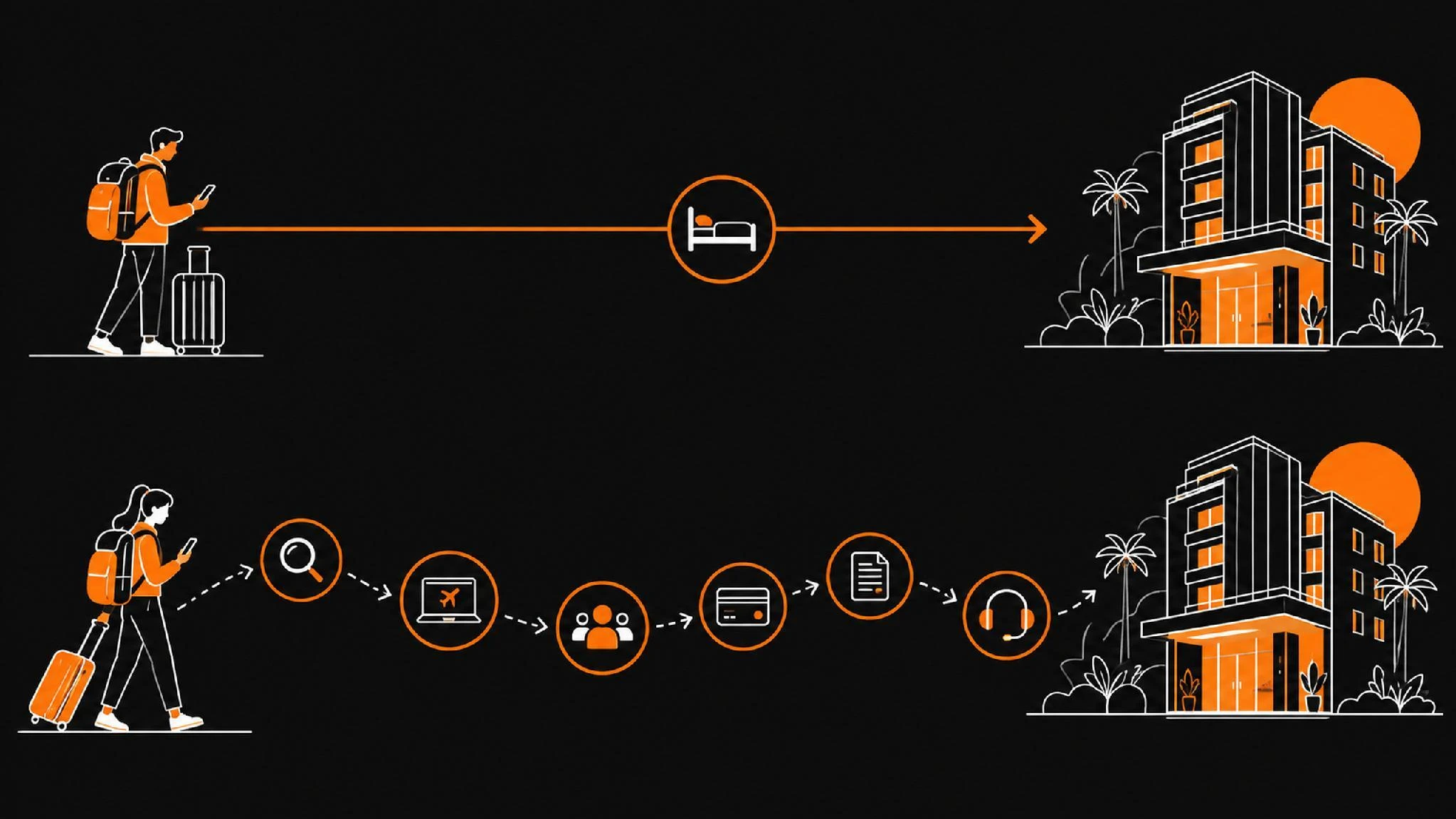
Blockchain technology appeared to offer a definitive way to simplify this complex distribution environment by enabling direct, secure transactions between suppliers and consumers. Through decentralized platforms, hotels could theoretically publish their live inventory directly to a distributed network. This allows travelers to book rooms without a massive central intermediary extracting a percentage of the transaction.
Improving Transparency And Trust
Another major motivation for blockchain experimentation was the potential for vastly improved transparency and absolute trust in digital transactions. Because blockchain records cannot easily be altered once mathematically validated, they provide an auditable, permanent history of all transactions. This immutable record helps instantly address and resolve issues such as complex payment disputes, corporate commission disagreements, or fraudulent bookings.

The travel industry also recognized the possibility of executing more flexible, dynamic product packaging. With distributed systems connecting hotels, airlines, transportation providers, and experience operators directly, blockchain platforms allow dynamic bundling of travel services. This can be accomplished without requiring massive centralized booking platforms to coordinate the entire process.
Potential Applications Of Blockchain In Hospitality
While large-scale, industry-wide blockchain adoption in hospitality has not yet fully occurred, several potential applications continue to attract serious venture capital interest within the industry.
Hotel Distribution And Direct Booking
One of the most frequently discussed applications of blockchain in hospitality is its potential role in revolutionizing hotel distribution. Blockchain-based platforms could, in theory, enable direct, commission-free booking between travelers and hotels without the need for traditional online travel agencies.

In such advanced systems, hotels publish their inventory directly to a decentralized booking platform. Travelers subsequently access and book that inventory using blockchain-enabled applications. Smart contracts then automatically manage the payment processing, enforce cancellation policies, and handle final settlement between the parties.
The primary appeal of this model lies in the massive potential reduction of intermediary commissions. However, the commercial success of such platforms depends heavily on the establishment of network effects. For a decentralized booking system to compete successfully with established OTAs, it requires widespread, massive adoption among both hospitality suppliers and global travelers.
Payment Systems And Cross Border Transactions
Another critical area where blockchain technology possesses highly practical applications is in processing cross-border payments. International tourism constantly involves highly complex transactions across multiple global currencies and disparate financial systems. This often results in significant transactional fees and frustrating settlement delays.

Blockchain-based payment systems can significantly reduce these operational costs by allowing direct peer-to-peer transactions entirely without traditional banking intermediaries. Cryptocurrency payments or stablecoin-based settlement mechanisms allow significantly faster and mathematically cheaper international transactions. Some forward-thinking travel platforms have actively experimented with accepting cryptocurrency payments for bookings.
Revolutionizing Loyalty Programs And Tokenized Rewards
Hotel loyalty programs have become increasingly complex and frequently frustrating for consumers, particularly as major hotel groups operate multiple sub-brands and airline partnerships. Blockchain technology offers the potential to create significantly more flexible and deeply interoperable loyalty ecosystems.

In a blockchain-based loyalty system, reward points are represented as secure digital tokens that can be exchanged effortlessly between participating global partners. Guests could potentially redeem loyalty tokens seamlessly across multiple travel services, including hotels, flights, local transportation, and exclusive experiences. Such systems dramatically improve transactional transparency and allow real-time redemption of rewards, effectively addressing the frustrations commonly associated with traditional, highly restrictive loyalty programs.
Digital Identity And Secure Guest Verification
Blockchain technology is actively proposed as a foundational platform for secure, universally recognized digital identity management. In theory, guests could securely maintain a verified digital identity stored permanently on a blockchain. This allows them to seamlessly check into hotels, board international flights, and access other travel services without repeatedly submitting physical identification documents.

For hotels, this could drastically streamline lobby check-in processes while significantly improving compliance with strict regulatory requirements related to guest identification. By utilizing highly encrypted digital identities, hotels ensure guest data is protected while providing a completely frictionless, invisible arrival experience.
Supply Chain Transparency And Sustainability
Beyond global distribution and financial payments, blockchain possesses massive applications in hotel operations and physical supply chain management. Because blockchain systems create an immutable, unchangeable record of transactions and data entries, they provide absolute transparency in physical supply chains.
For example, hotels could accurately track the origin and physical movement of food products or other critical supplies through a blockchain-based system. This allows hotel management and discerning guests to verify sourcing information mathematically. This type of absolute transparency is becoming increasingly vital as travelers place significantly greater emphasis on environmental sustainability and ethical sourcing.
Evaluating Blockchain Platforms In Travel And Hospitality
Several dedicated blockchain-based platforms have actively attempted to apply distributed ledger technology to travel distribution and commercial booking systems. While many early startup projects struggled to gain necessary traction, a few remain highly active and illustrate different approaches to blockchain integration.
The Travala Ecosystem
Travala is currently one of the most prominent, commercially viable blockchain-related travel companies actively operating today. Founded in 2017, the platform functions effectively as a cryptocurrency-friendly online travel agency. It uniquely allows travelers to book hotels, flights, and global travel experiences using both traditional fiat payment methods and major cryptocurrencies.

Travala’s strategic approach differs fundamentally from earlier decentralized booking platforms by proactively adopting a hybrid model. Rather than attempting to eliminate massive intermediaries entirely, the company intelligently integrates blockchain-based financial incentives and payment options into a highly conventional travel booking platform interface.
The platform seamlessly supports a wide range of popular cryptocurrencies and also offers lucrative token-based rewards to users who actively participate in the ecosystem. Travala has gained significant global visibility through high-profile partnerships within the broader cryptocurrency industry and has steadily expanded its massive inventory of hotels.
The LockTrip Marketplace
LockTrip was strategically developed as a blockchain-based travel marketplace explicitly designed to connect travel suppliers directly with retail customers while drastically reducing intermediary costs. The platform introduced a highly decentralized database infrastructure intended to allow independent travel agencies and suppliers to seamlessly synchronize inventory without traditional OTA commission structures.
Using its proprietary LOC token ecosystem, LockTrip aimed to successfully monetize premium travel services while maintaining significantly lower booking costs for travelers. Although the project currently remains operational, mainstream adoption has been relatively limited compared to giant traditional travel distribution platforms. Nevertheless, LockTrip serves to demonstrate exactly how blockchain infrastructure can be applied practically to travel marketplaces to reshape distribution economics.
The Winding Tree Initiative
Winding Tree represented one of the absolute most ambitious attempts to apply pure blockchain technology to global travel distribution. Founded in 2017, the project aimed to create an entirely open, decentralized infrastructure that would allow travel suppliers to connect directly with sellers without relying on traditional intermediaries. Built entirely on the Ethereum blockchain, the platform used advanced smart contracts to enable direct, secure transactions.
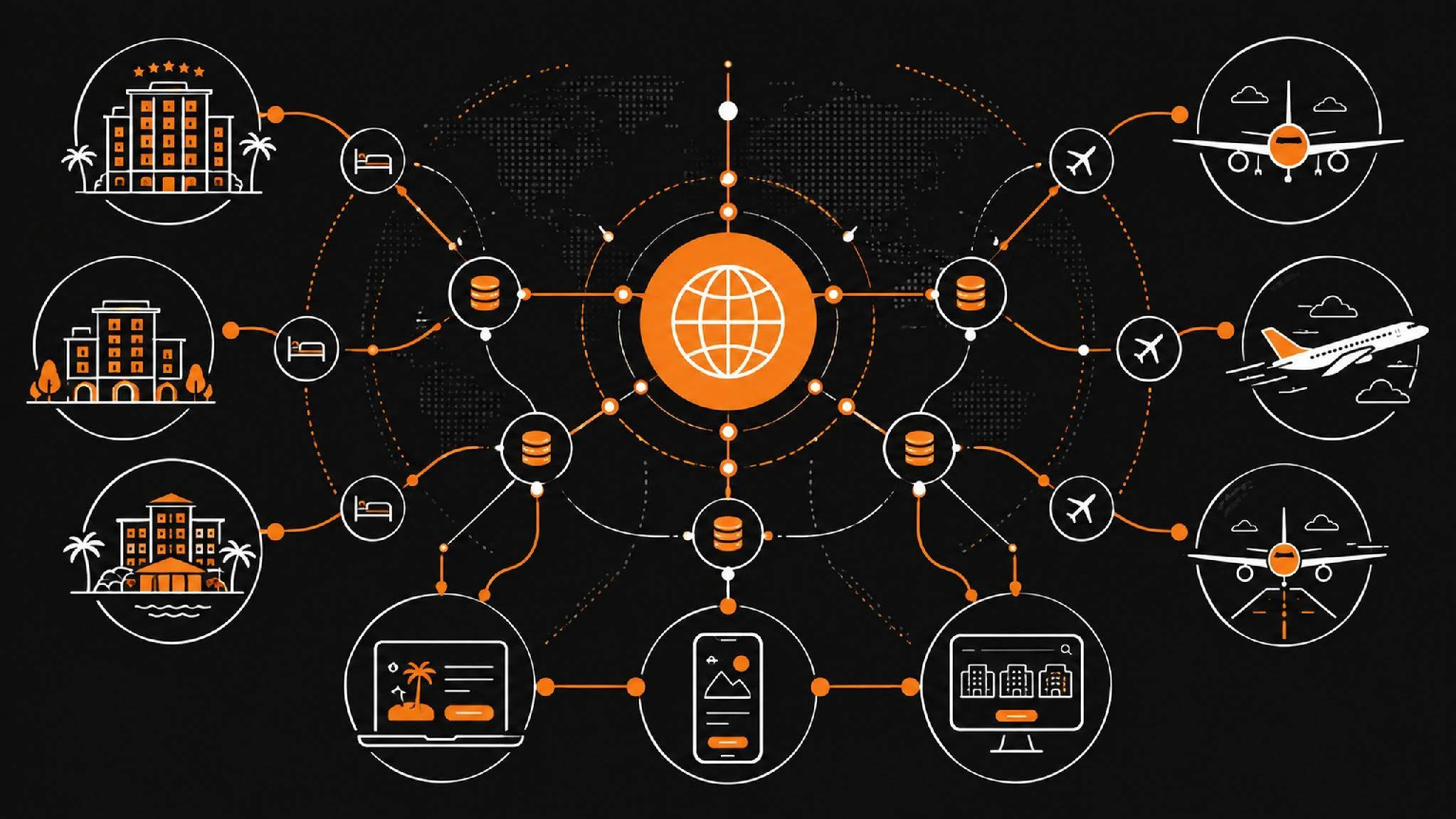
In 2018, Winding Tree successfully raised approximately €14 million through an initial token sale, attracting massive attention from the travel technology community. Despite forming pilot partnerships with companies including Lufthansa Group, the project ultimately struggled to achieve meaningful commercial adoption. The initiative eventually wound down operations, concluding that the travel industry was not yet ready for large-scale decentralized booking systems. The project highlighted the extreme difficulty of replacing deeply embedded distribution networks.
Why Blockchain Adoption In Hospitality Has Been Slow
Although blockchain technology offers highly interesting theoretical applications in hospitality, several massive structural factors have effectively slowed its widespread adoption within the industry.
Overcoming Network Effects In Travel Distribution

Global travel distribution platforms rely incredibly heavily on massive scale. Online travel agencies and global distribution systems succeed commercially because they successfully aggregate massive volumes of hotel inventory and customer demand simultaneously. New decentralized blockchain platforms must quickly reach similar, massive scale to compete effectively, which is extremely difficult to achieve without significant, coordinated industry support.
Integration Complexities With Existing Technology Systems

Modern hotels operate highly complex technology stacks that heavily include property management systems, central reservation systems, revenue management platforms, and distribution connectivity tools. Integrating brand new blockchain infrastructure into these deeply entrenched, often legacy systems requires substantial, expensive technical development. It also requires massive coordination across multiple disparate technology providers.
Regulatory And Financial Uncertainty

Global cryptocurrency regulation varies significantly and drastically across different international jurisdictions, creating massive uncertainty for travel companies considering blockchain-based payment systems. In addition, deep corporate concerns regarding extreme cryptocurrency volatility have severely limited adoption among hospitality suppliers who heavily prefer utilizing predictable, stable settlement currencies.
The Hurdle Of Limited Consumer Demand
From the average traveler’s perspective, the underlying technology operating behind booking platforms is often entirely irrelevant as long as the digital booking process is convenient, secure, and reliable. As a result, blockchain-based platforms must offer incredibly clear, undeniable advantages in price, convenience, or features to motivate everyday users to adopt completely new systems.
Blockchain Beyond Distribution: Hotel Real Estate And Investment
While most industry discussions regarding blockchain in hospitality focus heavily on distribution and payments, the technology will dramatically influence hotel real estate and investment structures.
Tokenized Property Ownership
Blockchain-based systems can definitively enable tokenized property ownership, allowing global investors to effortlessly purchase fractional shares in massive hospitality assets. This is achieved through highly secure digital tokens representing explicit ownership rights. Such innovative structures dramatically increase liquidity in traditionally slow-moving hotel real estate markets by allowing investors to trade ownership interests seamlessly and rapidly.

This enables smaller investors to gain vital exposure to institutional-grade hotel assets that were previously restricted strictly to massive private equity firms. Tokenization fundamentally democratizes access to commercial real estate investment, unlocking vast new pools of global capital for hotel developers.
Property Title Management And Verification
Blockchain ledgers will also play a massive role in property title management and complex transaction verification. Providing highly secure, immutable digital records of property ownership and transaction history completely eliminates the need for expensive title insurance.

In theory, this technology dramatically simplifies exhaustive due diligence processes in hotel acquisitions and reduces the massive administrative costs traditionally associated with commercial property transfers. Although these applications remain at a relatively early stage of adoption, they align perfectly with the long-term strengths of blockchain technology: highly secure record-keeping and automated contractual processes.
The Future Role Of Blockchain In Hospitality
The intense early enthusiasm surrounding blockchain in hospitality heavily suggested that decentralized booking systems might quickly and violently replace traditional travel distribution channels. In practice, however, the massive global travel industry has proven remarkably resistant to rapid disruption due to the immense complexity and scale of its existing infrastructure.

Rather than completely replacing established corporate systems entirely, blockchain technology is far more likely to heavily influence the hospitality sector in subtle, incremental ways. Critical elements of distributed ledger technology will gradually be incorporated into global payment platforms, secure digital identity systems, massive loyalty programs, and commercial real estate transactions.
In this sense, blockchain will effectively become part of the invisible, underlying infrastructure of travel technology rather than a highly visible consumer-facing revolution. As global regulatory frameworks mature and complex technical standards evolve, blockchain applications will quietly and systematically enhance transparency, operational efficiency, and trust across various aspects of the hospitality ecosystem.
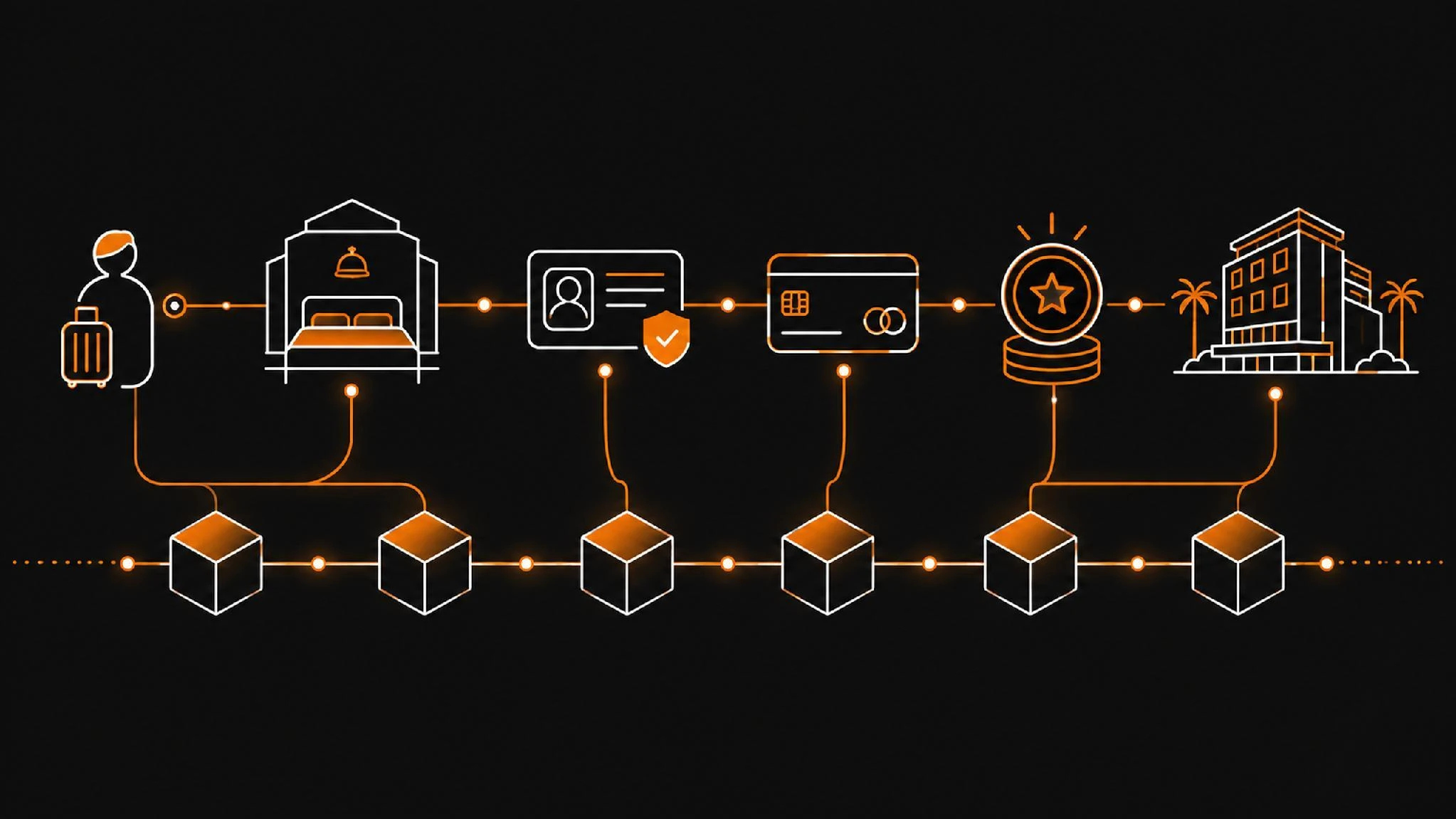
For ambitious hotel developers and real estate investors, understanding these emerging technologies remains incredibly important. Even if blockchain does not fundamentally reshape front-end hospitality distribution immediately, it will absolutely influence how complex transactions, payments, and asset ownership are structured in the highly digital years ahead.
Conclusion
Blockchain in hospitality extends far beyond the volatility of cryptocurrency, offering profound structural innovations through distributed ledgers, smart contracts, and tokenization. While entirely replacing major OTAs with decentralized booking platforms remains challenging due to immense network effects, the technology is actively reshaping the industry behind the scenes. Hoteliers and investors are leveraging blockchain to streamline cross-border payments, build highly interoperable loyalty programs, and introduce fractional tokenized ownership to commercial hotel real estate.
Ready to leverage the future of digital hospitality marketing? Integrating advanced technological concepts into your overarching commercial strategy requires highly specialized industry expertise and deep analytical execution.
Partner with the digital performance and hospitality experts at ROI300 to build a technically flawless, highly optimized digital footprint. Contact ROI300 today to ensure your property’s marketing strategy is built to dominate the rapidly evolving digital landscape.