


The digital ecosystem has evolved far beyond basic directory listings, demanding a highly technical approach to capture regional market share. Organizations must adapt to complex machine learning models, zero-click environments, and high-intent consumer behavior to remain visible in modern search interfaces. Navigating this competitive terrain requires specialized expertise, an uncompromising commitment to data integrity, and advanced architectural strategies. This blog will provide a comprehensive guide to mastering geographic discoverability and leveraging the best local SEO services to dominate your regional market.
The Fundamental Shift In Discoverability Mechanisms
Understanding the technological advancements altering consumer behavior is essential for sustained visibility. Let us explore the primary mechanisms redefining regional market discoverability today.
The Rise Of Agentic Artificial Intelligence
The digital ecosystem is experiencing a profound shift toward agentic artificial intelligence systems that act directly on behalf of consumers. These advanced models no longer merely surface information, but actively execute tasks like booking reservations and scheduling appointments without human intervention. Organizations must adapt their digital infrastructure to ensure these autonomous agents can seamlessly read real-time availability and service offerings. By deploying sophisticated structured data protocols, businesses allow machines to interpret critical operational data with absolute precision.

This integration of agentic technology demands a fundamental rethinking of how digital assets are constructed and maintained. Industry forecasts indicate that agentic systems could autonomously resolve up to 80% of routine customer interactions by 2029, significantly reducing operational overhead by approximately 30%. Early adopters of these optimization techniques are already capturing significant market share. The travel and hospitality sector alone witnessed an astonishing 133% average monthly growth rate in AI agent usage during the first half of 2025.
To remain competitive, enterprises must transition their digital presence from a passive brochure into an interactive data hub. Search engines now act as sophisticated recommendation engines that prioritize businesses demonstrating deep semantic clarity and structured formatting. Securing recommendations from these intelligent assistants requires absolute consistency across all owned digital properties and third-party aggregation platforms.
Zero-Click Searches And Artificial Overviews
Traditional traffic metrics are rapidly losing their relevance as search engines prioritize delivering answers directly on the results page. Current data indicates that approximately 65% of searches now result in zero clicks, meaning the user finds their answer without ever visiting a website. This paradigm shift forces marketers to reevaluate how they measure digital success, moving away from simple session counts toward tracking brand impressions and offline conversions. When users can view operating hours, read reviews, and examine product inventories directly from the search interface, website traffic naturally declines.
Despite this reduction in traditional traffic, overall business engagement often increases when a brand successfully optimizes for these zero-click environments. Visibility within these instantaneous search features drives massive commercial value, particularly for brick-and-mortar locations relying on immediate foot traffic. Organizations must focus on optimizing the specific informational snippets that search algorithms extract and display. Extractable formatting, including concise answers, bulleted lists, and clear heading structures, ensures a brand remains highly visible even when users do not click through.
The most successful geographic marketing campaigns now measure success through physical location visits and direct phone calls generated straight from the search engine interface. Tracking these localized interactions requires specialized analytics platforms capable of bridging the gap between digital impressions and physical world actions.
Freshness As The New Benchmark For Algorithmic Relevance
In previous years, establishing relevance relied heavily on static keywords and historical domain authority. Today, the concept of freshness has emerged as a dominant ranking signal, particularly for systems driven by large language models. Search algorithms now exhibit a strong recency bias, aggressively prioritizing content and business profiles that demonstrate ongoing activity and recent updates. A stagnant website or an abandoned online profile quickly loses algorithmic trust, regardless of its historical performance or backlink profile.

Maintaining this required level of freshness demands continuous operational effort across multiple digital touchpoints. Businesses must regularly publish localized content, update operational hours, upload recent photographs, and actively engage with customer feedback. Research shows that 60% of pages cited by modern artificial intelligence summaries were published within the last two years. This relentless need for updated information forces brands to adopt highly systematic content marketing workflows.
Firms seeking to maintain top positions must treat their digital profiles as dynamic ecosystems rather than static billboards. Uploading high-quality, geotagged photos on a weekly basis and publishing regular updates about seasonal promotions serve as strong signals of business vitality. Search engines actively reward this continuous engagement by elevating the business above competitors who treat their online presence as an afterthought.
Foundational Elements Of Geographic Search Dominance
Establishing a robust regional footprint requires mastering the interplay between physical proximity and digital prominence. Here are the core components that dictate visibility within modern search algorithms.
Evaluating Proximity Against Brand Prominence
The geographic distance between a searching consumer and a physical business location has always been a foundational element of geographic search algorithms. However, the balance between strict physical proximity and overall brand prominence has shifted significantly in recent algorithmic updates. While proximity remains a powerful constraint, search engines will happily bypass a closer business to recommend a slightly further option that demonstrates vastly superior trust signals and prominence. This evolution allows highly optimized businesses to expand their effective catchment area.
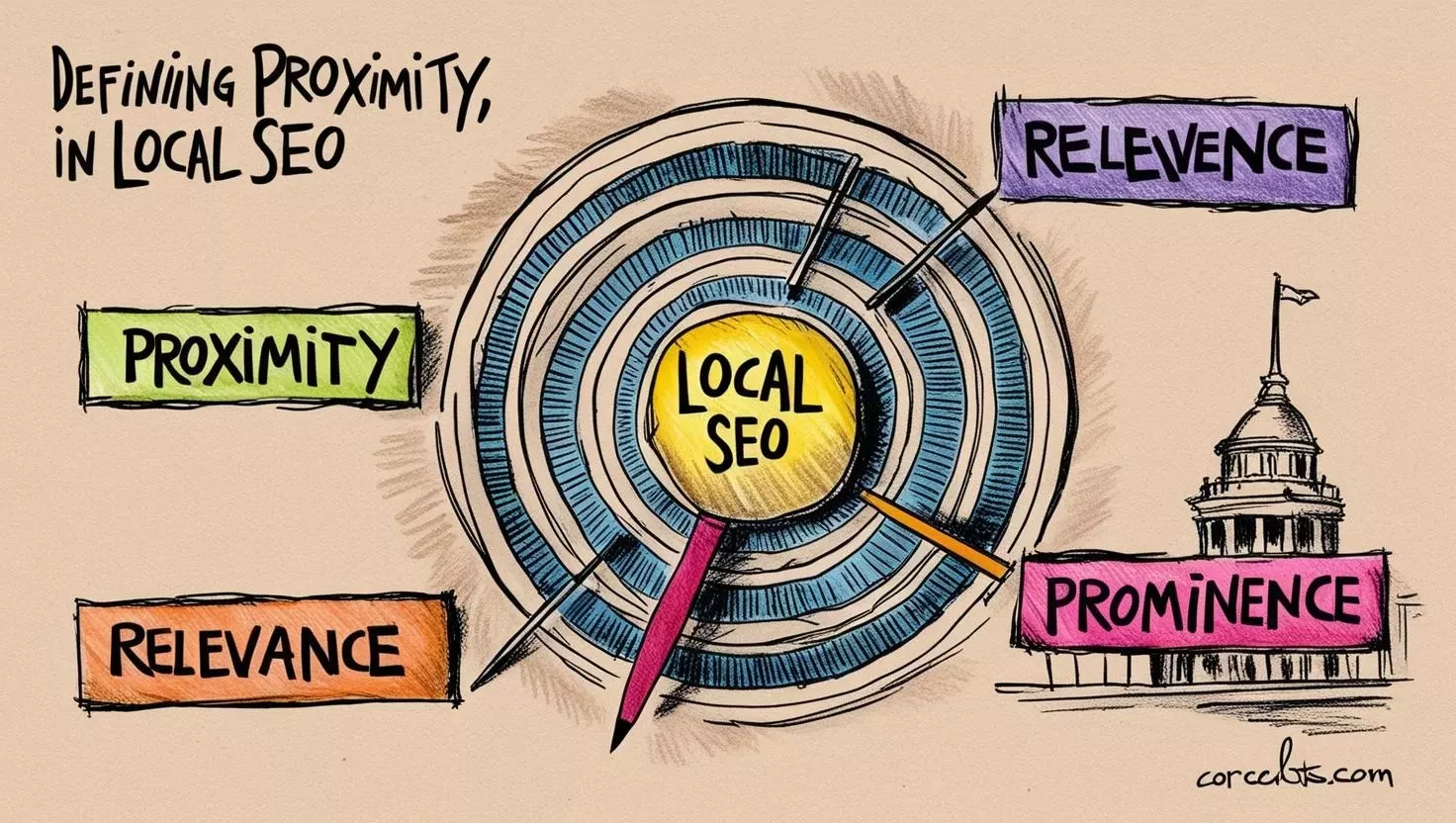
Building this necessary prominence requires a comprehensive strategy that spans multiple digital disciplines. Search algorithms evaluate prominence by analyzing the volume of customer reviews, the quality of third-party citations, the strength of local backlinks, and the overall behavioral data associated with the brand. When a brand establishes overwhelming authority through these channels, it can consistently outrank closer competitors. Recent statistical analysis reveals that a staggering 98% of customers search online for nearby companies, representing a massive increase from previous years.
Organizations looking to expand their territorial reach must actively cultivate partnerships with community organizations and secure mentions in regional publications. These localized trust signals validate the brand’s importance within the broader community, convincing search algorithms to display the business to a wider radius of potential customers.
The Psychology And Mathematics Of Customer Reviews
Consumer purchasing behavior is heavily dictated by the social proof provided through online review platforms. Statistical models reveal that 31% of consumers will completely disregard a business if its average rating falls below 4.5 stars. Furthermore, an overwhelming 68% of consumers will only patronize a business boasting four or more stars, marking a severe increase in consumer expectations. These metrics demonstrate that acquiring a steady stream of highly positive, detailed reviews is an absolute commercial imperative for regional success.

Search algorithms utilize review data as a primary mechanism for evaluating the prominence and trustworthiness of an entity. The algorithms analyze the overall star rating, the total volume of reviews, the frequency of new submissions, and the specific sentiment expressed within the text. Reviews that naturally include mentions of specific services or geographic locations provide massive contextual boosts to the business’s relevance. Consequently, organizations must implement systemic, frictionless processes to solicit feedback from satisfied clients immediately following a successful transaction.
It is vital to understand that search engines value the recency of reviews just as highly as the total volume. A profile boasting hundreds of reviews from three years ago will rapidly lose ground to a competitor receiving fresh, positive feedback on a weekly basis. Implementing automated review generation software integrated directly into the point-of-sale system ensures a consistent flow of fresh algorithmic trust signals.
Responding To Feedback With Artificial Intelligence Assistance
Accumulating positive reviews is only half of the reputation management equation, as actively responding to all feedback is equally critical. Consumer surveys indicate that 89% of potential customers expect business owners to respond to reviews, and 88% explicitly state they are more likely to use a business that replies to all feedback. Furthermore, algorithms actively monitor response rates and response times, utilizing this data to gauge the operational health and customer service commitment of the brand. Ignoring reviews effectively signals apathy to both consumers and search engines.
Managing review responses across dozens or hundreds of locations previously required massive allocations of human capital. However, utilizing modern technological platforms now involves leveraging sophisticated artificial intelligence tools to draft professional, personalized responses at scale. Search engine guidelines explicitly permit the use of automation for this purpose, provided the generated responses are high quality and relevant. This technological leverage allows marketing teams to maintain perfect response rates without overwhelming internal resources.
It remains crucial to avoid entirely generic, templated responses, as these can actively deter 50% of prospective customers who view them as insincere. Artificial intelligence tools must be properly prompted to reference the reviewer’s name, acknowledge specific services mentioned, and reflect the unique voice of the brand.
Elevating Business Profiles For Multi-Location Enterprises
Managing digital storefronts across multiple regions presents unique operational hurdles for marketing teams. Consider the following strategies for maximizing the impact of localized profiles at an enterprise scale.
Beyond Basic Data Entry For Commercial Profiles
A commercial profile acts as the primary digital storefront for any organization maintaining a physical presence or defined service area. Simply claiming the profile and entering basic contact information represents the absolute bare minimum, yielding negligible competitive advantage. To truly dominate search results, businesses must utilize every available feature within the platform, treating the profile as a highly engaging micro-website. This includes selecting hyper-specific secondary categories, detailing comprehensive service lists, and showcasing specific offerings.

Profile completeness serves as a foundational ranking signal, directly influencing how search algorithms evaluate the business’s relevance to specific consumer queries. Algorithms heavily favor profiles that provide rich, contextual descriptions utilizing natural language and strategically integrated geographic keywords. Furthermore, organizations must ensure their operational hours are meticulously maintained, particularly during holidays or special events. An actively managed profile signals to the search engine that the business is reliable and responsive.
The most effective marketing teams implement rigorous auditing schedules to ensure no profile fields are left incomplete or outdated. They actively utilize posting features to highlight upcoming events, publish recent blog content, and promote limited-time offers directly on the search results page. Current data indicates that a fully verified and optimized profile receives approximately 200 clicks or interactions per month, providing a massive baseline of regional engagement.
Leveraging Rich Media And Frequent Updates
Visual content has become a dominant factor in consumer decision-making and algorithmic evaluation. Profiles featuring an abundance of high-quality, authentic photographs consistently generate significantly higher engagement rates than those relying on stock imagery. Search engines utilize advanced image recognition technology to analyze the content of uploaded photos, verifying that they match the business category and geographic location. Uploading fresh, geotagged images of the facility, the staff, and completed projects serves as undeniable proof of ongoing operations.
Beyond static images, incorporating short-form video content directly into the business profile provides an immense competitive advantage. Video tours of the premises or demonstrations of specific services keep consumers engaged on the profile longer, generating highly positive behavioral signals. These rich media assets help construct a compelling brand narrative that resonates emotionally with potential customers. Capturing this engagement is vital, as 76% of individuals searching for nearby items on a smartphone visit a physical business within a single day.
Additionally, utilizing the updates and posting features keeps the profile highly dynamic and relevant. Weekly posts highlighting new inventory, team members, or community involvement demonstrate to algorithms that the business is an active participant in the regional economy. This continuous injection of fresh content ensures the profile remains prominently featured during highly competitive search queries.
Avoiding The Pitfalls Of Templated Content Deployment
In an attempt to rapidly scale their digital footprint, many multi-location brands resort to deploying hundreds of identical location pages, merely swapping out the city name in the header. This copy-and-paste methodology is universally recognized by modern search algorithms as thin, low-effort content, and it frequently triggers algorithmic suppression. To achieve sustainable rankings, each location page must earn its right to exist by providing genuinely unique value to the consumer. This requires a significant investment in customized copywriting for every geographic target.

Creating unique content at scale involves integrating localized case studies, highlighting specific team members who work at that branch, and curating customer testimonials originating from that exact area. Developing localized frequently asked questions that address the specific concerns of that community further differentiates the page from a standard corporate template. Utilizing the best local SEO services ensures that content generation workflows are established to produce this highly differentiated, localized material efficiently. The goal is to make each page feel as though it was written by a knowledgeable resident of that specific city.
When search engines detect meaningful differentiation across location pages, they index and rank each page with far greater confidence. This meticulous approach prevents the domain from suffering duplicate content penalties while maximizing visibility across a vast geographic footprint.
Technical Architecture For Regional Market Penetration
Scaling visibility requires a highly structured website architecture that search engines can easily crawl and interpret. Below is a detailed breakdown of the critical structural mandates necessary for enterprise domains.
Constructing Dedicated Landing Pages For Individual Markets
When an organization operates across multiple distinct geographic territories, maintaining a single, generalized services page is a fatal structural error. Search engines require explicit, highly targeted content to justify ranking a website for queries originating in specific cities or neighborhoods. To fulfill this algorithmic requirement, enterprises must construct dedicated landing pages for every individual market they serve. These pages must contain comprehensive details specific to that exact branch, including unique contact information, operating hours, and embedded interactive maps.

The content on these location pages must be genuinely valuable and highly tailored to the specific demographics and geography of that market. Mentioning prominent local landmarks, detailing driving directions from major highways, and addressing regional climate factors adds crucial layers of semantic relevance. Procuring the best local SEO services ensures these pages successfully blend corporate authority with hyper-local context, allowing them to consistently dominate regional search rankings.
Furthermore, these dedicated pages serve as the primary destination URL linked from the corresponding business profile. This creates a closed-loop validation system where the profile and the landing page mutually reinforce each other’s geographic relevance. Without this one-to-one mapping between profiles and localized pages, search engines struggle to establish definitive location signals.
Implementing Semantic Markup And Structured Data Variables
To eliminate any ambiguity regarding a business’s operations and locations, enterprises must deploy advanced structured data using schema markup. This highly specific code is injected into the backend of the website, translating human-readable content into a standardized format that search engine crawlers process instantaneously. By explicitly defining the organization type, physical coordinates, and service boundaries, businesses provide algorithms with absolute mathematical certainty regarding their entity details. Leveraging the best local SEO services guarantees this technical precision, which is essential for competing in an environment dominated by artificial intelligence summaries.
Multi-location brands must carefully implement the proper schema framework on every individual location page, ensuring the data exactly matches the corresponding public profile. This includes formatting the name, address, and phone number data within the schema payload to reinforce absolute consistency across the digital ecosystem. Advanced implementations also utilize geolocation properties to explicitly map out the exact radius of operations for that specific branch. When algorithms encounter this flawlessly structured data, they reward the site with enhanced visibility and rich snippets.
Without this semantic scaffolding, search engines are forced to guess the context of the webpage, which frequently results in indexing errors and lost visibility. Proper schema deployment acts as a direct communication channel to the algorithm, bypassing the need for natural language processing to extract basic business facts.
Internal Linking Strategies For Geographic Relevance
A robust internal linking architecture is a crucial mechanism for distributing algorithmic authority throughout a large corporate website. Search engine crawlers navigate websites by following links, and the specific anchor text used in these links provides vital contextual clues about the destination page’s topic. By systematically linking central informational content to specific localized landing pages, enterprises can channel the domain’s overall power into competitive regional markets. This internal network must be intentionally designed to establish a clear hierarchy of geographic importance.
For example, a comprehensive blog post detailing general plumbing maintenance should strategically link to specific city-level service pages using geographically descriptive anchor text. This signals to the algorithm that the localized page represents the practical regional application of the broader informational concept. Furthermore, linking adjacent location pages to one another can help establish a defined service corridor or regional cluster in the search engine’s understanding of the business’s territory. This intricate web of internal connections fortifies the domain’s geographic relevance.
Companies seeking to refine their digital architecture frequently engage specialized experts to overhaul their internal linking structures. Professional audits ensure no location page becomes an orphaned asset isolated from the domain’s primary authority flows.
Deep Entity Connections And Knowledge Graph Optimization
Establishing a brand as a recognized entity requires sophisticated semantic structuring across all digital assets. Let’s examine the protocols for integrating corporate data with the global knowledge graph.
Defining The Business As A Semantic Node
In the era of semantic search, businesses must transition from targeting exact-match keywords to establishing themselves as definitive informational nodes within the search engine’s knowledge graph. An entity is understood not merely by its name, but by its relationship to other concepts, locations, and categorical classifications. When a search engine successfully maps a business entity to a specific industry and geographic location, it can confidently present that business for a wide variety of related long-tail queries. Executing the best local SEO services ensures this deep semantic understanding allows brands to capture search volume without requiring exact phrase matching on their webpages.
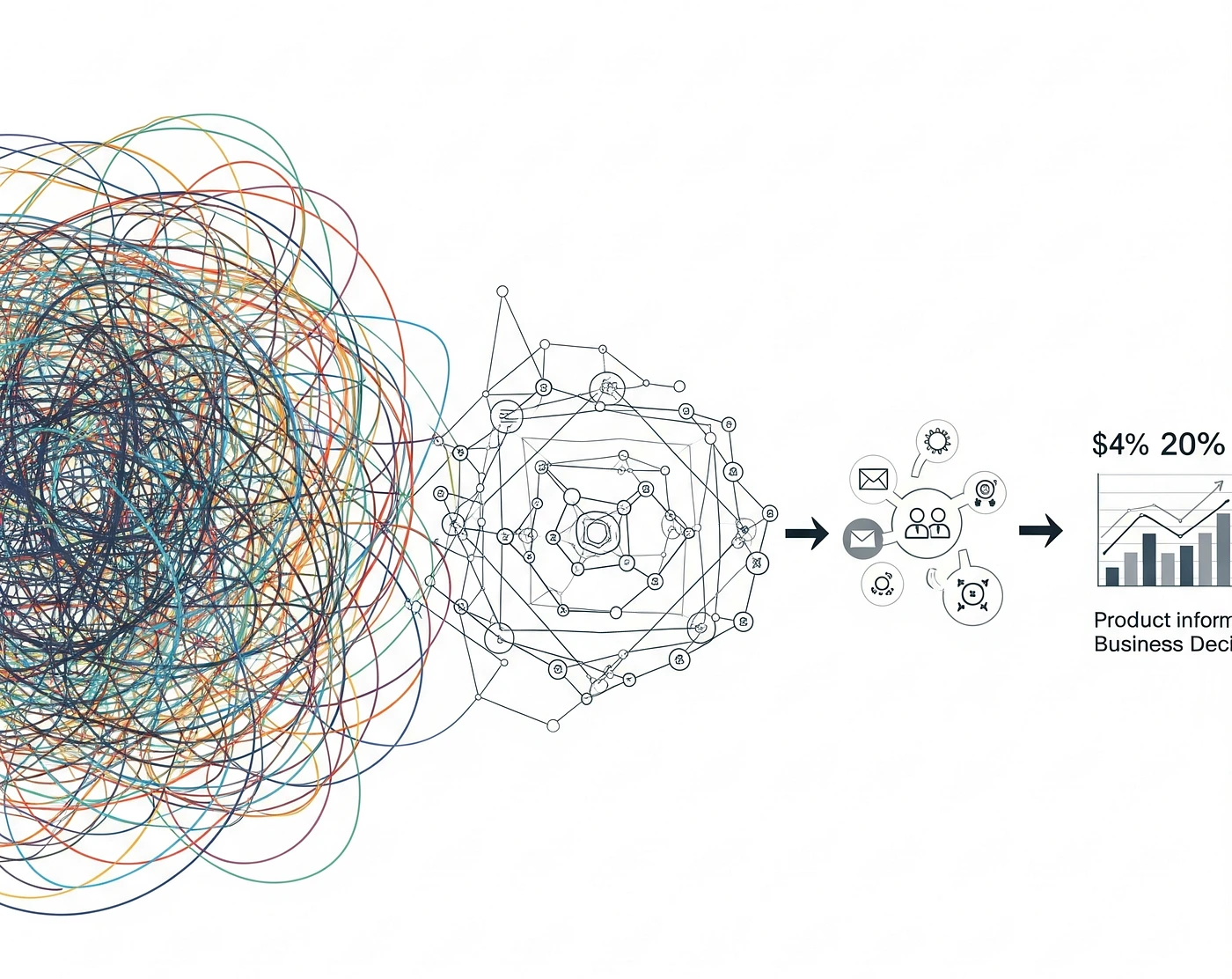
Achieving this status requires publishing highly authoritative, expertly crafted content that comprehensively covers the brand’s core subject matter. If a plumbing company wishes to be recognized as the definitive entity for water heater repair in a specific city, their digital presence must exhibit absolute topical mastery of both the service and the location. This involves utilizing natural language processing techniques to ensure the content contains the necessary semantic variations. Currently, 40.16% of local business queries trigger artificial intelligence overviews, heavily relying on these entity definitions.
Generating Authoritative Third-Party Validations
An entity’s strength is ultimately determined by the volume and quality of independent verifications it receives from trusted external sources. Creating an encyclopedic Wikipedia page or securing a Wikidata entry serves as the gold standard for establishing a universally recognized entity. Search engines utilize these open-source knowledge bases as primary reference points, meaning inclusion provides massive algorithmic validation. Incorporating the best local SEO services entails securing these entries by meeting strict notability guidelines and engaging in legitimate public relations efforts.
Beyond encyclopedia entries, securing coverage from authoritative industry publications and mainstream media outlets significantly bolsters entity trust. When a prominent news organization publishes a feature on a company’s regional expansion, the resulting digital footprint explicitly confirms the brand’s prominence and operational reality. Marketing strategies must systematically cultivate relationships with journalists and industry analysts to generate these high-value, entity-defining citations.
The Evolution Of Citations And Digital Footprints
In the early days of geographic search optimization, ranking success was heavily dependent on generating thousands of listings across obscure online directories. This tactic has become largely obsolete, as search algorithms have grown highly sophisticated at identifying and discounting low-quality automated directory submissions. Today, the focus has shifted entirely to securing presence on high-value, heavily trafficked platforms that consumers actually use for discovery. Ensuring accuracy on primary data aggregators yields infinitely higher returns than chasing sheer volume.

While the total count of citations is no longer the primary driver, citations remain a critical foundational element for establishing entity trust. Search engines cross-reference the data found on your website with the information published on these major platforms to verify the legitimacy of the business. If the algorithm detects massive discrepancies across these primary hubs, it reduces its confidence in the entity, resulting in immediate ranking demotions. Research clearly shows that 62% of consumers would actively avoid using a business if they found incorrect information online.
Interestingly, recent data indicates that large language models and artificial intelligence search assistants are increasingly scraping data from second and third-tier aggregators to build their knowledge bases. Managing this sprawling ecosystem is a critical component of modern brand defense.
Sector-Specific Methodologies For Direct Revenue Capture
Different commercial verticals require highly tailored optimization models to translate online visibility into tangible financial returns. Keep the following industry adaptations in mind when designing a regional acquisition strategy.
Mitigating Third-Party Platform Reliance In Hospitality
Independent hotels and regional hospitality groups currently suffer from a massive overreliance on online travel agencies for customer acquisition. Recent industry data reveals that these third-party platforms control approximately 63.4% of independent hotel bookings, subjecting property owners to exorbitant commission structures. While overall hotel revenue has increased, the costs associated with customer acquisition have outpaced this growth by 25%, severely compressing operational profit margins. Utilizing the best local SEO services allows hotels to aggressively invest in their own direct digital distribution channels to escape this financial trap.

Establishing search dominance is the primary mechanism for shifting market share away from aggregation platforms and back to the hotel’s proprietary booking engine. Extensive global price comparisons indicate that direct booking rates are cheaper than third-party platforms 59% of the time, providing a massive incentive for consumers to book directly. A highly optimized digital presence ensures that when a traveler searches for accommodations, the hotel’s direct website appears prominently above the aggregator listings.
Capturing The Surge In Mobile Search Volumes For Retail
The reliance on mobile devices for regional discovery has completely reshaped the retail and service industries. Statistical analysis reveals that 76% of consumers who search for a nearby business on their smartphone will physically visit a location within 24 hours. Even more compelling is the fact that 28% of these localized searches result in an immediate purchase, demonstrating an extraordinarily high conversion potential for fully optimized businesses. Procuring the best local SEO services ensures organizations do not forfeit this massive share of high-intent, immediate revenue to their competitors.
To capture this mobile audience, a brand’s website must utilize responsive design architecture, ensuring rapid load times and intuitive navigation on small screens. Search algorithms actively penalize domains that provide poor mobile experiences, utilizing mobile-first indexing to determine primary ranking positions. Furthermore, the user interface must prominently display click-to-call buttons and highly visible driving directions to eliminate any friction in the consumer’s journey.
Bridging the gap between a digital map impression and a physical transaction requires a highly integrated marketing approach. Retailers must leverage their digital profiles to highlight real-time inventory levels, allowing searching consumers to verify product availability before making the trip.
Optimizing Service Area Designations For Home Providers
For businesses that travel to the customer, such as plumbing contractors or HVAC technicians, establishing digital relevance presents unique challenges. These service-area businesses do not rely on foot traffic, yet they must still convince search engines of their prominence within specific geographic boundaries. This requires meticulously configuring digital profiles to explicitly define the exact zip codes and municipalities the company serves. Companies leveraging the best local SEO services rarely suffer from algorithmic confusion or reduced visibility within their target operational zones.

Additionally, service providers must construct robust localized content detailing the specific work performed in various neighborhoods. Publishing case studies that highlight a recent installation in a specific town, complete with geotagged imagery and client testimonials, proves to the algorithm that the company is actively operating within that territory. This precise optimization strategy allowed one regional plumbing and HVAC provider to achieve a 1900% increase in monthly revenue within just ten months.
Combating Click-Through Rate Attrition With Citation Engineering
The widespread deployment of artificial intelligence summaries has resulted in a measurable decline in traditional organic click-through rates. Observe the methods detailed below for maintaining visibility within these algorithmic interfaces.
Understanding The Mechanics Of Search Generative Experiences
The introduction of artificial intelligence overviews has fundamentally disrupted traditional search engine results pages, replacing standard links with comprehensive, machine-generated summaries. When a user executes an informational or geographic query, the language model instantly crawls its knowledge base to synthesize a direct answer, completely altering the user interface. This disruption causes traditional organic click-through rates to plummet, with studies showing a 61% decline when artificial intelligence overviews are present on the screen. Securing the best local SEO services allows brands to engineer their inclusion directly within the artificial intelligence response itself.

Studies prove that when a brand is explicitly cited as a source inside the generated summary, that specific brand experiences a 35% higher organic click-through rate compared to non-cited competitors on the exact same query. This visibility drives brand recognition which converts downstream, completely changing how marketing success must be measured. Users now seek answers on advanced platforms, with ChatGPT processing 800 million weekly active users and Perplexity handling 780 million queries in a single month.
Formatting Content For Machine Readability And Extraction
To maximize the probability of being cited by large language models, content must be architected specifically for machine readability. This involves placing direct, concise answers at the very top of the webpage, immediately satisfying the core intent of the user’s query. Formatting techniques such as short paragraphs, bolded critical terms, and structured bullet points allow the artificial intelligence crawler to ingest and categorize the data instantly. Implementing the best local SEO services guarantees that these systems, which heavily favor highly structured information, process your content without any ambiguity.
Data analysis indicates that nearly nine in ten queries triggering these overviews have informational intent, accounting for 88% of all occurrences. Conversely, commercial queries account for only 8.69%, and transactional queries trigger these summaries a mere 1.76% of the time. This intent variance demonstrates that educational content must be flawlessly formatted to capture citation value. Incorporating comprehensive schema markup is absolutely vital in this environment.
Building Brand Trust To Influence Algorithmic Summaries
Artificial intelligence systems are programmed to prioritize safety and accuracy, meaning they rely heavily on established trust signals before recommending a business. An algorithm evaluates the entirety of a brand’s digital footprint, scrutinizing third-party reviews, news mentions, and community sentiment to determine the entity’s reliability. If a business suffers from a high volume of unaddressed negative reviews or displays contradictory data across major directories, the algorithm will actively filter that business out of its summaries. Securing the best local SEO services requires a comprehensive approach to reputation management to satisfy these stringent trust parameters.
Interestingly, research shows that 92.36% of artificial intelligence overview citations come from domains that already rank in the traditional top ten results. This indicates that building foundational organic authority is still a prerequisite for appearing in these advanced summaries. When a brand successfully integrates technical perfection with overwhelming community trust, it becomes the default recommendation for artificial intelligence assistants.
Quantifying Campaign Success And Financial Returns
Advanced reporting goes far beyond rudimentary keyword ranking improvements to measure true business impact. Review the primary metrics that define true commercial success in geographic campaigns.
Establishing Accurate Tracking Mechanisms For Geolocation Data
To accurately measure the financial return on a search marketing investment, organizations must implement sophisticated tracking architectures capable of attributing offline conversions to specific digital touchpoints. This requires deploying dynamic number insertion technology to track phone calls originating directly from localized landing pages and external business profiles. By assigning unique parameters to different digital assets, marketing teams can definitively prove which specific search queries and profiles are generating the most lucrative customer inquiries. The implementation of the best local SEO services ensures that budget allocations never rely entirely on guesswork.

Furthermore, utilizing advanced analytics platforms allows businesses to monitor requests for driving directions generated through mapping applications. This metric serves as a highly reliable proxy for actual physical foot traffic, demonstrating the direct physical impact of digital visibility. Setting up specific conversion goals within these analytics platforms ensures that every digital interaction, from form submissions to newsletter signups, is meticulously cataloged.
Integrating Customer Lifetime Value Into Yield Projections
Evaluating marketing campaigns strictly on the revenue generated from the initial transaction drastically misrepresents the true financial return of search visibility. To calculate a highly accurate return on investment, organizations must incorporate customer lifetime value models into their reporting algorithms. This requires analyzing the average retention period of a new customer, their historical repeat purchase rate, and the estimated revenue generated through their eventual referrals. Professionals delivering the best local SEO services understand that acquiring a new customer through localized search is exponentially more valuable than standard reporting suggests.
The standard formula for evaluating this holistic return subtracts the total campaign costs from the generated lifetime revenue, divides by the costs, and multiplies by 100 to yield a percentage. A business investing significant capital into a comprehensive digital footprint expansion may observe exponential revenue growth as acquired customers compound over several years. Advanced marketing teams utilize this sophisticated financial lens to justify aggressive expansion into highly competitive regional markets.
Recognizing The Limitations Of Traditional Ranking Reports
Historically, agencies relied on static ranking reports detailing a website’s position for a handful of target keywords to prove campaign success. However, modern search results are highly personalized based on the user’s exact micro-location, search history, and device type, making static ranking reports inherently inaccurate. A website may rank first for a user searching downtown, but drop to the fifth position for a user searching just three miles away. Because of this extreme personalization, obsessing over generalized ranking positions distracts from the metrics that actually matter.

Instead of focusing on arbitrary ranking numbers, elite digital strategists evaluate the aggregate increase in qualified organic traffic and the total volume of generated leads across the entire geographic area. A highly successful campaign may result in slightly fluctuating rankings but consistently deliver a 300% increase in direct localized inquiries. Shifting the focus from vanity metrics to commercial outcomes ensures that the organization’s resources remain fully aligned with generating tangible business growth.
Conclusion
Regional discoverability now hinges on mastering artificial intelligence summaries, zero-click searches, and deep semantic entity connections. By optimizing business profiles, engineering structured data for machine readability, and creating hyper-localized landing pages, brands can dominate their geographic markets. Transitioning away from vanity rankings and focusing on customer lifetime value metrics ensures your search marketing efforts translate directly into exponential revenue growth.
Ready to dominate your local market? Engineering a highly visible digital footprint requires technical precision and continuous algorithmic adaptation. Partner with the performance marketing experts at ROI300 to leverage the best local SEO services and scale your regional presence. Contact ROI300 today to transform your digital strategy and turn local searches into lifelong, high-value customers.