

The era of effortless hotel revenue has officially ended. As Online Travel Agencies aggressively push commission fees past 30%, properties must rapidly adapt their distribution models or risk terminal margin erosion. This comprehensive blueprint provides the exact technological frameworks, AI-driven marketing strategies, and data-focused tactics you need to dominate search engines and secure highly profitable direct revenue.
Global Hotel Performance And The Intermediary Tax
To understand the urgency of the direct booking mandate, operators must first analyze broader macroeconomic performance indicators and the structural inequities of the current distribution model.
The Realities Of Hotel Profitability
In the United States, Revenue Per Available Room (RevPAR) experienced a slight decline of 0.2% in 2025 before projecting a modest 0.9% growth trajectory for 2026. This normalization of supply growth across chain scales indicates that the era of effortless, demand-driven revenue expansion has concluded. Conversely, specific regional markets demonstrate distinct resilience.

Data from the United Kingdom indicates that while the Average Daily Rate (ADR) rose from £189.00 in 2024 to £191.55 in 2025, the cancellation rate simultaneously edged down to 18.24%. This rate remains comfortably below the global benchmark of 19.15%. This suggests that while guests are paying slightly higher rates, their booking commitment is firming, pushing the revenue per booked room upward.
The True Cost Of OTA Commission Creep
However, the realization of this revenue is heavily mediated by the Online Travel Agency (OTA) oligopoly. The global OTA market size, valued at $663.70 billion in 2025, is projected to expand at a Compound Annual Growth Rate (CAGR) of 9.0%, reaching an estimated $1,316.67 billion by 2033. This sustained expansion is fueled by rising global internet penetration, ubiquitous smartphone adoption, and a deeply ingrained consumer preference for digital-first convenience.
This intermediary dominance exacts a severe, often unsustainable toll on hotel operating margins. Historically, OTA commission rates ranged from a manageable 15% to 20%. Entering 2026, the industry is suffering from chronic commission creep. Base rates on major platforms now frequently reach 30%, and when factoring in opaque pricing models and preferred placement accelerator programs, the effective cost of guest acquisition can skyrocket to an astonishing 40%.
The Financial Counter Movement
When a substantial portion of a hotel’s inventory is distributed through channels extracting a 30% revenue toll, the property suffers severe margin compression regardless of occupancy levels. The economic reality is that hoteliers relying entirely on OTAs are functionally renting their own guests. Furthermore, this reliance deprives hotels of their first-party customer data, cutting the property out of the lifetime value loop.
The financial counter-movement to this intermediary dominance is the direct booking revolution. Industry forecasts suggest that by 2030, direct digital channels will become the dominant force in hotel distribution, projected to generate over $400 billion in gross bookings. Comparative modeling demonstrates that direct bookings are often twice as profitable as OTA reservations, establishing a sustainable revenue moat built on pricing power and brand loyalty.
Table 1.1. Direct Booking Ecosystem vs. OTA Ecosystem
| Factor | Direct Booking Ecosystem | Online Travel Agency (OTA) Ecosystem |
| Commission Fees | 0%: No third-party commissions or hidden costs | Up to 30-40%: Fees severely reduce net revenue |
| Profit Margin | Higher: Maximum revenue retained by the property | Lower: Commissions erode operational margins |
| Data Ownership | Full: Complete ownership of guest behavioral data | Masked/Limited: Intermediary controls the relationship |
| Upselling Capacity | High: Ability to offer dynamic, personalized add-ons | Low: Restricted tools and standardized offerings |
| Guest Communication | Direct: Immediate pre-arrival and post-stay nurturing | Mediated: Reliance on OTA platform messaging |
Decoding Regional Behaviors And Market Metrics
The transition toward a direct-first distribution strategy requires a granular, data-driven understanding of regional market metrics and evolving booking behaviors. The global travel landscape in 2026 is far from homogeneous.
Global Market Share And Projected Growth
Data reveals that the European OTA market accounts for the largest aggregate revenue share globally at 31.72%, while the Asia Pacific (APAC) region is registering the fastest expansion. North America commands a 35% market share with a relatively mature 8% growth rate, characterized by high ADRs and an established corporate travel focus. Europe maintains a 28% share with a 12% growth rate, driven by diverse source markets and strong seasonal variations.
The APAC region holds a 25% share but is surging at an aggressive 18% growth rate. This is propelled by mobile-first consumer habits and the massive resurgence of Chinese outbound demand. Meanwhile, Latin America and the Caribbean, though possessing a smaller 8% market share, are experiencing explosive 25% growth due to rapidly improving macroeconomic conditions.
Table 1.2. Global Hotel Booking Market Share By Region
| Region | Global Market Share | Projected Growth Rate | Key Market Characteristics |
| North America | 35% | 8% | High ADR, established corporate/business travel focus |
| Europe | 28% | 12% | Highly diverse source markets, strong seasonal variations |
| Asia Pacific | 25% | 18% | Rapid digital expansion, heavily mobile-first consumer base |
| Latin America | 8% | 25% | Emerging opportunities, rapid infrastructural development |
Capitalizing On The OTA Abandonment Leakage
A profound shift in consumer search behavior underscores the urgency for robust direct booking infrastructure. In 2026, 26% of travelers initiate their hotel research directly on platforms like Booking.com, compared to 21% who begin on Google. However, this shift presents a massive strategic opening for savvy hoteliers.
A critical two-step booking behavior has firmly established itself: 18% of travelers who commence their search on an OTA ultimately abandon the intermediary to finalize their transaction directly on the hotel’s official website. They utilize the expansive inventory of OTAs for initial research and price comparison, but seek out the direct channel to secure better service, customized inclusions, and a direct relationship.
Capitalizing on this 18% leakage requires a highly optimized website capable of superior conversion. Across the hospitality sector, average website conversion rates hover between 2.5% and 3.5%. A conversion rate exceeding 4% to 5% denotes a best-in-class direct booking infrastructure characterized by rapid server load times and seamless payment gateways.
The Vietnam Hospitality Boom And Digital Disruption
The immense growth dynamics of the Asia Pacific region are intensely magnified within the rapidly evolving Vietnamese hospitality market.
The Rapid Digitization Of The Domestic Market
Vietnam’s digital economy, valued at $39 billion in 2025, is projected to more than double to $80 billion by 2030. The online travel sector within the country is expected to grow in direct tandem, doubling from $4 billion to $8 billion over the exact same period. This rapid digitization is fundamentally restructuring the domestic hotel landscape.

The hotel market is forecast to increase by $5.33 billion between 2024 and 2029, achieving an exceptional world-leading CAGR of 21.1%. Broader long-term industry measurements evaluate the total market size at $23.73 billion in 2025, scaling steadily to $38.01 billion by 2031 at an 8.17% CAGR.
Overcoming Structural Fragmentation
A defining characteristic of the Vietnamese market is its profound structural fragmentation. Independent hotels dominate the landscape, holding a commanding 69.88% market share. This lack of centralized multinational chain consolidation makes independent properties exceptionally vulnerable to third-party distribution networks.

Currently, OTAs control an estimated 58.85% to 70% of the online booking market in Vietnam. The resulting commission burden is devastating to independent operator margins, prompting a structural industry-wide backlash. Data indicates that 80% of independent hotels in Vietnam are actively exploring proprietary direct booking engines to circumvent these exorbitant acquisition costs.
The South Korean Outbound Juggernaut And Naver SEO
For luxury and mid-scale resorts globally seeking to capture high-volume inbound revenue, understanding the outbound dynamics of South Korea is an absolute commercial imperative.
Capturing The Affluent Korean Demographic
South Korea has firmly emerged as the second-largest outbound travel market in Asia, trailing only Singapore in travel frequency. Projections indicate that South Korea will generate an astonishing 28.5 million outbound travelers in 2026. This demographic is highly valuable, with the average daily expenditure on overseas accommodation sitting at approximately $171 USD per night.
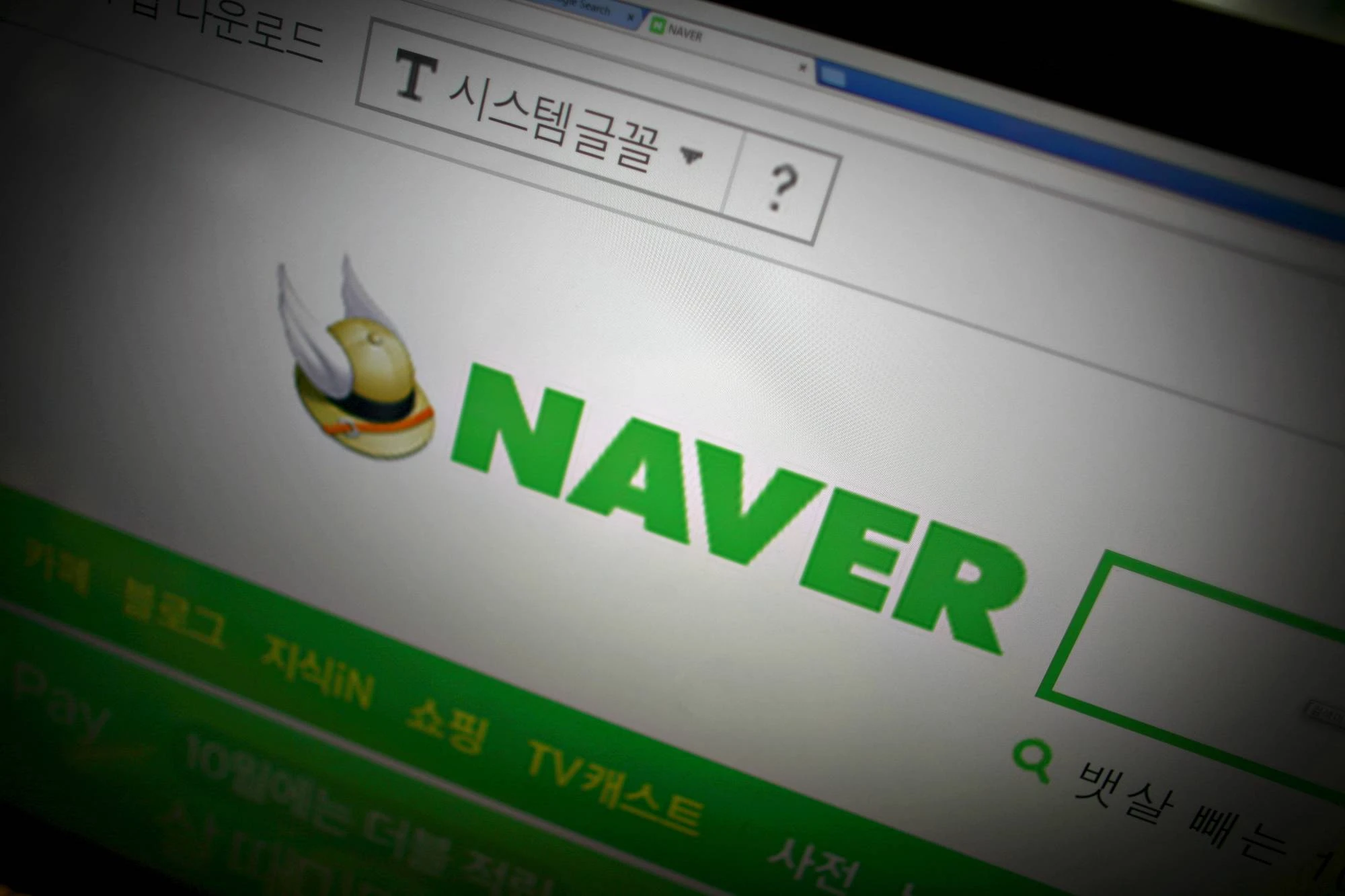
Affluent 40-something demographics are known to spend upwards of $196 USD per night. Capturing this exceptional market requires a stark departure from Western-centric digital marketing paradigms. In South Korea, Google’s global dominance is severely eclipsed by Naver.
Navigating The Unique Naver Search Ecosystem
Naver is a highly localized search engine and comprehensive digital ecosystem that commands over 60% of the domestic search market. Its algorithmic architecture prioritizes highly localized Korean-language content, deep cultural nuance, and semantic relevance over traditional keyword matching. The Search Engine Results Page (SERP) on Naver is a deeply layered interface that heavily privileges content generated natively within Naver’s own proprietary ecosystem, such as Naver Blog and Naver Café.
For an international hotel brand to secure direct bookings from Korean travelers, a standard translated SEO strategy is entirely insufficient. A highly specialized Naver SEO approach is required, involving the active cultivation of localized blogs and authentic engagement in Naver communities. Naver is also executing a strategic push to capture the inbound and outbound tourism market directly via its “inbound super app,” making optimization for this specific platform mandatory.
The Billboard Effect And Dynamic Budgeting
To fully harness the direct booking potential in 2026, properties must strategically leverage the massive global visibility provided by OTAs.
Harnessing Massive OTA Visibility
This phenomenon is known as the “Billboard Effect,” which refers to the measurable increase in direct website reservations a hotel experiences simply by maintaining an active listing on major OTA platforms. Millions of users utilize platforms like Expedia or Booking.com for broad discovery. Upon discovering a desirable property, a significant cohort will leave the OTA environment to search for the hotel’s official website.

Research demonstrates that as many as 52% of travelers actively visit a hotel’s official website after initially discovering it on an OTA. Furthermore, up to 75% of consumers who ultimately finalize a reservation on a hotel’s direct site had previously visited an OTA channel during their purchasing journey. Capturing this traffic requires aggressive digital marketing tactics, particularly when executing paid search strategies.
Purchasing sponsored search ads can decrease the organic Click-Through Rate by as much as 70%, but it captures immense top-of-funnel visibility. This often results in an average 84% net increase in total traffic to the hotel’s booking environment. This massive influx of total traffic yields a positive net financial effect, increasing total direct bookings by an estimated 41%.
Adopting A Dynamic Marketing Budget
This intricate interplay necessitates a paradigm shift in how hoteliers evaluate digital customer acquisition costs. Traditionally, hotels arbitrarily cap their digital marketing expenditures at roughly 2.5% of gross room revenue. They rigidly compare this small budget against the 20% to 30% commission paid out to an OTA.
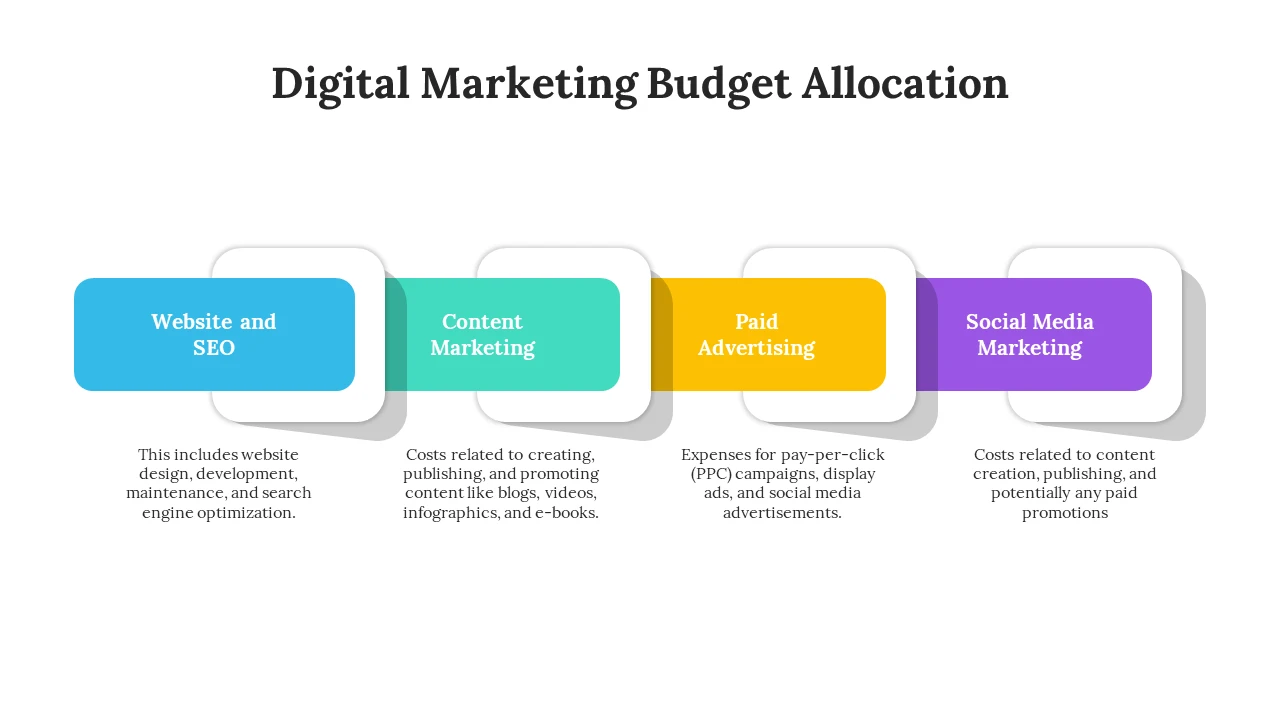
This binary comparison is a strategic trap. The modern profitable solution is the adoption of Dynamic Budgeting, treating direct channel visibility as an appreciating revenue-generating asset. Dynamic Budgeting invests a predetermined percentage of every direct booking back toward sustained digital visibility.
This allows marketing budgets to scale fluidly based on seasonal demand curves and specific property lifecycle stages. By evaluating direct marketing spend through the lens of lifetime customer value rather than a single transactional commission, hotels can systematically erode their OTA dependency.
Generative Engine Optimization And The Zero Click Reality
The most profound disruption to the hospitality distribution landscape in 2026 is the transition from algorithmic keyword search to Generative Engine Optimization (GEO).
The Massive Shift To AI Search Interfaces
Consumer search behavior is now about structuring knowledge to satisfy AI-powered generative engines like Google’s Search Generative Experience (SGE), Gemini, Perplexity, and ChatGPT. Consumer adoption of conversational AI for travel planning is staggering. ChatGPT commands over 5 billion monthly visits, while Google’s AI Overviews reach 2 billion monthly users.
AI summaries now appear on 57% of high-intent commercial searches where e-commerce and travel brands traditionally dominated. By 2028, over 75% of all Google searches will feature AI summaries, funneling an estimated $750 billion in consumer spend through AI interfaces. For hoteliers relying on traditional SEO, this shift precipitates a zero-click crisis, as 60% of traditional searches now yield absolutely no clicks to external websites.
Structuring Data For Generative Engines
However, the traffic that emerges from Large Language Models possesses unprecedented commercial intent. Traffic originating from ChatGPT converts at an astonishing 15.9%, and Perplexity at 10.5%. To capture this hyper-qualified traffic, hotel digital marketing must pivot aggressively to GEO.
This requires abandoning superficial listicles in favor of deep, structured, and contextually rich content architecture. AI models crave semantic authority and deep context. Properties must build exhaustive FAQs and highly detailed destination guides that answer long-tail queries natively. The deployment of advanced Schema markup is the fundamental vocabulary required to allow AI parsers to instantly comprehend a hotel’s amenities and real-time rates.
The Dawn Of Agentic AI And Machine Bookings
While Generative AI functions as an interactive advisor, the hospitality industry is crossing a critical threshold into the era of Agentic AI.
Transitioning To Autonomous Agents
Agentic AI systems possess the autonomy to execute complex multi-step tasks and transactions with minimal human oversight. They do not merely suggest a hotel based on a prompt; they negotiate the optimal rate and autonomously process the payment via integrated digital wallets. In 2026, the distribution landscape is moving rapidly from human-to-hotel interactions toward seamless agent-to-agent transactions.

This paradigm shift is facilitated by infrastructures like the Model Context Protocol (MCP) and agentic payment frameworks pioneered by major financial networks. For a property to remain commercially viable, its human-readable websites will become secondary to machine-readable data pipelines. A hotel’s real-time inventory and dynamic pricing logic must be flawlessly machine-readable via APIs at all times to remain visible.
Surviving The Cookieless Future With First Party Data
Compounding the disruption caused by AI is the permanent elimination of third-party cookies across all major web browsers.
The End Of Third Party Tracking
For years, digital hotel marketing relied heavily on third-party tracking pixels to execute cross-site retargeting campaigns. In 2026, this foundational advertising infrastructure has collapsed due to strict global privacy mandates. The deprecation of third-party cookies fundamentally alters audience creation and demographic tracking.
Without cross-site identifiers, determining a prospective guest’s browsing history is exceedingly difficult, rendering traditional display advertising inefficient. Consequently, the hospitality industry is witnessing an urgent pivot toward the activation of first-party data. Information collected directly from the guest with their explicit consent is entirely immune to browser cookie bans.
Privacy First Engagement Technologies
The strategic necessity of owning the direct guest relationship has never been clearer. OTAs deliberately mask customer data, returning generic proxy email addresses that intentionally prevent hotels from executing post-stay marketing. By driving direct bookings, hotels accumulate an unassailable database of verified guest profiles.
Leading marketers are deploying server-side tracking solutions, such as Meta’s Conversions API, to create secure data pipelines that recapture lost attribution data. Web Push notifications have also emerged as a powerful cookieless re-engagement tool. Operating in a privacy-first environment, Web Push campaigns frequently yield Click-Through Rates between 5% and 15% without utilizing any invasive third-party identifiers.
Conversion Architecture And Frictionless Technology
Driving massive volumes of traffic to a hotel website is entirely futile if the property’s digital infrastructure fails to convert the visitor.
Deploying AI Webchat Agents
A primary point of abandonment occurs when prospective guests encounter unanswered questions regarding specific amenities or pet policies. Leading properties have integrated SaaS AI-powered Webchat agents directly into their booking engines. These advanced conversational AI models process natural language fluidly and offer real-time translation in over 100 languages.

By delivering instant answers and proactively guiding the user through the checkout flow, AI chatbots eliminate information friction. Empirical data indicates that hotels deploying advanced AI webchat solutions experience a massive 20% to 35% lift in conversion rates for direct booking inquiries.
Modern Key Systems And Automated Upselling
Modern Guest Management Systems integrate the digital booking process with the physical reality of the hotel stay. This encompasses digital arrivals, self-service tablet registration, and full Mobile Check-In functionalities. A critical component is the evolution of the hotel key card, rapidly adopting Smart Cards and Mobile Keys utilizing Near Field Communication (NFC) and Bluetooth technology.
Table 1.3. Key Card Technologies And Operational Access
| User Type | Optimal Key Technology | Assigned Access Features |
| Standard Guest | RFID / Smart Card | Room access, specific elevator floors, in-room power activation |
| VIP Guest | Mobile Key (NFC/BLE) | App-free smartphone entry, personalized premium access zones |
| Housekeeping | Staff Keycard | Time-gated access restricted to designated cleaning zones |
| Management | Master Keycard | Unrestricted access across all facility parameters with override |
When this digital infrastructure is paired with automated dynamic upselling, the revenue impacts are staggering. Hotels utilizing software platforms to automate personalized upsell offers see incredible returns. The Williamsburg Lodge saw annual upsell revenue explode by 10x, Casa Faena drove 55% more upsells, and Elements of Byron generated over $250,000 AUD through automated upselling.
The Science Of Loyalty And Psychological Ownership
While technological supremacy is a structural necessity, the ultimate driver of sustained direct booking revenue is authentic guest loyalty.
Fostering The Endowment Effect
To foster true brand advocacy, hoteliers must leverage the behavioral economics concept of “psychological ownership.” Research published in the Cornell Hospitality Quarterly demonstrates that inducing a deeply perceptual state that something is fundamentally “mine” exerts a profound impact on customer loyalty.
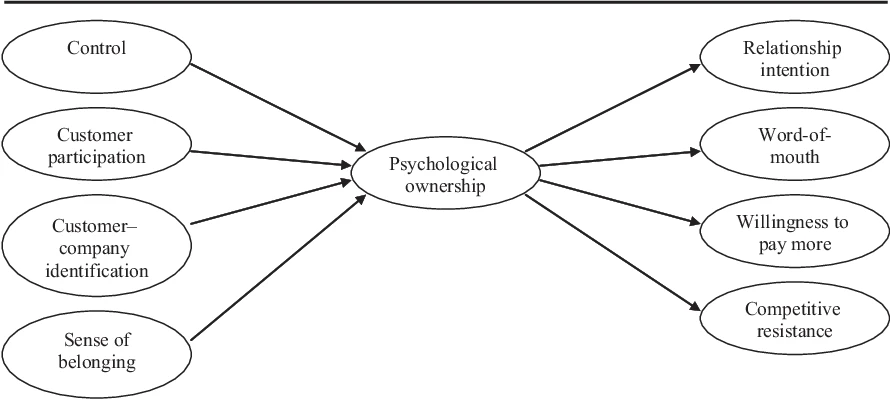
This mechanism is closely related to the “endowment effect.” When consumers are granted minor avenues to customize their experience, they feel a proprietary attachment to the brand. Allowing guests to dictate the physical arrangement of their room furniture or select preferred pillow softness significantly elevates their profound sense of ownership.
Building A Closed Loop Loyalty System
This psychological attachment translates directly into measurable commercial outcomes. It increases brand stewardship, fosters positive reviews, and dramatically increases the guest’s propensity to bypass OTAs for subsequent stays. Properties can intertwine this principle with automated upselling strategies to boost ancillary revenue.
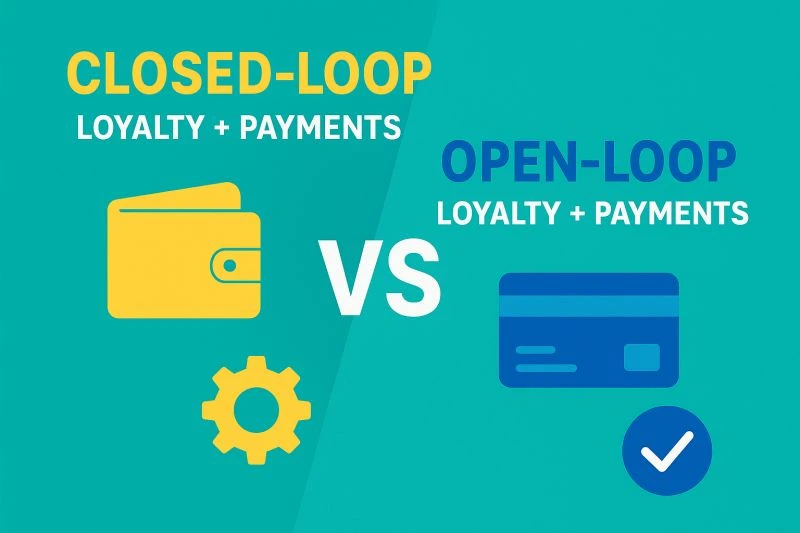
Utilizing first-party data, hotels can deploy campaigns that make the guest feel valued. Sending automated emails 48 hours prior to check-in offering bespoke amenity selection initiates psychological ownership early. Deploying post-stay messaging paired with a compelling discount for booking directly creates a highly profitable, closed-loop loyalty system insulated from third-party commoditization.
Conclusion
The hospitality distribution landscape is evolving at breakneck speed. Relying on outdated marketing strategies and paying exorbitant OTA commissions is a guaranteed recipe for terminal margin erosion. By mastering Generative Engine Optimization (GEO), leveraging first-party data in a cookieless world, and engineering a frictionless conversion architecture, your hotel can reclaim its digital independence and exponentially increase profitability.
Ready to maximize your direct revenue and outsmart the competition? Navigating the immense complexities of AI search, specialized Naver SEO, and technical conversion rate optimization requires dedicated hospitality expertise. Partner with the performance marketing professionals at ROI300 to build a customized, high-converting digital ecosystem. Contact ROI300 today to cut your acquisition costs, dominate your local market, and turn passive digital browsers into lifelong, commission-free direct guests.