


The digital travel landscape has fundamentally shifted, empowering consumers to compare global pricing options in mere seconds. Today’s highly analytical travelers rely almost entirely on price comparison grids to finalize their accommodation choices before booking. Discover how mastering Hotel metasearch marketing can instantly intercept these high intent buyers, significantly lower your acquisition costs, and transform your property into a highly profitable direct booking engine.
What Is Hotel MetaSearch Marketing In The Modern Digital Ecosystem?
Understanding the fundamental architecture of digital distribution requires a deep dive into shifting consumer habits. Below is a comprehensive breakdown of how these aggregator ecosystems actually function.
Defining The Digital Aggregation Ecosystem
At its core, Hotel metasearch marketing represents a highly specialized advertising discipline focused entirely on price comparison grids. These unique engines aggregate hotel rates, availability data, and property reviews from numerous independent sources simultaneously. Unlike traditional online travel agencies, these platforms do not directly process consumer transactions or handle guest service inquiries. Instead, they function as powerful traffic directors that route high intent consumers directly to the most competitive booking environment.

The platform queries multiple databases the moment a user inputs specific travel dates and geographic locations. It subsequently compiles a highly organized list of purchasing options. This allows the consumer to compare rates from the official hotel website alongside various third party agencies. By displaying their official direct rates prominently, brands can intercept bookings that would typically default to high commission third parties.
The reliance on these comparison grids is no longer a niche consumer behavior in the travel industry. Industry data reveals that 94.4 percent of travelers utilize these platforms occasionally during their accommodation research phase. Furthermore, 72.5 percent of these consumers classify their usage of these specialized tools as highly regular behavior. This indicates that participating in these live pricing auctions is essentially mandatory for any brand seeking sustainable revenue streams.
The Profound Shift From Traditional Search Behavior
The modern traveler has become exceptionally price sensitive due to compounding economic pressures and widespread global inflation. The historical habit of navigating directly to a single brand website has been almost entirely eradicated by the convenience of centralized comparison platforms. Consumers now demand absolute transparency regarding market rates before they commit any capital to a reservation. If a property fails to appear on these centralized dashboards, they are effectively invisible to the largest segment of active buyers.

This behavioral shift heavily impacts brand trust and perceived overall value. If a property’s direct price appears worse than the rates offered by third party agencies on these comparison grids, consumer trust in the core brand severely diminishes. Maintaining a strong and competitive presence on these platforms reassures the consumer that booking directly offers the highest possible financial value. Consistency across all visible channels is the absolute bedrock of modern digital credibility.
Consequently, organic website traffic generated by traditional brand searches is no longer sufficient to maintain strict occupancy goals. Travelers often use standard search engines to initiate their journey, but they quickly transition to aggregator tools to finalize their financial decisions. Failing to defend your brand name on these comparative interfaces essentially gifts your hard earned traffic to unauthorized resellers. Brands must physically own their audience by controlling the final click of the complex digital journey.
Navigating The High Intent Conversion Funnel
The most critical differentiator of price comparison platforms is the extraordinary level of purchasing intent exhibited by the active user base. When a consumer queries a specific property name on an aggregation site, they have already bypassed the awareness and consideration phases of the marketing funnel. They are actively comparing final prices, making this audience the absolute highest intent demographic available on the internet. Capturing this demand requires immense technical precision and unyielding pricing reliability.
The conversion metrics associated with these platforms clearly illustrate their massive superiority over top of the funnel advertising channels. Traditional generic search advertisements typically yield conversion rates hovering between 1 percent and 3 percent. Standard landing pages operated by third party agencies perform slightly better, capturing conversions at a rate of 2 percent to 5 percent. In stark contrast, direct campaigns on aggregation platforms consistently drive conversion rates of 6 percent to 18 percent.
Table 1.1. Average Conversion Rates By Traffic Source
| Traffic Source | Average Conversion Rate | Audience Intent Level |
| Generic Paid Search | 1% to 3% | Low to Moderate |
| Third Party Landing Pages | 2% to 5% | Moderate to High |
| Direct Aggregator Links | 6% to 18% | Extremely High |
This dramatic increase in conversion efficiency drastically lowers the overall cost of new customer acquisition. The traffic is highly pre qualified, having already filtered for dates, location, and acceptable price ranges before ever clicking the advertisement. Therefore, the traffic arriving at the brand’s proprietary booking engine is heavily primed for immediate conversion. Marketers must capitalize on this psychological readiness by delivering a completely frictionless checkout experience.
Why Is Hotel Metasearch Marketing Important For Your Hospitality Brand?
The financial implications of ignoring these digital comparison grids are absolutely catastrophic for modern enterprises. Let us explore the profound economic impact these platforms exert on global hospitality.
Reclaiming Market Share From Unauthorized Resellers
The primary threat to profitability in the aggregation space is the unchecked proliferation of unauthorized third party resellers. These entities manipulate wholesale rates, slash their own profit margins, and display artificially low prices on comparison platforms to steal valuable clicks. When a consumer sees a third party site offering a lower price than the official brand website, the integrity of the direct booking channel is instantly compromised. This dangerous dynamic creates a catastrophic financial bleed for the affected property.

The mathematical penalties for allowing these severe price discrepancies are extremely damaging to the bottom line. Research indicates that properties suffering from chronic undercutting pay a massive premium in mandatory advertising costs. Specifically, these properties incur an additional 3,500 dollars in media fees for every 10,000 clicks generated simply trying to outbid the unauthorized resellers. Furthermore, booking engine conversion rates routinely plummet by more than a third when a cheaper rate is visible directly adjacent to the official listing.
Conversely, properties that maintain strict rate integrity unlock massive and highly scalable financial efficiencies. When a hotel guarantees its website displays the absolute lowest rate, average advertising costs plummet to highly efficient operational levels. These optimized properties often see their acquisition costs stabilize around 0.75 dollars per click while simultaneously achieving significantly stronger conversion margins. Having the undisputed best rate on an aggregation platform has been proven to double the total revenue generated.
The Exponential Growth Of Global Market Valuation
The digital aggregation industry is currently experiencing an unprecedented period of accelerated and sustained financial expansion. Market analysis indicates that the global sector valuation reached a massive 12.98 billion dollars at the start of 2025. Forecasts project this staggering figure to climb to 14.81 billion dollars by the end of 2026. Over the long term, the industry is expected to maintain a robust compound annual growth rate of 14.12 percent through the year 2034.

This sustained growth is a direct reflection of rapidly shifting consumer demands and relentless technological advancements. As more travelers rely on these tools, the platforms themselves are investing heavily in enhanced user interfaces and broader global data syndication networks. The barrier to entry for consumers is practically non existent, ensuring that platform adoption rates will continue to climb globally. Brands must allocate their limited marketing budgets to align mathematically with where the consumer attention is heavily concentrated.
Regional Adoption Variations And Emerging Markets
This sustained global growth is heavily concentrated in established digital economies, although emerging markets are rapidly closing the technological gap. North America and Europe currently dominate the digital landscape, accounting for approximately 70 percent of the total global revenue generation. This regional dominance is fueled by deep internet penetration, highly established tourism infrastructures, and massive corporate travel sectors. These areas represent the most mature battlegrounds for digital visibility and require highly sophisticated granular bidding tactics.

Conversely, the Asia Pacific region is rapidly transforming into the absolute next major growth frontier for digital aggregation platforms. This specific geographic region currently accounts for approximately 35 percent of the overall market share and is expanding at an unprecedented rate. Fueled by increasing smartphone adoption and rising middle class disposable income, the Asian market requires highly localized and nuanced operational strategies. Success in these diverse regions demands an intimate understanding of unique linguistic nuances and preferred local software networks.
Localized aggregation engines cater to very specific cultural nuances within their respective individual regions. Global brands cannot blindly apply a uniform blanket advertising strategy across these deeply fragmented regional ecosystems. They must intricately adapt their digital presence to align perfectly with the specific technical requirements of each local platform. Cultivating strategic partnerships with regional technological experts is the most efficient operational method for penetrating these geographically fenced digital economies.
Generating Authentic First Party Data Ownership
Utilizing Hotel metasearch marketing successfully allows brands to reclaim ownership of their most valuable digital asset. When a traveler completes a reservation through a traditional third party agency, the agency retains all the primary contact information and behavioral data. The property merely receives a confirmed reservation, stripping them of the vital ability to communicate directly with the guest prior to arrival. This severely limits the long term potential for customized upselling and deep brand loyalty development.
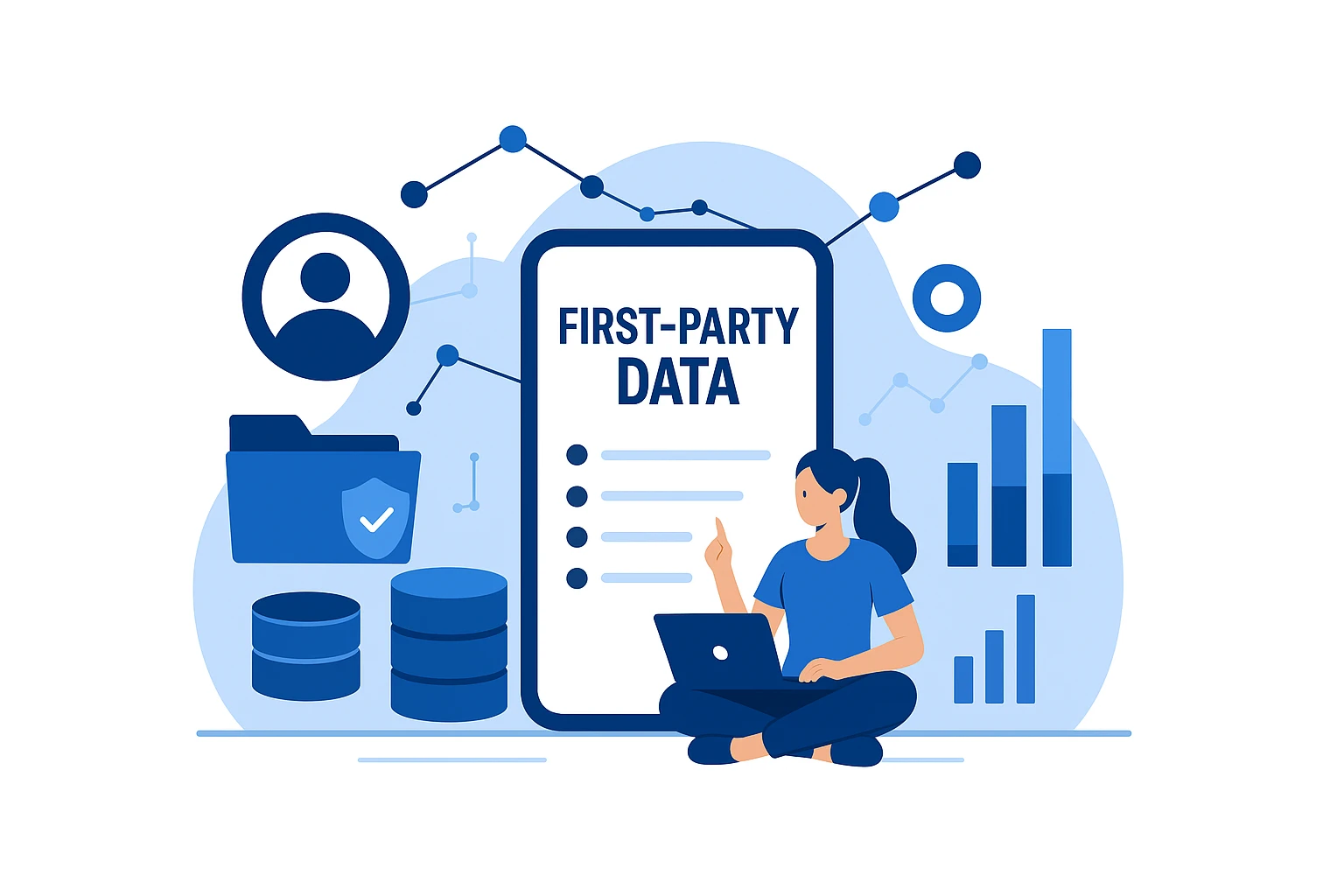
By driving traffic directly to the proprietary booking engine, properties immediately capture the user’s authentic contact details and historical purchasing patterns. This massive influx of first party intelligence fundamentally redefines the traditional concept of brand loyalty. Modern loyalty programs must shift entirely away from abstract point systems and focus entirely on delivering personalized meaningful experiences. Integrating exclusive loyalty rates directly into the aggregated pricing feeds creates a highly profitable closed loop conversion system.
Furthermore, this rich data enables brands to predict future travel behaviors with stunning mathematical accuracy. By deeply analyzing past behavior, properties can proactively anticipate guest needs and intricately tailor their communications accordingly. For instance, a guest with a documented history of booking wellness packages should automatically receive early access to new spa promotions. This elevated level of targeted communication dramatically increases the statistical likelihood of a repeat direct booking.
How Does A Metasearch Marketing Platform Technically Operate?
Executing a flawless direct booking campaign demands incredibly precise technological integrations across multiple software systems. Consider the following mechanical components that drive continuous real time inventory synchronization.
Real Time Inventory Synchronization Mechanisms
The foundational requirement for any successful aggregation campaign is the seamless flow of accurate pricing data. The property management system must communicate flawlessly with the designated channel manager to provide continuous real time updates on rates and available inventory. This technical bridge prevents catastrophic inconsistencies between the hotel’s internal financial management and the prices displayed on public metasearch platforms. If a discrepancy occurs, the platform’s algorithm will heavily penalize the brand’s visibility ranking.

Additionally, the customer relationship management system must be deeply integrated with the proprietary booking engine. This highly specific connectivity ensures that member specific pricing and targeted loyalty rates can be accurately reflected in the public search results. When a loyal customer searches for a property, the system must instantly recognize their digital footprint and display their exclusive discounted rate. This personalized pricing mechanism is crucial for driving high volume repeat business and defending against third party agencies.
Furthermore, overarching digital marketing efforts must be technically consistent with all operational data pipelines. Promotional banners displayed on the website must mathematically align with the exact rates being fed into the aggregation engines. These smart integrations are absolutely necessary to keep the hotel’s distribution running smoothly without the severe financial risk of rate inconsistency leaking through. Treating this technological foundation as an afterthought will guarantee a failed advertising campaign.
The Hidden Algorithms Governing Price Visibility
Every major aggregation platform utilizes highly complex proprietary algorithms to determine which booking links are displayed to the consumer. These algorithms heavily prioritize rate parity, meaning they actively reward properties that offer the absolute lowest available price on the open internet. If a property’s direct rate is even slightly higher than a competing third party agency, the algorithm will mathematically suppress the direct brand link. Maintaining total pricing supremacy is the single most important algorithmic ranking factor.

To combat the natural fluctuations that occur in global pricing, advanced revenue management systems utilize intelligent threshold buffer logic. Because minor pricing discrepancies frequently arise from innocuous currency conversions or fractional tax differences, systems can be meticulously configured to ignore deviations below a strict 0.5 percent threshold. This critical normalization logic ensures that revenue managers do not suffer from alert fatigue. It allows them to focus their valuable time exclusively on combating genuine malicious undercutting by rogue agencies.
Furthermore, these algorithms also weigh the historical conversion rate of the provided landing page. If a property bids aggressively but provides a broken or painfully slow booking engine, the platform will systematically decrease their impression share. The aggregators fundamentally want their users to experience a seamless transaction, so they actively demote links that result in high bounce rates. Therefore, technical website optimization is a direct prerequisite for maintaining algorithmic visibility.
Integrating Advanced Multi Touch Attribution Models
To accurately measure the true financial impact of these complex campaigns, brands must rapidly abandon outdated tracking methodologies. Relying exclusively on first touch or last touch attribution fundamentally misrepresents how modern sophisticated consumers navigate the digital ecosystem. A consumer might discover a brand via a standard paid search ad, read a blog post a week later, and ultimately convert through an aggregated pricing link. Single touch models blindly assign 100 percent of the revenue credit to only one of those actions, leading to drastically skewed budget allocations.
Advanced multi touch attribution models distribute the massive conversion credit mathematically across the entire documented journey. The highly analytical time decay model gradually assigns more financial credit to the interactions that occurred chronologically closer to the final transaction. Alternatively, the highly popular U Shaped model assigns a strict 40 percent of the credit to the initial discovery touchpoint and 40 percent to the final conversion click. The remaining 20 percent is then evenly distributed across all intermediate nurturing interactions.
Table 1.2. Digital Marketing Attribution Models
| Attribution Model Type | Credit Distribution Logic | Primary Business Application |
| First Touch | 100% to initial interaction | Pure brand awareness campaigns |
| Last Touch | 100% to final interaction | Simple highly transactional funnels |
| Time Decay | Increasing credit closer to conversion | Short consideration cycle purchases |
| U Shaped (Position) | 40% First, 40% Last, 20% Middle | Complex multi channel customer journeys |
Implementing these advanced algorithmic models requires highly sophisticated data tracking infrastructure capable of seamlessly following a user across multiple devices and sessions. Without this profound level of analytical clarity, executives are forced to make massive budget allocation decisions entirely blindly. Leveraging transparent measurement tools allows elite organizations to identify exactly which channels drive true incremental revenue.
What Are The Key Benefits Of Optimized metasearch marketing Campaigns?
Transitioning advertising capital toward high intent comparison grids yields extraordinary financial returns. Here are the most prominent advantages that properties gain when deploying sophisticated distribution architectures.
Dramatically Reducing Customer Acquisition Costs
The financial yield of Hotel metasearch marketing outpaces almost every other digital channel available to modern hoteliers. By aggressively intercepting users at the absolute bottom of the purchasing funnel, properties can drastically lower their overall cost per acquisition. When managed correctly, this channel routinely outperforms traditional pay per click results for both individual boutique hotels and massive global management companies. The efficiency stems entirely from the extreme purchasing intent exhibited by the specific user base.
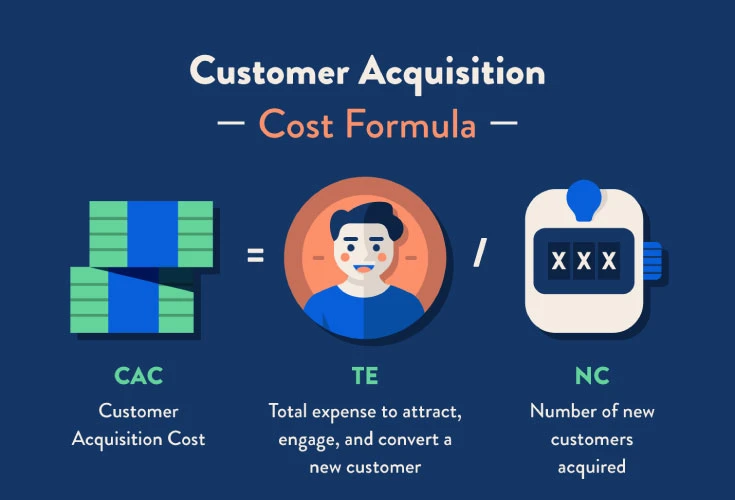
Case studies consistently demonstrate the staggering return on investment possible within this specialized ecosystem. Well structured campaigns frequently achieve returns on ad spend that exceed 1,000 percent, acting as a massive multiplier for limited marketing budgets. One prominent digital agency reported that their hotel clients utilizing Google Hotel Ads achieved an average return of nine euros for every single euro invested. This equates to a phenomenal 900 percent return on investment.
Achieving these extremely low acquisition costs requires constant highly granular bid adjustments based on real time market fluctuations. This level of operational intensity is exactly why industry leaders rely heavily on expert technical marketing teams like ROI300. By outsourcing the complex daily optimization to seasoned digital strategists, properties can guarantee their marketing budgets are deployed with maximum financial efficiency. Partnering with elite consultants translates directly into much higher net revenue and significantly reduced advertising waste.
The Social Media Halo Effect On Branded Search
The impact of modern marketing extends far beyond easily trackable direct click conversions on a singular platform. Sophisticated marketers understand the immense power of the social media halo effect, which exerts a massive influence on search behavior. When a highly engaging organic social media post or a targeted influencer campaign goes viral, it rarely results in immediate direct transactions. Instead, it creates a powerful surge of generalized curiosity regarding the specific brand or property.
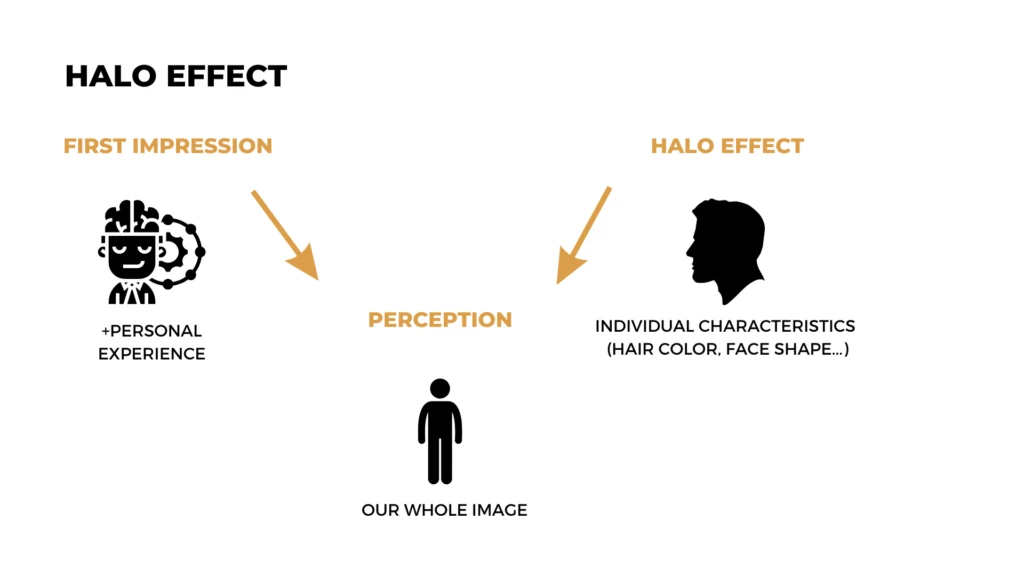
This sudden surge in curiosity inevitably manifests as a massive spike in direct branded search volume across major search engines. Consumers who witnessed the social content will subsequently open a browser and explicitly type the property’s name into the primary search bar. This is precisely where the aggregation strategy becomes absolutely vital for revenue capture. If the brand does not own the top pricing position when that wave of social traffic hits the search results, third party agencies will siphon off the demand.
Unfortunately, many isolated search engine optimization teams completely fail to measure this connection, treating branded search performance as random background noise. However, branded search is arguably the absolute clearest possible signal of market demand and established brand trust. Aligning social media deployment schedules with highly aggressive bidding strategies ensures that a brand successfully captures 100 percent of the lucrative secondary traffic generated by viral content.
Customizing The Guest Experience Prior To Arrival
Securing visibility on a crowded comparison grid is practically useless if the advertisement fails to capture the user’s immediate attention. To maximize click through rates, advertisers must relentlessly optimize their custom callouts and amenity filters within the platform’s digital interface. Major platforms typically allow up to 100 unique callouts to be associated with a specific campaign entity. Each individual phrase is strictly limited to a concise 25 characters, meaning every character must demonstrate immediate undeniable value.

Generic vague language is entirely ineffective and financially wasteful in this highly competitive digital environment. Callouts must be extraordinarily specific, explicitly highlighting the exact amenities that act as primary demand drivers for the target demographic. Phrases such as Free High Speed WiFi, 24 Hour Concierge Service, or Complimentary Airport Transfer provide the concrete data points required to justify a premium direct rate. Furthermore, explicitly mentioning direct booking incentives drastically increases initial engagement.
Consistency between the advertisement text and the final landing page is also absolutely paramount for conversion success. If the callout promotes a specific room upgrade or dining package, that exact language must be the very first thing the consumer reads upon clicking through to the website. Any disconnect between the promise made in the search interface and the reality of the landing page will immediately trigger a massively high bounce rate. Wasting valuable advertising capital on misleading callouts is a severe operational failure.
Essential Features Of A Highly Profitable Metasearch Marketing Strategy
Securing market dominance goes far beyond simply turning on a basic advertising campaign. Discover the essential strategic components required to maximize your return on advertising spend.
Mastering The Cost Per Click Financial Model
The Cost Per Click model remains the absolute most traditional and highly granular method for managing digital advertising investments. In this fast paced auction environment, the advertiser pays a specifically negotiated price each time a user physically clicks on their generated tracking link. This model provides the highest possible level of financial control, allowing marketers to adjust maximum bids in real time to align precisely with shifting seasonal demands. Advertisers can aggressively scale their total impression share when local market conditions are highly favorable.
However, the Cost Per Click structure introduces an inherent element of severe financial risk because the advertiser pays for the traffic regardless of whether a transaction actually occurs. Upfront advertising capital is strictly required, and absolutely nothing is refunded in the unfortunate event of a guest cancellation. Therefore, this model demands highly active management, sophisticated daily performance tracking, and a profound understanding of conversion rate optimization. Inexperienced operators can quickly deplete their marketing budgets without generating any meaningful revenue.
Navigating Cost Per Acquisition Industry Mandates
The digital landscape is currently undergoing forced structural changes heavily dictated by the major publishing platforms. Trivago recently announced a sweeping policy change that will permanently terminate all traditional click based campaigns on their platform starting late 2025. Trivago will strictly mandate a commission based bidding model across all global markets and associated agency partners. This sudden platform evolution requires an immediate highly calculated strategic pivot for properties heavily dependent on Trivago traffic.

Under this newly enforced commission model, properties will be mathematically required to pay a strict minimum 10 percent commission directly to Trivago for every successfully processed booking. This represents a massive shift from allocating flexible monthly operational budgets for click traffic to surrendering a fixed percentage of gross revenue. Revenue managers must thoroughly recalculate their complex distribution costs to determine if this mandatory 10 percent commission remains profitable compared to alternative digital acquisition channels.
Budget Allocation Frameworks For Sustained Scaling
Maximizing digital profitability requires a highly rigorous mathematical approach to capital deployment across increasingly fragmented channels. Elite marketing organizations frequently rely on the strict 70-20-10 budget allocation framework to balance steady revenue generation with aggressive market expansion. Under this highly strategic model, 70 percent of the total budget is strictly allocated to proven channels that consistently deliver high volume bookings at a mathematically acceptable acquisition cost. This primary tranche of capital serves as the undeniable financial bedrock of the entire operation.
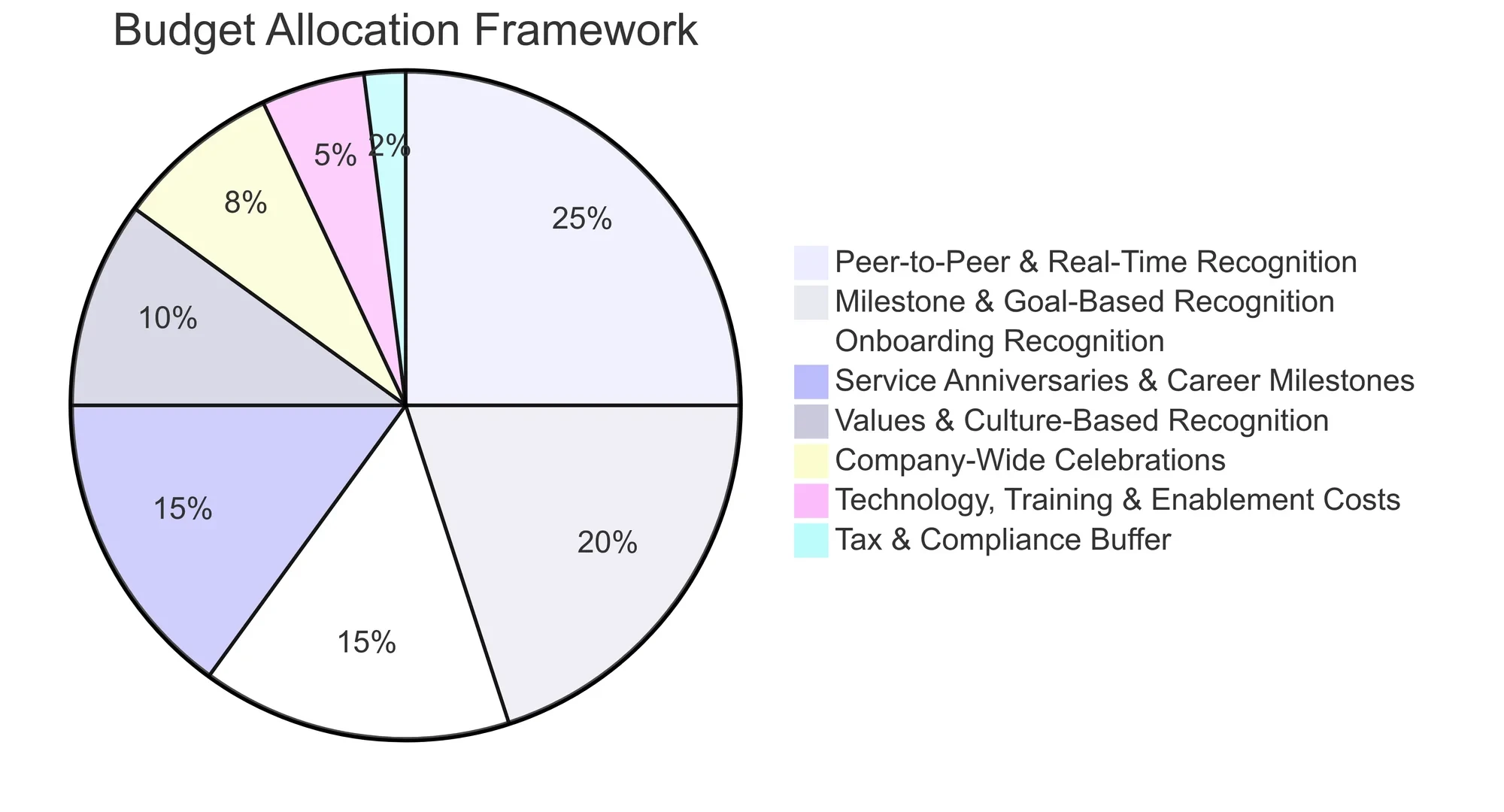
The next 20 percent of the available budget is strategically deployed into promising growth opportunities. These are platforms or experimental bidding models that have shown strong initial traction but require further capital injection to reach true statistical significance and scale. Finally, the remaining 10 percent is dedicated entirely to high risk experimental tactics. This experimental capital is absolutely crucial for discovering emerging platforms or new artificial intelligence driven ad formats before competitors recognize their true value.
Implementing The Official Website First Pricing Architecture
To permanently solve the systemic financial issues caused by third party distribution, highly aggressive brands implement an Official Website First pricing architecture. This advanced model fundamentally alters how base rates are distributed to the wider interconnected internet. Instead of sending a uniform rate to all partners and endlessly fighting unauthorized discounts, the property establishes its most profitable rate exclusively on its own proprietary booking engine. This ensures the brand always securely controls the foundational pricing baseline.
When distributing inventory to third party agencies, the property purposefully artificially inflates the base rate by the exact mathematical margin of the contracted commission. For example, if the desired direct rate is 200 dollars and the agency charges a 20 percent commission, the rate pushed to the agency is strictly hardcoded at 250 dollars. Consequently, when aggregation algorithms pull data from across the web, the official website mathematically cannot be beaten on final price. This advanced strategy completely eliminates the complex highly reactionary game of chasing down rogue digital resellers.
Top Metasearch Marketing Platform Providers And Their Algorithms
Navigating the fragmented landscape of search platforms requires a deep understanding of each unique corporate ecosystem. Keep in mind the following platform profiles when allocating your monthly advertising budget.
Google Hotel Ads And Artificial Intelligence Integration
Google has successfully monopolized the digital travel discovery phase by deeply integrating rate comparison tools directly into its primary search engine and mapping applications. Google Hotel Ads leverages this ubiquitous global search dominance to capture travelers at the exact moment of their initial research. This deep integration is so highly successful that approximately 65 percent of all bookings generated through aggregation engines now originate directly from the Google ecosystem. This makes Google the absolute undeniable priority for any digital visibility campaign.

The performance metrics associated with Google’s platform are truly staggering when managed correctly by technical experts. Data clearly indicates that properly optimized campaigns on Google can achieve a massive return on investment. Additionally, rigorous mobile optimization is absolutely critical here, as a massive 40 percent of these reservations are completed entirely on mobile devices. The user experience must be heavily streamlined to prevent any friction during the checkout process.
Tripadvisor And The Influence Of User Reviews
Tripadvisor occupies a highly unique position in the digital ecosystem by seamlessly blending authentic user generated reviews with incredibly powerful price comparison capabilities. While Google heavily dominates initial search volume, Tripadvisor acts as the ultimate validation checkpoint for highly cautious consumers. Travelers rely heavily on the platform to read authentic peer reviews before making a final binding purchasing decision. By placing direct booking links immediately adjacent to positive reviews, brands can expertly intercept buyers at the peak of their emotional confidence.

Success on Tripadvisor requires a highly holistic approach to reputation management strictly alongside aggressive bid optimization. A property with poor reviews will experience absolutely abysmal conversion rates regardless of how aggressively they bid for top ad placement. Therefore, extreme operational excellence and highly systematic response strategies to guest feedback are direct undeniable prerequisites for maximizing advertising returns on this specific platform.
Trivago And Kayak For Aggressive Price Comparison
Trivago has firmly established itself as a massive European powerhouse specializing exclusively in aggressive price comparison and rapid last minute deal discovery. The platform is structurally designed from the ground up to appeal to the most highly price conscious demographic of global travelers. Because the platform strictly aggregates rates from an enormous volume of third party resellers, maintaining absolute strict rate parity is essential to succeed here.

Kayak operates securely under the massive corporate umbrella of Booking Holdings, offering a highly comprehensive digital travel comparison experience. Kayak intelligently integrates flight, rental car, and accommodation data to heavily serve consumers planning complex multi faceted itineraries. Both Trivago and Kayak absolutely require robust channel management software to maintain flawless real time inventory synchronization. Latency in rate updates will instantly result in click throughs that utterly fail to convert due to frustrating price jumps.
Localized Giants Shaping The Asian Inbound Market
While global giants heavily dominate Western markets, executing a truly international strategy requires deep sophisticated integration with localized regional platforms. In South Korea, the search engine Naver operates as the absolutely undisputed gatekeeper for digital visibility and authentic consumer trust. Naver is actively accelerating its aggressive strategy to capture the inbound and outbound tourism markets by building a highly comprehensive super application centered entirely around Naver Map. Global platforms like Google face severe regulatory restrictions regarding spatial data in Korea, cementing Naver’s monopolistic technological advantage.
To successfully capture high intent Korean users, international brands must completely localize their digital presence specifically for the nuanced Naver ecosystem. Brands must meticulously create optimized blog content and actively engage with users through community forums known as Naver Cafes. Furthermore, Naver has recently launched a highly advanced artificial intelligence powered review system tailored specifically for global travelers. Engaging specialized international marketing experts who deeply understand these regional algorithms is the only truly viable method for penetrating these economies.
The Future Of Artificial Intelligence In Travel Discovery Algorithms
The rapid deployment of generative artificial intelligence is completely rewriting the established rules of digital discovery. Examine the critical technological adaptations required to survive this incoming algorithmic revolution.
Generative Engine Optimization Replacing Traditional Tactics
The long standing era of traditional link based search engine results is rapidly coming to a definitive end. We are currently witnessing the massive unstoppable shift toward generative engine optimization, a discipline focused entirely on formatting data to be easily digested by artificial intelligence. Millions of travelers are now reading highly curated artificial intelligence generated summaries instead of clicking through traditional organic links. This profound technological paradigm shift is accelerating at an absolutely unprecedented rate.

Google has explicitly expedited this transition by embedding highly advanced artificial intelligence models directly into its primary consumer search interface. These sophisticated agents can now autonomously scrape the entire internet, summarize property amenities, compare live pricing, and provide users with a single highly direct booking link. Consequently, organic content strategies and paid aggregation campaigns can no longer operate in highly isolated corporate silos.
Optimizing Machine Readable Entities And Schemas
To successfully intercept the massive volume of traffic driven by artificial intelligence search, websites must be entirely re engineered to communicate flawlessly with large language models. This requires aggressively prioritizing machine readable entity based content over traditional keyword stuffed marketing prose. Instead of utilizing highly subjective marketing fluff, content must be strictly factual and structured. Artificial intelligence engines heavily prioritize this objective high intent data format above all else.
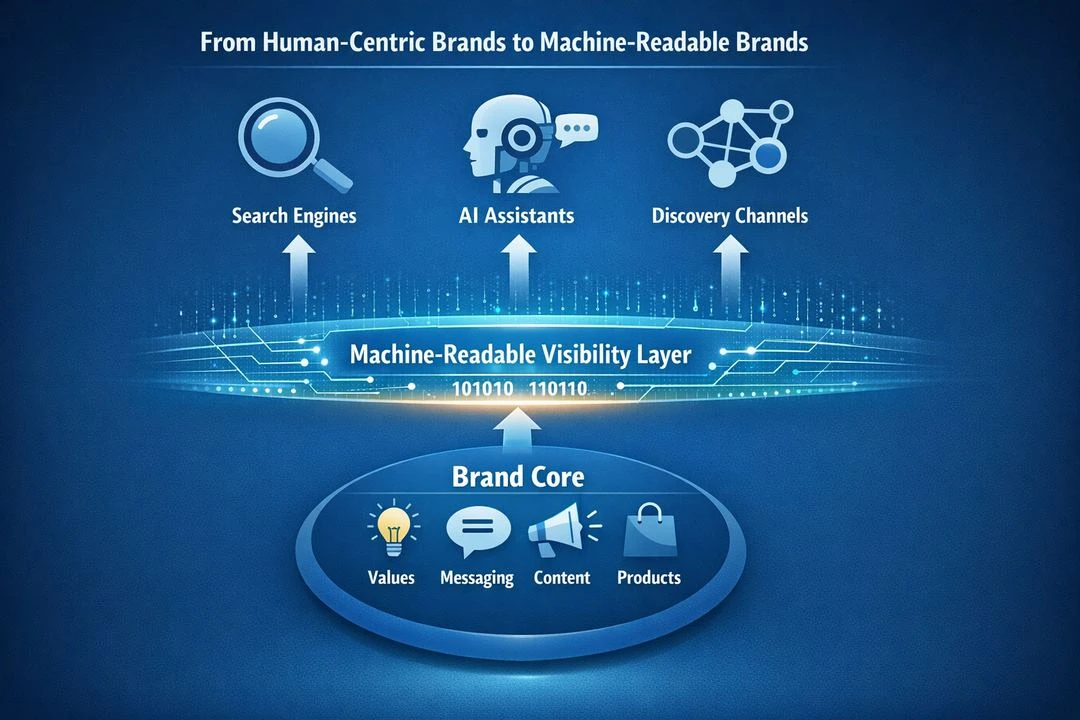
Furthermore, forward thinking brands must execute flawless technical integration of model context protocols. This requires highly comprehensive and fully validated schema markup coding across the entire digital website footprint. Every single room type, exhaustive amenity list, and dynamic pricing tier must possess completely unique machine readable tags. If the artificial intelligence cannot instantly parse this highly structured data, it will immediately pull information from a competing third party agency instead.
Artificial Intelligence Driven Predictive Analytics
Artificial intelligence is not merely changing how global consumers search; it is utterly revolutionizing how sophisticated brands manage their advertising budgets. Predictive analytics deeply excel at identifying hidden highly lucrative patterns within massive datasets involving distribution costs and historical booking behaviors. Advanced systems can rapidly ingest this massive data to calculate the true net revenue per available room and absolute channel profitability in real time. This allows elite marketers to deploy their massive capital with unprecedented surgical precision.

However, veteran industry experts strongly caution against adopting fully autonomous set and forget automated bidding systems without strict human oversight. Fully autonomous systems frequently optimize exclusively for top line revenue volume, blatantly ignoring crucial financial factors like backend distribution costs and aggressive third party commissions. The most highly effective operational approach utilizes machine learning for rapid creative testing and dynamic budget reallocation during volatile unpredictable market conditions. Achieving this delicate balance is the absolute hallmark of a mature digital distribution strategy.
Preparing Your Digital Infrastructure For Agentic Search
Restructuring an entire digital presence to comply perfectly with these rigorous artificial intelligence protocols is an absolutely immense operational undertaking. It requires the specialized highly technical knowledge provided by elite optimization and content strategists. Trusting your foundational infrastructure to proven specialists ensures your brand will remain highly visible throughout this monumental algorithmic shift.

Agentic search capabilities will eventually allow users to simply tell their device to book the best available luxury hotel under a strict budget constraint. The artificial intelligence will completely bypass the traditional search results page entirely, operating invisibly in the background to execute the actual financial transaction. To win the booking in this zero interface environment, your property’s data must be the absolute most accessible option available to the scraping algorithm. By actively investing heavily in backend structural integrity today, properties can effectively future proof their revenue generation engine.
Conclusion: Maximize Your Direct Booking Revenue
Hotel metasearch marketing is the indisputable centerpiece of modern digital distribution. By capturing high intent, bottom of the funnel traffic, hotels can achieve unparalleled conversion rates and massive returns on investment. However, succeeding in this environment demands flawless technical connectivity, strict global rate parity, the deployment of multi touch attribution models, and the continuous optimization of structured data to feed emerging artificial intelligence algorithms. Treating these aggregated platforms as an afterthought guarantees massive market share losses to unauthorized third party resellers.
Ready to dominate digital comparison grids and skyrocket your direct bookings? Securing long term profitability in this hyper competitive and complex environment requires elite technical expertise and deep strategic foresight. Partner with the hospitality marketing professionals atROI300 to build, automate, and scale a completely customized metasearch marketing engine tailored to your unique property. Contact ROI300 today to outsmart the algorithms and convert price sensitive shoppers into loyal direct guests.