

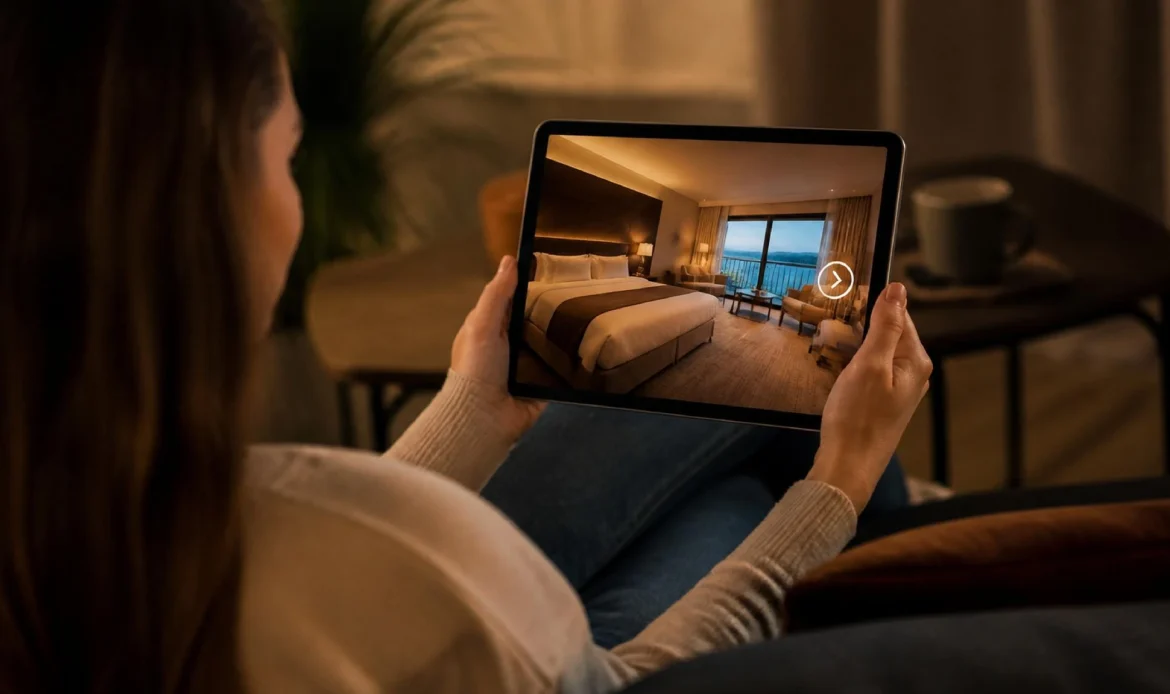
Virtual tourism is a growing segment of the hospitality industry that relies on the use of advanced technology to present potential guests, corporate clients, and event planners with a uniquely immersive experience. In an era where flat photography is no longer sufficient to capture traveler attention, a hotel virtual tour is no longer just a luxury—it is a fundamental requirement for maximizing operational profitability. This blog will provide a comprehensive guide to deploying a hotel virtual tour, detailing how interactive, 360-degree experiences can systematically reduce your dependency on Online Travel Agencies (OTAs), accelerate corporate event sales, and dramatically increase your direct booking revenue.
What Exactly Is A Hotel Virtual Tour?
A hotel virtual tour is an immersive, 360-degree digital experience that allows potential guests to actively navigate through a property, rather than passively watching a video or scrolling through curated, static photos. Understanding what a virtual tour is at its core helps clarify exactly why this technology has become essential for the modern hospitality industry.
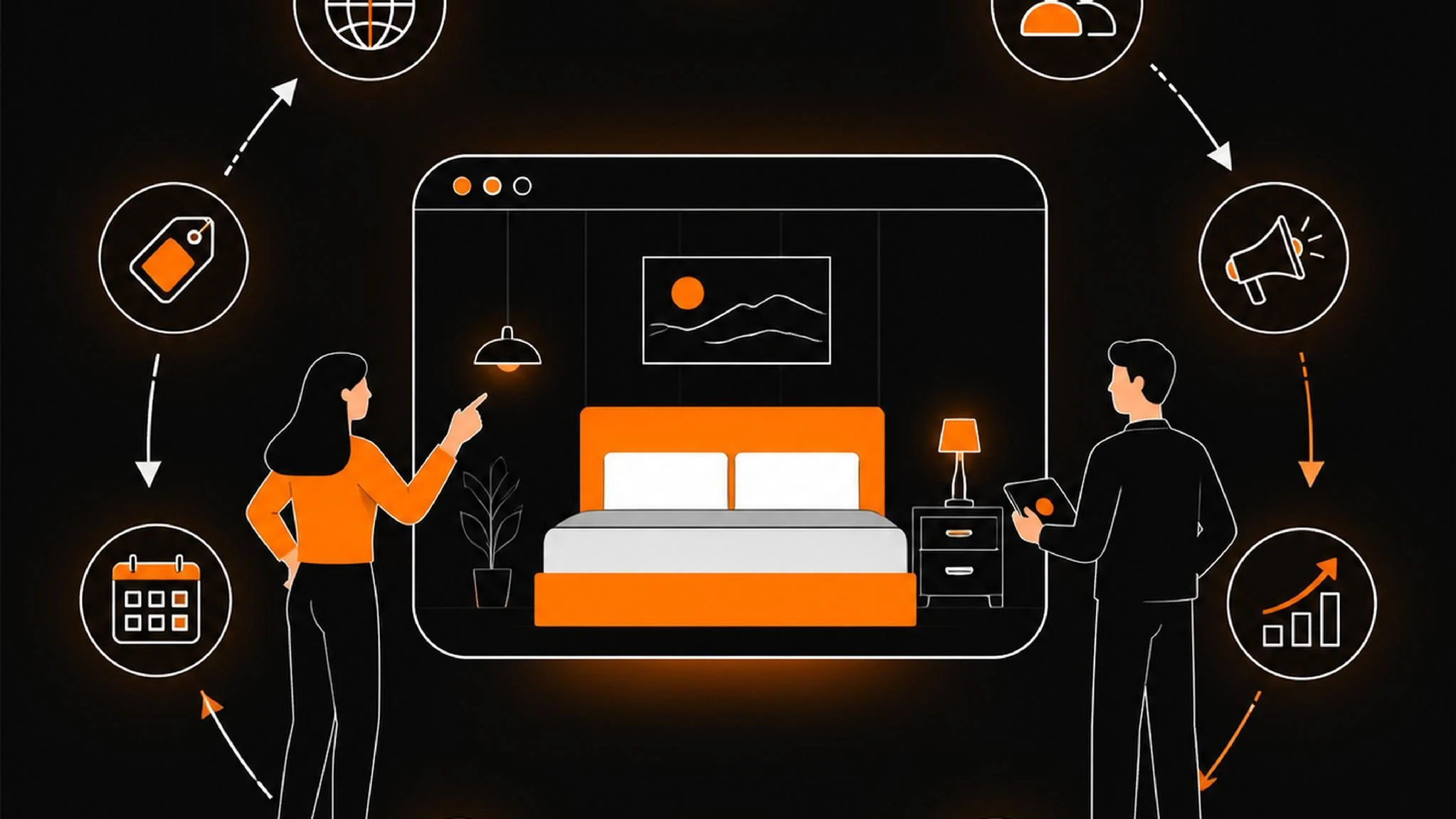
The key difference between a virtual tour and traditional photography lies in interactivity and consumer agency. In a traditional photo gallery, the hotel decides exactly what the guest sees and the angle from which they see it. In a virtual tour, the guest decides where to look, which room to enter next, and how long to linger in the rooftop pool area. They can freely rotate the camera 360 degrees, zoom into a bathroom fixture, or click an embedded hotspot to learn specific details about the thread counts on the luxury bedding.
Through virtual site tours, potential customers can effectively “test out” your property by immersing themselves in a high-fidelity digital simulation of the hotel. Virtual guests can teleport seamlessly from one hotel location to another, or from one position in a room to another, simulating the experience of physically walking through the hotel halls. Remote visitors and potential customers can explore the hotel exactly as a guest would and experience everything it has to offer, including:
- Lobby spaces and concierge desks
- Various guest room configurations and suites
- Restaurant and fine-dining areas
- Fitness facilities and luxury spas
- Exterior spaces and architectural highlights
- Meeting and event spaces for corporate planners
This sense of autonomous exploration fundamentally changes the psychological relationship between a potential guest and your property. They are not being explicitly sold to; they are actively discovering the property on their own terms. That distinct psychological difference drives measurably higher digital engagement, significantly longer time-on-page metrics, and ultimately, far greater direct booking intent.
Modern hotel virtual tours support high-resolution panoramic imagery (frequently up to 32K resolution), interactive information points, embedded video files, and floorplan navigation. By incorporating these elements, you are transforming a simple visual experience into a full-service sales funnel operating seamlessly 24/7.
Why Virtual Tours Are A Financial Game Changer
The hospitality industry is intensely competitive, with thousands of properties fighting for visibility across major search engines and distribution networks. Every incremental advantage in the guest acquisition funnel—from initial digital discovery to the precise moment they click “confirm booking”—compounds into massive revenue differences over a fiscal year. Virtual tours intervene at the absolute most critical moment: when a prospect is actively comparing your property to three competitor hotels open in adjacent browser tabs.
Driving Direct Bookings And Reducing OTA Reliance
Online Travel Agency (OTA) commissions typically range from an oppressive 15% to 25% per confirmed booking. Every single guest you can convert directly through your own proprietary website represents a highly meaningful margin improvement for your bottom line. The operational challenge has always been convincing a guest to leave a convenient, trusted aggregator platform to book directly with your independent brand.
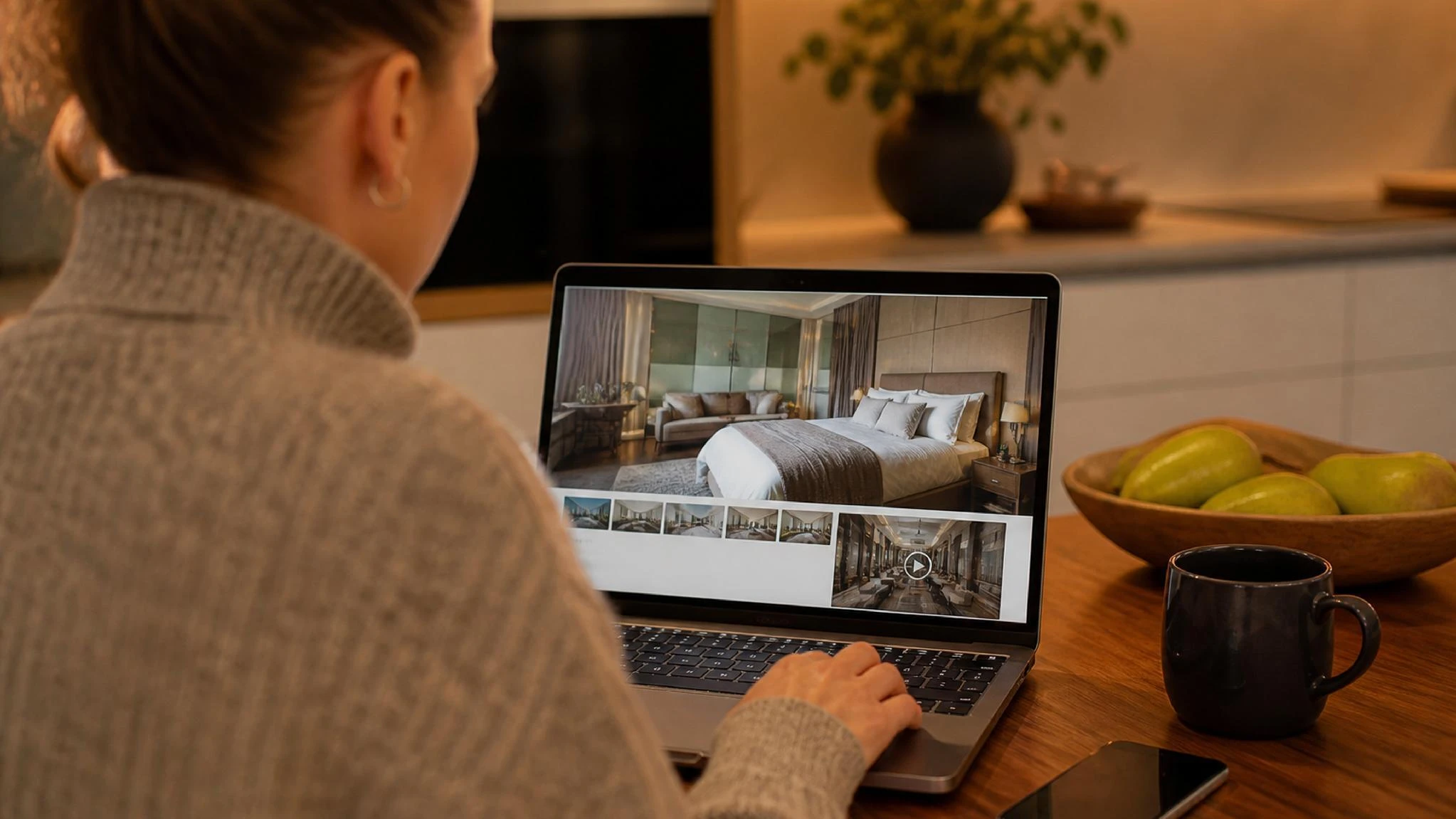
A compelling hotel virtual tour answers that question by creating a highly engaging experience that no OTA listing can replicate. When a guest has spent five minutes virtually walking through your property’s grand lobby, exploring the honeymoon suite, and watching the executive chef’s intro video in the restaurant, they have formed a real emotional connection with the space. That deep emotional connection is anchored directly to your website, not to Booking.com or Expedia.
Furthermore, advanced virtual tour platforms allow you to embed eCommerce hotspots directly into the simulation. This functionality allows you to add a clear call-to-action—such as a “Book This Room” button—directly within the tour scene. A guest admiring the king bed in your deluxe suite can click that button and be taken straight to your secure booking engine without ever leaving the immersive experience.
Enhancing Guest Confidence And Setting Realistic Expectations
One of the most common sources of negative hotel reviews is the severe gap between a guest’s expectation and the physical reality of the property. Guests arrive expecting the generous angles and bright lighting of professional, heavily edited photography, only to find a room that feels significantly smaller, darker, or differently configured than anticipated. This immediate disappointment poisons the entire stay before it even truly begins.
A 360-degree virtual tour sets honest, highly accurate expectations. Guests see the actual physical proportions of the room, the real view out of the window, and the true proximity of the bathroom to the primary sleeping area. Recent hospitality industry reports consistently show that travelers increasingly expect digital pre-arrival experiences that go far beyond curated photography. Furthermore, properties providing these transparent experiences earn systematically higher post-stay satisfaction scores.
When guests arrive knowing exactly what to expect, they are psychologically primed to enjoy their vacation rather than evaluate and critique the room. The direct result is better online reviews, higher return visit rates, and stronger organic word-of-mouth recommendations—all stemming from a single, highly strategic investment in transparent visual marketing.
Showcasing Premium Amenities And Upsell Opportunities
Most hotels invest heavily in premium amenities that guests simply do not discover until after they have already checked in—the rooftop terrace, the exclusive spa treatment menu, or the private dining room available for large groups. A virtual tour turns these hidden physical assets into powerful, pre-booking revenue drivers.
By placing media hotspots throughout your tour, you can attach the spa menu as a downloadable PDF directly to the wellness center scene. You can embed a video of your sommelier presenting the exclusive wine selection within the restaurant panorama, or place a direct booking link inside the conference room for corporate event planners. Every hotspot is an automated upsell opportunity contextualized within the physical space it promotes—making it far more persuasive than a simple text link on a website’s “Facilities” page.
How To Create A High-Impact Hotel Virtual Tour In 3 Steps
The barrier to entry for creating hotel virtual tours has dropped dramatically in recent years due to massive technological advancements. You no longer need to hire a highly specialized, expensive agency or purchase proprietary, thousands-of-dollars hardware. With the right software platform, you can create virtual tours that easily rival agency-produced experiences—at a mere fraction of the cost and timeline. Here is exactly how the process works.
Step 1: Capture Your Space With A 360 Camera
Modern virtual tour software is frequently hardware-agnostic, meaning it seamlessly accepts 360-degree images from almost any camera system. You can utilize prosumer options like the Ricoh Theta or Insta360 X series, or you can opt for high-end professional DSLR rigs. You are rarely locked into purchasing specific, proprietary equipment to utilize the hosting platforms.
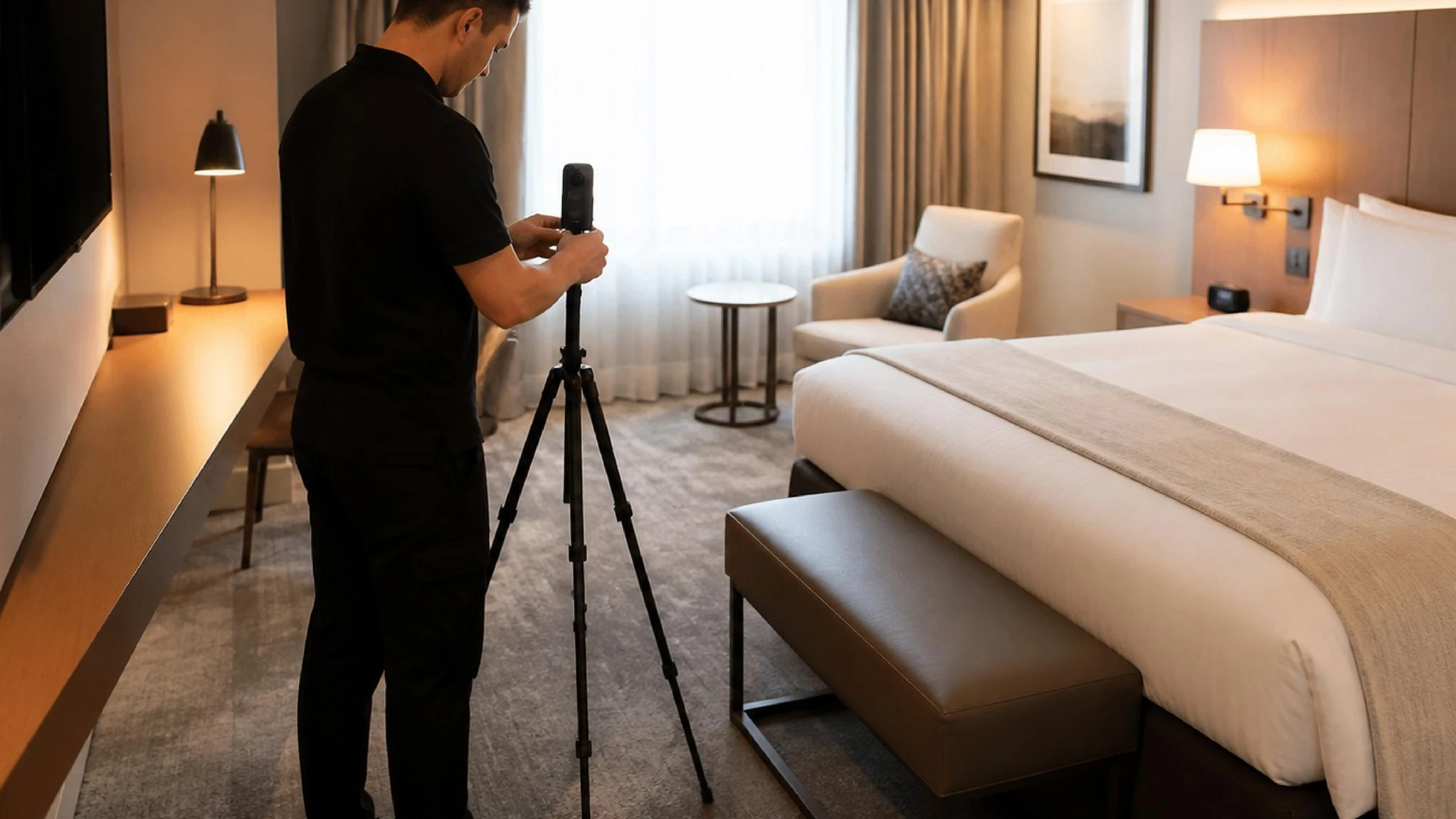
For a comprehensive hotel shoot, you must meticulously plan scenes for every physical space that actively influences booking decisions. This includes the main lobby and reception area, each distinct room category (standard, deluxe, executive suite), the primary restaurant, the pool area, the gym, the luxury spa, and absolutely all conference or event spaces.
Shoot during the specific time of day when natural light is most flattering in each individual room. Position the camera tripod at exact eye level in the direct center of the space. This positioning provides the absolute most natural sense of scale and proportion for virtual visitors navigating the digital environment. Ensure you capture images in the highest possible resolution (up to 32K) so your tour looks razor-sharp on any digital device, from smartphones to large desktop monitors.
Step 2: Build The Immersive Experience With Software Toolkits
Once your 360-degree images are captured and uploaded to a cloud-based hosting platform, the real digital transformation begins. Modern drag-and-drop editors allow you to effortlessly layer a full suite of interactive elements directly onto your panoramas:
- Navigation Hotspots: These are clickable arrows that link panorama scenes together, allowing guests to virtually “walk” from the lobby, to the elevator, down the corridor, and straight into the suite, just as they would in person.
- Interactive Floorplans: You can upload your property’s architectural floor plan and make it fully navigable. Guests can click on any specific room directly from the 2D map and be teleported there instantly within the 3D tour.
- Media Hotspots: Attach high-resolution static images, promotional video clips, downloadable PDFs (restaurant menus, spa rate cards, corporate event packages), or external web links to any specific point within any scene.
- Tour Guide Integrations: Embed a short, welcoming video of your general manager or front desk team directly into the tour’s opening lobby scene, creating an instant, highly personal human connection.
- Background Sound: Add ambient audio—such as soft lobby music, a relaxing spa soundscape, or subtle poolside ambiance—to significantly heighten the sensory experience of the virtual visitor.
This strategic combination of features transforms a passive, boring slideshow into an active, highly engaging, multi-sensory sales environment.
Step 3: Publish And Embed On Your Website Instantly
Once your tour is fully edited and complete, publishing takes mere seconds. The software platform will automatically generate a highly shareable link that you can distribute instantly via pre-arrival email campaigns, social media posts, or direct B2B sales outreach.
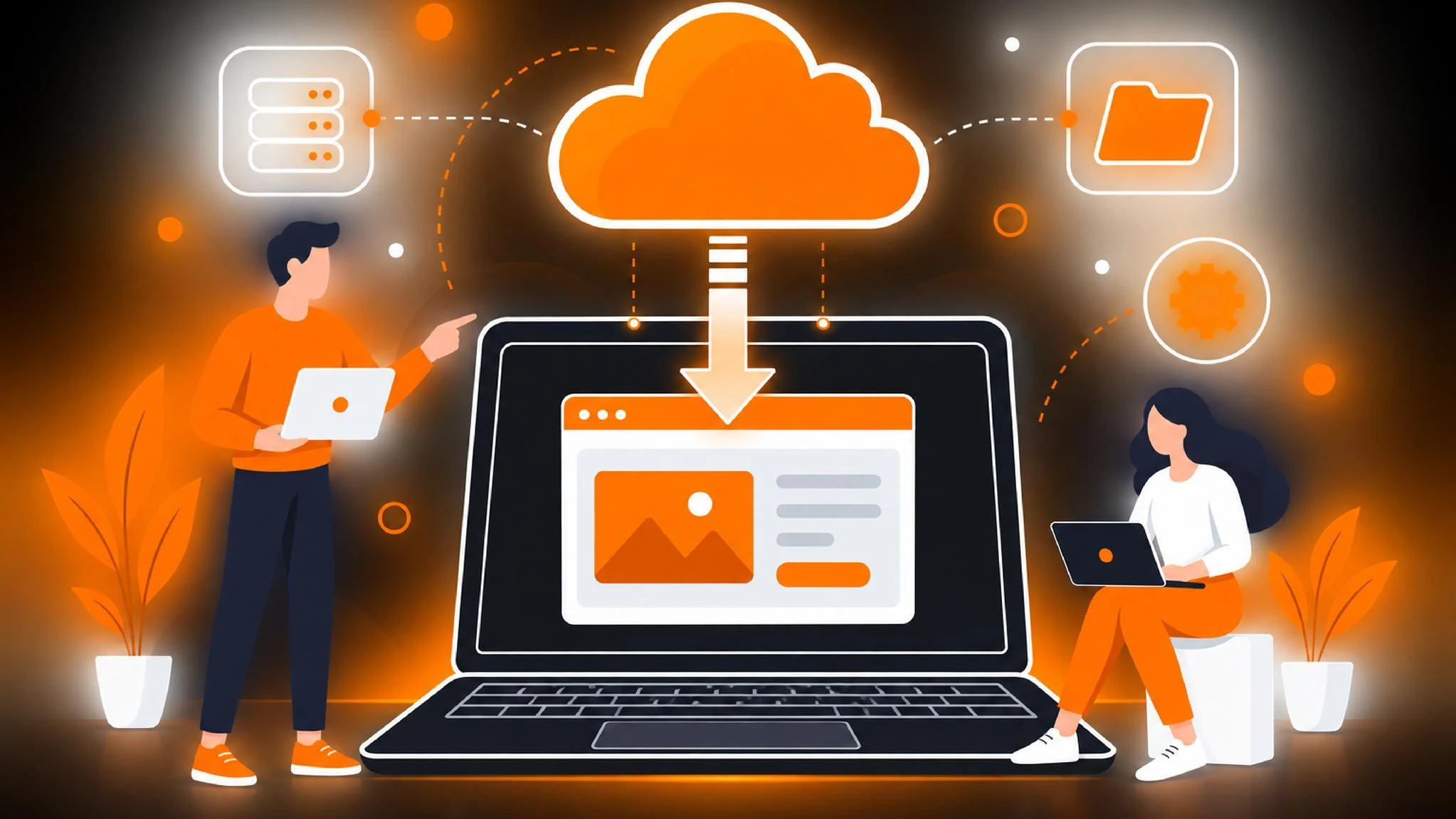
For your official property website, simply copy the generated iFrame embed code and paste it directly into the HTML of any page. Whether your site runs on WordPress, Squarespace, Wix, or a highly custom Content Management System (CMS), absolutely no developer intervention is required to host the tour.
For offline marketing materials—such as glossy sales brochures, trade show display banners, or printed corporate conference kits—the platform can generate a scannable QR code. Guests or planners can simply scan the code with a smartphone to launch the immersive tour instantly. Your virtual tour immediately becomes a 24/7 sales asset working tirelessly across every physical and digital channel simultaneously.
5 Essential Features Your Hotel Virtual Tour Must Have
Not all virtual tour software delivers equal business value to hospitality operators. There are five specific, critical capabilities that separate a tour that merely impresses a visitor from one that actively generates massive revenue.
1. Drive Direct Bookings With eCommerce Hotspots
The single highest-ROI feature in any hotel virtual tour is the technological ability to convert intent into immediate action at the exact moment of peak consumer engagement. Interactive eCommerce hotspots allow you to place highly visible “Book Now,” “Check Availability,” or “Request a Quote” buttons directly within any 360-degree scene.
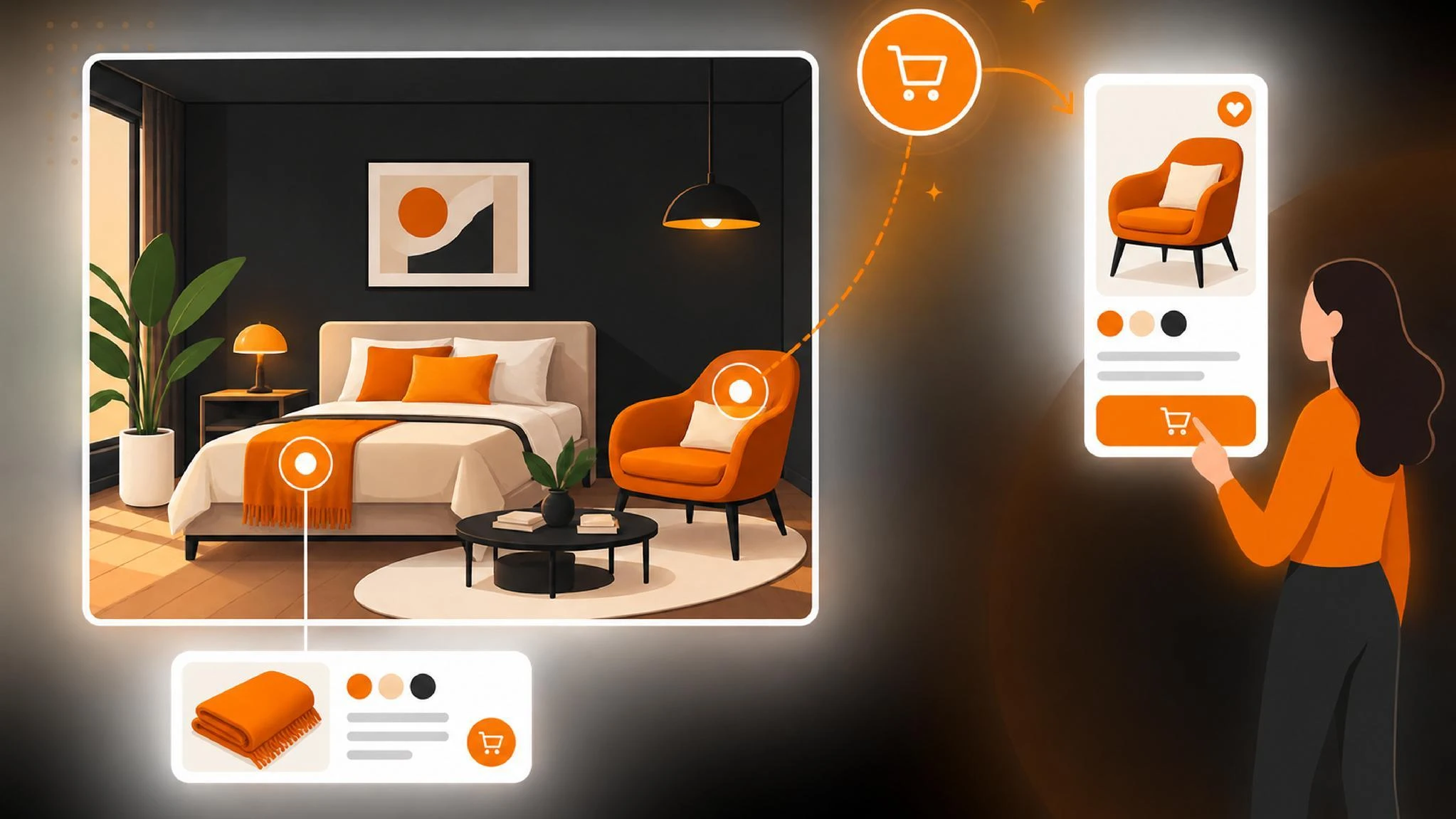
If a prospective guest is enthusiastically exploring your honeymoon suite at midnight—when your human sales team is asleep and unavailable—they can simply click that embedded button. They will be taken straight through to your secure booking engine to complete a reservation without ever leaving the immersive tour environment. If you want to add a call-to-action that truly and effectively converts, this is the paramount feature that delivers it.
2. Maintain Brand Consistency With White Labeling
A virtual tour hosted under a generic third-party domain, or heavily watermarked with a software vendor’s massive logo, actively undermines the premium, luxury perception you have worked so hard to build. White-labeling capabilities allow the tour to be served directly from your own custom web address. Furthermore, nadir logo options allow you to place your hotel’s specific branding at the base of every single panorama.
For large hotel chains and independent branded properties alike, white-label deployment is non-negotiable. It ensures that every single touchpoint of the digital guest journey impeccably reflects your brand—not your software vendor’s branding.
3. Welcome Guests With A Popup Intro
First impressions in a virtual, digital environment matter just as much as they do when a guest physically walks through your front doors. A Popup Intro feature triggers a media overlay the exact moment a guest launches the digital tour.
You can use this feature incredibly creatively. A 30-second welcome video from the General Manager sets a highly personal and premium tone. A pop-up banner highlighting a limited-time seasonal package creates immediate financial urgency. Alternatively, a simple, elegantly branded splash screen featuring your hotel’s official tagline frames the experience perfectly before the digital exploration begins.
4. Capture High-Quality Leads For MICE And Events
Meetings, Incentives, Conferences, and Exhibitions (MICE) business represents some of the absolute highest-value, most lucrative revenue a hotel can possibly generate. Corporate event planners evaluating potential venues often conduct their initial, rigorous shortlisting entirely online.

A high-definition virtual tour of your grand ballroom, flexible breakout spaces, and advanced AV capabilities can single-handedly win that highly competitive shortlist position. Furthermore, lead generation forms can be embedded directly within the tour experience. A planner virtually touring your conference facility can seamlessly submit a detailed inquiry for a physical site visit or a formal proposal request without ever leaving the immersive environment. These generated leads arrive highly pre-qualified—they have already seen the physical space and are genuinely, financially interested.
5. Reach Global Audiences With Multi Language Support
International travelers frequently represent a disproportionately high share of premium, high-ADR bookings in most major hotel markets. Multi-language support allows you to create parallel, translated versions of your tour content. You can seamlessly translate room names, amenity descriptions, hotspot labels, and lead form text into the native languages of your key international source markets.
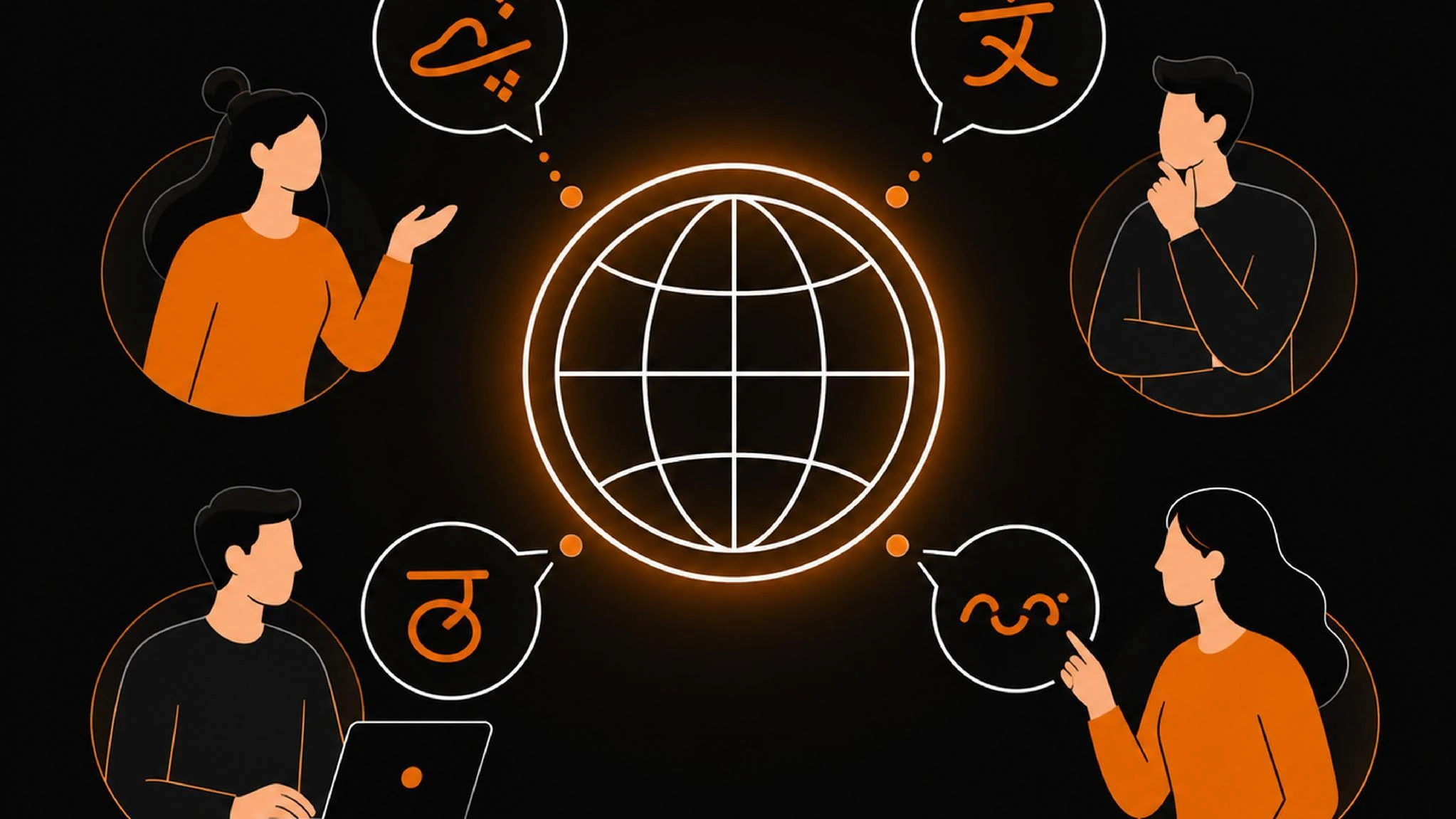
A Japanese leisure traveler and a German corporate guest can both experience a tour that speaks to them flawlessly in their native language. This removes massive cognitive friction from the booking process and clearly signals that your property genuinely values their international custom.
Where Should Hotels Display Virtual Tours?
Virtual tour simulations are highly beneficial additions to a wide variety of marketing campaigns. Because they are highly flexible digital assets, they work exceptionally well in video content, paid search ads, direct email marketing, and natively on the hotel’s website.
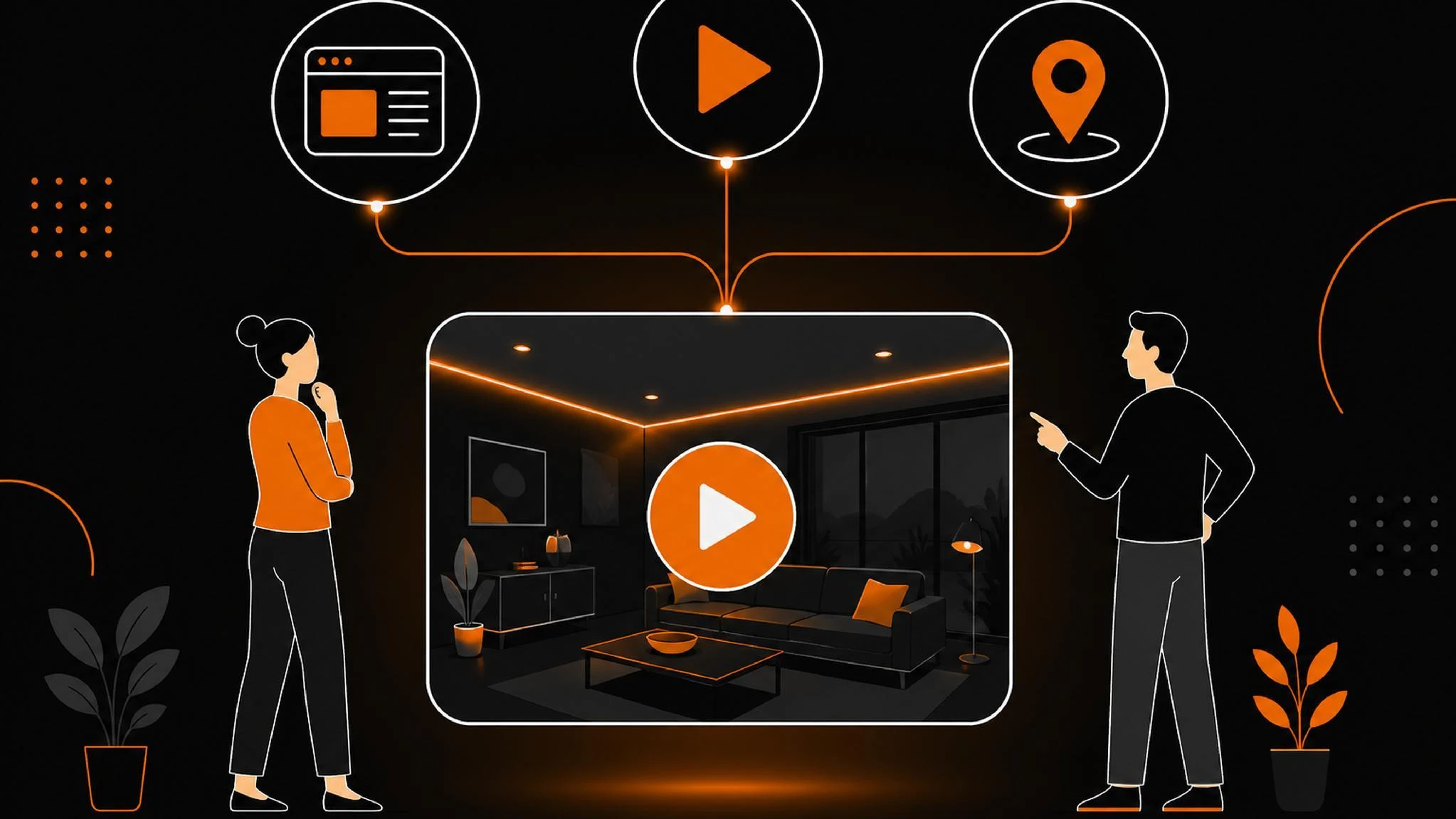
Promote your hotel virtual tours via YouTube to capture video search traffic. You must also embed them directly onto your hotel’s Google Business Profile (GBP). Through GBP, hotels can create and promote an interactive Google Virtual Tour or Street View Virtual Tour. Once filmed and submitted correctly, Google prominently displays these hotel virtual tours on the property’s local Google profile, in standard search engine results, and directly on Google Maps. This massive visibility is critical for local SEO success.
Furthermore, integrating your tours onto the Cvent Supplier Network and social media platforms such as Facebook and Instagram is vital to expand the hotel’s audience reach. Facebook allows users to natively share and interact with 360-degree photos. The field of view is automatically set to the center of the image, allowing visitors to look ahead, above, behind, and below directly within their social feed.
Hotel marketing managers frequently utilize a quick street view virtual tour on social media to snag audience members’ attention and pique their curiosity. The visually appealing exterior street view tour sucks the viewer in, highly engages them, and then actively prompts a visit to your direct booking site to finish the interior tour. Intrigued guests who want to see the rest of the property are directed right to your website, where a frictionless “Book Now” button is waiting to convert them.
Key Considerations For Implementing Hotel Virtual Tours
Cost Expectations And Software Alternatives
Commissioning a virtual tour from an agency can cost anywhere from $1,000 to $10,000 or more, depending on property size, location, and post production complexity. However, by utilizing accessible Software as a Service platforms, you can create and publish a fully interactive tour at almost no cost. Many platforms offer free baseline plans to get started. Paid enterprise tiers unlock advanced features like white labeling, custom domains, and integrated lead forms as your operational needs scale.
Hardware Requirements And Photography Equipment
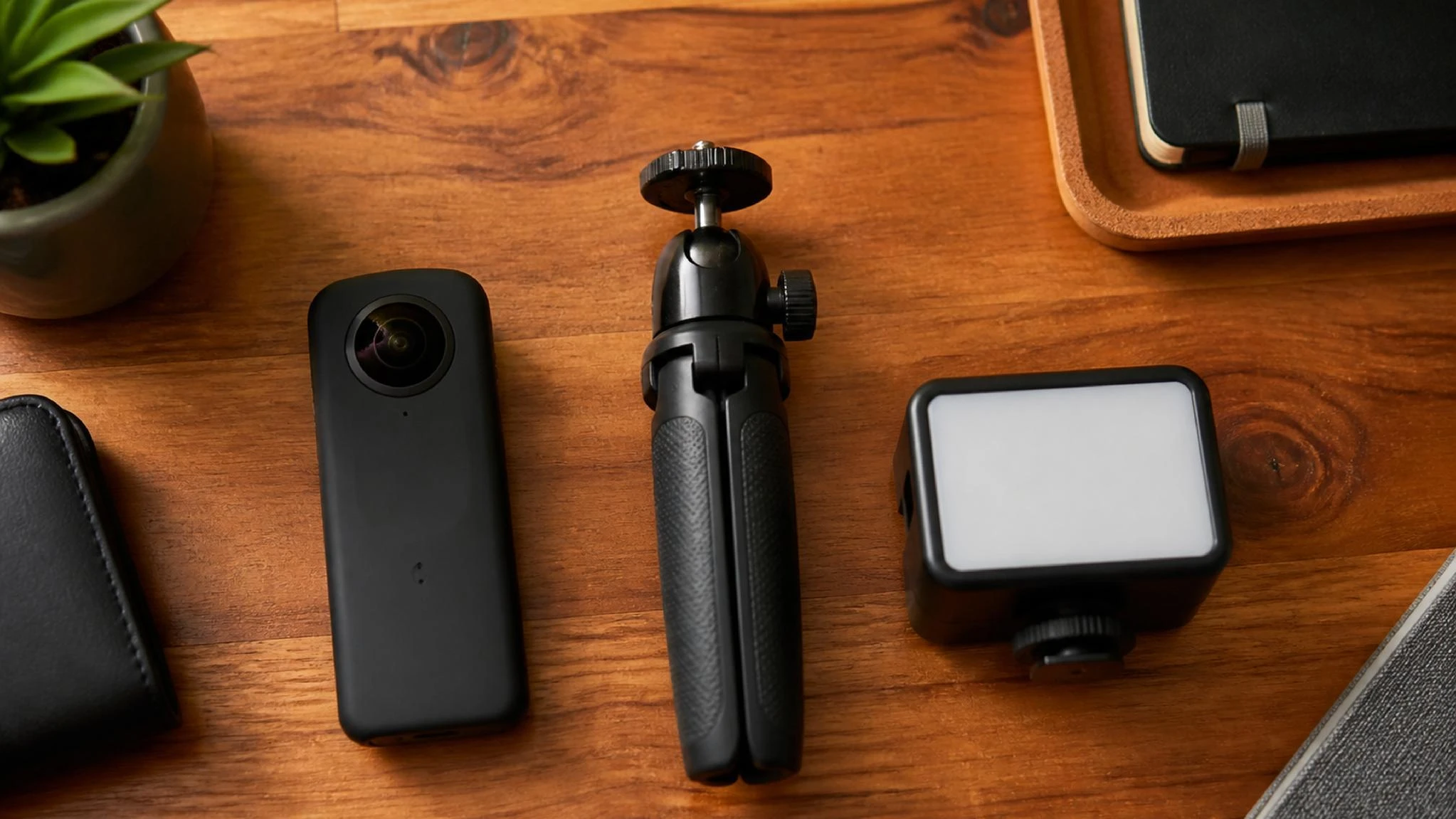
Professional architectural photography always improves the final visual results, but modern software platforms place no strict hardware requirements on users. These platforms are compatible with almost any 360 degree camera. Options range from affordable consumer grade models like the Insta360 to professional tier equipment. Many independent hotels successfully start with an accessible consumer camera and produce excellent tours. They often invest in higher end equipment later as they see measurable financial returns on their initial investment.
Production Timelines And Post Production Workflows
Physically shooting a full hotel property typically takes one to two full days. This timeframe depends on the physical size of the asset and local weather conditions. Post production includes uploading images, adding navigation hotspots, configuring 2D floorplans, and setting up lead generation forms. This entire process can be completed in just a few hours using intuitive drag and drop editors. First time users regularly go from raw images to a fully published tour in under three hours.
Distribution Strategy Across Direct And Third Party Channels
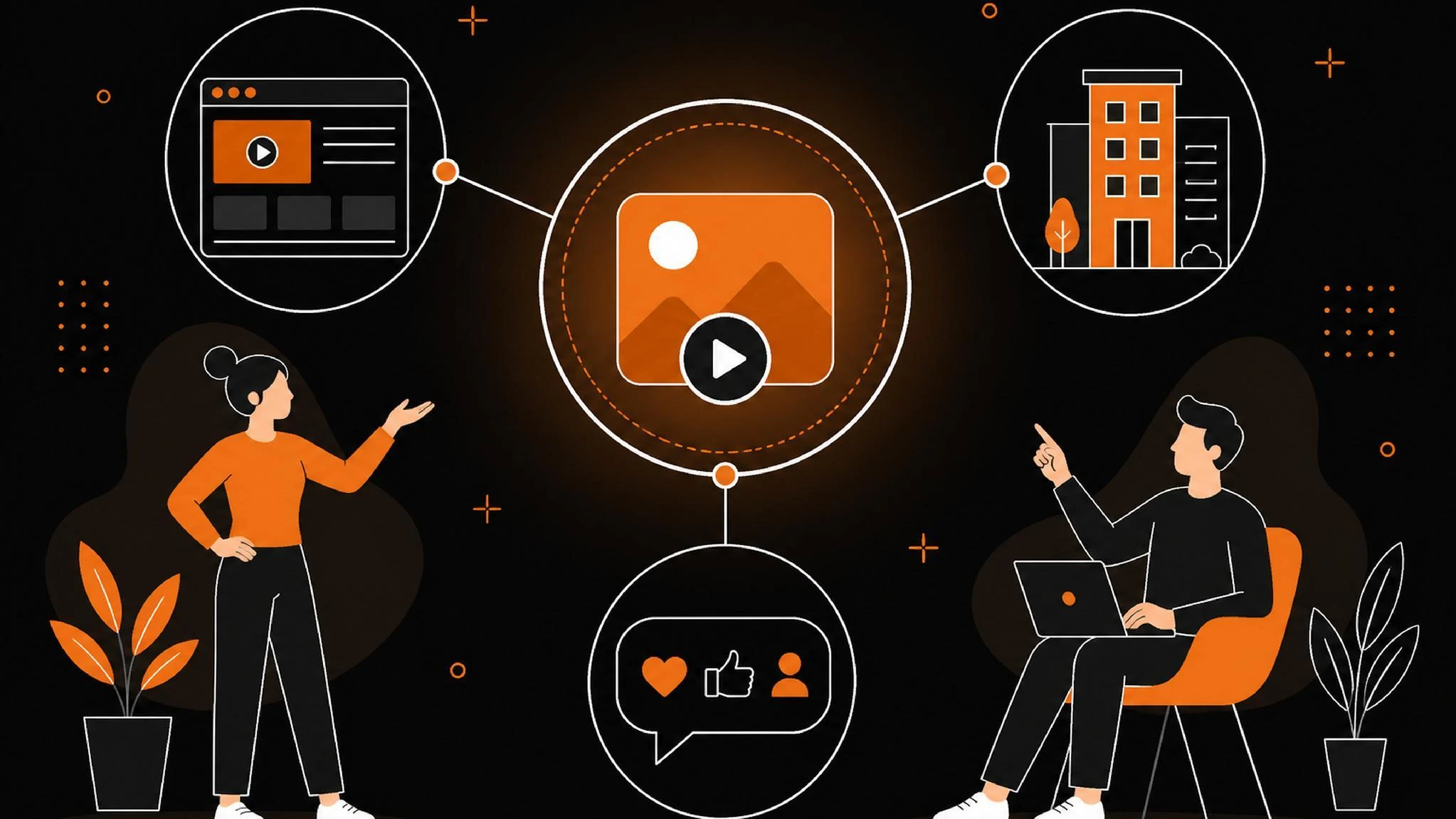
You can distribute tours across both proprietary websites and external platforms with an important distinction. For your proprietary website, software platforms provide an iFrame embed code that can be inserted into any page with no custom development work required. For OTA platforms like Booking.com and Expedia, direct embedding options vary by individual platform policy. However, you can always provide the shareable URL link in your listing description or direct guest communications. This tactic drives prospective guests off the OTA to explore your tour and finalize their reservation on your direct booking engine.
Conclusion
A hotel virtual tour is no longer a futuristic gimmick; it is a highly effective, revenue-generating marketing asset. By allowing prospective guests and corporate event planners to autonomously explore your property in high resolution, you set accurate expectations, dramatically enhance buyer confidence, and seamlessly highlight premium upselling opportunities. Embedding eCommerce hotspots directly within the 360-degree environment creates a frictionless path to purchase, systematically reducing your reliance on expensive OTA commissions and driving highly profitable direct bookings 24/7.
Ready to outclass your comp set and maximize your direct revenue? Creating the ultimate virtual experience requires flawless technical execution and a website infrastructure optimized for conversion. Partner with the hospitality digital marketing professionals at ROI300 to build, host, and scale your digital assets effectively. Contact ROI300 today to ensure your virtual tours are seamlessly integrated into a comprehensive, high-converting SEO and direct booking strategy.