

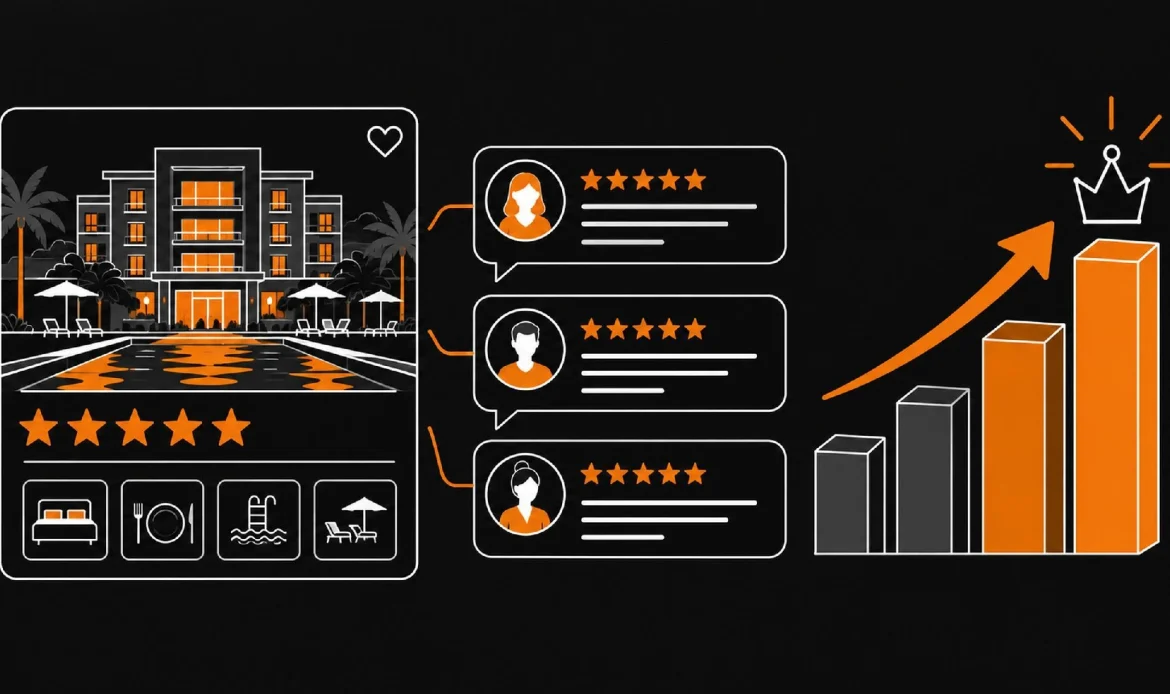
With nearly 8 million listings across 190 countries, TripAdvisor remains one of the most influential review platforms and discovery engines in the global hospitality and experiences sector. A prominent ranking on TripAdvisor is no longer just a digital vanity metric; it is a critical revenue driver that dictates how many users see your listing, trust your brand, and ultimately book your services. This blog will provide a comprehensive guide to understanding the TripAdvisor algorithm and implementing actionable strategies to improve your ranking, attract more guests, and outpace your local competitors.
Understanding The Power Of TripAdvisor In Modern Hospitality
Before exploring the technical mechanics of improving your rank, it is essential to understand why TripAdvisor commands such immense influence over modern traveler behavior. According to comprehensive industry studies, 93% of TripAdvisor users claim to find hotel reviews from other guests to be an accurate portrayal of the experience they go on to have. Furthermore, 81% of travelers always or frequently read reviews before committing capital to an accommodation or local activity booking.
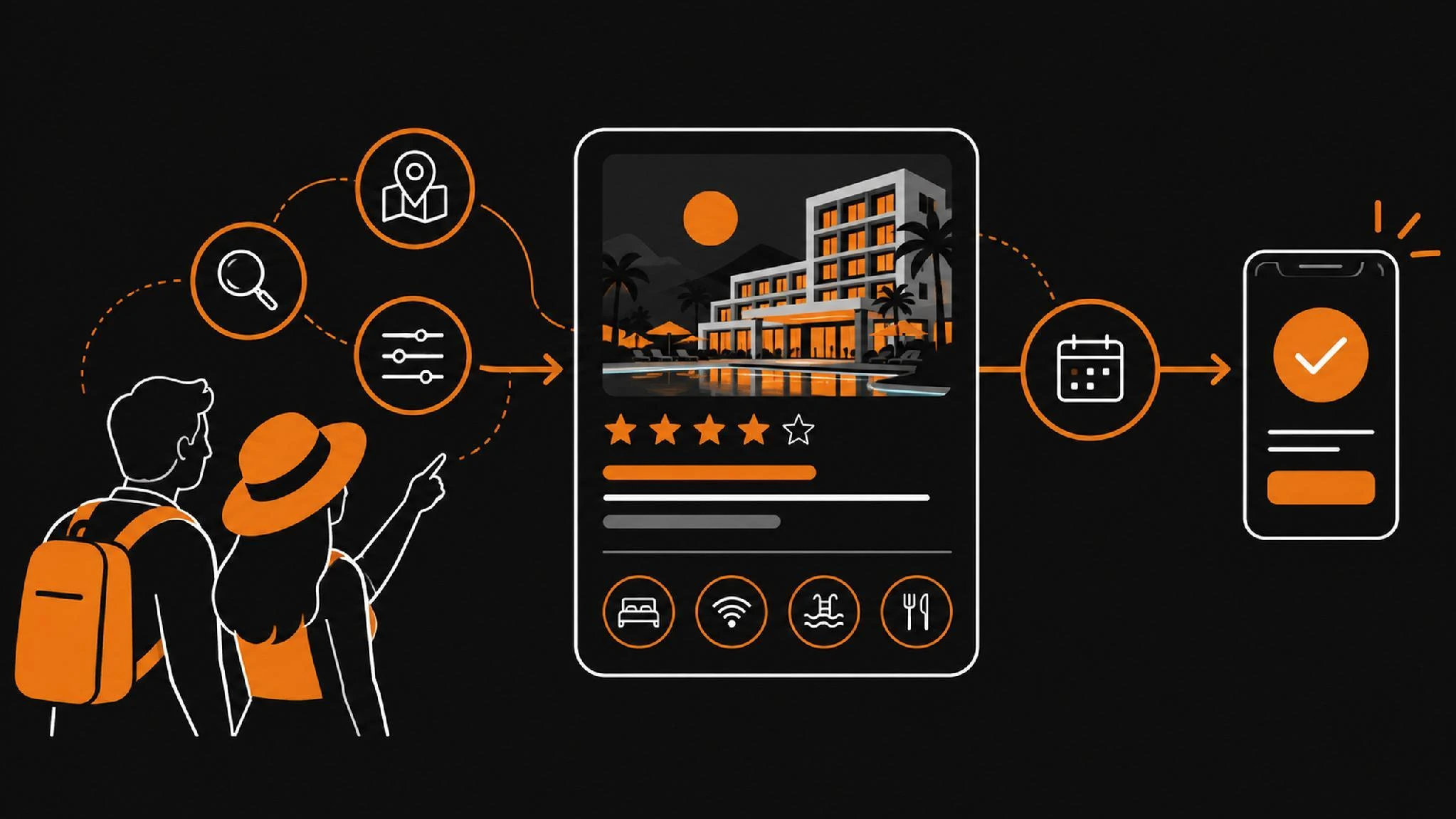
TripAdvisor functions as the ultimate validation checkpoint in the modern traveler’s digital journey. Prospective guests use the platform not only for broad destination discovery but also for meticulous price comparison and brand verification. They are looking for unbiased, user-generated content to confirm that your property matches its marketing claims.
When travelers search for “best hotels in [City]” or “top things to do in [Location],” the TripAdvisor algorithm dictates which businesses appear on the coveted first page. Securing a top position in these lists ensures exponential increases in organic profile traffic. More importantly, high-ranking profiles boast significantly higher booking conversion rates. By establishing trust through social proof, a dominant TripAdvisor presence effectively lowers your customer acquisition cost and drives highly profitable direct revenue.
Decoding The TripAdvisor Popularity Ranking Algorithm
Unlike Google, which utilizes hundreds of complex and often opaque ranking signals, TripAdvisor’s activity and accommodation recommendations are based primarily on guest ratings. Ratings are the central mechanism behind how TripAdvisor ranks businesses within a specific geographic area or subcategory.
TripAdvisor’s proprietary “Popularity Ranking” algorithm determines an establishment’s position relative to its local competitors. While the exact mathematical formula remains a closely guarded corporate secret, TripAdvisor explicitly confirms that three primary factors govern the algorithm: Quality, Quantity, and Recency.
1. Quality Of Reviews
The higher your average review rating (represented by the “bubble rating” on the platform), the higher you will rank on TripAdvisor, all else being equal. A five-bubble review carries significantly more algorithmic weight than a three-bubble review.

However, quality is not solely defined by the numerical score. The algorithm also considers the depth and detail of the written text. Reviews that naturally mention specific amenities, outstanding staff members, or unique property features provide contextual relevance that boosts your overall standing. Generating excellent guest experiences is the absolute prerequisite for earning these high-quality evaluations.
2. Quantity Of Reviews
The algorithm favors establishments with a massive volume of reviews because a higher sample size indicates that the aggregated score is statistically reliable. A hotel with five 5-bubble reviews will not rank higher than a hotel with five hundred 4.5-bubble reviews.
Quantity provides searchers with confidence that the property consistently delivers good experiences to a wide variety of guests. Therefore, businesses must implement systematic, automated processes for continuously collecting new reviews to satisfy this algorithmic requirement.
3. Recency Of Reviews
Recency is arguably the most critical and frequently misunderstood component of the algorithm. TripAdvisor gives significantly greater mathematical weight to recent reviews than to older ones. A glowing review posted yesterday impacts your current ranking far more than an equally positive review posted three years ago.
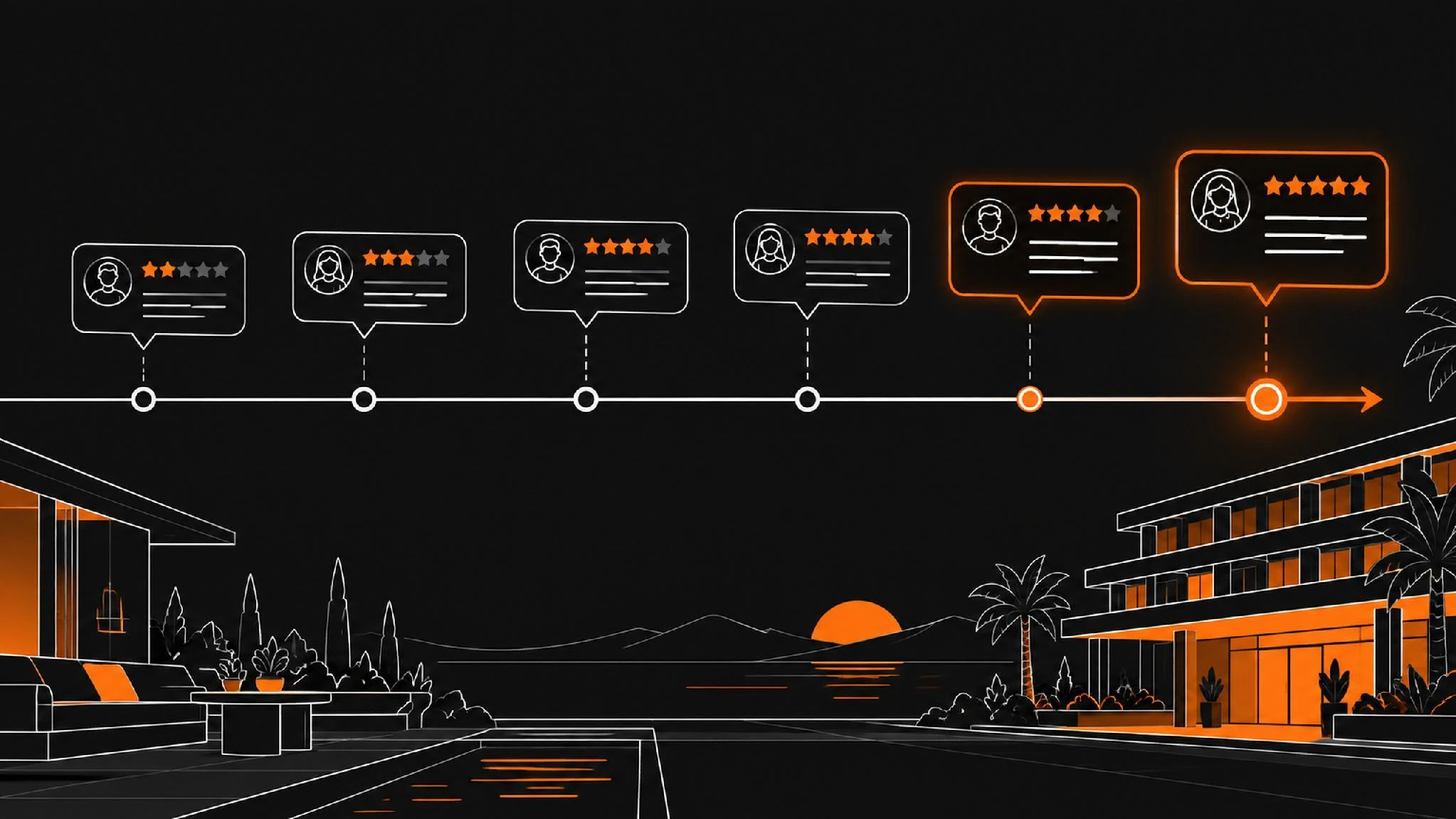
This recency bias reflects the reality of hospitality operations: management changes, properties age, and service levels fluctuate. A review from within the last month is a much more accurate representation of the current guest experience. Therefore, a steady, ongoing stream of fresh reviews is essential. You cannot simply collect a massive burst of reviews during peak season and coast on those numbers for the rest of the year.
Additional Ranking Factors: Consistency And Fraud Prevention
Beyond the core three pillars, consistency plays a vital role. A property that consistently receives four and five-bubble reviews will outperform a property that wildly fluctuates between five-bubble and one-bubble reviews. The algorithm rewards predictable, reliable quality.
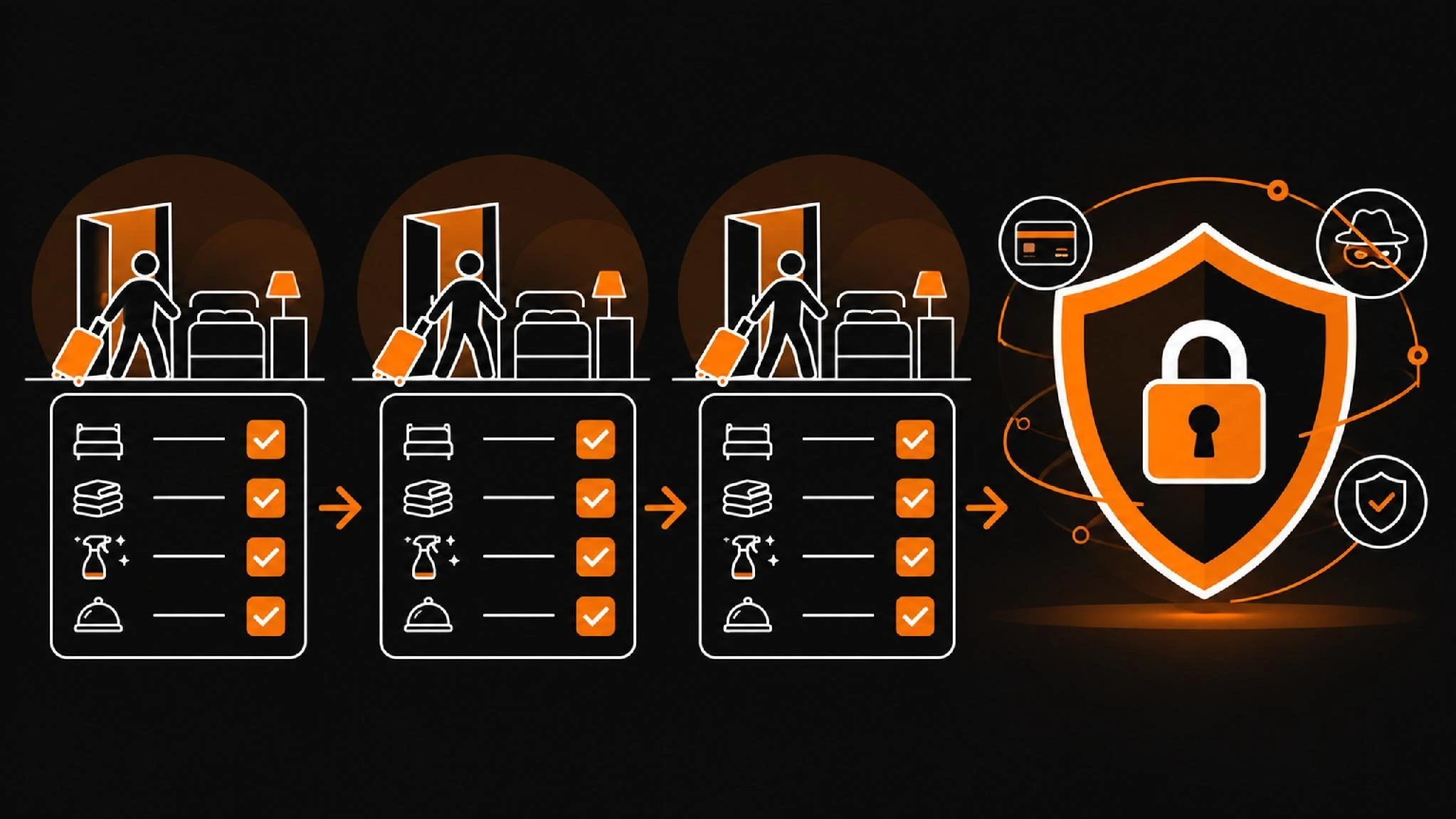
Furthermore, TripAdvisor actively penalizes fraudulent activity. If the platform’s security team finds evidence of fake reviews, incentivized reviews, or reviews posted from the hotel’s own IP address, severe ranking penalties are applied. Businesses must adhere strictly to TripAdvisor’s submission guidelines to avoid catastrophic visibility drops.
Step 1: Getting The Basics Right By Optimizing Your Listing
A well-optimized TripAdvisor profile counts for nothing if your foundational listing information is inaccurate or incomplete. Before executing complex review generation strategies, you must claim and optimize your business page.
Completing Your Profile Information
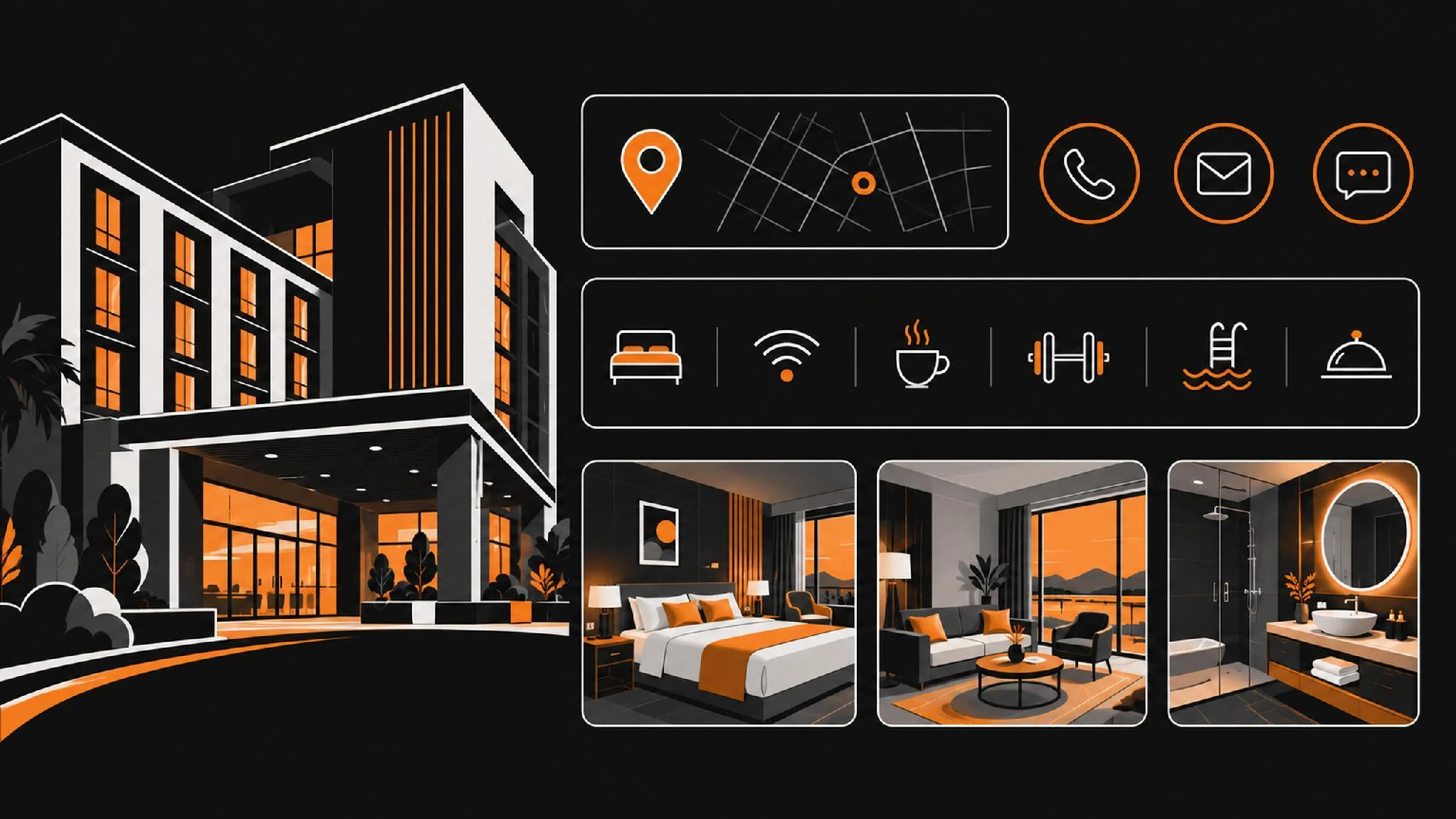
Hotels and tour operators must provide accurate, comprehensive details. This includes the business name, physical address, direct phone number, official website link, and a complete list of amenities. Ensure that your chosen categories accurately reflect your business. A boutique hotel should be categorized as such, ensuring it appears in filtered searches for travelers seeking that specific aesthetic.
Writing Compelling Descriptions
Write clear, extensive, and highly informative descriptions so that customers can properly evaluate the experience before booking. Put yourself in the prospective guest’s shoes: what questions would you have before committing to a reservation? If your descriptions are vague or lack detail, even a perfect bubble rating won’t maximize your conversion potential.
Utilizing High-Quality Multimedia

If you are selling products and services online, high-resolution pictures and videos are mandatory for winning over potential customers. Upload professional photos of every room category, dining venue, and exterior facade. Do not rely solely on traveler-submitted photos, as they are often poorly lit or unfocused. A visually stunning profile keeps users engaged longer, increasing their likelihood of clicking through to your direct booking site.
Step 2: Strategies To Generate More TripAdvisor Reviews
Because the algorithm relies on quantity and recency, your business must transition from passively hoping for reviews to actively requesting them. Streamlining the review process for customers is the most effective way to improve your response rate.
Implementing Automated Post-Stay Communication
The most reliable method for generating a steady stream of recent reviews is through automated post-stay email or SMS campaigns. Integrate your Property Management System (PMS) or booking software with an automated email platform. Set the system to send a personalized thank-you message within 24 to 48 hours of the guest’s departure.

This email must include a direct, frictionless link to your TripAdvisor review page. The less work people have to do to leave feedback, the more likely they are to actually write a review. Expressing genuine gratitude for their visit makes the request feel like a natural continuation of your excellent hospitality.
Utilizing TripAdvisor’s Official Collection Tools
TripAdvisor wants users to leave reviews and provides tools to help businesses collect them. The “Review Express” feature allows hotels to upload recent guest email addresses into the TripAdvisor platform, which then sends an official, branded review request on your behalf. These automated campaigns often yield high conversion rates because the email comes directly from a trusted third-party brand.
Empowering Frontline Staff
Technology cannot replace the power of human connection. Train your front desk staff, concierges, and tour guides on the importance of encouraging guests to leave online reviews.
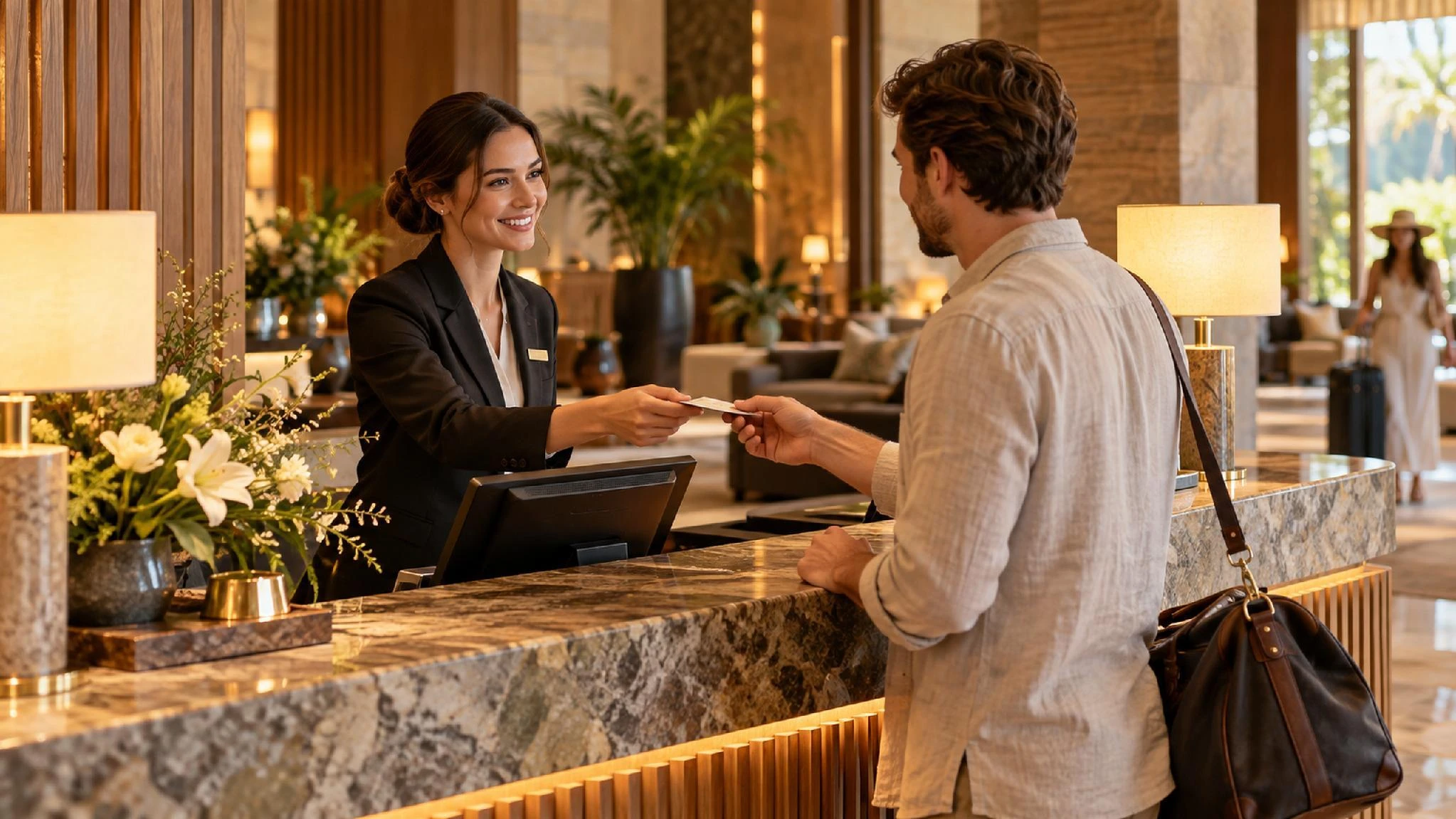
The best time to ask for a review is when a guest proactively compliments your service. If a guest expresses how much they loved the breakfast buffet, staff should respond by saying, “We are so glad you enjoyed it! If you have a moment, we would love it if you shared that feedback on our TripAdvisor page.” Providing guests with a small, printed card featuring a QR code linked to your TripAdvisor profile at check-out removes all digital friction from the process.
Important Note: Never ask guests to write reviews using the hotel’s public Wi-Fi network in the lobby. TripAdvisor’s fraud detection algorithms may flag multiple reviews originating from the same IP address as fraudulent, potentially resulting in severe ranking penalties.
Step 3: The Power Of Responding To All Reviews
Showing current and potential customers that you value their feedback is a proven way to incentivize future reviews and demonstrate your commitment to customer satisfaction. Responding to reviews is not just a customer service function; it is a highly visible marketing strategy.
Rules For Responding To Positive Reviews
Responding to positive reviews is an opportunity to build long-term brand loyalty. When a guest leaves a five-bubble rating:

- Express Genuine Appreciation: Thank the reviewer warmly for taking the time to share their experience.
- Personalize the Response: Address them by their username and explicitly reiterate the compliments they made. If they praised the ocean view from their suite, mention how glad you are they enjoyed that specific feature.
- Encourage a Return Visit: Conclude by letting them know your team looks forward to welcoming them back in the future.
This approach proves that management actively reads feedback and appreciates its clientele, making prospective guests reading the exchange more likely to book.
Managing Negative Feedback Strategically
While negative reviews cannot always be avoided, how you respond to them publicly dictates their impact on your brand. Online studies show that 85% of visitors agree that a thoughtful, professional response to a bad review actually improves their overall impression of the hotel.

When responding to criticism on TripAdvisor:
- Never Get Defensive: Avoid arguing with the guest, being sarcastic, or making excuses, regardless of how unfair the review may seem. Defensive replies reflect poorly on the business owner and deter future bookings.
- Offer a Sincere Apology: Acknowledge their disappointment and apologize that their experience did not meet expectations.
- Explain the Corrective Action: Briefly state how you are using their feedback to improve operations, whether that means retraining staff or upgrading equipment.
- Take the Conversation Offline: Provide a direct email address or phone number for the General Manager, inviting the guest to discuss the matter further in private.
A professional, empathetic response demonstrates accountability. It signals to thousands of future readers that if something goes wrong during their stay, your management team is proactive and cares enough to fix it.
Step 4: Utilizing In-Stay Surveys To Prevent Negative Reviews
The most effective way to handle a negative TripAdvisor review is to prevent it from being published in the first place. You can achieve this by capturing critical feedback while the guest is still on your property.

Implementing in-stay surveys allows hotels to recognize the need for service recovery immediately. If a guest completes a short digital survey on their second morning indicating that their air conditioning is too loud, maintenance can resolve the issue that afternoon. The General Manager can then follow up with a complimentary amenity to apologize for the inconvenience.
By addressing the complaint proactively, you transform a frustrated guest into a satisfied one before they check out. This guest is no longer likely to write a one-bubble complaint online; instead, they may write a five-bubble review praising your staff’s rapid problem-solving abilities. Resolving issues in real-time protects your TripAdvisor ranking from the devastating mathematical impact of poor ratings.
Step 5: Extracting Operational Intelligence From Review Data
Online reviews are the most accurate and brutally honest source of operational feedback available to hoteliers. They provide a clear portrayal of the guest experience: what your team does exceptionally well, and where immediate improvement is required.
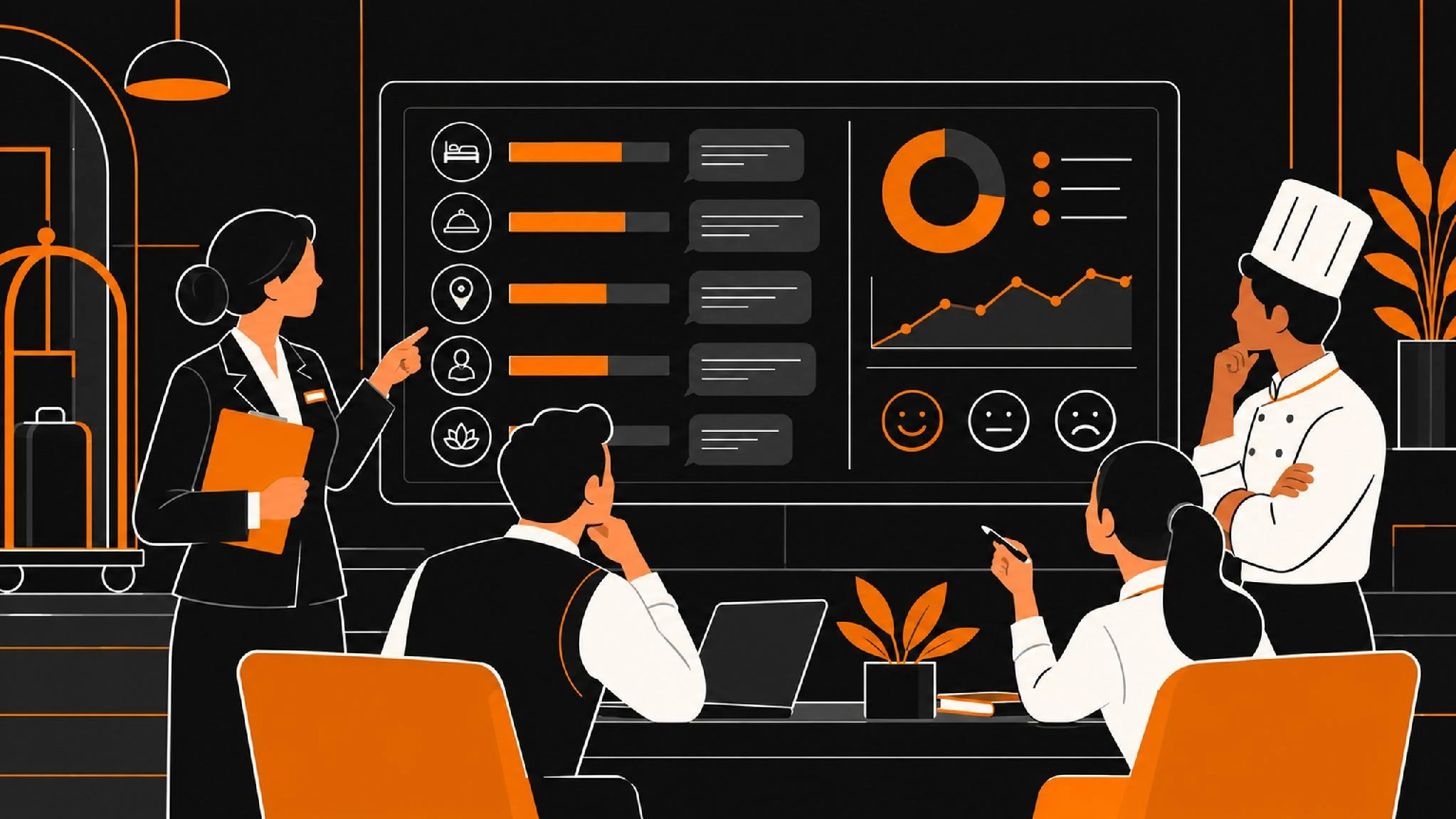
Hotels should utilize online reputation management platforms to analyze review sentiment at scale. If you notice a recurring trend in your TripAdvisor reviews—for example, multiple guests complaining about slow check-in queues—you have identified a systemic operational bottleneck. You must action that insight by staffing the front desk more heavily during peak arrival hours.
If guests consistently praise a specific concierge by name, that employee should be recognized and rewarded internally. By treating your TripAdvisor reviews as an operational diagnostic tool rather than just a marketing metric, you continuously elevate the physical guest experience. When the physical experience improves, your bubble ratings naturally increase, driving you higher up the algorithmic rankings.
Conclusion
Securing a top position on TripAdvisor is an ongoing operational strategy that requires a commitment to excellence and digital consistency. The algorithm fundamentally rewards properties that deliver high-quality experiences, resulting in a large volume of recent, positive reviews. By optimizing your profile, automating your post-stay review requests, responding professionally to all feedback, and utilizing in-stay surveys to prevent complaints, you can systematically improve your TripAdvisor Ranking and capture market share from your competitors.
Ready to dominate your local market and boost your direct bookings? Managing your online reputation and optimizing your digital footprint across dozens of platforms requires specialized hospitality expertise. Partner with the performance marketing professionals at ROI300 to build a comprehensive, data-driven reputation management and SEO strategy.
Contact ROI300 today to elevate your online rankings, build unshakeable guest trust, and turn your TripAdvisor profile into a powerful engine for commission-free revenue.