

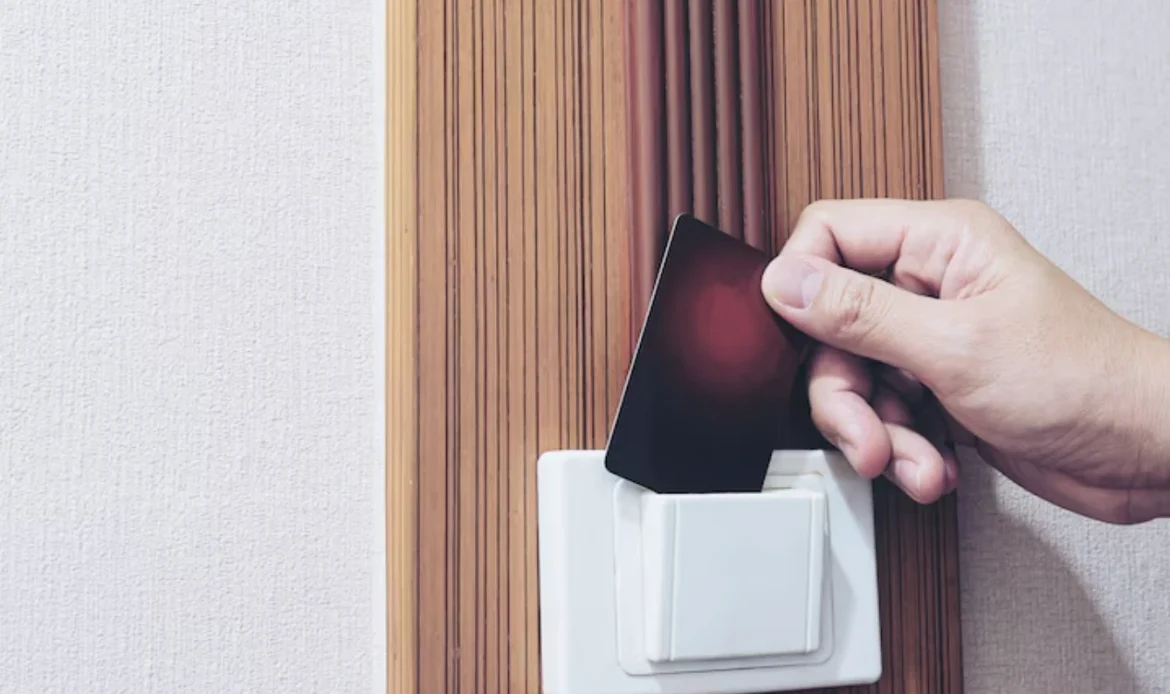
The hospitality access control sector has evolved rapidly into a highly sophisticated technological ecosystem. A modern hotel key card now serves as a critical engine for operational efficiency, physical security, and guest satisfaction. This definitive report provides a comprehensive analysis of current trends, security protocols, environmental impacts, and future market projections.
What Is A Hotel Key Card?
A Hotel Key Card is a specialized physical or digital credential designed to grant authorized individuals entry into restricted property areas. These sophisticated tools have largely replaced traditional brass keys in commercial lodging facilities across the globe. They communicate directly with electronic door locks using various embedded technologies to verify guest identities instantly. Modern iterations leverage advanced cryptographic algorithms to ensure that only the assigned guest can access a specific room during a designated timeframe.
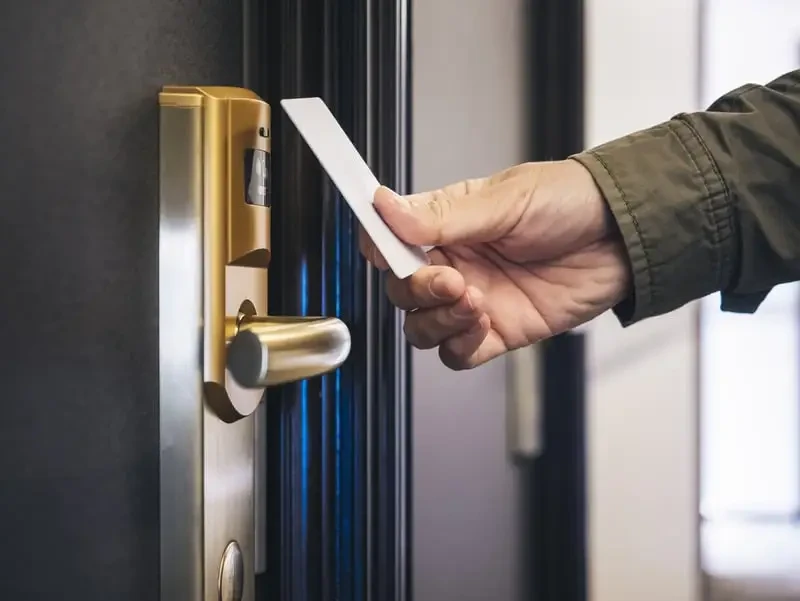
Modern cards are typically manufactured from durable plastics, sustainable wood, or biodegradable composite materials. They contain hidden data storage components, such as magnetic stripes or microchips, that hold encrypted reservation details. When presented to a compatible reader, the system verifies the stored credentials against a centralized database before releasing the mechanical deadbolt. This seamless interaction requires complex backend software architecture to function reliably in high traffic commercial environments.
Beyond simple room access, these cards often serve as a universal property passport for the modern traveler. Guests utilize their credentials to enter fitness centers, bypass elevator security, and charge restaurant meals directly to their final folio. This multifaceted utility makes the credential a cornerstone of the modern resort experience, bridging the gap between physical security and operational convenience.
Why Hotels Use Key Cards Instead Of Keys
The transition away from mechanical brass keys was driven primarily by severe operational vulnerabilities and staggering financial liabilities. Traditional metal keys posed a massive security risk whenever a guest accidentally lost their copy or intentionally kept it as a souvenir. Property managers were frequently forced to hire expensive locksmiths to completely replace the physical door cylinder to ensure future room safety. This manual replacement process was tedious, expensive, and severely disrupted daily housekeeping operations.
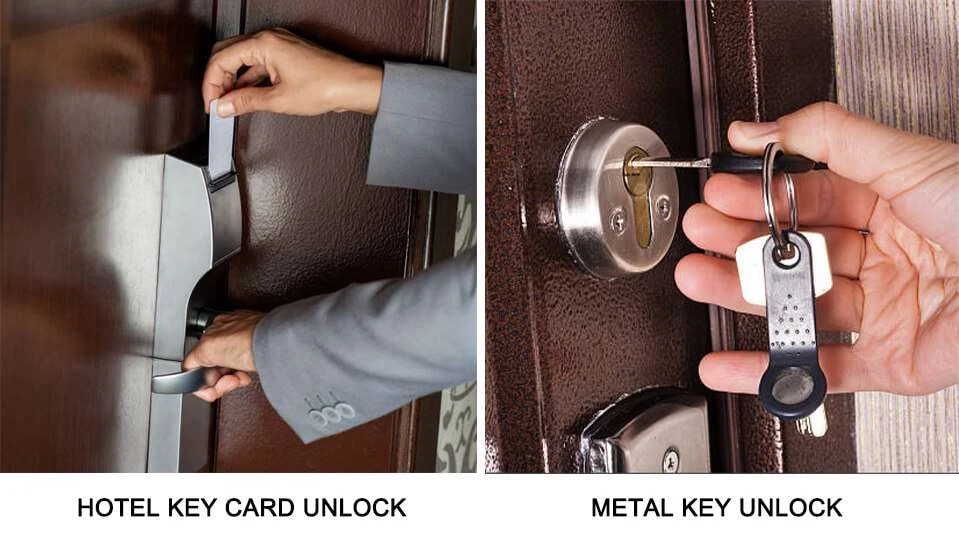
Electronic credentials solve this problem by introducing temporary and easily revocable digital access rights. If a guest loses their plastic credential, the front desk can instantly encode a replacement token with a few computer keystrokes. The moment the new token interacts with the room lock, the previous credential is automatically and permanently invalidated. This brilliant technological fail safe completely neutralizes the threat of unauthorized entry from previously lost or stolen physical items.
Furthermore, digital systems provide management with an exact timestamped audit trail of every single door interaction. Security personnel can easily determine exactly whose credential was used to enter a room during any specific minute of the day. This forensic capability drastically reduces internal employee theft and provides unparalleled peace of mind for nervous corporate travelers. The ability to monitor and control property flow centrally makes mechanical keys entirely obsolete in modern commercial hospitality.
How Do Hotel Key Cards Work?
The underlying mechanics of property access rely on complex electromagnetic physics and advanced cryptographic handshakes. Here is a detailed breakdown of the primary technological frameworks powering these ubiquitous entry systems.
Magnetic Stripe Operations
Magnetic stripe technology operates by altering the polarity of tiny magnetic particles embedded within a dark resin band. A standard reception encoder applies a specific magnetic field to this strip, writing binary data that corresponds to a unique guest reservation. When the guest inserts the card into a door reader, a specialized sensor detects these magnetic variations physically. The reader translates these physical magnetic fluctuations back into readable digital information for the internal lock computer to process.
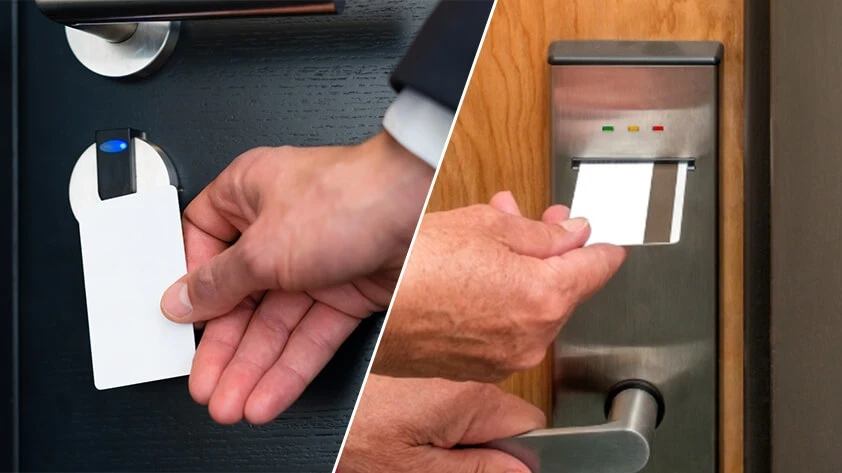
If the decoded information perfectly matches the internal lock database parameters, the mechanism releases the physical deadbolt. These cards are typically manufactured in two distinct physical variants known as High Coercivity and Low Coercivity. High Coercivity cards require a significantly stronger magnetic field to encode, making them much more resistant to accidental erasure. Conversely, Low Coercivity cards are extremely inexpensive to produce but have a notoriously short functional lifespan due to magnetic vulnerability.
Despite their historical dominance, magnetic stripe cards must be physically swiped through a reader, causing immense friction. This constant physical contact between the card and the locking mechanism causes severe wear and tear over a relatively short timeline. They are also notoriously susceptible to accidental demagnetization when placed near mobile phones or strong purse magnets. These frustrating mechanical vulnerabilities ultimately forced the hospitality industry to seek a more resilient entry solution.
Radio Frequency Identification Mechanics
A modern radio frequency credential operates as a sophisticated passive electronic device powered entirely by external energy fields. The card contains no internal battery, relying instead on harvesting electromagnetic energy emitted by the active antenna inside the door reader. Once energized, the internal microchip transmits a secure burst of encrypted data back to the reader for immediate authentication. This entire digital handshake occurs in milliseconds, providing the user with a completely frictionless entry experience.
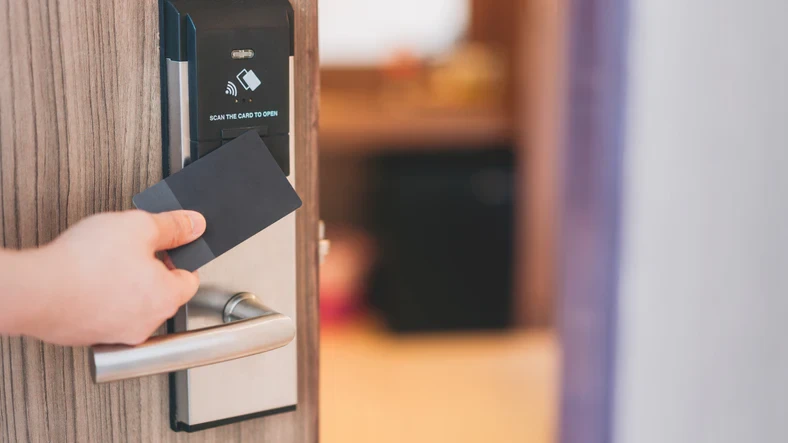
The primary advantage of this technology lies in its robust cryptographic capabilities and expansive memory storage limits. An embedded microchip can store kilobytes of highly encrypted information compared to the limited plain text of a magnetic strip. This expanded capacity allows hoteliers to seamlessly integrate room access, fitness center privileges, and point of sale payment accounts into one unified credential. The contactless nature of the transaction also eliminates physical wear, extending the functional life of the hardware indefinitely.
These systems typically operate on the high frequency 13.56 MHz band, which is globally recognized as the standard for secure access control. This specific frequency allows for rapid data transfer rates and supports advanced military grade encryption algorithms. The technology is highly scalable, enabling massive resort complexes to manage thousands of simultaneous guest credentials without network lag or interference. Consequently, almost all new property developments exclusively install these advanced contactless solutions.
Smartphone Bluetooth Connectivity
The latest evolution in access mechanics removes the physical credential entirely in favor of digital wallet integration. Smartphone access relies on Bluetooth Low Energy protocols to establish a secure encrypted connection between the mobile device and the door. The hotel property management system beams a unique digital token directly to the guest application via cellular networks prior to arrival. This encrypted payload remains dormant securely within the phone until the guest approaches their designated building.
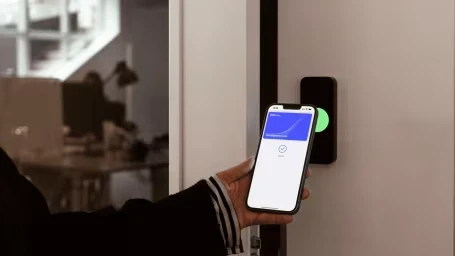
When the guest approaches their assigned suite, the mobile application broadcasts this secure token to the listening door lock. The locking mechanism utilizes advanced algorithms to verify the authenticity of the digital payload before granting entry. This wireless framework completely removes the necessity of visiting the lobby reception desk, facilitating a frictionless arrival experience. Advanced systems even utilize background unlocking features, allowing elevators to recognize the guest’s phone without the application being visibly open.
3 Main Types Of Hotel Key Card Systems
The hospitality sector currently relies on three distinct categories of locking infrastructure to manage property flow and security. Below is an analysis of these primary architectural choices shaping the modern guest experience.
Magnetic Stripe Legacy Systems
Magnetic stripe networks represent the oldest electronic access architecture still functioning within the modern lodging industry. These older frameworks are highly favored by independent motels due to their incredibly low initial installation costs. Replacement magnetic credentials can be purchased in bulk for as little as USD 0.10 to USD 0.30 per unit. The backend software required to manage these systems is typically very basic, requiring minimal IT infrastructure to maintain.
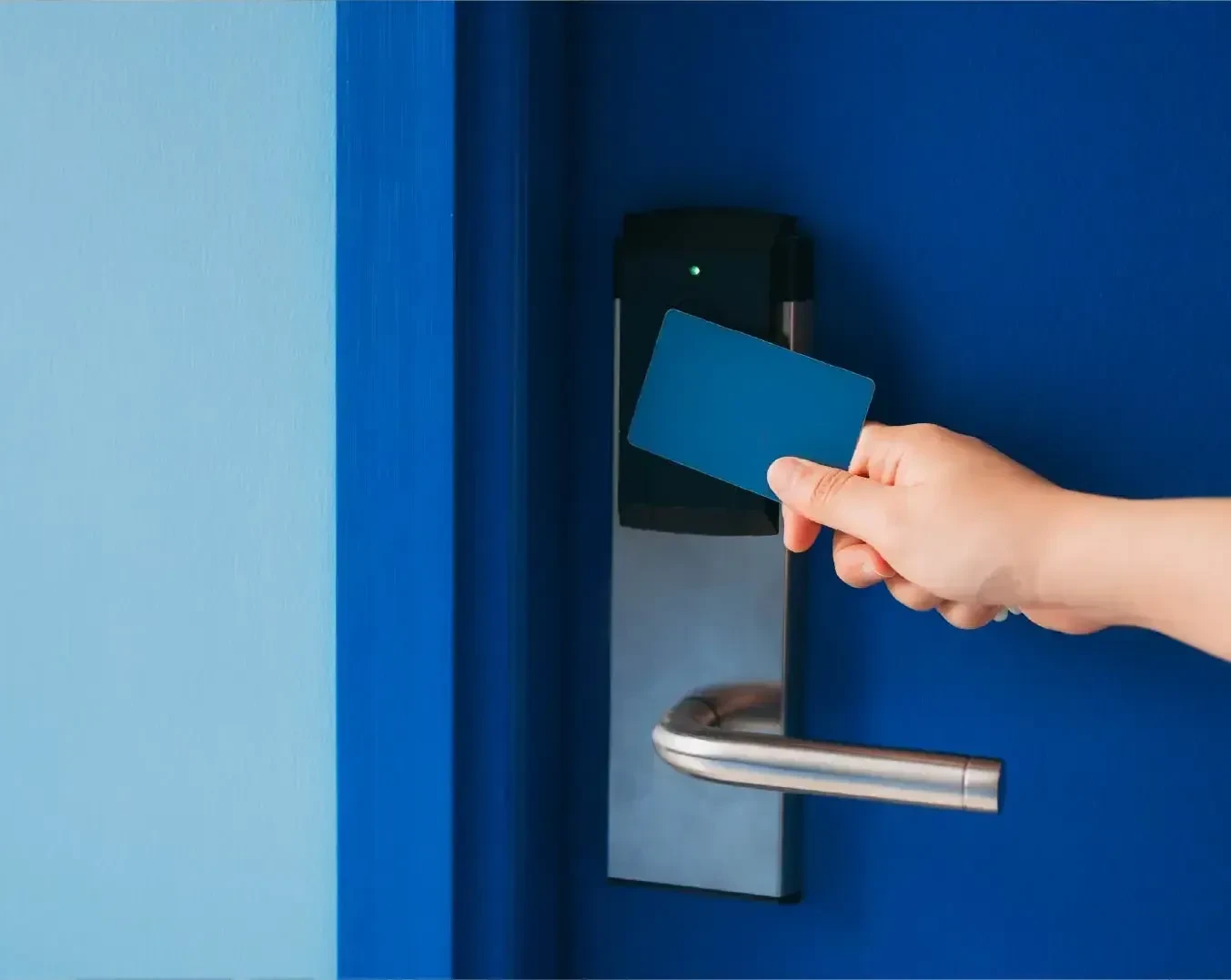
Despite their affordability, these legacy systems are rapidly becoming obsolete due to technical limitations and astronomical failure rates. The physical readers require constant manual maintenance, as dirt and plastic residue quickly accumulate inside the swiping mechanism. Furthermore, the unencrypted nature of the magnetic data makes these older cards incredibly vulnerable to unauthorized cloning tools. Hackers can easily duplicate a basic magnetic credential using cheap hardware purchased legally on the internet.
These vulnerabilities lead to high daily failure rates, forcing hotels to constantly deal with frustrated guests locked out of their rooms. The operational headaches associated with replacing demagnetized inventory often negate the initial savings on hardware procurement. Industry experts strongly advise against installing these antiquated systems in any new commercial property developments due to immense liability risks.
RFID And Smart Card Systems
Radio frequency identification systems constitute the current gold standard for mid scale and luxury property developments worldwide. These contactless networks utilize sophisticated radio wave transmissions, entirely eliminating the physical friction that plagued earlier magnetic locking mechanisms. Because the internal microchip and antenna are safely encased within a plastic or wooden substrate, they are virtually immune to environmental damage. This outstanding reliability drastically reduces the daily operational burden placed on property maintenance teams and front desk staff.
Contactless technology is entirely resistant to standard magnetic interference, meaning smartphones no longer pose a threat to card functionality. The superior data capacity of modern microchips allows hotels to encode complex multi tiered access privileges onto a single credential. While outfitting a property with modern smart locks requires a larger capital expenditure, the long term operational savings are immense. Advanced RFID locks range from USD 150 to USD 600 per door, representing a significant but necessary infrastructural investment.
Forward thinking investors gladly absorb these higher upfront costs to secure a future proof and highly reliable technology stack. This advanced hardware provides a vital foundation for future property upgrades, including seamless smart room automation and mobile key integrations. The ability to scale the system dynamically ensures that the hotel can adapt to future security demands without replacing physical door cylinders.
Mobile Key And Digital Wallet Systems
The third and most advanced system category leverages the guest’s personal smartphone as the primary access credential. Digital key platforms integrate directly with property management software to automatically push secure unlocking credentials to a dedicated mobile application. This infrastructure allows large resorts to drastically reduce their reliance on purchasing, storing, and encoding physical plastic inventory. It represents the ultimate convergence of digital convenience and robust physical property security.
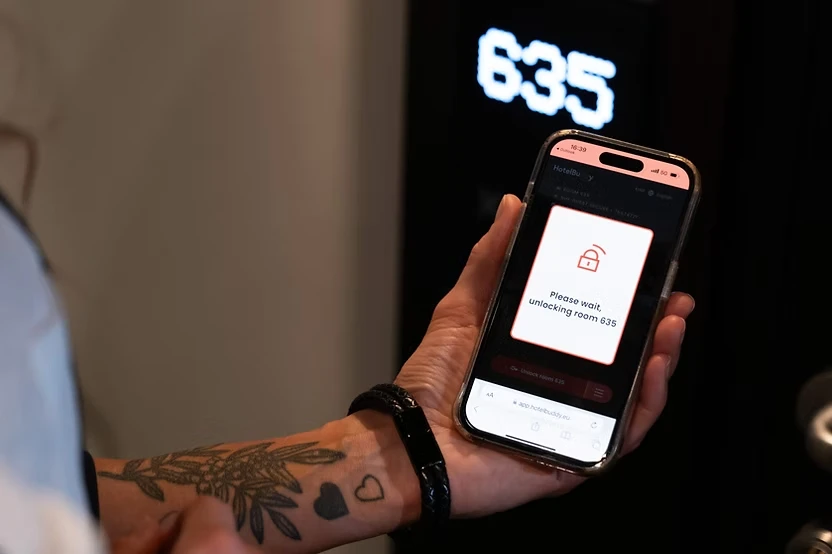
Implementing a mobile key solution allows a traveler to bypass the traditional front desk check in queue entirely. Upon arrival, the guest heads straight to their assigned suite and unlocks the door using a secure Bluetooth connection. Properties offering this advanced system consistently report surges in guest satisfaction scores and glowing social media reviews. The removal of this administrative friction point allows staff to focus entirely on providing personalized high touch concierge services.
Advanced digital systems can even interact with broader smart building infrastructure to create personalized room environments. When the digital key activates the door, the system can automatically adjust lighting levels and lower the thermostat based on saved guest preferences. This seamless technological orchestration represents the ultimate luxury standard for future hospitality operations worldwide. It transforms a simple unlocking mechanism into a holistic immersive hospitality experience.
What Are The Advantages Of Electronic Key Cards In Hotels?
Upgrading from physical brass keys to centralized electronic credentials unlocks massive benefits across all property departments. Let us explore the core advantages driving this global technological adoption.
Enhanced Guest Security And Audit Trails
Electronic credentials provide an exponentially higher level of physical security compared to legacy mechanical lock cylinders. If a plastic or wooden Hotel Key Card is lost in transit, hotel staff can instantly digitally revoke its access privileges. The moment a newly encoded card touches the door reader, the previous credential becomes entirely useless to any potential intruder. This instantaneous revocation capability provides an impregnable layer of security that traditional brass keys could never offer.
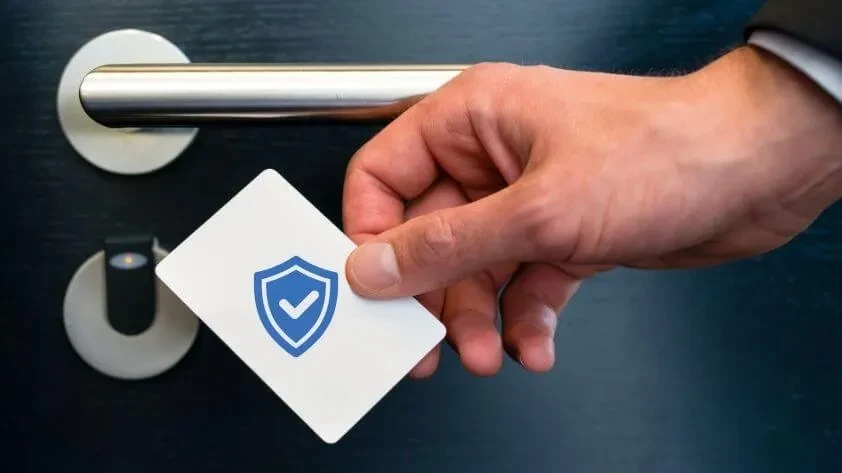
Advanced lock software also generates a meticulous real time audit trail of every single entry attempt throughout the building. Management can instantly review which specific staff member or guest credential unlocked a door at any given minute of the day. This forensic tracking capability strongly deters internal employee theft and provides crucial evidence during active security investigations. Modern systems can also alert front desk personnel immediately if a room door is accidentally left propped open.
Operational Efficiency And Cost Reduction
Automating the check in and room assignment process heavily reduces the administrative burden placed on front desk receptionists. Seamless property management integrations allow agents to encode a fresh credential in a matter of seconds rather than manually filing paperwork. This drastic improvement in operational speed allows properties to safely operate with leaner staff levels during peak arrival windows. Furthermore, shifting to durable radio frequency cards heavily reduces the hidden expenses associated with replacing damaged inventory.
While magnetic cards fail frequently due to demagnetization, contactless credentials can endure thousands of uses without experiencing functional degradation. The operational savings become glaringly obvious when analyzing annual procurement data for massive resort complexes. Adopting digital mobile keys accelerates these financial savings by completely severing the hotel’s reliance on physical supply chains. Internal case studies reveal that adopting mobile technology saves large properties an average of USD 1,000 every single month in discarded physical inventory.
Marketing Opportunities And Brand Identity
A physical access credential is the single most interacted with branded asset during a typical hospitality experience. Guests handle, observe, and carry this specific item dozens of times throughout their daily vacation itinerary. Treating this powerful touchpoint as a generic blank piece of utility plastic is a massive missed marketing opportunity. Thoughtful visual design instantly elevates the perceived value of the establishment and reinforces core corporate brand messaging.
By incorporating unique die cuts, localized artwork, or signature color palettes, hotels transform a basic key into a highly desirable collectible. Scanning custom QR codes printed on the card can direct guests to lucrative internal dining promotions or spa booking portals. To truly maximize these advanced digital marketing funnels, ambitious hoteliers should consider specialized agency partnerships. Engaging elite experts allows properties to dominate local search results and drive highly profitable direct booking conversions.
Market Size And Statistical Growth In 2026
The global access control market for hospitality is currently experiencing an unprecedented surge in venture capital investment. Consider the following financial projections and regional growth metrics shaping the industry landscape.
Global Valuation And Revenue Forecasts
Recent financial data indicates that the worldwide hospitality locking market reached an impressive valuation between USD 1.48 billion and USD 1.58 billion in 2024. Industry analysts confidently project a robust compound annual growth rate ranging from 6.7% to 7.2% through the coming decade. By the year 2033, the total global market valuation is expected to approach a staggering USD 2.97 billion. This robust growth trajectory is heavily fueled by aggressive new hotel construction activities across developing nations.
Furthermore, constant advancements in microprocessor technologies are forcing older properties to execute massive system wide hardware upgrades. The undeniable shift toward intelligent building management ensures that security hardware investments remain a top priority for global hotel management groups. The deep integration of artificial intelligence and cloud computing is further accelerating these aggressive capital expenditure metrics. Property owners now fully recognize that advanced locking systems yield substantial operational dividends well beyond simple physical security.
Table 1.1. Global Hospitality Locking Market Projections
| Market Metric | 2024 Valuation | 2033 Projection | Anticipated CAGR |
| Global Market Size | USD 1.58 Billion | USD 2.97 Billion | 7.2% |
| North American Share | USD 518 Million | USD 950 Million (Estimated) | 6.5% |
| Emerging Markets | USD 237 Million | USD 500 Million (Estimated) | 8.1% |
Regional Expansion And Dominance
North America currently dominates the global access landscape, accounting for approximately 35% of total worldwide industry revenue. This dominant region generated around USD 518 million in 2024, driven largely by major hospitality chains adopting advanced entry solutions. The United States leads this regional growth through heavy corporate investments in secure contactless systems and operational automation. Canadian and Mexican markets are also showing steady expansion due to renewed tourism infrastructure initiatives and luxury resort developments.
Meanwhile, European markets are demonstrating remarkable growth fueled by stringent environmental regulations and the rapid adoption of eco friendly materials. Western Europe specifically leads the global charge in deploying biodegradable and sustainable credential solutions. Developing regions like the Middle East, Africa, and Latin America are rapidly emerging as highly lucrative expansion zones. These developing territories collectively accounted for roughly USD 237 million in 2024, bolstered by massive government investments in tourism.
The Historical Evolution Of Property Access
Security mechanisms have transformed radically over thousands of years of human civilization and architectural development. Take a look at the timeline of these monumental physical security innovations.
Ancient Mechanisms To Punch Cards
The fundamental concept of securing physical assets dates back to the Assyrians in 4000 BC, who utilized rudimentary wooden locking pins at the Palace of Khorsabad. By 2000 BC, the Egyptians had invented an early iteration of the pin tumbler, which remains the foundational mechanism for modern locks. The ancient Greeks and Romans subsequently refined these designs by introducing heavy metal components and intricate keyhole architecture. These heavy metal keys dominated property security for centuries, becoming a universal symbol of trust and authority.
The modern hospitality era truly began in the nineteenth century shortly after the widespread distribution of the Yale pin tumbler cylinder. By 1862, iconic properties like Le Grande Hotel in Paris secured guest rooms using heavy metal keys attached to massive rings. These bulky items were intentionally designed to be inconvenient, forcing guests to leave them with the front desk concierge when departing. This centralized control improved physical security but required intense manual labor from hotel staff.
The first major technological leap occurred in the 1970s with the introduction of mechanical plastic punch cards. Innovators like Tor Sornes developed re codable plastic cards featuring specific patterns of thirty two tiny holes. This groundbreaking system offered billions of possible lock combinations and successfully eliminated the need to change physical cylinders when a key was lost. This brilliant innovation set the stage for the massive electronic security revolution that soon followed.
The Era Of Magnetic Swiping
The computing boom of the 1980s paved the way for widespread adoption of magnetic stripe technology across the hospitality sector. Borrowing heavily from the banking industry, hotels began issuing inexpensive plastic cards encoded with temporary digital credentials. These credentials were saved onto a dark magnetic band that required direct physical friction against a reader head to transmit data. This innovation allowed staff to issue, cancel, and modify access privileges in a matter of seconds.
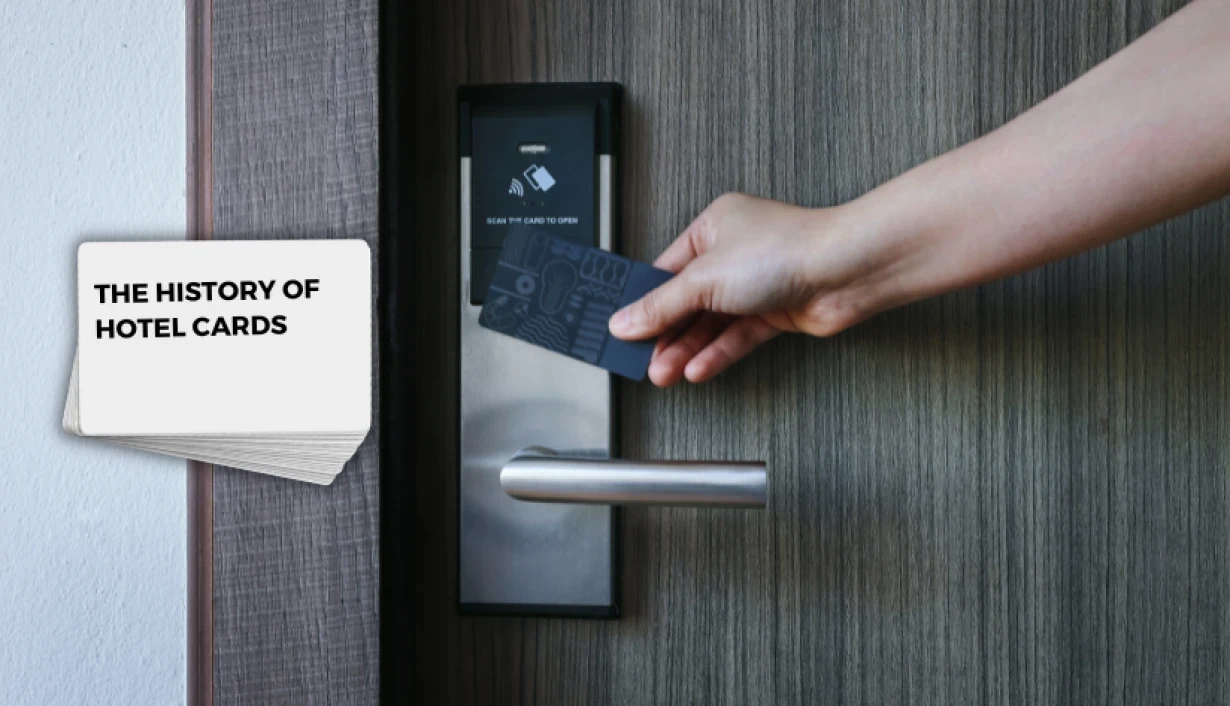
Magnetic systems dramatically improved guest safety by neutralizing the terrifying threat of permanently lost metal keys. If a traveler misplaced their credential, the front desk could instantly program a replacement, rendering the old card entirely useless. The sheer cost effectiveness of producing these plastic units made them the undisputed industry standard for nearly three decades. However, frequent physical contact between the card and the locking mechanism caused severe wear and tear over time.
These frustrating mechanical vulnerabilities ultimately forced the industry to seek a more resilient and frictionless entry solution. Magnetic stripes were also highly susceptible to demagnetization from everyday objects like smartphones and magnetic purse clasps. This inherent fragility caused immense frustration for guests who frequently found themselves locked out of their expensive luxury suites.
The Contactless Revolution
The introduction of radio frequency identification technology in the early 2000s marked the permanent beginning of the contactless era. Unlike their magnetic predecessors, these advanced systems utilize invisible radio waves to transmit encrypted data through the air. Guests simply wave or tap their credential near a designated sensor pad to gain immediate and flawless entry. Contactless operation fundamentally solved the durability crisis associated with magnetic stripes by removing all mechanical friction entirely.
Because the internal microchip and antenna are safely encased within the plastic substrate, they are virtually immune to typical environmental damage. Furthermore, this advanced technology is entirely resistant to standard magnetic interference, meaning smartphones no longer erase card functionality. Today, contactless systems have entirely saturated the luxury and mid scale hospitality markets across the globe. They provide the foundational infrastructure necessary for advanced smart building integrations and personalized guest tracking metrics.
Deep Technical Comparison Of RFID Chip Standards
Chip architecture directly dictates the ultimate safety and reliability of any modern contactless access credential. Examine the detailed specifications regarding industry standard communication protocols and their inherent vulnerabilities.
The Critical Vulnerabilities Of MIFARE Classic
The MIFARE Classic chip was introduced by NXP Semiconductors as an early pioneer in the contactless smart card industry. Operating on the 13.56 MHz frequency, it employs a proprietary security protocol known as Crypto-1 for authentication and data ciphering. For many years, this standard dominated the global market, providing affordable and reliable access control for hotels and public transit systems. The classic architecture relies on fixed memory sectors, typically limited to 1 KB or 4 KB, to store simple user permissions.
Unfortunately, the Crypto-1 algorithm was mathematically compromised by academic security researchers over a decade ago. The cryptographic flaws allow attackers to execute rapid brute force attacks, extracting the secret keys needed to seamlessly clone the credential. Consequently, MIFARE Classic cards can be easily eavesdropped upon and duplicated using readily available smartphone applications. This glaring vulnerability renders the Classic chip entirely unsuitable for environments requiring robust modern security parameters.
Despite these well documented security failures, thousands of older hotels inexplicably still rely on this compromised legacy infrastructure. Migrating away from this standard requires a substantial capital investment, as properties must often replace both their encoding software and their physical door readers. Security consultants strongly advise against installing Classic chips in any new property developments or high end renovations.
The Superior Architecture Of MIFARE DESFire
To address the severe cryptographic shortcomings of earlier iterations, NXP engineered the MIFARE DESFire standard completely from the ground up. This advanced technology functions essentially as a secure microcontroller, offering military grade cryptographic protection and a flexible internal file system. The DESFire protocol utilizes industry standard encryption algorithms, including AES-128 and 3DES, to safeguard all data transmissions. These rigorous mathematical standards provide superior protection against cloning, skimming, and malicious data manipulation attempts.
The flexible file architecture of DESFire allows for massive operational versatility within large complex resort ecosystems. Unlike the rigid sector layout of legacy chips, DESFire supports up to twenty eight independent applications running concurrently on a single credential. This means a single card can securely manage room access, cashless dining payments, and VIP lounge entry without cross contaminating sensitive data. The data transfer speeds are equally impressive, reaching up to 848 kbit per second for instantaneous authentication.
Table 1.2. RFID Feature Comparison
| Feature Category | MIFARE Classic (EV1) | MIFARE DESFire (EV3) |
| Encryption Standard | Crypto-1 (Proprietary) | AES-128, 3DES |
| Security Vulnerability | High (Easily Cloned) | Very Low (Military Grade) |
| Data Architecture | Fixed Sectors | Flexible File System |
| Multi App Support | Highly Limited | Excellent (Up to 28 Apps) |
| Data Transfer Speed | 106 kbit per second | Up to 848 kbit per second |
Analyzing The Financial ROI Of Access Control
Financial planning for access infrastructure must extend far beyond the initial procurement of heavy door hardware. Observe these critical analyses regarding long term maintenance budgets and hidden operational expenses.
Hardware Costs And Installation Budgets
The financial disparity between traditional magnetic systems and advanced contactless networks is immediately apparent during initial architectural procurement. A basic magnetic stripe lock typically demands an upfront investment of USD 25 to USD 50 per individual door. Conversely, outfitting a property with modern smart locks requires a significantly larger capital expenditure, ranging from USD 150 to USD 600 per door. For a standard 200 room commercial property, this translates to a massive baseline budget difference during initial construction or renovation.
However, upfront hardware costs only represent a very small fraction of the total lifetime expenditure required to maintain the system. Magnetic systems generally require a much simpler backend software architecture, further reducing the initial digital rollout costs for budget motels. In contrast, contactless networks often require specialized encoding stations, secure server integrations, and complex property management software licenses. These sophisticated technological layers demand careful budgeting and comprehensive staff training programs to ensure proper execution.
Inventory Loss And Replacement Expenses
Physical credentials represent a relentless operating expense that perpetually drains critical hospitality budgets year after year. Magnetic stripe cards are remarkably cheap to manufacture, typically costing a mere USD 0.10 to USD 0.30 per printed unit. However, their extreme susceptibility to demagnetization causes a shocking 13% failure rate, while physical wear accounts for another 23% of failures. Hotels relying on legacy magnetic infrastructure routinely experience catastrophic annual inventory loss rates hovering between 30% and 50%.
RFID credentials boast a much higher unit price, generally ranging from USD 0.30 to upwards of USD 2.00 depending on custom branding elements. Because the microchip is protected entirely inside the plastic, these cards suffer virtually zero functional degradation from daily repetitive use. Consequently, properties utilize far fewer replacement cards, effectively neutralizing the higher per unit procurement costs over an extended timeline. Guest negligence contributes massively to the financial burden, as 68% of travelers intentionally keep their room credentials as vacation mementos.
Navigating Property Management System Integrations
A standalone lock system provides limited operational value without direct real time communication to the central reservation database. Delve into the core mechanics of these essential digital handshakes and their operational impacts.
Seamless Check In Workflows
Modern access control systems must interface perfectly with the hotel’s central property management system to function at peak efficiency. When a traveler officially checks in, the system automatically transmits a secure command directly to the electronic locking database. This automated communication instantly generates a unique digital credential containing the exact room assignment and authorized dates of stay. The front desk agent simply taps a blank card against a desktop encoder to instantly finalize the complex programming process.

This deep software integration completely eliminates the need for manual data entry, drastically reducing devastating human administrative errors. Because the unique identifier is digitally linked to the specific reservation, the credential automatically expires the very second the checkout time passes. This automatic expiration ensures physical security without requiring staff to manually track down and deactivate old unreturned cards. If a traveler extends their vacation, the management software automatically updates the existing credential remotely without requiring a trip to the lobby.
Centralized Data And Labor Optimization
Integrating access hardware with the central database allows for unprecedented real time monitoring of property dynamics and crowd flow. Advanced platforms provide live dashboards showing exact door statuses, battery levels, and unauthorized entry attempts across the entire building. This continuous synchronization of data ensures that security personnel are immediately alerted to a door left ajar or a forced entry attempt. It provides management with a granular and deeply accurate audit trail of every single human interaction within the facility.

Analyzing the timestamp data from card usage provides brilliant insights into guest behavioral patterns and facility utilization metrics. Management can precisely track peak usage times for the fitness center, monitor dining durations, and optimize housekeeping schedules based on actual room occupancy. This data driven approach removes all guesswork from labor optimization, allowing hotels to deploy expensive staff exactly where they are needed most. Integrating these data streams ultimately creates a smarter and highly responsive building ecosystem.
The Massive Shift Toward Mobile Digital Keys
Smartphone adoption has fundamentally altered how modern travelers expect to interact with their luxury accommodations. Discover the compelling consumer data driving this inevitable mobile security revolution.
Changing Consumer Expectations
The hospitality industry is currently experiencing a consumer driven paradigm shift toward completely keyless entry frameworks. Recent market research indicates that nearly 63% of modern travelers actively desire the ability to utilize their personal smartphone as a room credential. This profound shift in preference is driven by the ubiquitous daily nature of digital wallets and contactless payment technologies. Consumers have grown entirely accustomed to managing their complex lives through mobile interfaces, and they expect their travel experiences to mirror this convenience.
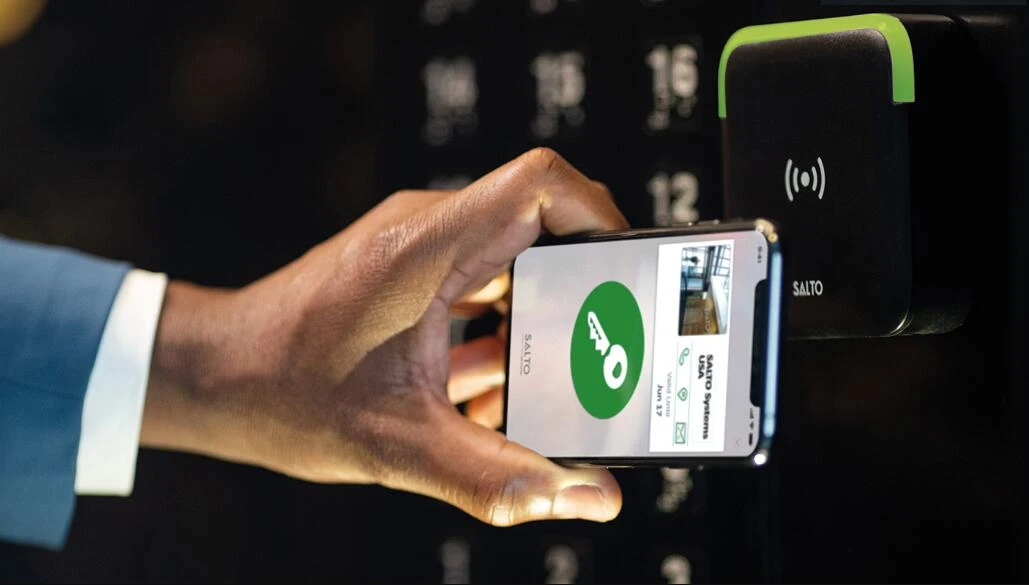
Implementing a mobile solution allows a guest to completely bypass the traditional agonizingly slow front desk check in line. Upon arrival, the traveler heads straight to their assigned suite and unlocks the door using a secure Bluetooth connection. This brilliant technology eliminates the most universally despised friction point in the entire hospitality customer journey. Properties offering this advanced feature consistently report surges in guest satisfaction scores, averaging a seven point increase on social media reviews.
Hilton Honors And Marriott Bonvoy Success
The world’s largest hospitality conglomerates have heavily pioneered the aggressive multi million dollar rollout of digital entry systems. The Hilton Honors application has become a monumental success, boasting over 14.3 million digital key downloads in just the first eight months of 2024. This staggering consumer adoption rate proves that frequent travelers eagerly embrace frictionless technology when it is executed flawlessly by the brand. Hilton has even expanded this robust functionality to allow background unlocking of elevators without requiring the guest to actively open the application.
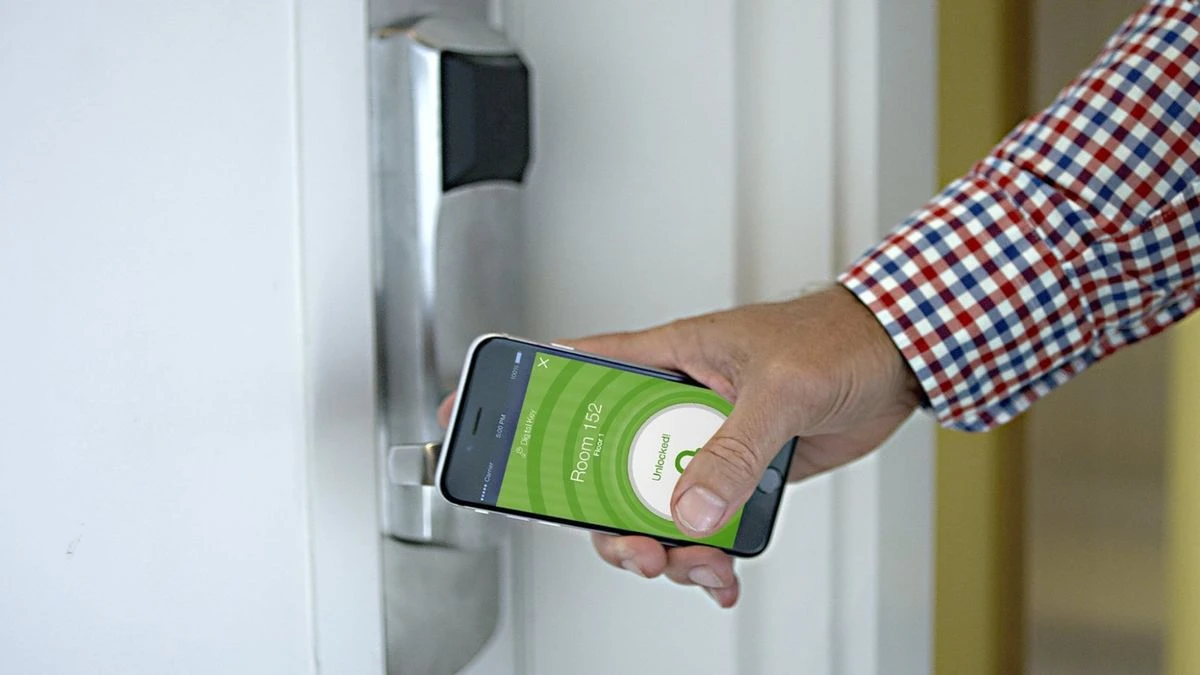
Marriott International has similarly positioned their proprietary Bonvoy application as the absolute centerpiece of their modern luxury guest experience. Their massive digital transformation focuses heavily on removing operational friction while maintaining a feeling of highly personalized invisible service. Using the mobile feature allows Marriott to directly collect invaluable first party data regarding guest stay histories and specific room preferences. This direct communication channel heavily incentivizes future direct bookings, systematically reducing the hotel’s expensive reliance on third party travel agencies.
Biometrics And Future Technology Trends
Next generation authentication methods are moving entirely away from external physical tokens and smartphone dependencies. Look forward to the next frontier in frictionless hospitality security implementations.
Facial Recognition And Fingerprint Access
The hospitality industry is currently standing on the precipice of an industry altering biometric security revolution. Facial recognition technology is rapidly advancing from a science fiction novelty concept into a highly reliable frictionless method of guest authentication. Instead of carrying a plastic card or fumbling with a smartphone application, the guest’s unique physical face becomes the ultimate unforgeable credential. Specialized artificial intelligence cameras mounted outside the guest room scan the approaching traveler, verify their identity in milliseconds, and instantly release the deadbolt.
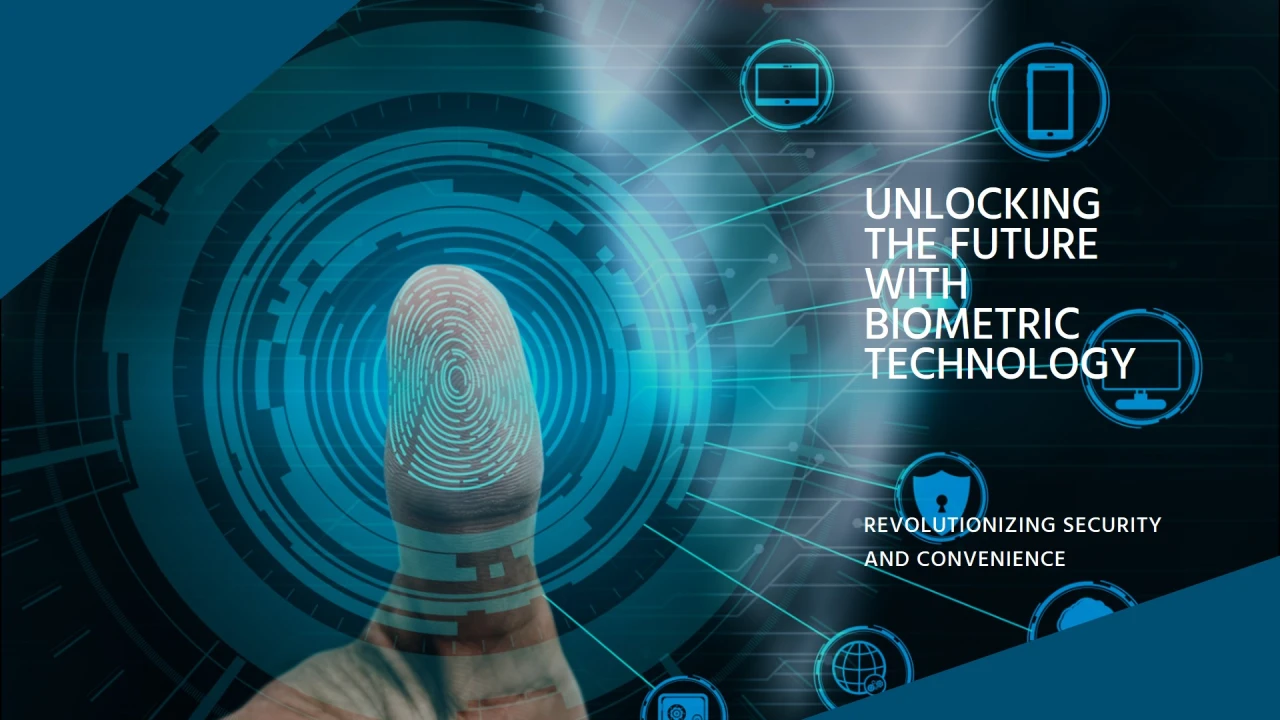
This technology offers unparalleled security benefits by making stolen keys or cloned digital credentials completely irrelevant to modern thieves. It also allows hotels to hyper personalize the guest experience by instantly identifying returning VIPs the moment they enter the main lobby. Asian markets are currently leading the aggressive deployment of these advanced biometric kiosks, drastically reducing wait times and manual passport verification processes. While privacy and data storage concerns remain a significant hurdle in Western markets, the sheer convenience factor is undeniably powerful.
Multimodal Security Frameworks
To achieve absolute security without sacrificing convenience, future hotel systems will heavily rely on sophisticated multimodal biometric authentication protocols. This involves combining multiple distinct physical identifiers, such as combining facial recognition with high speed fingerprint scanning or localized behavioral walking patterns. These deeply interconnected systems utilize advanced artificial intelligence to constantly monitor the environment for anomalies and unauthorized tailgating attempts. If a smart system detects a discrepancy, it can instantly demand a secondary authentication method, such as a secure PIN code.

This massive influx of biometric data requires hospitality brands to implement flawless military grade cybersecurity protocols across their entire network. Protecting highly sensitive physiological data from cyber breaches is an existential requirement for any brand adopting these futuristic data heavy technologies. As the boundary between digital identity and physical access vanishes, hoteliers must continuously invest in elite cybersecurity frameworks to maintain absolute guest trust.
Conclusion
The evolution of the hotel key card reflects the broader transformation of modern hospitality. What began with heavy metal keys has progressed to secure mobile access, encrypted systems, and biometric technology. Today, access control is not only about safety but also about improving operational efficiency, supporting sustainability, and enhancing the overall guest experience. When integrated with property management systems and digital tools, even something as simple as a door lock becomes part of a smarter, more connected hotel operation.
But operational excellence must be matched by a strong digital presence. ROI300 helps hotels achieve this through specialized digital marketing, local SEO, and conversion rate optimization designed for the hospitality industry. If you want to increase direct bookings, reduce OTA dependence, and turn online visitors into loyal guests, contact ROI300 today and start transforming your digital strategy.