


Stop surrendering your hard-earned revenue to expensive third party platforms. In 2026, an optimized Hotel Booking Engine is the undisputed cornerstone of profitable hospitality operations. Discover the exact technical frameworks, user experience designs, and digital marketing strategies required to bypass intermediaries, build brand loyalty, and drive lucrative direct reservations.
The Global Hospitality Market Landscape And Projections
The travel sector has experienced unprecedented technological adoption over the past few years, altering how consumers research and secure their accommodations. Here are the fundamental data points driving this industry shift and shaping the future of property management.
Market Size And Global Economic Valuation
The global market for digital accommodation reservations has shown remarkable resilience and expansion following recent global disruptions. In 2024, the worldwide industry was valued at $523 billion, reflecting a complete recovery and stabilization of international travel habits. Industry analysts project this valuation to soar to $1.3 trillion by the year 2030, representing a robust compound annual growth rate of 13.1%.
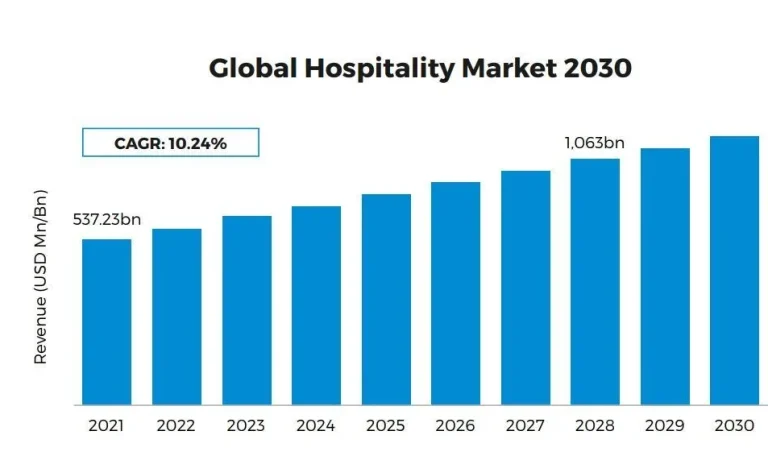
This financial trajectory highlights the critical importance of capturing digital market share before competitors establish total dominance. The sheer volume of digital transactions occurring globally is a testament to the modern traveler’s reliance on technology. A single major industry technology provider now processes over 235 reservations every minute across the globe.
This momentum translates to more than 125 million confirmed stays annually across various connected digital platforms. Consequently, properties that fail to modernize their digital infrastructure risk being left behind by an increasingly tech savvy consumer base. Global occupancy rates have also surged past previous benchmarks. In 2025, worldwide occupancy hit an impressive 72%, which is a full 8% higher than the figures recorded in 2019.
Regional Expansion In The Asia Pacific Sector
While North America and Europe remain foundational pillars of the hospitality economy, the Asia Pacific region is rapidly becoming the epicenter of digital travel innovation. By 2024, the Asia Pacific territory boasted the largest user base globally, with over 320,000 properties utilizing advanced reservation technologies. Countries such as China, India, and Japan are acting as the primary catalysts for this localized technological boom.
The adoption of mobile technology in these emerging markets is noteworthy for long term strategic planning and infrastructure investment. In India, more than 64% of all reservations in tier one cities were processed exclusively through mobile devices in 2023. This shift toward smartphone commerce is forcing global operators to rethink their interface design philosophies to capture younger demographics. A mobile first approach is no longer optional if a brand wishes to penetrate the lucrative Asian travel market successfully.
Table 1.1. Global Digital Accommodation Market Projections
| Market Metric | 2024 Valuation | 2030 Projection | Growth Rate |
| Global Market Size | $523 Billion | $1.3 Trillion | 13.1% |
| Asia Pacific User Base | 320,000 Properties | N/A | N/A |
| Global Occupancy | 64% (Historical) | 72% (2025) | N/A |
| Mobile Booking Share | 60% | 75% (2026) | N/A |
The Surge Of Mobile Reservations And Changing Habits
Mobile reservations are dominating the digital landscape and reshaping the foundational strategies of digital marketers globally. In 2024, mobile bookings accounted for 60% of all global reservations, underscoring a permanent shift in consumer purchasing behavior. Experts project this mobile dominance will reach a 75% market share by the year 2026, solidifying the smartphone as the primary booking tool.
Furthermore, last minute reservations made on smartphones have increased by 36% recently, driven by the convenience of ubiquitous mobile internet. Travelers now expect to finalize complex travel itineraries while waiting in line for coffee or commuting on public transit systems. If your digital storefront cannot load instantly on a cellular network, you will inevitably lose this crucial spontaneous demographic.
The Financial Reality Of Third Party Distribution
Properties rely heavily on external platforms to generate demand, but this visibility comes at a steep financial price that erodes net profits. Below is a detailed breakdown of the actual expenses associated with external demand generation and the importance of direct channels.
Understanding Online Travel Agency Commissions
Online travel agencies maintain a firm grip on the modern distribution landscape, capturing a large share of the consumer market through aggressive marketing campaigns. Current data indicates that these third party platforms hold a two to one share of all online reservations compared to direct brand channels. While these agencies are vital for liquidating unsold inventory, their services demand exorbitant commission fees that devastate profit margins.
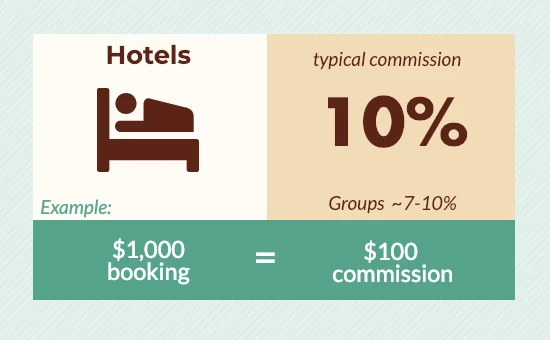
Hotels typically surrender between 15% to 30% of their gross room revenue for every single transaction processed through these intermediaries. This commission burden creates a dangerous cycle of dependency that is notoriously difficult for independent properties to break. Every dollar paid to an external distributor is a dollar extracted from the property’s potential profit margin and future expansion budget.
Calculating True Cost Of Acquisition
To truly understand distribution profitability, operators must meticulously calculate their cost of acquisition for every digital marketing channel. Traditional metrics like average daily rates are insufficient because they ignore the marketing expenses required to secure the guest initially. Third party commissions scale linearly with revenue, meaning that as your room rates increase, the absolute dollar amount paid to the agency increases proportionally.
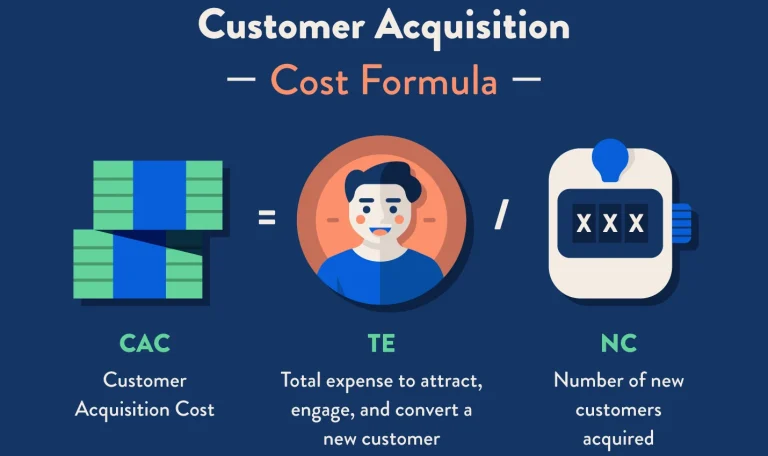
Conversely, investing in proprietary digital infrastructure requires upfront capital but yields compounding long term returns. Direct reservations generate up to 60% higher total revenue per transaction compared to third party bookings. Specifically, the average direct transaction value sits at an impressive $519, compared to $320 for reservations sourced through external agencies.
Guests utilizing direct channels are statistically more likely to select premium room categories, stay longer, and purchase expensive ancillary services. Managing these complex economic variables requires specialized strategic oversight and continuous performance auditing. By optimizing your acquisition cost curve, your property can retain up to 95.82% of its generated revenue, compared to the 82.06% retention rate typically seen with external channels.
The Billboard Effect And Strategic Distribution
Abandoning external distribution channels is neither realistic nor strategically sound for most accommodation providers operating today. Extensive research indicates the existence of a billboard effect, where 75% of consumers visit a third party listing before navigating to the brand’s official website. These platforms act as powerful search engines, introducing your property to millions of potential guests who would otherwise never discover it organically.
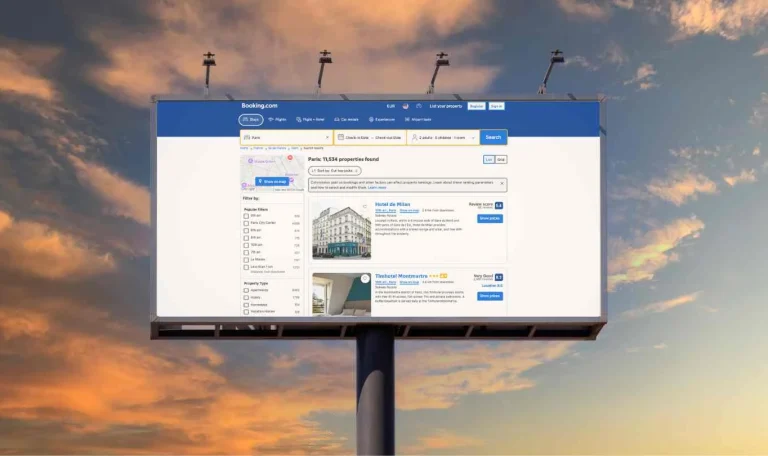
Therefore, the most profitable strategy involves utilizing third party sites for broad visibility while aggressively capturing the final sale directly. Studies analyzing thousands of transactions found that for each reservation a hotel receives through a major platform, their individual brand website receives multiple direct visits. Converting this secondary traffic is the primary mission of an optimized Hotel Booking Engine. Maintaining price parity and offering exclusive direct perks are essential tactical maneuvers for winning this critical conversion battle.
Technical Architecture Of A High Converting Hotel Booking Engine
A proprietary reservation platform is the central nervous system of any direct digital sales strategy. Let us explore the critical architectural components required for operational success and maximum consumer conversion rates.
Cloud Infrastructure And Seamless Scalability
The foundation of any elite reservation system relies on a flexible, secure, and instantly scalable cloud based infrastructure. Modern travelers expect a consumer grade shopping interface that delivers frictionless interactions regardless of their geographic location. Cloud environments allow the software to automatically scale its processing power during high traffic events. This elasticity ensures that the system never crashes during the exact moments when revenue potential is at its peak.
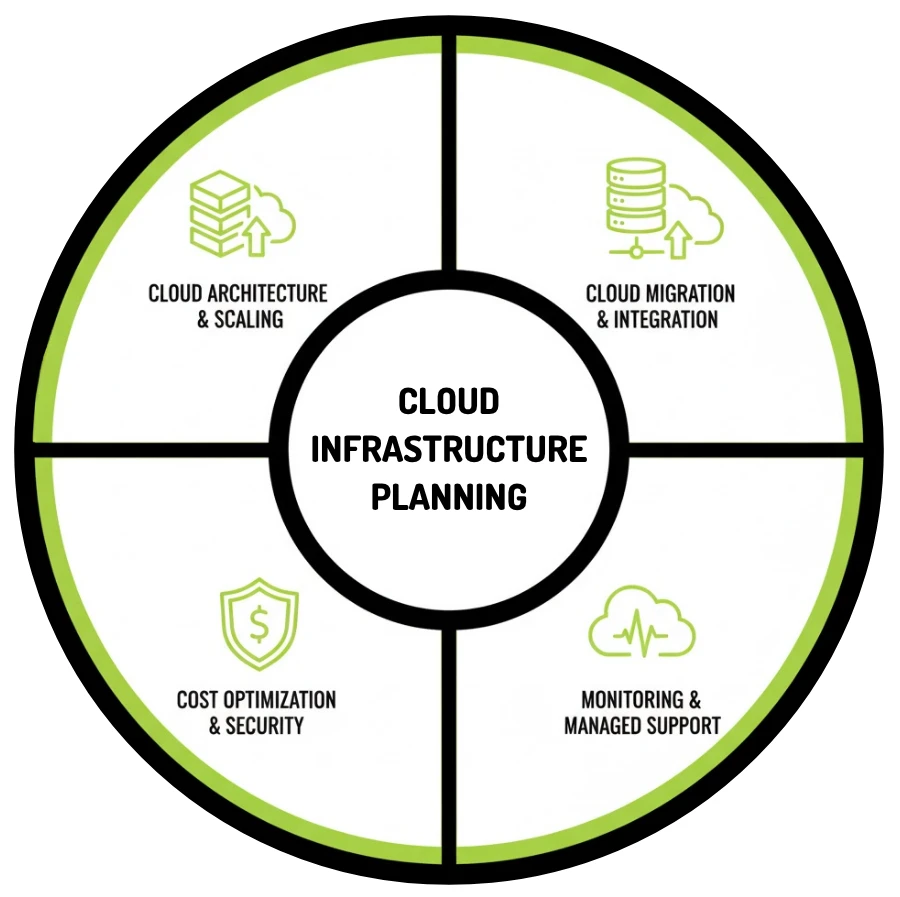
Security architecture is equally paramount, as these systems process sensitive personal and financial data continuously throughout the day. A robust system must strictly adhere to the Payment Card Industry Data Security Standard to protect consumer credit card information from malicious interception. Furthermore, compliance with the revised Payment Services Directive requires the implementation of two factor authentication protocols for enhanced transactional safety.
Property Management System Integration
A digital reservation system cannot operate in a vacuum. It must communicate flawlessly with the property’s internal operational software. Seamless integration with the Property Management System is an absolute necessity for preventing administrative errors and guest dissatisfaction. This deep connection establishes a bidirectional data synchronization protocol that updates room inventory, dynamic rates, and guest profiles in real time.
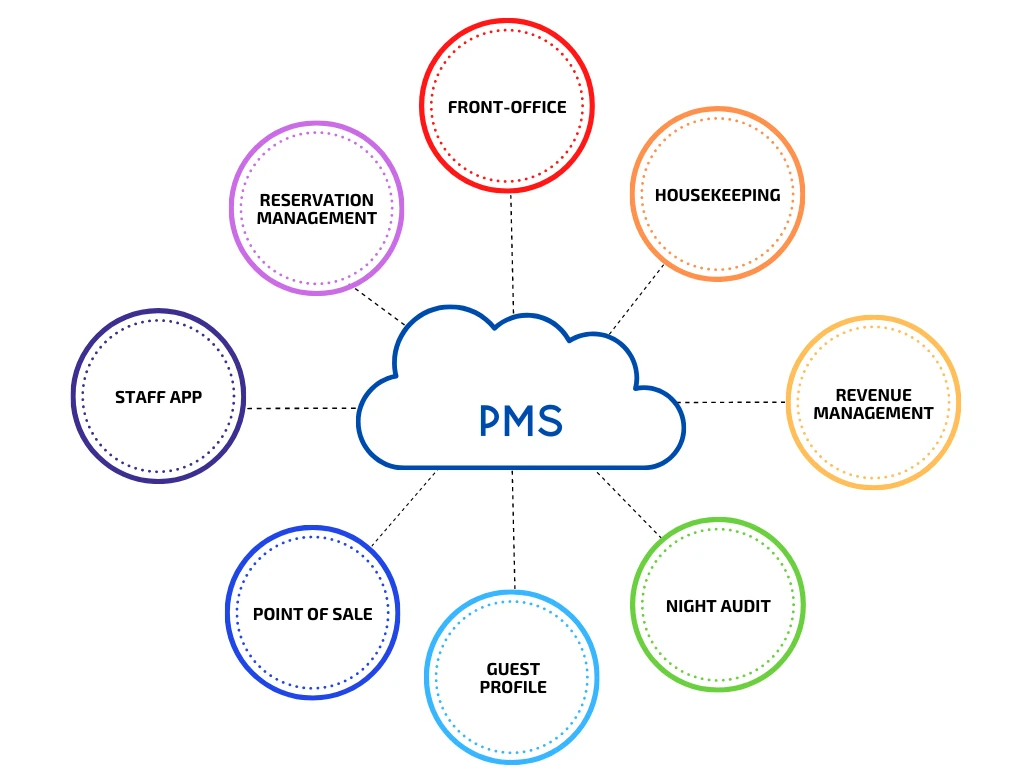
When a guest finalizes a transaction online, the system instantly blocks that specific room in the administrative dashboard without human intervention. The operational efficiency gained through this deep technological integration cannot be overstated for fast paced hospitality teams. Front desk staff can reclaim up to four hours of productivity every single day by eliminating the need to manually enter online reservation data.
Channel Manager Synchronization Capabilities
While driving proprietary traffic is the ultimate goal, managing external inventory distribution remains a daily operational reality. A sophisticated Hotel Booking Engine must interface directly with a dedicated channel manager to distribute live rates across the vast digital ecosystem. This tool acts as a powerful broadcasting hub, pushing your current inventory availability to hundreds of different online travel agencies simultaneously.

This unified software approach guarantees that rate parity is strictly maintained across the entire internet. If a sudden surge in demand occurs, the channel manager allows operators to increase prices globally with a single localized keystroke. Furthermore, when the final available room is secured on any platform, the channel manager removes that listing from all other connected marketplaces. This level of complex automation typically reduces the manual distribution workload for administrative staff by 85%.
Agentic Artificial Intelligence Reshaping Hospitality
The technology landscape is moving rapidly beyond simple chatbots toward autonomous digital workers capable of complex reasoning. Let us examine the ways this next generation of artificial intelligence operates and why it is revolutionizing the global accommodation sector.
Moving From Generative To Autonomous Agents
The previous era of artificial intelligence was largely defined by generative models that could draft emails or rewrite marketing copy on command. However, the industry is currently undergoing a paradigm shift toward agentic models. Unlike passive generative systems, agentic models possess true agency. They can independently reason, formulate plans, and execute complex workflows without human intervention.

By the year 2026, experts predict that agentic artificial intelligence will become the dominant operational backbone for forward thinking hospitality brands. These advanced agents will reshape the distribution funnel, gradually moving consumers away from traditional search engines toward personalized digital concierge services. Properties that fail to structure their internal data to be easily readable by these autonomous agents risk becoming invisible to modern travelers.
Revolutionizing Guest Communication At Scale
The standard expectation for customer service response times has shrunk from hours to literal seconds. Agentic booking assistants solve this crisis by providing instantaneous accurate responses to complex guest inquiries 24 hours a day. These intelligent multilingual agents natively connect to the Hotel Booking Engine, allowing them to quote real time dynamic rates and confirm actual inventory. This is a fully autonomous sales representative capable of closing high value transactions independently.
The financial impact of deploying an elite artificial intelligence assistant is profound. By interacting with potential guests across various platforms like WhatsApp and Instagram, the agent captures qualified leads that would otherwise be lost. When a complex issue arises that exceeds the artificial intelligence’s capabilities, it seamlessly escalates the interaction to a human staff member with full context.
Background Automation And Operational Efficiency
While the consumer facing benefits of artificial intelligence are visible, the most dramatic financial transformations occur deep within the back office architecture. Agentic algorithms are quietly revolutionizing daily operations by autonomously coordinating housekeeping schedules, managing maintenance requests, and meticulously monitoring the system. This unprecedented level of background automation drastically reduces the industry’s reliance on manual labor.
Furthermore, these systems constantly analyze massive datasets to identify subtle operational inefficiencies that quietly erode a property’s profit margins. An autonomous agent can detect a sudden micro surge in regional travel demand and instantly recommend complex pricing adjustments across the distribution network. This continuous machine speed optimization ensures that the property is always positioned to capture maximum yield without requiring constant human oversight.
Strategic Revenue Management And Dynamic Pricing
Setting static rates is an antiquated practice that severely limits a property’s financial ceiling and leaves vast amounts of money uncollected. Delve into the subsequent methodologies for mathematically maximizing room yields and ensuring your inventory is priced perfectly against live market conditions.
Revenue Per Available Room Optimization Formulas
To accurately measure the true financial health of a property, operators must look beyond simple occupancy percentages and focus heavily on complex yield metrics. Revenue Per Available Room (RevPAR) is the gold standard key performance indicator, calculated by multiplying the average daily rate by the current occupancy percentage. This singular metric provides a holistic view of how efficiently a hotel is monetizing its fixed physical inventory at any given moment.
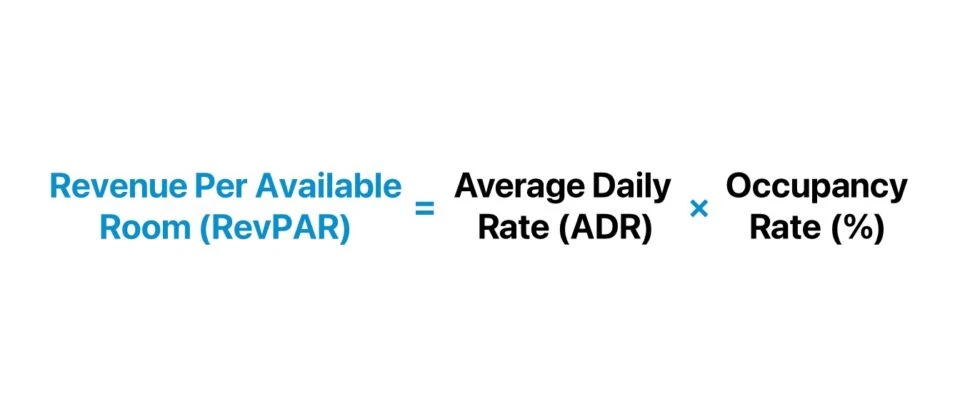
Optimizing this precise metric requires a delicate balancing act that relies heavily on accurate historical data and precise future demand forecasting. Revenue managers must constantly analyze booking paces, cancellation ratios, and competitor movements to adjust their strategies dynamically. Implementing a dedicated revenue management system eliminates the dangerous guesswork inherent in manual spreadsheet calculations.
Algorithmic Pricing Models And Market Conditions
Dynamic pricing is the scientific art of continuously adjusting the cost of a perishable commodity based strictly on real time supply and demand fluctuations. The concept is simple, but executing it perfectly requires a Hotel Booking Engine equipped with highly predictive mathematical algorithms. These systems constantly monitor the macro environment, tracking area wide events, sudden weather pattern changes, and localized airline flight capacity. When the algorithm detects an incoming surge in regional demand, it automatically raises room rates incrementally.
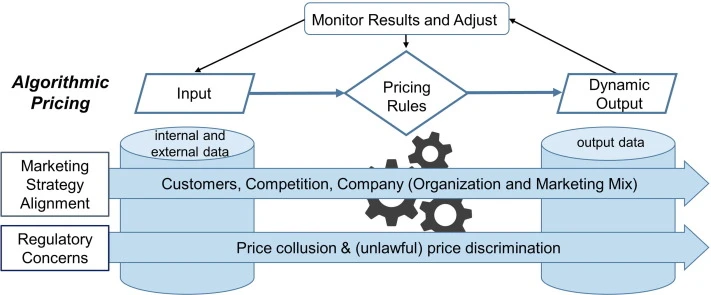
Conversely, during notorious off peak seasons, the system intelligently lowers prices just enough to stimulate demand without destroying the property’s brand equity. This automated agility allows a property to respond to unexpected market conditions literally within seconds. Modern travelers have been conditioned by airlines and ride sharing applications to expect and accept these algorithmic pricing fluctuations.
Segment Based Rate Parity Management
Not all guests are created equal, and treating them as a monolithic demographic is a fundamental error in advanced revenue management strategy. A sophisticated approach involves segmenting guests based on their specific booking behaviors and tailoring unique pricing models for each distinct group. For instance, a corporate executive traveling on an expense account is inflexible regarding dates but insensitive to premium price points. In stark contrast, a leisure traveler planning a family vacation is price sensitive but willing to shift their travel dates to secure a better deal.
Your reservation platform must be capable of recognizing these distinct segments and dynamically offering the right product at the exact right price. This involves utilizing length of stay restrictions to prevent short term bookings from cannibalizing profitable week long reservations during peak seasonal periods. Additionally, the system must carefully manage rate parity across public channels while utilizing private networks to offer special discounts to loyalty members.
Direct Booking Conversion Benchmarks And Analytics
Measuring performance against industry standards is the only way to accurately audit the health of your digital sales funnel. Analyze these essential metrics that dictate online success and the strategic interventions required to fix a leaking commercial pipeline.
Global Conversion Rate Averages Assessed
Understanding where your property stands relative to the global baseline is the first crucial step in diagnosing digital performance issues accurately. Across the entire hospitality industry, the average direct conversion rate typically hovers between 2.5% to a modest 3.5%. If your proprietary system is converting website traffic into confirmed reservations at a rate below 1%, you are suffering from fundamental flaws. This dismal performance usually indicates severe issues with pricing transparency, broken user interfaces, or a total lack of verifiable trust signals.
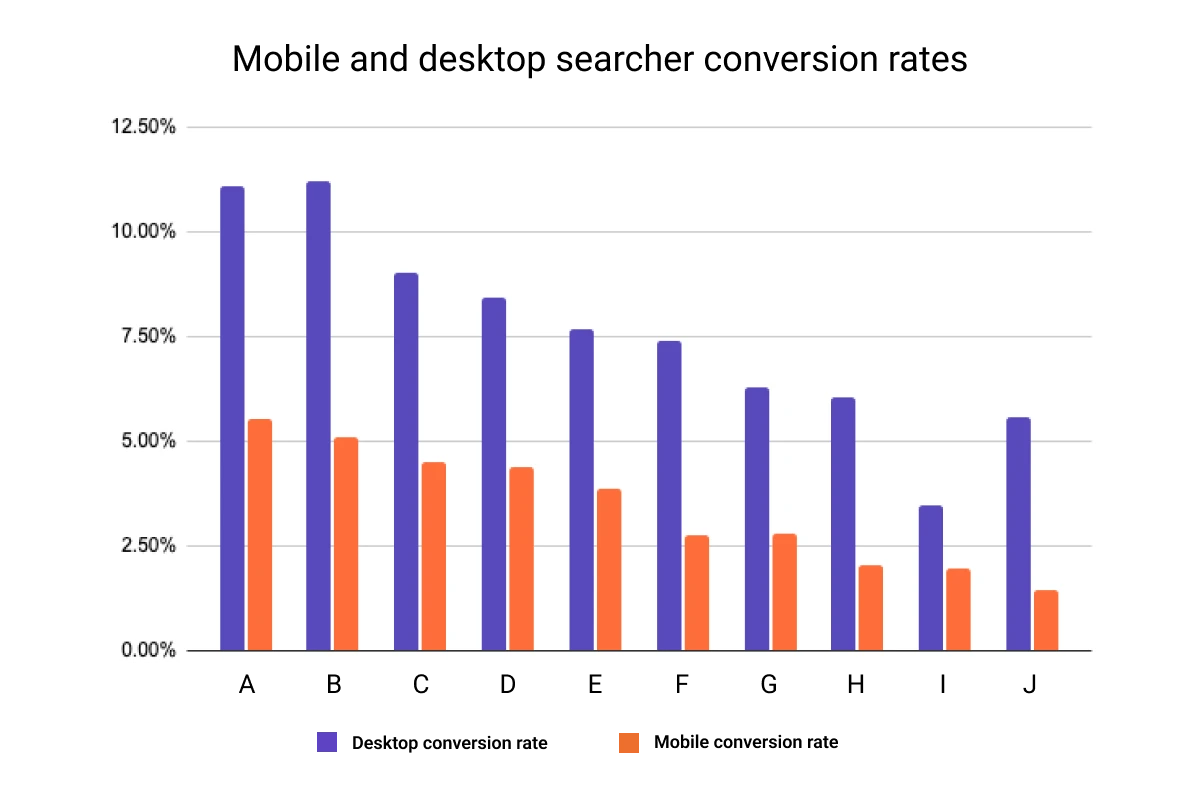
Conversely, a highly optimized digital storefront should consistently achieve a conversion rate of 4% or significantly higher. Achieving these upper echelon numbers requires relentless split testing of interface elements, continuous speed optimization, and the deployment of persuasive consumer copywriting. A mere 1% increase in your overall conversion rate can translate into hundreds of thousands of dollars in pure uncommissioned annual profit.
Identifying And Eliminating Funnel Friction
Finding the exact point where users exit your website is critical for improving your overall Hotel Booking Engine efficiency and maximizing revenue. Utilizing heatmaps and session recording tools allows digital marketers to visually observe how real consumers interact with complex checkout forms. If a significant portion of traffic abandons the process immediately after viewing the final tax breakdown, your initial pricing display is misleading.
Mobile performance remains the largest source of funnel friction for independent properties globally, leading to massive financial leakage daily. A common culprit is the deployment of oversized uncompressed images that cause the mobile browser to freeze during the crucial payment processing stage. Partnering with a specialized technical agency like ROI300 allows your property to undergo a rigorous technical audit, ensuring your digital infrastructure is completely frictionless.
Key Performance Indicators For Campaign Success
Relying solely on total revenue numbers provides an incomplete picture of your marketing efficiency and overall digital health. Savvy operators track micro conversions, such as the number of users who initiate a search query or click on a specific room detail page. Monitoring these granular metrics allows you to identify exactly which marketing campaigns are driving high intent traffic versus low quality window shoppers.
Cost per conversion is another vital metric, revealing exactly how much marketing spend is required to generate a single direct booking successfully. Additionally, tracking your cart abandonment recovery rate is essential for maximizing the return on your retargeting campaigns and digital advertising budgets. When a user abandons their reservation, automatically triggering a personalized email offering a subtle discount can recover up to 15% of lost bookings.
The Vietnam Hospitality Technology Landscape
Southeast Asia presents a unique and rapidly growing market with specific localized technological requirements that demand specialized regional strategies. Observe the powerful forces shaping this dynamic environment and the digital tools required to conquer it successfully.
Rapid Expansion And Foreign Direct Investment
Vietnam is currently experiencing an explosive renaissance in its domestic and international tourism sectors. By the year 2026, the Vietnamese hospitality market is officially projected to reach a valuation of $25.67 billion.

This growth trajectory is expected to continue at a blistering compound annual growth rate of 8.17%, pushing the market toward $38.01 billion by 2031. This rapid economic expansion is heavily fueled by relaxed visa regulations, including 90 day electronic visas that are attracting high spend digital nomads.
As the sheer volume of international arrivals continues to shatter historical records, the local infrastructure is being forced to modernize at an unprecedented pace. The market is witnessing a surge in smart hotel retrofits, supported directly by government grants focused on establishing sustainable green city tourism ecosystems. Independent properties, which currently hold nearly 70% of the market share, are under immense pressure to adopt sophisticated software to compete with rapidly expanding international chains.
Table 1.2. Vietnam Hospitality Market Projections
| Vietnam Market Metric | 2025 Valuation | 2031 Projection | Growth Rate |
| Total Hospitality Market | $23.73 Billion | $38.01 Billion | 8.17% |
| Independent Hotel Share | 69.88% | N/A | N/A |
| OTA Booking Share | 58.85% | N/A | N/A |
| Direct Booking Growth | N/A | N/A | 14.36% |
The National Visit Vietnam Data Platform
The Vietnamese government is not merely a passive observer in this digital revolution. It is actively building a centralized technological infrastructure. Scheduled for a public launch in the second quarter of 2026, the Visit Vietnam platform represents a monumental leap in national tourism management. The platform integrates advanced artificial intelligence to offer personalized itineraries, real time crowd monitoring, and verified blockchain backed reviews for international travelers.
For independent accommodation providers operating within Vietnam, this national platform represents a lucrative brand new distribution channel. Properties that integrate their internal Hotel Booking Engine seamlessly with the Visit Vietnam data map will gain unparalleled visibility among millions of incoming tourists. Furthermore, this integration provides local operators with access to real time analytics regarding regional spending behaviors and macro search trends.
Integrating Localized Payment Gateways Securely
A critical component of dominating the Southeast Asian digital market involves adapting to the region’s specific financial transaction preferences. Vietnam is rapidly transitioning toward a cashless society, with the number of active digital wallet users projected to hit 50 million by the end of 2024. A reservation engine deployed in this specific region must natively support the exact digital payment applications that local consumers trust and utilize daily. Integrating dominant local platforms such as MoMo, ZaloPay, and VNPay is mandatory for capturing the exploding domestic travel segment.
Failing to offer these localized payment gateways introduces massive friction into the checkout process, virtually guaranteeing sky high cart abandonment rates among domestic tourists. Fortunately, massive global financial institutions like Visa are actively partnering with these regional digital wallets to facilitate seamless cross border payment experiences. By prioritizing localized financial inclusion, properties can significantly widen their total addressable market within the lucrative Vietnamese borders.
Choosing The Right Software For Your Property
The market is heavily saturated with technology vendors claiming to offer the ultimate reservation solution for modern accommodation providers. Note the following vital evaluation criteria before making a procurement decision that will dictate your operational capabilities for the next decade.
Vendor Evaluation Criteria And Market Leaders
Selecting the perfect software partner requires a methodical analysis of your property’s specific technical requirements, target demographic, and long term expansion goals. Industry leading platforms consistently dominate the market by offering robust all in one technological ecosystems. When auditing potential vendors, scrutinize their core feature sets against your unique business model.
Key evaluation metrics to consider include:
- Global distribution reach and direct channel manager stability.
- Mobile responsive user interfaces for modern guest checkout.
- Built in upsell modules for capturing ancillary revenue natively.
- Robust compliance with global data security frameworks.
A massive resort requires complex upselling modules and integrated spa scheduling, whereas a boutique city hotel might prioritize seamless mobile check in capabilities. Carefully mapping your operational necessities to the vendor’s capabilities prevents the costly mistake of purchasing bloated, unnecessary software suites.
Assessing Scalability And Support Ecosystems
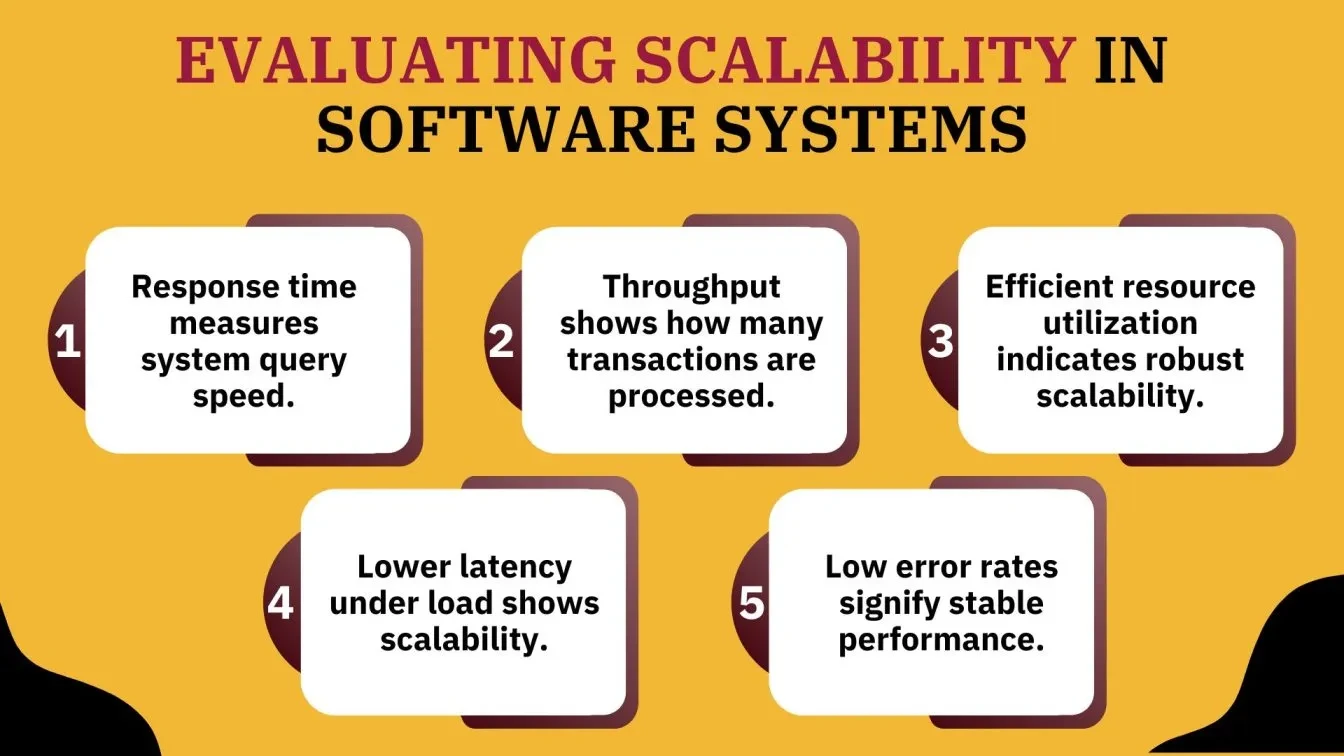
Software procurement is not a one time event. It is the beginning of a long term strategic partnership that requires continuous mutual investment. The ideal Hotel Booking Engine must offer a resilient cloud based infrastructure capable of scaling instantly without requiring expensive hardware upgrades. As your property portfolio expands or your transaction volume explodes during peak seasons, the underlying database architecture must handle the strain effortlessly.
Equally important is the quality and availability of the vendor’s human support network and localized training resources. Implementing a sophisticated new reservation system requires a cultural shift for your existing administrative and operational staff. The vendor must provide comprehensive onboarding programs, extensive documentation, and responsive 24 hour technical support to mitigate downtime. A technology stack is only as powerful as the humans operating it, making elite technical support a non-negotiable procurement requirement.
The Importance Of Open Application Programming Interfaces
An isolated technological system that cannot communicate with other modern software applications is a severe liability in the modern hospitality ecosystem. Your chosen reservation platform must feature an open Application Programming Interface (API) architecture that allows for seamless data exchange with third party tools. This flexibility enables you to connect specialized revenue management systems, customer relationship management databases, and advanced digital marketing tracking pixels effortlessly.
Furthermore, an open architecture ensures that your property remains agile and capable of adopting future technological innovations rapidly. If a revolutionary new artificial intelligence chatbot enters the market in 2026, an open system allows you to integrate it immediately without requiring a complete platform overhaul. Evaluating the vendor’s existing integration marketplace provides deep insight into their commitment to interoperability and long term technological relevance.
Maximizing Profitability Through Digital Marketing
Even the most advanced reservation architecture will fail to generate significant revenue without a consistent stream of highly qualified, intent driven traffic. Discover the foundational marketing pillars required to drive interested consumers away from generic third party agencies and directly into your digital storefront.
Search Engine Optimization For Accommodation Providers
The vast majority of modern travel journeys begin with a simple intent driven query typed directly into a major search engine. In fact, current industry data confirms that 75% of all travelers begin their accommodation research utilizing these discovery platforms. If your proprietary website does not appear on the first page of results for relevant local keywords, you are effectively invisible to the market. A rigorous search engine optimization strategy involves optimizing your domain architecture, publishing relevant local content, and securing authoritative digital backlinks.
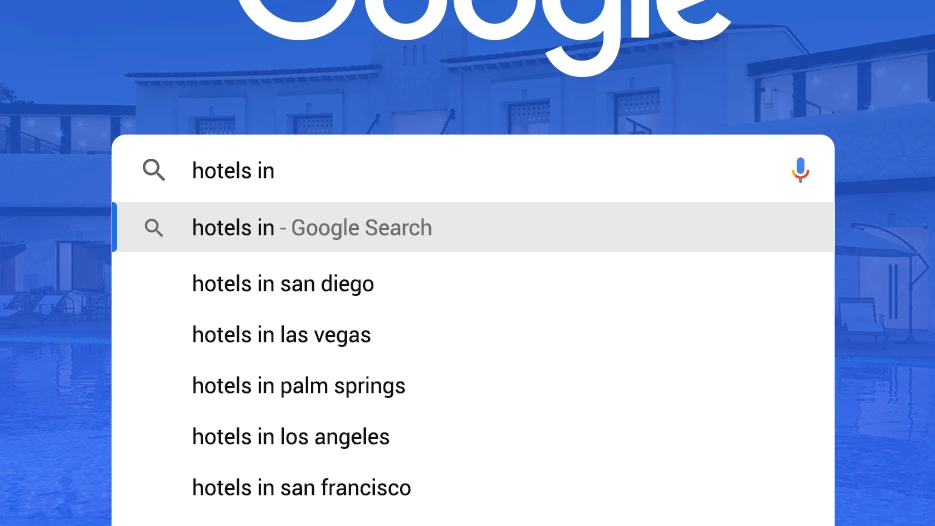
Furthermore, optimizing your Google Business Profile is mandatory for capturing high intent location based searches from travelers already in your vicinity. This requires meticulous management of your exact map coordinates, verified guest reviews, and high resolution architectural photography. Developing this level of organic visibility often requires specialized expertise, which is exactly where the strategic services provided by ROI300 become an invaluable asset for your brand.
Metasearch And Pay Per Click Advertising Integration
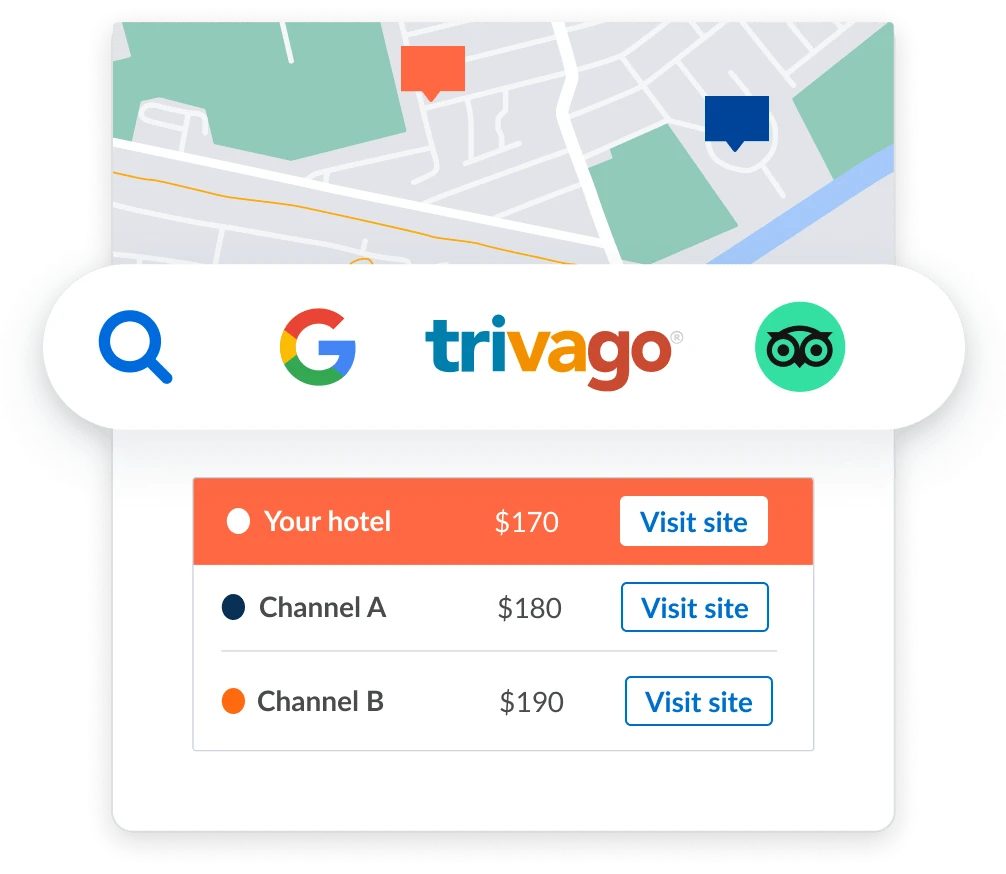
While organic visibility is the long term goal, paid digital advertising provides the immediate tactical strike capability required to hijack traffic from third party agencies. Metasearch engines, such as Google Hotel Ads, allow your official direct rate to appear directly alongside the rates offered by online travel agencies. This specific digital real estate is valuable because it intercepts the consumer at the exact moment they are comparing prices across the internet.
Additionally, targeted pay per click campaigns deployed across social media networks can generate incredible returns on investment when executed correctly. By utilizing advanced demographic targeting, you can display irresistible visual advertisements to consumers who previously abandoned your checkout process, luring them back with special incentives. Integrating these aggressive marketing tactics with a flawless conversion interface is the formula for unprecedented financial success.
Transforming TikTok And Social Media Traffic
Social media platforms have rapidly evolved from simple brand awareness channels into highly lucrative direct revenue generators for hospitality brands. Modern travelers frequently utilize visual platforms like TikTok and Instagram as primary search engines to discover unique travel experiences. However, generating viral visibility is useless if your digital infrastructure cannot capture and convert that influx of sudden traffic. Currently, 60% of hotels receive direct messages on TikTok, but approximately 33% lose those leads entirely due to a lack of technical integration.

To capitalize on this powerful trend, your Hotel Booking Engine must integrate flawlessly with your social media profiles and direct messaging inboxes. Utilizing an omnichannel service platform allows your artificial intelligence assistant to instantly respond to viral inquiries and seamlessly guide users toward a direct reservation link. Removing the friction between discovering a beautiful property on social media and finalizing the transaction is essential for capturing younger demographics.
Emerging Trends In Experiential Travel Accommodations
The fundamental desires driving global travel are shifting dramatically toward deeper more meaningful personal experiences that transcend simple lodging. Note the following emerging demographic trends and how your digital infrastructure must adapt to capture them.
The Rise Of Bleisure And Extended Stays
The rigid boundary between professional obligations and personal leisure has dissolved, giving rise to the lucrative bleisure travel demographic. Business travelers are increasingly extending their corporate trips over the weekend to enjoy local cultural experiences, altering historical booking patterns. These specific travelers exhibit a much higher average daily spend, averaging $180 per night compared to the $145 typically spent by pure leisure guests.

Your Hotel Booking Engine must effortlessly accommodate complex multi rate reservations where the corporate rate applies to weekdays and a leisure package applies to the weekend. Highlighting high speed internet reliability, dedicated ergonomic workspaces, and express laundry services is critical for converting these remote professionals. The surge in 90 day electronic visas in markets like Vietnam is further fueling the demand for premium serviced apartments and co living spaces.
Sustainable Travel And Eco Friendly Certifications
Environmental sustainability has transitioned from a niche marketing buzzword into a strict non negotiable requirement for the modern global traveler. Current market data reveals that ecologically certified properties enjoy a 23% higher digital conversion rate compared to their non certified local competitors. Furthermore, ethically conscious travelers are mathematically willing to pay a 12% premium for accommodations that demonstrably prioritize environmental conservation.
Integrating your green initiatives directly into the reservation flow is essential for capturing this motivated premium demographic. Displaying verified sustainability badges, detailing your zero single use plastic policies, and highlighting community based tourism partnerships builds immense brand equity. Advanced platforms even allow guests to voluntarily offset their carbon footprint by adding a small automated donation to their final checkout total.
Catering To The Wellness And Health Demographics
The global wellness tourism sector is experiencing an unprecedented boom as travelers increasingly seek immersive experiences focused on physical and mental rejuvenation. Luxury resorts located in regions like the Central Coast of Vietnam are actively capitalizing on this trend by offering comprehensive wellness retreats and holistic spa integrations. To successfully merchandise these complex packages, your digital storefront must be capable of seamlessly bundling room rates with highly specific ancillary services.

Your digital interface should prominently feature immersive video tours of your wellness facilities, allowing potential guests to visualize their relaxation journey. Detailed descriptions of plant based culinary options, on site yoga instruction, and customized detox programs must be easily accessible during the initial search phase. By positioning your property as a comprehensive sanctuary rather than a mere place to sleep, you completely insulate your brand from aggressive price based market competition.
Conclusion
The digital hospitality landscape of 2026 demands a complete reimagining of how properties attract, engage, and ultimately convert modern travelers. Relying on expensive third party distributors is a flawed strategy that severely caps a property’s true financial potential and stunts organic growth. By implementing a state of the art Hotel Booking Engine backed by dynamic pricing, mobile first UX, and agentic AI, accommodation providers can instantly reclaim their profit margins and establish highly lucrative direct relationships with their guests.
Ready to stop paying OTA commissions and take control of your bookings?
Acquiring advanced technology is only half the battle. Executing a flawless, data driven marketing strategy is what truly separates the industry leaders from the laggards. Mastering this complex digital ecosystem requires specialized expertise that is incredibly difficult to build in house.
Partner with the strategic hospitality experts at ROI300 today. Let their elite team of digital architects build the ultimate conversion machine for your property, ensuring your brand dominates the search engines and thrives in the competitive years ahead.