

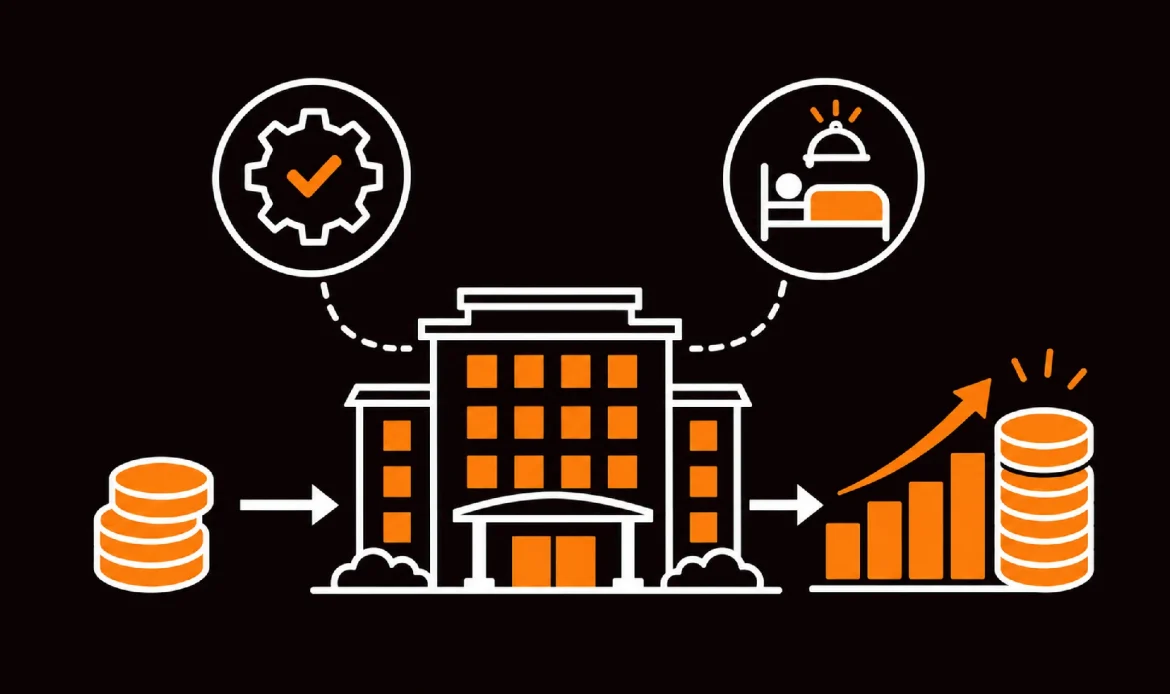
In today’s bustling hospitality industry, every dollar you put into your hotel investment needs to bring back measurable returns. Whether you are running a cozy boutique inn or managing a massive portfolio of commercial properties, understanding and optimizing your Hotel ROI is the ultimate key to keeping your business thriving and profitable. With market conditions constantly shifting and guest expectations on the rise, hotel owners must rely on smart, data-driven strategies to ensure their capital investments pay off. This blog will provide a comprehensive guide to maximizing Hotel ROI, detailing the exact formulas, industry benchmarks, and technological strategies required to secure long-term financial success.
What Is Hotel ROI And Why Does It Matter?
Hotel ROI (Return on Investment) is a foundational financial metric utilized to measure how profitable your hotel investment truly is. It compares the net profit generated by the property directly to the initial capital costs required to fund the project. This calculation gives owners and stakeholders a straightforward, mathematical way to see if their money is working efficiently. Think of it as the ultimate financial report card for your business, showing whether your investments in massive renovations, new technology, marketing efforts, or operational improvements are genuinely paying off.
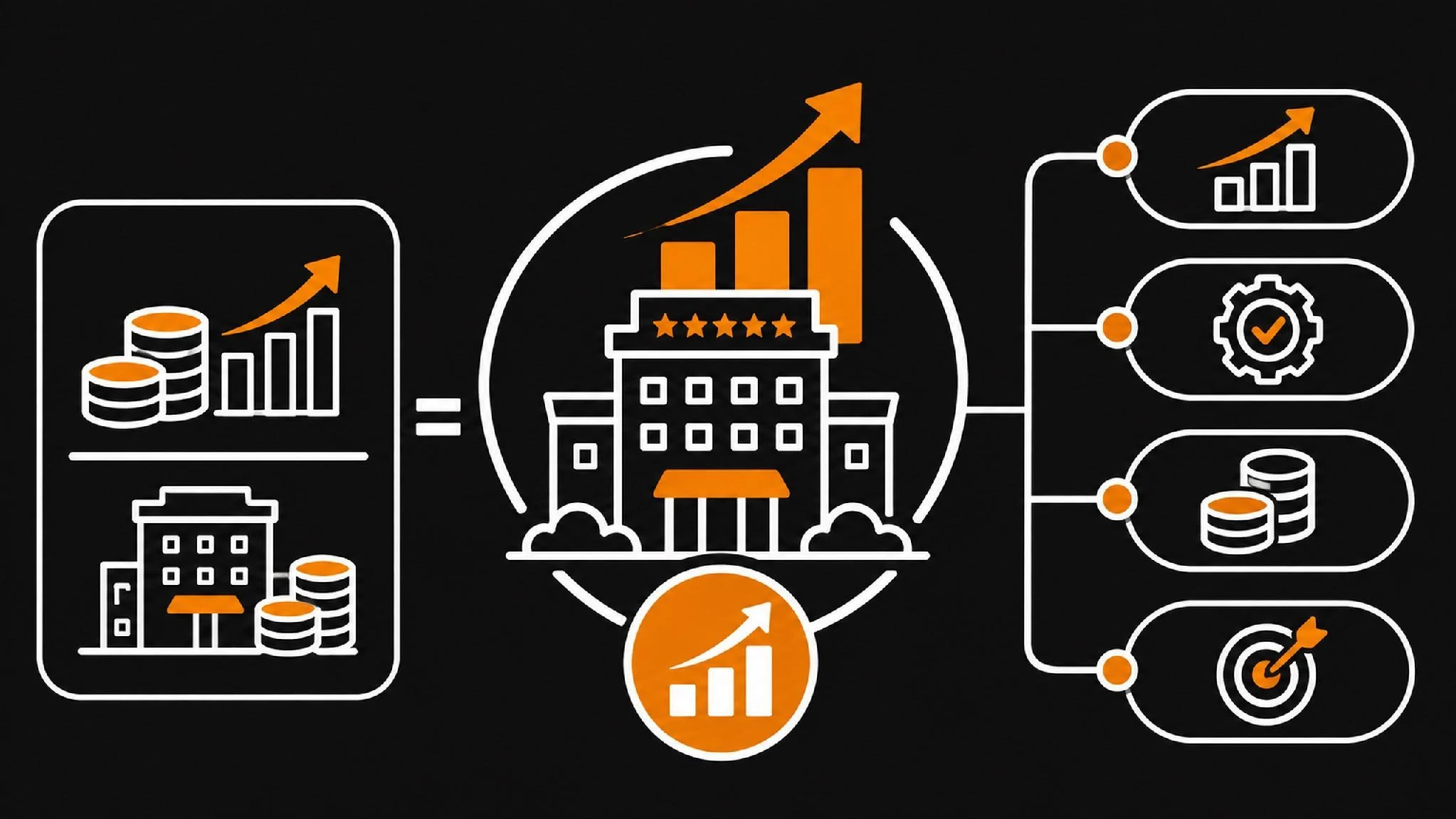
While the calculation itself may seem simple, Hotel ROI embodies much more than just basic profit margins. It serves as a direct reflection of your hotel’s overall financial health, operational efficiency, and market positioning. For commercial real estate investors and hotel owners alike, Hotel ROI is the go-to metric to determine if their capital is being deployed effectively or if it is time to drastically alter their operational strategies to boost revenue.
Tracking ROI in hotels is not just an exercise in crunching numbers; it allows asset managers to make significantly smarter decisions regarding future investments. It enables leadership teams to compare which marketing strategies are yielding the highest returns and physically prove the real commercial value of their efforts to corporate stakeholders. Whether you are debating adding a luxury swimming pool, investing in a new cloud-based Property Management System (PMS), or expanding your on-site restaurant, calculating the projected ROI provides the objective data required for sound financial planning.
How To Calculate Hotel ROI: Formulas And Examples
Calculating Hotel ROI requires a straightforward mathematical formula: (Net Profit ÷ Total Investment) × 100 = ROI Percentage. However, achieving true accuracy requires meticulously factoring in every single revenue stream and operational expense tied directly to your hotel business.
Defining The Variables
Start by definitively determining your Net Profit. Net Profit equals your Total Revenue minus your Total Expenses and your Initial Investment Costs.
- Total Revenue includes everything from daily room sales, food and beverage income, premium amenities, event space rentals, and any other capital your hotel generates.
- Total Expenses cover daily operating costs, scheduled maintenance, digital marketing budgets, staff salaries, property taxes, and all other fixed costs involved in running the property.
A Practical Investment Example
Imagine you decide to invest $50,000 into comprehensive room renovations and a fresh digital marketing push. By the end of year one, you calculate that this specific work generated $75,000 in incremental, new revenue.
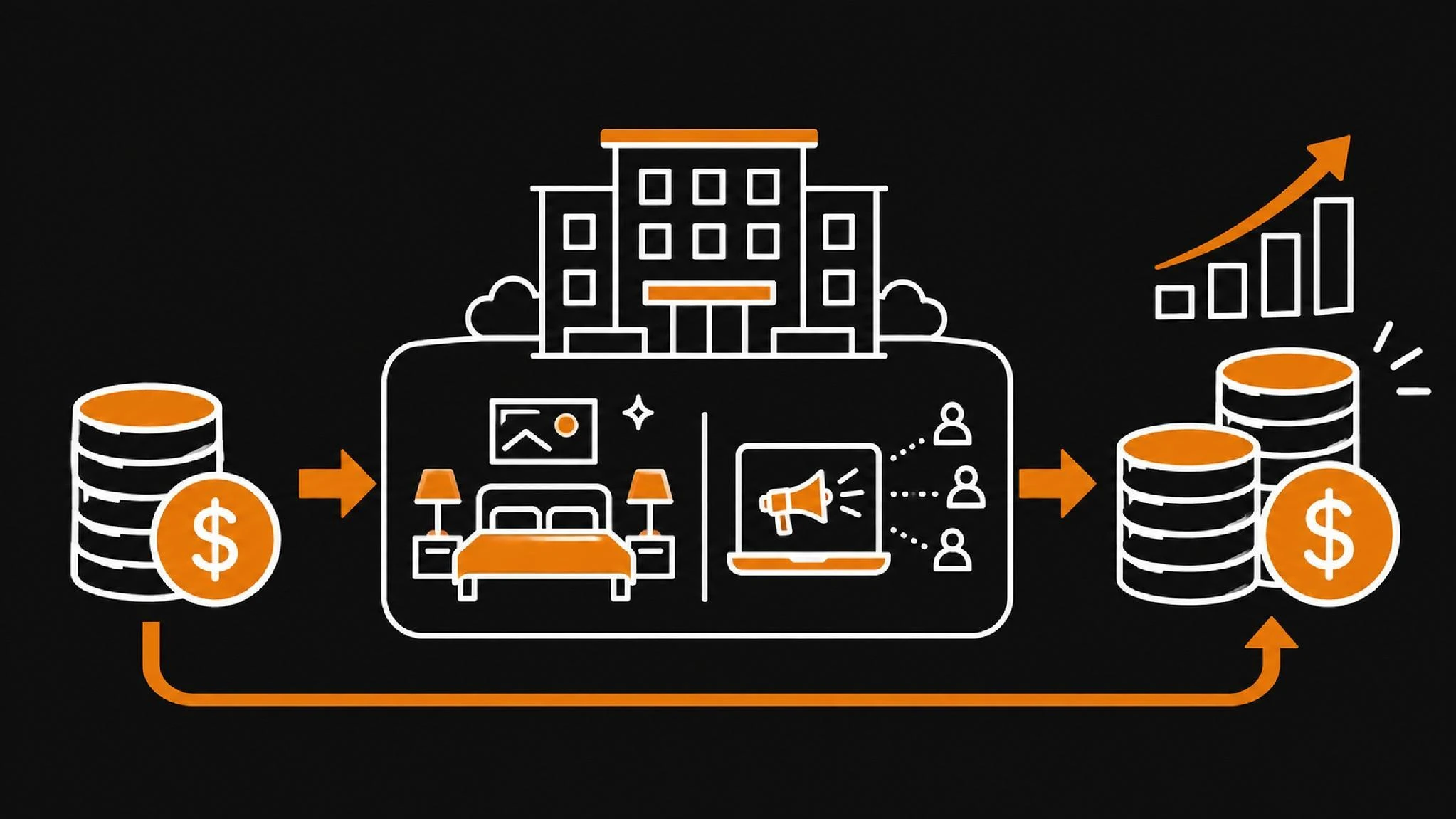
You must then subtract the $15,000 in associated operational costs incurred to generate that revenue (e.g., temporary maintenance bumps, extra labor hours during the renovation, and the actual digital ad spend). The resulting Net Profit is $10,000.
The ROI calculation is: ($10,000 ÷ $50,000) × 100 = 20% ROI. This represents a highly successful and profitable first year for that specific capital expenditure.
The Importance Of Annualized ROI
For multi-year investments, sophisticated hoteliers run an Annualized ROI calculation. A massive capital project—such as overhauling your entire software stack or executing a lobby refresh—might look merely acceptable on paper during year one, but the real financial curve often only shows up across a three to five-year horizon.

Always tag your ROI tracking by the specific initiative. Your property management software, your new loyalty program, and your channel manager all represent entirely different financial bets. The investment that generates the loudest pitch deck is rarely the one that delivers the highest long-term return.
Furthermore, you must factor in the time value of money. Earning a 15% ROI in just six months is exponentially more impressive than earning that exact same return stretched painfully over two years. This perspective helps prioritize hotel investments and ensures your capital is allocated where it can deliver the fastest and most profound commercial impact.
Industry Benchmarks: What Constitutes A Good Hotel ROI?
Knowing the industry benchmarks for Hotel ROI helps owners gauge their financial performance against current market standards and uncover where there is significant room to improve. These benchmarks vary wildly based on property type, geographic location, and specific market segments.
Luxury Hotels And Prime Locations

Luxury hotels located in prime, highly desirable destinations often see an annual ROI ranging from 8% to 15%. This higher yield is driven by their ability to charge massive premium rates, offer top-notch exclusive amenities, and attract highly affluent market demand. These luxury properties usually require significantly higher initial investment and construction costs, but they make up for it with massive revenue potential and operational pricing power.
Mid-Scale And Select-Service Properties
Mid-scale hotels typically enjoy an annual ROI of 6% to 10% in established, stabilized markets. These properties strike a highly efficient balance between moderate investment costs and consistent revenue generation. They cater heavily to corporate business travelers and budget-conscious leisure guests looking for good value.
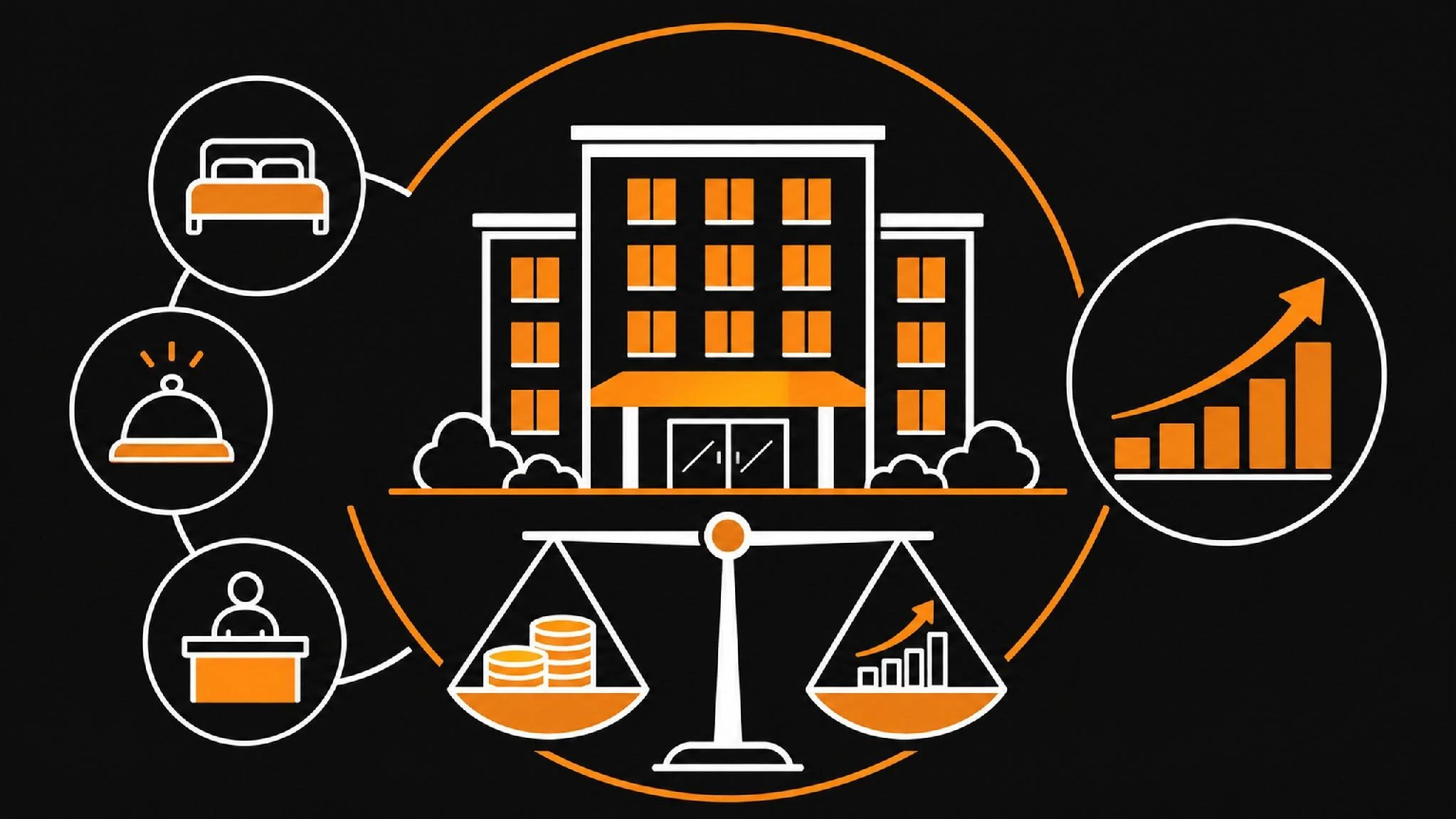
Because they lack the massive ancillary revenue streams of a luxury resort (like sprawling spas or multiple fine-dining venues), mid-scale properties rely heavily on smart revenue management and aggressive direct booking strategies to maximize their profitability.
Economy And Budget Tiers

Budget hotels generally run a slightly lower ROI in the 4% to 8% range. This segment represents lower initial investment, lower operating margins, and generally lower overall risk. Real estate investors who want highly steady, predictable returns without needing the massive upside of a luxury resort often pick this specific tier. The entire financial model is carried entirely by strict operational discipline, low labor costs, and maintaining exceptionally high daily occupancy.
The Impact Of Asset Maturation
It is critical to keep in mind that newly constructed or recently rebranded hotels often take 24 to 36 months to hit their operational stride and reach optimal ROI levels. This vital ramp-up period must be explicitly factored into your initial hotel investment planning and long-term financial projections to prevent catastrophic cash flow shortages during the first year of operation.
Key Factors Influencing Hotel ROI Performance
Many deeply interconnected factors heavily impact Hotel ROI performance, ranging from external macroeconomic forces to internal operational choices. Understanding these specific variables can help owners spot opportunities to optimize their assets.
Location And Market Dynamics
Location is the absolute king when determining Hotel ROI potential. Properties situated in prime urban areas command significantly higher average daily rates and naturally enjoy much better baseline occupancy. Hotels located immediately adjacent to international airports, major convention centers, or dense business districts benefit from highly predictable, steady demand.

Conversely, tourist destinations with year-round climate appeal offer more consistent ROI compared to highly seasonal markets (like remote ski resorts), though they might require significantly larger initial real estate investments.
Competitive pressure also heavily shapes a property’s pricing power, which directly impacts the return. A property operating in a thin competitive set can easily hold its premium rates. A property operating in a heavily saturated, hyper-competitive market has to compete aggressively on operations, service quality, or severe price discounting. Knowing exactly where you sit on the local rate ladder is core to accurate ROI forecasting.
Operational Excellence And Labor Efficiency
Well-trained staff directly impact both the guest experience and your daily operating costs, making human resources a critical factor in your ROI equation. Highly skilled employees can effortlessly upsell premium services, handle guest issues quickly, and create highly positive experiences that lead to lucrative repeat business.

Energy efficiency is another massive lever that moves the bottom line instantly. Implementing LED lighting retrofits, installing smart thermostats, and utilizing occupancy-based HVAC controls routinely cut hotel utility bills by 15% to 25%. Eco-conscious guests appreciate the effort, and your daily operations cost significantly less. Furthermore, strict preventive maintenance acts as an insurance policy for your profit margin; the cost of planned, routine maintenance is always mathematically lower than a catastrophic, post-failure repair.
Proven Strategies To Maximize Hotel ROI
Smart hotel owners attack their ROI goals from three distinct angles: maximizing revenue, cutting costs, and elevating the guest experience. A hospitality portfolio that ignores any one of these three pillars will inevitably underperform its competitive set.
1. Advanced Revenue Optimization Tactics
Comprehensive revenue management is arguably the absolute best way to quickly boost Hotel ROI. Modern software platforms allow revenue managers to adjust public room prices in absolute real-time based on shifting demand, competitor movements, and historical booking trends. Hotels actively using these dynamic pricing systems frequently see top-line revenue jumps of 5% to 15% compared to properties relying on outdated, static pricing models.
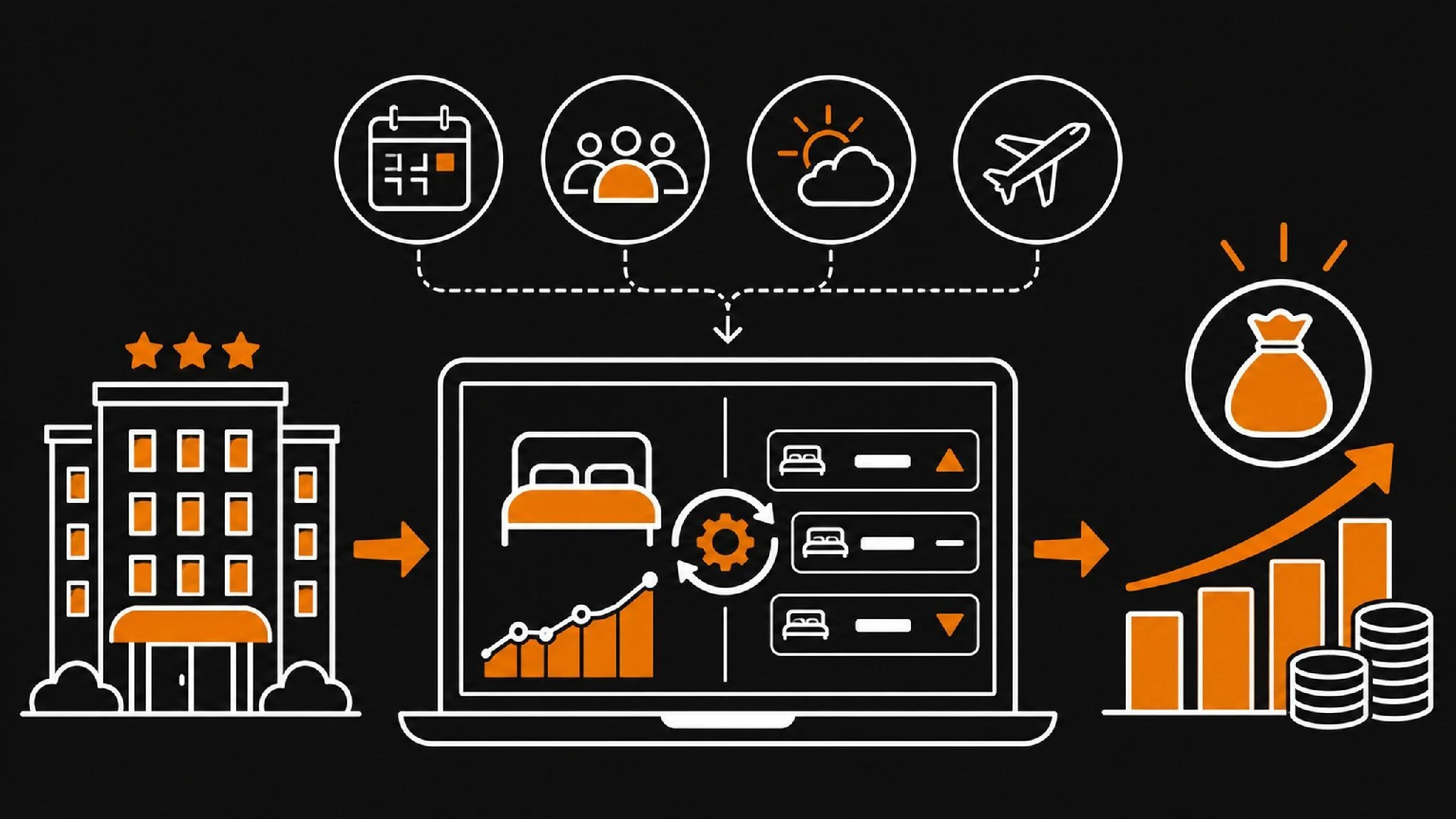
Balancing direct bookings with Online Travel Agencies (OTAs) is also absolutely vital. While OTAs offer immense global exposure, their exorbitant commission fees (often ranging from 15% to 30%) aggressively eat into your net profits. Focus heavily on driving direct bookings through your proprietary website, exclusive loyalty programs, and targeted local SEO marketing to drastically reduce your reliance on costly third-party services.
2. Strategic Cost Management
Negotiating better, long-term supplier contracts and pooling your purchasing power with other regional hotels can cut operational costs significantly without sacrificing service quality. Management must regularly review vendor agreements for savings on linens, cleaning supplies, and food procurement.
Use advanced demand forecasting and highly flexible scheduling to optimize your daily staffing levels. This keeps your guest service standards high while strictly controlling your most expensive line item: labor. Implementing cross-training programs ensures that your staff can cover different departmental shifts efficiently during unexpected occupancy spikes.
3. Enhancing The Physical Guest Experience
Invest strategically in high-quality bedding, premium bathroom amenities, and modern facility upgrades to instantly boost guest satisfaction and mathematically justify charging higher daily rates. Hotels boasting exceptional online reviews consistently maintain higher baseline occupancy and wield significantly more pricing power in their local markets.
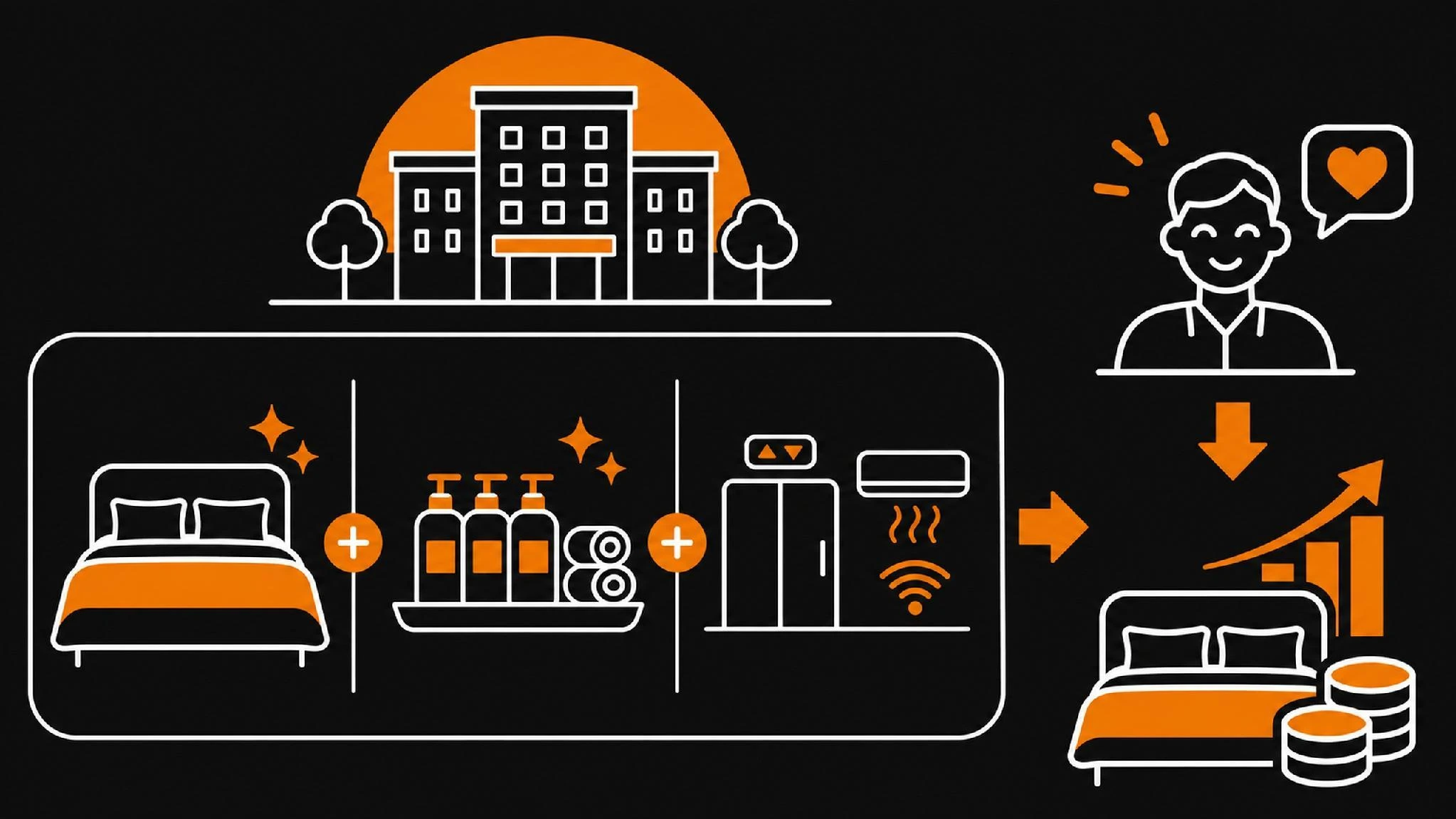
Upgrade your internal technology by offering ultra-high-speed Wi-Fi, frictionless mobile check-in, and streaming-capable in-room entertainment. Meeting these modern guest expectations improves operational efficiency while satisfying the highly lucrative millennial and Gen-Z traveler demographics. Monitor online reviews obsessively and act quickly on negative feedback to improve operations, which directly elevates your digital conversion rates.
Essential Hotel Performance Metrics Beyond ROI
While Hotel ROI is the ultimate indicator of long-term financial success, tracking other key metrics provides a much fuller picture of daily operational performance and hidden revenue opportunities.
Revenue Management KPIs
- RevPAR (Revenue Per Available Room): Measures how well the hotel is currently filling its physical rooms at profitable daily rates. It is the industry standard for tracking top-line efficiency.
- GOPPAR (Gross Operating Profit Per Available Room): Shows the hotel’s true operational profitability after all variable and fixed costs are deducted. This is the most accurate reflection of management efficiency.
- TRevPAR (Total Revenue Per Available Room): Includes all property income streams (F&B, spa, parking), helping management identify specific areas to boost valuable non-room revenue.
- ADR (Average Daily Rate): Reveals overarching pricing power and demand patterns. Consistently increasing ADR is the fastest method to improve profit margins.
Operational Performance Indicators
- Guest Satisfaction Scores (GSS): Reflects the overall quality of service and heavily predicts future direct booking volume.
- Labor Cost Per Occupied Room (CPOR): Helps management balance necessary staffing levels against the daily revenue being generated.
- Energy Cost Per Occupied Room: Tracks environmental efficiency and highlights opportunities for utility savings.
- Food and Beverage Profit Margins: Indicates whether the on-site restaurant is genuinely profitable or operating as a financial drain on the broader asset.
Common ROI Pitfalls And How To Avoid Them
Even highly experienced hotel investors and commercial real estate developers can stumble financially. Knowing the most common operational mistakes helps protect your hotel investment and ensures you achieve your expected returns.
Investment And Capital Expenditure Mistakes
Over-investing in massive, flashy amenities without establishing a clear path to revenue generation will instantly hurt your finances. Do not build an expansive luxury spa without aggressively researching local market demand first. Similarly, executing a multi-million dollar renovation without deeply understanding shifting guest preferences or current aesthetic trends often leads to incredibly costly missteps.

Choosing to implement new hospitality technology without conducting a strict ROI analysis or providing adequate staff training results in entirely wasted capital resources. An expensive, state-of-the-art Property Management System is functionally useless if your front desk team does not know how to operate it efficiently.
Operational And Revenue Management Errors
Maintaining inconsistent pricing across your various digital distribution channels confuses prospective guests and severely hurts your direct booking volume. If a guest finds a significantly cheaper rate on an obscure OTA, they will abandon your proprietary website immediately.

Furthermore, underfunded or severely misdirected digital marketing campaigns will systematically lower your overall occupancy. Neglecting your online reputation and ignoring your repeat business opportunities means you are completely missing out on the most highly profitable, commission-free revenue streams available to your property.
Technology Investments That Drive Hotel ROI
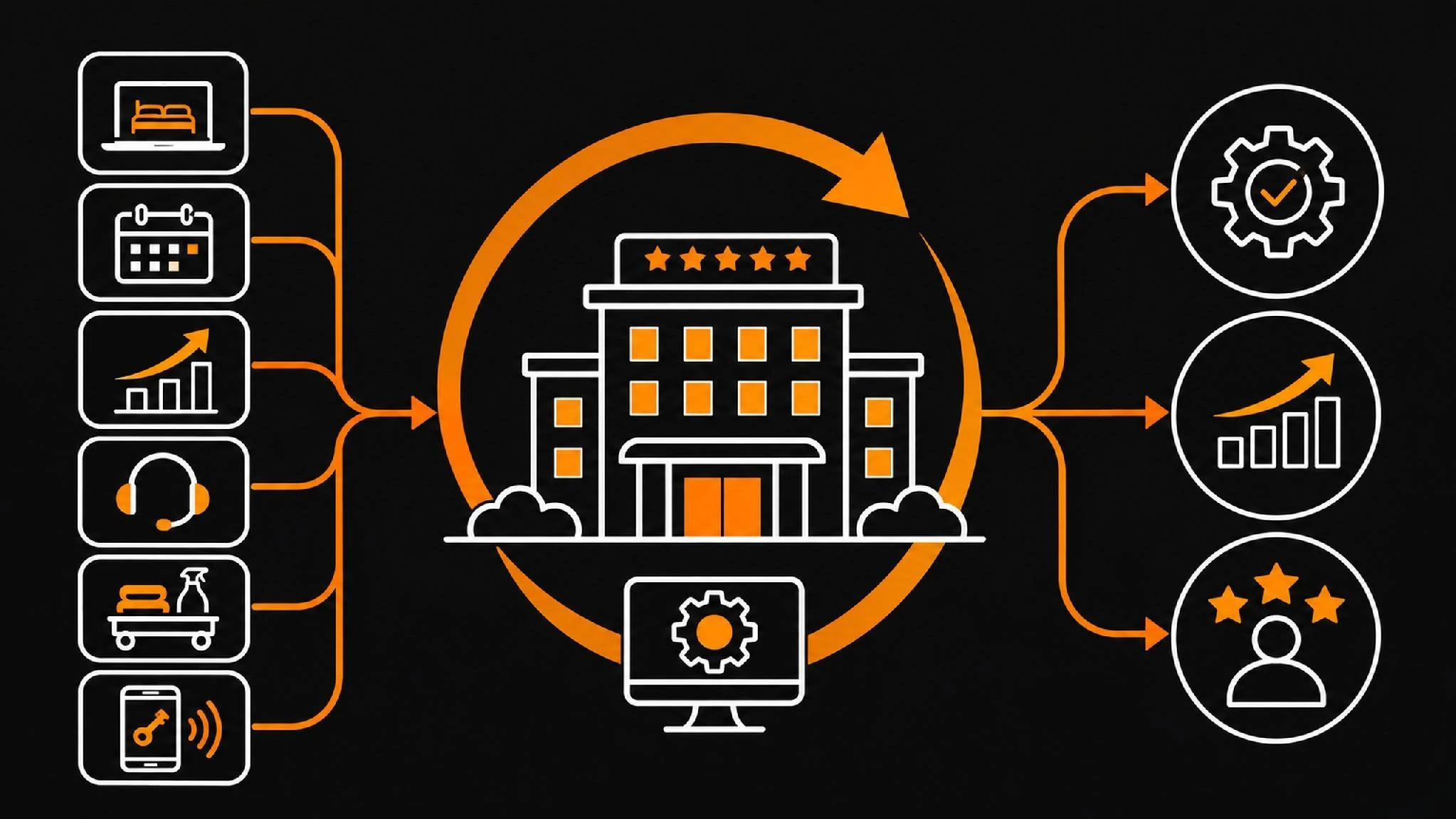
Smart technological investments rapidly improve operational efficiency, accelerate top-line revenue, and elevate guest satisfaction. The following software systems consistently deliver the highest returns on investment in the modern hospitality sector.
- Property Management Systems (PMS): Centralize operations, drastically reduce labor costs, and improve overall financial data accuracy.
- Revenue Management Software (RMS): Boosts total revenue by automatically optimizing dynamic pricing algorithms based on live market demand.
- Customer Relationship Management (CRM): Allows hotels to personalize email marketing and execute highly targeted pre-arrival upselling campaigns.
- Direct Booking Platforms: Completely cut out exorbitant OTA commission fees, allowing more gross revenue to flow directly to the bottom line.
- Guest Messaging Systems: Improve service recovery times and enable frictionless, automated upselling via SMS or WhatsApp.
Conclusion
Maximizing your Hotel ROI requires a comprehensive, highly disciplined approach that perfectly balances aggressive revenue generation, strict cost management, and continuous technological optimization. It is far more than simply calculating a percentage at the end of the fiscal year; it is about relentlessly optimizing every single facet of your hotel investment to drive bottom-line profitability. The properties that consistently achieve the highest ROI are those that leverage dynamic pricing, eliminate OTA commissions, and utilize automated technology to reduce their labor overhead.
Ready to maximize your return on investment and build a highly profitable digital ecosystem? Optimizing your Hotel ROI is not a one-time exercise; the market shifts continuously, and your digital strategy must adapt rapidly. Partner with the hospitality digital marketing professionals at ROI300 to build, automate, and scale your direct bookings. Contact ROI300 today to audit your current digital footprint, dominate search engines, and implement the proven strategies required to maximize your property’s profitability.