

The global accommodation sector has permanently shifted from selling basic room inventory to engineering unforgettable consumer experiences. In a highly saturated market, establishing a resonant identity is the ultimate mechanism for securing long term profitability. This comprehensive guide deconstructs the exact Hotel Branding methodologies required to transform casual visitors into fiercely loyal brand advocates.
Decoding The Core Essence Of Hotel Branding
Understanding the fundamental mechanics of market positioning is the absolute first step toward commercial dominance. Review the following foundational concepts that dictate how modern properties construct their public identities.
Defining Identity Beyond Visual Aesthetics
A common misconception in the hospitality industry is that an identity begins and ends with a logo or a specific color palette. In reality, effective Hotel Branding represents the total sum of a property’s reputation and its narrative position in the marketplace. It requires crafting a highly cohesive story that dictates the values, the personality, and the implicit promises made to every single guest. This narrative must be seamlessly integrated into every physical and digital touchpoint.

The most successful properties view their identity as a living ecosystem rather than a static design document. This involves standardizing the tone of voice used in email communications, the specific style of customer service, and the ambient atmosphere of the physical lobby. When a guest interacts with an establishment, they are subconsciously evaluating whether the experience matches the initial marketing promise. Any disconnect between the advertised luxury and the actual delivered service immediately fractures consumer trust.
Furthermore, a sophisticated identity must be completely adaptable across different international demographics while retaining its core essence. Properties must analyze whether their messaging, visual motifs, and service standards translate appropriately to diverse cultural expectations. True market leaders build a central philosophy that acts as a strict guiding framework for all operational decisions. This rigorous consistency is what ultimately elevates a building with beds into an irreplaceable travel destination.
The Financial Imperative Of A Strong Market Position
The primary function of establishing a distinct market identity is to drive measurable and sustainable financial growth. Properties with a strong presence naturally capture a disproportionate share of high value direct bookings. A clearly defined identity significantly lowers overall customer acquisition costs by reducing the need for aggressive discount driven advertising. Guests are fundamentally willing to pay a premium price for an experience that aligns perfectly with their personal values and aesthetic preferences.
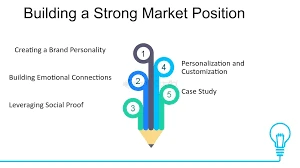
Additionally, a robust market position provides a critical buffer against sudden economic downturns or aggressive competitor pricing. When a property successfully executes a unique Hotel Branding strategy, it essentially removes itself from the commoditized pricing race. Travelers no longer compare the property strictly on the daily room rate, but rather on the exclusive emotional experience it provides. This psychological leverage allows operators to maintain rate integrity even when surrounding competitors are heavily discounting their inventory.
The financial upside extends directly to asset valuation and long term investment security. Commercial real estate investors actively seek out properties that demonstrate high brand equity and strong consumer recognition. A loyal customer base guarantees a predictable pipeline of future revenue, which dramatically lowers the perceived risk for potential buyers or lenders. Therefore, investing in brand development is not merely a marketing expense, but a structural improvement to the underlying real estate asset.
Analyzing The 2026 Economic Landscape And Revenue Metrics
Macroeconomic forces consistently reshape how properties compete for attention and capital on a global scale. Consider these detailed performance metrics that define the current financial reality of the accommodation sector.
RevPAR Trends And Inflationary Pressures
Recent industry data paints a highly complex picture of market recovery mixed with severe inflationary headwinds. According to detailed performance reports, nominal Revenue Per Available Room (RevPAR) for major brand families increased by 9.3% cumulatively since 2019. However, this surface level growth entirely masks a deeper economic reality driven by escalating operational costs. When adjusted for inflation, which grew at a compound annual growth rate of 4.2%, real RevPAR actually contracted by 10.9%.
This stark contradiction indicates that overall pricing power within the industry is being severely eroded. The recovery in consumer travel demand is being directly offset by the explosive growth in traditional hotel supply and alternative short term rentals. Major hotel companies have aggressively added new properties to their portfolios at a 7% compound annual growth rate over the last decade. Unfortunately, this rapid unit expansion has not mathematically translated into stronger revenue performance for individual operators.
Table 1.1. Market Recovery And Inflation Metrics
| Metric Category | 2019 to 2024 Performance Data | Strategic Implication |
| Nominal RevPAR Growth | +9.3% Cumulative Increase | Masks underlying economic stress. |
| Inflation CAGR | +4.2% Annual Growth | Erodes gross operating profit margins. |
| Real RevPAR (Adjusted) | -10.9% Cumulative Decline | Indicates severe loss of pricing power. |
| Brand Proliferation | +7.0% CAGR over 10 years | Oversaturation of the market landscape. |
Interestingly, the data reveals a negative correlation between rapid brand proliferation and individual revenue growth. The specific brand family that experienced the fastest growth in unit count recorded the absolute slowest median RevPAR growth at just 0.3%. This statistical anomaly proves that merely adding more locations does not equate to commercial success. Operators must focus heavily on qualitative differentiation rather than quantitative expansion to survive these inflationary pressures.
The Growing Divide Between Luxury And Economy Segments
The modern hospitality market is currently experiencing a massive bifurcation in financial performance across different chain scales. Between 2014 and 2019, approximately 52% of established brands managed to outperform the sample average for revenue growth. Since 2019, that figure has plummeted to a mere 28%, signaling a highly volatile and unforgiving competitive environment. The performance gap between the absolute best and worst performing brands is widening at an alarming rate.
The strongest brand families posted a positive 2.1% RevPAR compound annual growth rate over the last decade. Conversely, the weakest brand families saw a 0.2% contraction during the exact same extended period. This translates to a massive 26% cumulative performance spread between market leaders and industry laggards. This divergence is particularly pronounced in the luxury sector, where top performers outpaced bottom performers by nearly 7 percentage points recently.
At the other end of the spectrum, lower tier segments are facing severe operational crises. Economy chains recently witnessed a RevPAR decline of 1.9%, while midscale chains dropped by an alarming 3.2%. These struggling segments are heavily reliant on highly price sensitive travelers who have been disproportionately impacted by global inflation. To escape this downward trajectory, economy properties must completely rethink their Hotel Branding to offer specific value beyond just a cheap bed.
Capitalization Rates And Investment Resilience
Despite the operational challenges caused by inflation, the broader hotel investment market has demonstrated remarkable resilience. Transaction volumes for United States hotel investments climbed by 17.5% year over year, reaching a staggering 24 billion dollars in early 2026. This massive influx of capital is being driven by strong private equity activity and increasingly favorable debt markets. Investors are actively capitalizing on strategic opportunities in key urban centers and high growth regional markets.
Capitalization rates remain the crucial metric for these investors to evaluate potential acquisitions. A cap rate is calculated by dividing a hotel’s annual net operating income by its current market value or purchase price. For example, an establishment producing 5 million dollars in net operating income valued at 100 million dollars yields a standard 5% cap rate. Higher cap rates generally indicate a higher potential return, but they often come with elevated perceived operational risks.
Table 1.2. Estimated Performance By Chain Scale
| Hotel Chain Scale | Estimated Occupancy | Estimated ADR | Estimated RevPAR |
| Luxury Resorts | 70% to 75% | $300 to $600 | $210 to $450 |
| Upscale Full Service | 67% to 72% | $180 to $225 | $120 to $155 |
| Midscale Properties | 58% to 64% | $110 to $140 | $70 to $89 |
| Economy Properties | 52% to 58% | $80 to $110 | $44 to $63 |
To secure favorable financing and lower capitalization rates, properties must prove their ability to generate consistent premium revenue. This is where advanced digital positioning and aesthetic differentiation become financially critical. Properties that invest heavily in their public perception command higher valuations and attract top tier institutional capital. Consequently, robust identity management directly influences the fundamental real estate value of the physical building.
Engineering A Multisensory Guest Experience
A premium identity cannot rely on visual aesthetics alone in an era of highly immersive consumer expectations. Examine the following specific sensory layers that successfully capture attention and influence purchasing behavior on a psychological level.
The Psychological Impact Of Olfactory Signatures
The human olfactory system possesses a unique and incredibly powerful connection to memory and emotional processing. Unlike sight or sound, which route through the thalamus, scent signals travel directly to the amygdala and hippocampus. These specific regions of the human brain serve as the primary headquarters for emotion and long term memory formation. Consequently, memories triggered by specific fragrances are among the most potent and enduring psychological anchors a human can form.
The commercial impact of strategic olfactory design is backed by highly compelling consumer data. Comprehensive studies indicate that 84% of consumers are significantly more likely to remember a brand if it features a distinctive ambient scent. Furthermore, exposure to pleasant fragrances has been scientifically proven to improve consumer mood by up to 40%. This massive elevation in positive sentiment directly influences their receptivity to spending money on site. Scented retail and hospitality zones have routinely documented subsequent sales increases of up to 26%.
The global scent marketing sector is projected to reach an impressive 6.4 billion dollars by the year 2033. Luxury establishments are increasingly investing in proprietary signature fragrances to completely differentiate their atmospheric experience. For example, the use of crisp white tea, warm cedarwood, or local botanical blends can seamlessly communicate wellness or sophisticated luxury. Proper Hotel Branding now requires treating ambient fragrance as a fundamental pillar of the overall architectural design.
Sonic Identities And Auditory Marketing
Auditory stimulation plays an equally vital role in shaping how a guest perceives the overall quality of a property. Sonic branding encompasses everything from curated background playlists in the dining areas to specific auditory logos used in digital marketing. Music has the scientifically proven ability to evoke specific emotions, alter spatial perception, and increase the duration of time guests spend in common areas. Upbeat tempos can encourage quick decision making at the bar, while classical frequencies enhance the perception of high end sophistication.
Recent comprehensive studies on audio marketing have revealed fascinating insights into consumer recall and brand attribution. The 2025 SoundOut Index, which analyzed 174 global brands through 70,000 consumer studies, highlighted the sheer effectiveness of auditory cues. The research demonstrated that sonic logos incorporating the actual brand name are nine times more effective at driving actual attribution. This data exposes a massive recall gap where consumers often recognize a sound but fail to connect it to the correct company.
Table 1.3. Sensory Marketing Impact
| Sensory Marketing Channel | Consumer Impact Metric | Strategic Benefit |
| Olfactory (Scent) | 84% increased brand recall | Directly accesses emotional memory centers. |
| Auditory (Sound) | 9x higher attribution with names | Shapes atmospheric mood and pacing. |
| Visual (Sight) | 80% enhanced recognition via color | Establishes immediate aesthetic trust. |
| Tactile (Touch) | 30% higher overall retention | Communicates physical premium quality. |
In the hospitality sector, this translates to the absolute necessity of cohesive audio ecosystems across all touchpoints. The background music in an elevator, the notification sound on the guest mobile application, and the audio track on promotional videos must all align. When sound and visual identities are perfectly congruent, their combined impact on consumer memory is effectively doubled. This cross modal synergy ensures that the property is deeply felt and remembered long after the traveler departs.
Tangible Touchpoints And Customized Room Access
While digital interactions are paramount, the physical artifacts a guest handles during their stay heavily influence their perception of quality. The most frequently touched physical asset in any modern property is the electronic room access card. Guests interact with their room keys an average of eight to fifteen times per single day. This intense repetitive exposure transforms a basic functional tool into a highly valuable piece of tangible marketing real estate.
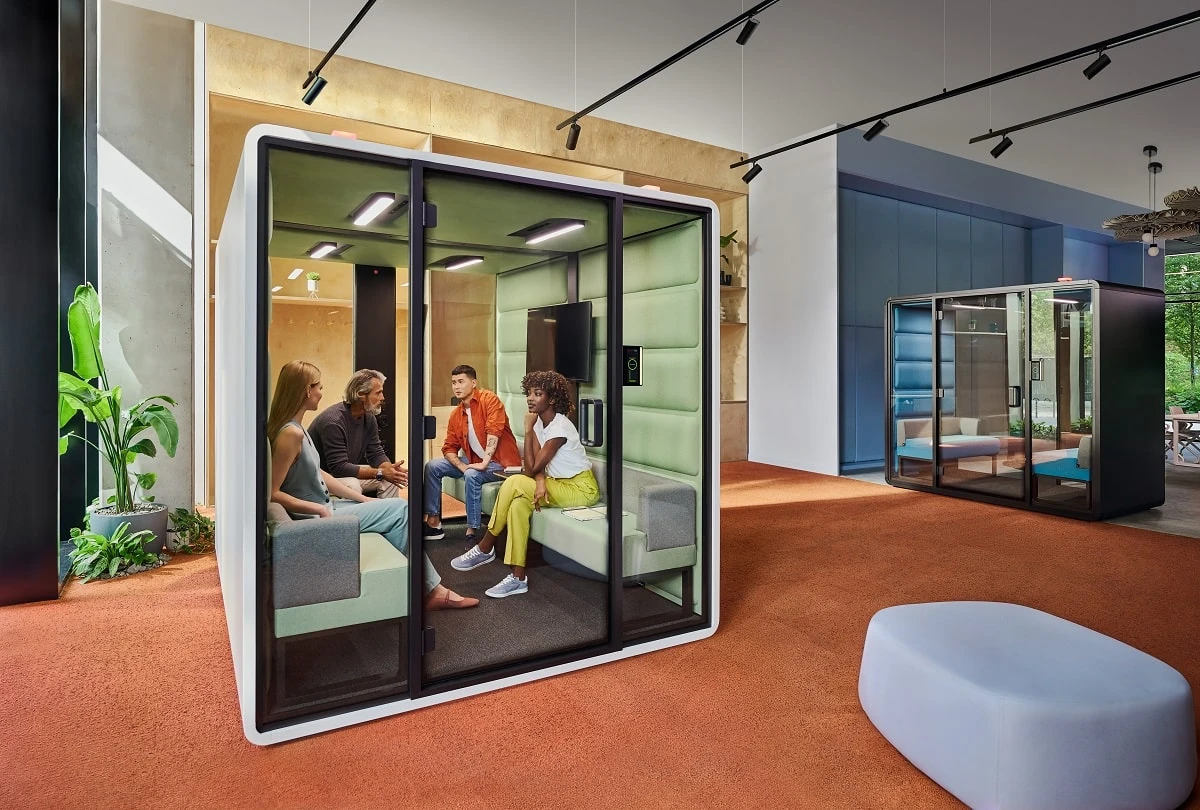
The global market for specialized hotel access solutions reached 1.48 billion dollars in 2024 and continues to expand rapidly. Establishments are actively moving away from generic plastic rectangles toward premium materials like engraved wood, bamboo, or matte metal. The tactile weight and texture of these specific materials instantly communicate a deep commitment to luxury and environmental sustainability. Furthermore, these physical artifacts can be strategically utilized to advertise internal amenities or showcase lucrative local business partnerships.
Implementing thoughtful design on these small canvases yields highly measurable returns in consumer brand recall. One global chain reported an impressive 30% increase in guest recall simply by utilizing bold and unified visual identities on their access cards. Guests frequently carry these items in their wallets or phone cases throughout their stay, exposing the logo to the wider local community. Effective Hotel Branding dictates that every physical touchpoint must be intentionally engineered to reinforce the core identity.
Transforming Loyalty Programs Into Revenue Engines
Retention strategies have evolved significantly from traditional point accumulation systems into complex lifestyle ecosystems. Below is a detailed look at how modern properties are cultivating deep relationships with their frequent travelers.
The Surge In Global Membership Networks
The absolute scale of modern frequent guest networks is staggering and continues to accelerate across all global markets. In 2024, industry wide program membership surged to 675 million individuals, representing a massive 14.5% year over year increase. This rapid expansion rate is more than double the rate of new physical room construction. Consequently, the industry average has pushed the density to an incredible 137 loyalty members for every available hotel room.

These massive networks have transitioned from simple retention mechanisms into the primary engines of broad based demand generation. The financial behavior of enrolled members clearly justifies the immense corporate investment required to maintain these technological platforms. Data consistently shows that enrolled guests spend an average of 22.4% more during their visits compared to non enrolled visitors. Additionally, they tend to extend their stays by an average of 28%, significantly boosting total revenue generation.
An impressive 84% of these members explicitly state that participation in these networks increases their overall emotional loyalty to the parent company. Furthermore, enrolled members are 70% more likely to select their preferred chain over a similarly priced local competitor. This intense behavioral loyalty provides a critical financial buffer against economic downturns by ensuring a reliable baseline of occupied nights. Managing these massive networks is now a fundamental requirement for operating at scale in the hospitality sector.
Balancing Reward Liabilities With Sustainable Margins
Maintaining these massive global networks introduces distinct financial liabilities that hotel operators must carefully and continuously manage. The total financial liability for unredeemed rewards reached a staggering 2.4 billion dollars across major chains in 2024. Fortunately, the average financial liability per individual member actually fell by 5.3% to 17.85 dollars. This specific drop indicates that corporate brands are implementing tighter fiscal controls, such as adjusting point redemption values or introducing expiration dates.
While individual costs are dropping, the total program expenses have risen significantly due to the sheer volume of new participants. Total loyalty revenues generated by these programs rose by 8.3% to reach 1.2 billion dollars. The cost per occupied room specifically attributed to loyalty programs currently averages 5.46 dollars. This operational cost now accounts for approximately 1.6% of the total revenue generated by the hotel.
Table 1.4. Loyalty Program Growth And Liabilities
| Loyalty Program Metric | 2024 Performance Data | Year Over Year Change |
| Total Global Memberships | 675 Million Users | +14.5% Increase |
| Member to Room Density | 137 Members per Room | +7.4% Increase |
| Liability Per Member | $17.85 Average | -5.3% Decrease |
| Total Program Revenue | $1.2 Billion | +8.3% Increase |
Individual member liability currently represents just 11.3% of the Average Daily Rate, which is a sharp decline from 21.9% in 2016. This indicates a highly sustainable financial model that balances guest satisfaction with operational profitability. Modern Hotel Branding relies on using these networks to allow guests to seamlessly transition between economy and luxury tiers within the same corporate family.
Hyper Personalization And Data Driven Hospitality
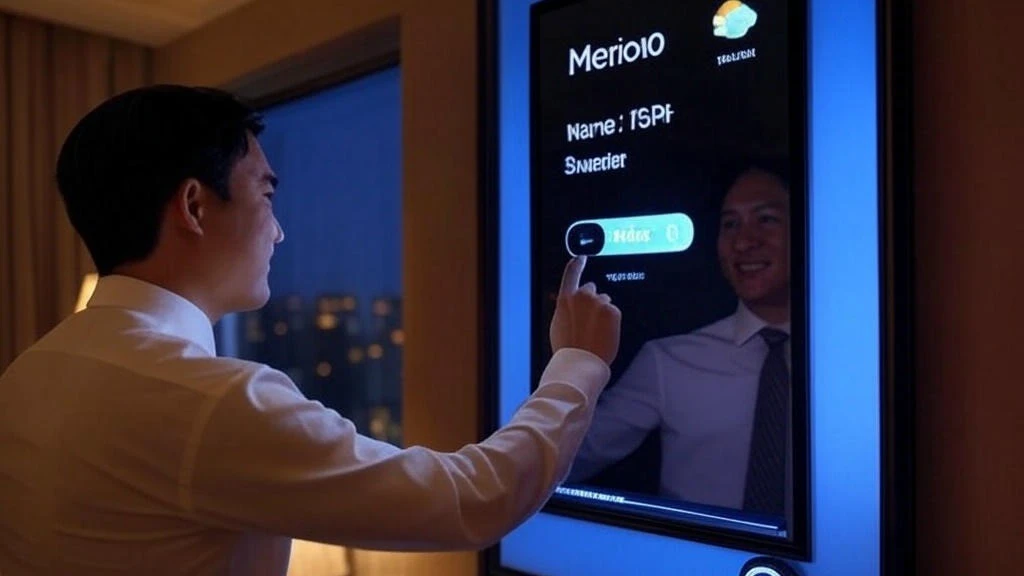
Today’s highly discerning travelers expect services that cater strictly to their individual preferences and historical purchasing behaviors. Personalization has evolved far beyond simply addressing a guest by their first name at the front reception desk. It now involves tailoring room temperatures, curating specific mini bar selections, and recommending localized activities based on deep data analysis. When an establishment successfully executes this level of customized service, it dramatically elevates the perceived value of the physical stay.

The extreme financial upside of delivering highly customized experiences is supported by extensive consumer research. Studies indicate that 61% of consumers are willing to spend significantly more money with companies that offer tailored experiences. Despite this clear consumer desire, only 23% of travelers report actually receiving high levels of personalization during their recent hotel stays. This massive gap between consumer expectation and operational delivery presents a highly lucrative opportunity for forward thinking operators.
Achieving true hyper personalization requires the seamless integration of advanced property management systems and dynamic customer relationship databases. Staff must be explicitly empowered with real time data to create tiny moments of delight without requiring managerial approval. Exceptional Hotel Branding ensures that this personalization feels entirely organic, intuitive, and perfectly aligned with the individual identity of the traveler. When guests feel deeply understood by an establishment, their overall price sensitivity decreases dramatically.
Conquering The Digital Distribution Battleground
The most stunning physical property cannot generate revenue if it remains entirely invisible within the highly competitive digital ecosystem. Let us explore the technological imperatives required to dominate search engine results and maximize direct reservations.
The True Cost Of Third Party Agency Dependence
A central challenge in maximizing hotel profitability is the industry’s heavy historical reliance on third party distribution channels. Online Travel Agencies consistently charge commission fees ranging from 15% to 25% for every single reservation processed through their platforms. While these platforms provide valuable initial exposure for new properties, depending on them long term creates a toxic financial environment. Every increase in the average daily rate mathematically increases the absolute dollar amount paid to these external agencies.

Beyond the immediate financial toll, heavy reliance on external agencies strips properties of their most highly valuable asset. When guests book through a third party platform, the platform retains complete ownership of the customer data and the primary relationship. The property loses the critical ability to collect email addresses, understand specific guest preferences, or market personalized upgrades prior to arrival. This data blindness prevents the establishment of a localized loyalty loop, turning the property into a commoditized utility.
To escape the costly cycle of third party dependency, progressive property managers must relentlessly prioritize their own direct digital channels. Direct bookings fundamentally possess the lowest acquisition cost of any channel when measured over a medium to long term horizon. Building a direct booking engine requires a sophisticated mixture of search engine visibility, compelling website architecture, and targeted marketing campaigns. Schedule a strategy call with the experts at ROI300 to build a direct booking engine that preserves your margins.
Conversion Rate Optimization For Direct Bookings
Driving massive amounts of traffic to a property website is financially useless if that traffic does not convert into confirmed reservations. Conversion Rate Optimization is the rigorous process of analyzing user behavior and eliminating friction within the digital booking funnel. Currently, the hospitality sector suffers from massive cart abandonment rates, with approximately 87% of digital hotel bookings left unfinished by consumers. This staggering loss of potential revenue is often caused by confusing navigation, slow page loading speeds, or a lack of psychological urgency.
Technical digital foundations must be firmly established before any aesthetic or branding improvements are even considered. Consumer data consistently shows that 53% of mobile users will abandon a page entirely if it takes longer than three seconds to load. In many global markets, over two thirds of all hospitality bookings originate from mobile devices, making mobile first design an absolute necessity. Furthermore, integrating clear trust signals, secure payment gateways, and transparent pricing directly impacts the psychological comfort of the buyer.
Table 1.5. Digital Performance And Optimization Metrics
| Digital Performance Metric | Industry Average Data | Optimization Impact |
| Mobile Page Load Abandonment | 53% drop-off after 3 seconds | Speed directly correlates to captured revenue. |
| Global Cart Abandonment | 87% of bookings unfinished | Highlights massive friction in current funnels. |
| Baseline Ecommerce Conversion | 2.91% average conversion rate | The baseline target for functional websites. |
| Optimized Hotel Conversion | Up to 7.0% achievable rate | Result of rigorous A/B testing and UX design. |
When digital optimization strategies are executed correctly, the financial impact on the property’s bottom line is truly transformative. Boutique properties that implement holistic and frictionless booking flows have demonstrated the ability to double their direct booking volumes. The team at ROI300 specializes in these precise technical enhancements, regularly pushing client conversion rates up to an impressive 7%. Intelligent Hotel Branding ensures that the digital interface is just as welcoming, intuitive, and premium as the physical hotel lobby itself.
Navigating Algorithmic Shifts And AI Search Ecosystems
The mechanical processes of digital guest acquisition are undergoing a massive structural upheaval driven by artificial intelligence. The era of static brochure style websites is completely dead. Properties must now function as highly dynamic digital media entities. Traditional search engines are rapidly evolving into intelligent answer engines that aggregate and synthesize complex travel information directly on the results page. Consequently, a property’s digital footprint must be hyper localized, technically flawless, and easily readable by automated scraping agents.
This algorithmic shift requires a completely new approach to how content is structured, tagged, and distributed online. Properties must ensure their Google Business Profiles are meticulously updated with high quality imagery, accurate operational hours, and direct booking links. Furthermore, the integration of artificial intelligence extends directly to customer service via sophisticated website chatbots. By the year 2025, industry analysts project that over 80% of initial customer interactions will be seamlessly managed by these automated systems.
Advanced natural language processing allows these AI systems to handle complex questions in dozens of different languages instantly. They can confirm amenity details, facilitate reservations, and recognize emotional cues to provide empathetic responses without human intervention. This automation drastically reduces the operational burden on front desk personnel, allowing human staff to focus strictly on high touch service. Cut OTA costs and modernize your guest experience with the latest AI technology by exploring ROI300’s specialized Hospitality Technology Solutions.
Dominating Localized Markets With Specialized Platforms
Global market dominance requires adapting digital strategies to highly localized search behaviors and geographically specific platforms. For properties attempting to capture the lucrative East Asian demographic, optimizing strictly for Western search engines is entirely insufficient. In markets like South Korea, specialized platforms such as Naver control the vast majority of digital traffic and consumer trust. Achieving actual visibility on these localized platforms requires culturally nuanced content, dedicated blog strategies, and an understanding of highly unique ranking algorithms.

Naver operates fundamentally differently than Google, placing a much heavier emphasis on user generated content, specific blog formats, and integrated community platforms. Backlinks, which are the absolute lifeblood of Western SEO, carry significantly less algorithmic weight in the Naver search ecosystem. Instead, success requires consistent high quality posts written in native Korean that resonate with local cultural travel trends. Without this highly targeted localization, properties forfeit massive segments of high intent international traffic.
Implementing these specialized strategies requires dedicated expertise that most internal hotel marketing teams simply do not possess. ROI300 provides fully managed Naver SEO services, utilizing native Korean copywriters to ensure your brand captures this highly lucrative travel demographic. Effective Hotel Branding means ensuring your property is positioned exactly where your highest value customers are actively searching.
Case Studies In Cultural And Wellness Positioning
Examining specific property implementations reveals exactly how strategic cultural positioning translates into highly profitable daily operations. Consider these compelling examples from the rapidly expanding Vietnamese luxury and heritage market.
Heritage Preservation At Ancient Hue Garden Houses
Ancient Hue Garden Houses serves as a spectacular masterclass in utilizing authentic historical architecture to command premium daily rates. The property consists of meticulously restored traditional wooden houses and French colonial villas, situated in a village historically favored by imperial royalty. Their entire corporate identity is built around offering a deep cultural escape, utilizing specific visual motifs inspired by royal garments from the Nguyen Dynasty. The architectural layout heavily utilizes traditional Feng Shui methodologies to create a deeply harmonious and authentic atmosphere.
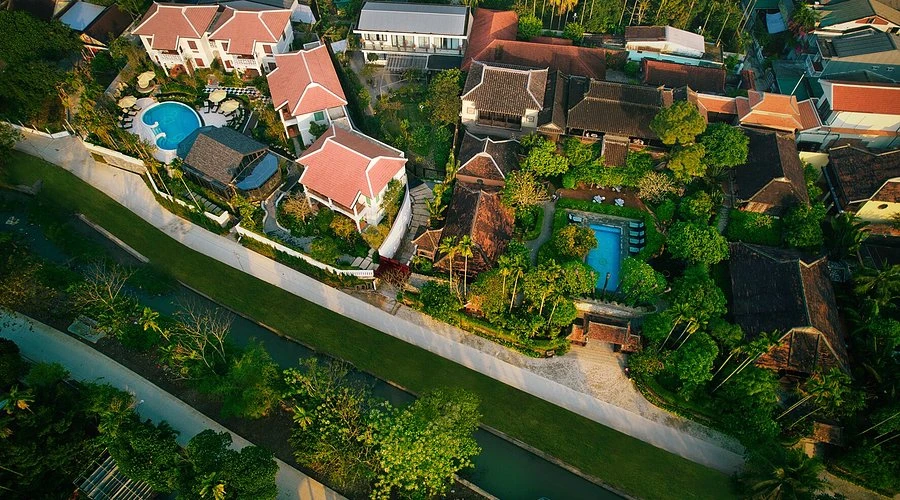
By providing authentic imperial dining experiences curated by specialized chefs, they have established themselves as a pinnacle of heritage luxury. The dining spaces meticulously recreate the grandeur of the historical era, featuring majestic carved chairs, opulent fabrics, and traditional musical performances. They refuse to borrow their identity from generic international luxury templates, opting instead to deeply immerse guests in the sights and sounds of traditional Vietnamese life.
This extreme dedication to historical accuracy creates an irreplaceable market position that protects them from localized price wars. Travelers specifically seek out this property not just for a comfortable bed, but for an educational journey into the soul of the ancient capital. Their success proves that honoring local heritage through rigorous Hotel Branding is a highly sustainable and lucrative business model.
Holistic Health Narratives At Fusion Resort
Another highly successful operational model is the Alba Wellness Valley by Fusion, located in the tranquil foothills just outside the imperial city. This specific property anchors its brand identity strictly around holistic health and the preservation of legendary natural hot springs. They seamlessly integrate traditional Japanese onsen bathing rituals with localized Vietnamese herbal therapies to create a completely unique wellness offering. Everything from the minimalist architecture to the daily itinerary of the guests reinforces this specific narrative of mental and physical rejuvenation.
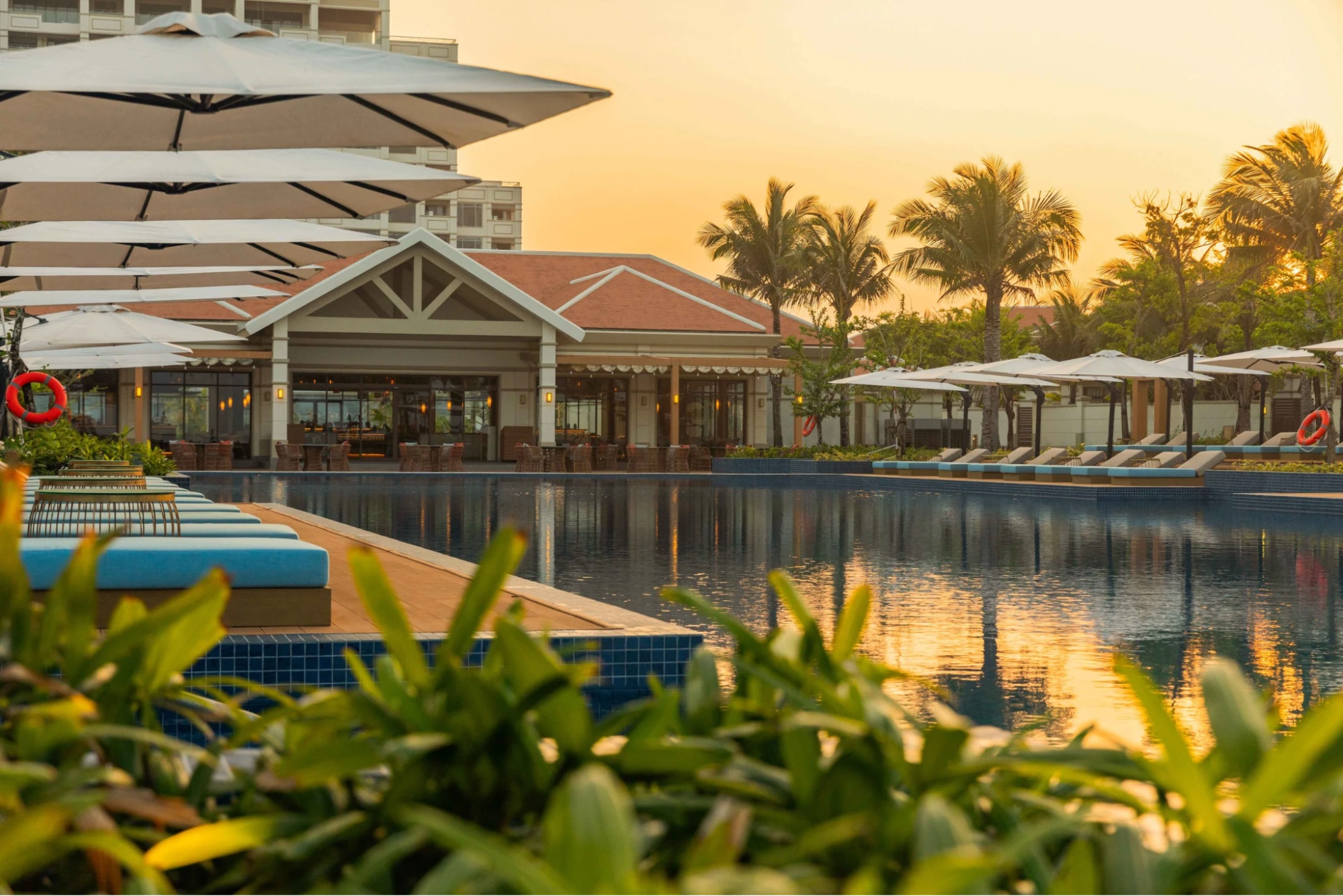
Their commitment to their brand identity is evident in their extensive sustainability programs and eco friendly operational practices. They operate robust farm to table culinary programs, utilizing organic vegetables and cage free poultry sourced directly from their own certified farms. Furthermore, they actively replant fallen trees and recycle materials into useful guest items, earning them international recognition as a Green Destination. This clear wellness driven narrative attracts highly dedicated, high spending tourists seeking genuine lifestyle improvement.
By focusing strictly on their core wellness philosophy, Fusion has successfully expanded their portfolio across multiple international borders. Their quiet confidence in their specific niche dictates everything from their visual marketing to their rigorous staff training protocols. Masterful Hotel Branding requires exactly this level of thematic dedication to ensure that the property remains entirely distinct in the mind of the consumer.
The Broader Impact Of National Tourism Initiatives
The success of individual properties is deeply intertwined with the broader branding efforts of their host cities and national tourism boards. A prime example of this synergy is the ancient imperial capital of Hue, Vietnam, during its National Tourism Year. The city completely revitalized its international image by focusing heavily on heritage renewal rather than generic, destructive urban expansion. Hue strategically leveraged its status as a home to five internationally recognized UNESCO world heritage sites to capture intense global attention.

Through sophisticated marketing campaigns targeting European and Northeast Asian markets, the city positioned itself as the cultural tourism capital of Southeast Asia. This macro level approach proved highly lucrative, drawing an estimated 6.3 million visitors and generating vast amounts of tourism revenue. This success was driven by the active participation of the local hospitality sector, which aligned its own marketing efforts with the national heritage narrative.
Accommodations shifted from offering isolated rooms to curating highly immersive packages that included royal court music performances and traditional culinary tours. The city also heavily emphasized smart and green tourism, ensuring that explosive economic growth did not compromise the integrity of the historical monuments. Effective Hotel Branding in such culturally rich regions requires properties to act as active cultural ambassadors, seamlessly blending historical preservation with modern luxury expectations.
Tracing The Historical Evolution Of Guest Services
To truly understand the future trajectory of the global hospitality sector, one must carefully examine its profound historical roots. Review these historical developmental milestones that shaped modern accommodation standards and consumer expectations.
From Ancient Inns To The Grand Hotel Boom
The fundamental concept of hospitality dates back thousands of years to ancient Mesopotamia and Egypt. During this era, basic taverns and resting places were constructed specifically to serve merchants and religious pilgrims traveling along established trade routes. In ancient Greece, providing shelter to strangers was considered a sacred moral obligation, governed by strict cultural rules of mutual respect. These early, purpose built resting facilities were primarily focused on basic survival and safety rather than aesthetic luxury.
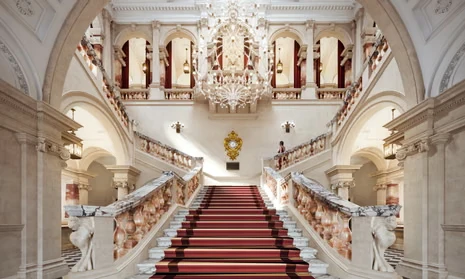
The industry experienced a massive structural evolution during the 19th century, frequently referred to as the birth of the modern hotel. The rapid expansion of international railway networks and steamships brought a multitude of wealthy travelers across Europe and America. This influx of affluent tourists demanded a significantly higher standard of comfort, leading to the construction of opulent, grandiose properties. These historic establishments introduced unprecedented innovations like indoor plumbing, electric lighting, and formalized uniform customer service standards.
This era established the foundational blueprint for what consumers define as luxury accommodation today. The grand hotels of the 19th century were the first to truly weaponize Hotel Branding, utilizing magnificent architecture and exclusive dining rooms to signal extreme social prestige. They transitioned the industry from providing mere survival shelter into selling an aspirational, highly refined lifestyle to the global elite.
The Rise Of Global Chains And Soft Brand Collections
The 20th century witnessed the birth of the modern corporate hotel chain, fundamentally altering the economics of the entire industry. Visionary entrepreneurs began transitioning away from independent, owner operator models to establish massive, standardized global franchises. This era prioritized extreme operational efficiency, predictable service standards, and the rapid, global proliferation of a single unified brand identity. Travelers could suddenly expect the exact same room layout and service quality whether they were in Tokyo, New York, or London.
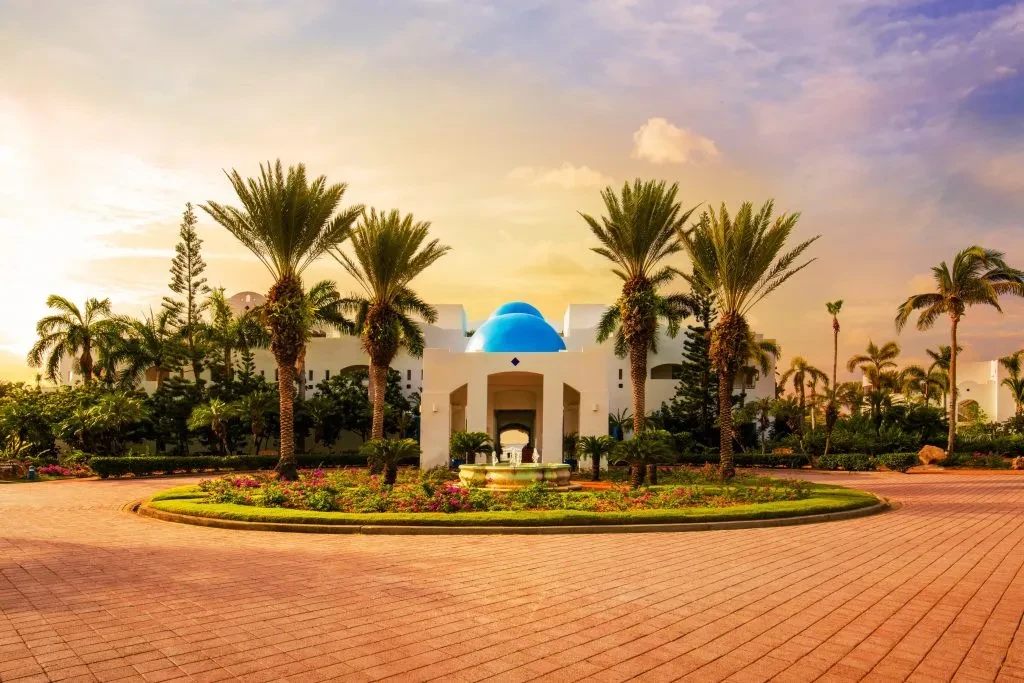
However, as the 21st century progressed, consumer preferences shifted drastically away from rigid standardization toward unique experiential travel. This shift birthed the concept of the soft brand collection, which has exploded in popularity over the last decade. Soft brands allow independent, culturally distinct properties to plug into the massive distribution and loyalty networks of global corporate giants. Over the past 10 years, soft brand room growth has been nearly 10 times that of traditional, rigidly standardized brands.
This hybrid affiliation model promises the intense distribution power of a global chain while completely preserving the unique identity, design, and narrative of the individual property. It represents the ultimate evolution of Hotel Branding, where localized authenticity is perfectly married to global technological infrastructure. Understanding this historical progression is critical for any asset manager attempting to position a new property in today’s highly fragmented market.
Conclusion
In 2026, Hotel Branding is no longer just about visual aesthetics or a new logo. It requires a holistic approach that integrates multisensory marketing, hyper-personalized loyalty ecosystems, and a deeply authentic cultural narrative. By ensuring that every physical artifact and digital interaction resonates with a cohesive premium identity, properties can command higher daily rates, reduce their reliance on expensive third-party agencies, and secure lasting guest devotion.
Ready to transform your brand into a profitable direct booking engine? A stunning identity needs a powerful digital infrastructure to succeed. Partner with the hospitality marketing professionals at ROI300 to build, automate, and scale a digital presence tailored specifically to your unique property. Contact ROI300 today to cut your acquisition costs and turn casual browsers into lifelong brand advocates.