

The hospitality landscape is undergoing a structural upheaval where static strategies no longer capture modern traveler intent. To maintain market dominance and drive record-breaking revenue, enterprise brands are aggressively pivoting toward asset-light models, hyper-personalized loyalty programs, and advanced artificial intelligence. This blog will provide a comprehensive guide to Hyatt Marketing, deconstructing the exact corporate tactics and digital innovations used to scale global portfolios and maximize direct booking profitability in 2026.
The Asset-Light Financial Model Driving Global Portfolio Expansion
The modern hospitality conglomerate must balance rapid global expansion with insulated financial risk to satisfy diverse stakeholder demands. Let us examine the specific mechanisms driving this sophisticated restructuring effort.
Transitioning Toward A Franchise And Management Ecosystem
The fundamental architecture of global hospitality is rapidly moving away from heavy real estate ownership. By transitioning toward an asset-light model, major hotel enterprises can insulate themselves from the volatile swings of property market valuations. This strategic pivot allows corporations to focus exclusively on brand management, distribution technology, and guest experience optimization.
Recent financial disclosures highlight the overwhelming success of this rigorous restructuring initiative. The overarching goal is to generate over 90% of earnings strictly from franchise and management fees by the end of 2026. This aggressive target fundamentally alters the operational priorities of the organization, placing a massive premium on the effectiveness of Hyatt Marketing programs. If the enterprise does not own the physical buildings, its primary value proposition to property owners is its sheer ability to drive direct, high-margin bookings.
This relentless focus on fee generation has yielded highly lucrative financial results in recent quarters. Comparable system-wide hotels experienced a Revenue Per Available Room (RevPAR) growth of 4.0% in the fourth quarter of 2025. Furthermore, gross fees generated by the management and franchise ecosystem grew by 9.0% in 2025, reaching an impressive total of $1,198 million. These metrics confirm that the market heavily rewards agile, brand-focused operational structures.
Table 1.1. Enterprise Growth And Financial Performance
| Financial Metric | 2024 Performance | 2025 Performance | Growth Indicator |
| System-Wide RevPAR Growth | Baseline | 4.0% (Q4) | Strong Yield |
| All-Inclusive RevPAR Growth | Baseline | 8.6% (Full Year) | Exceptional Demand |
| Global Room Pipeline | 138,000 Rooms | 148,000 Rooms | 7.0% Increase |
| Gross Management Fees | Baseline | $1,198 Million | 9.0% Increase |
To sustain this momentum, the enterprise relies heavily on an expanding global pipeline of properties. At the close of 2025, the pipeline of executed management and franchise contracts reached a staggering 148,000 rooms. This represents a 7% year-over-year increase, signaling profound confidence from independent developers across multiple continents.
Strategic Acquisitions Expanding Lifestyle And Inclusive Segments
Organic growth alone is rarely sufficient to dominate highly fragmented market sectors like luxury and lifestyle hospitality. Consequently, strategic acquisitions have become a paramount instrument for rapidly capturing market share and introducing new demographics to the overarching loyalty ecosystem. The recent integration of Standard International serves as a prime example of this aggressive expansion tactic.
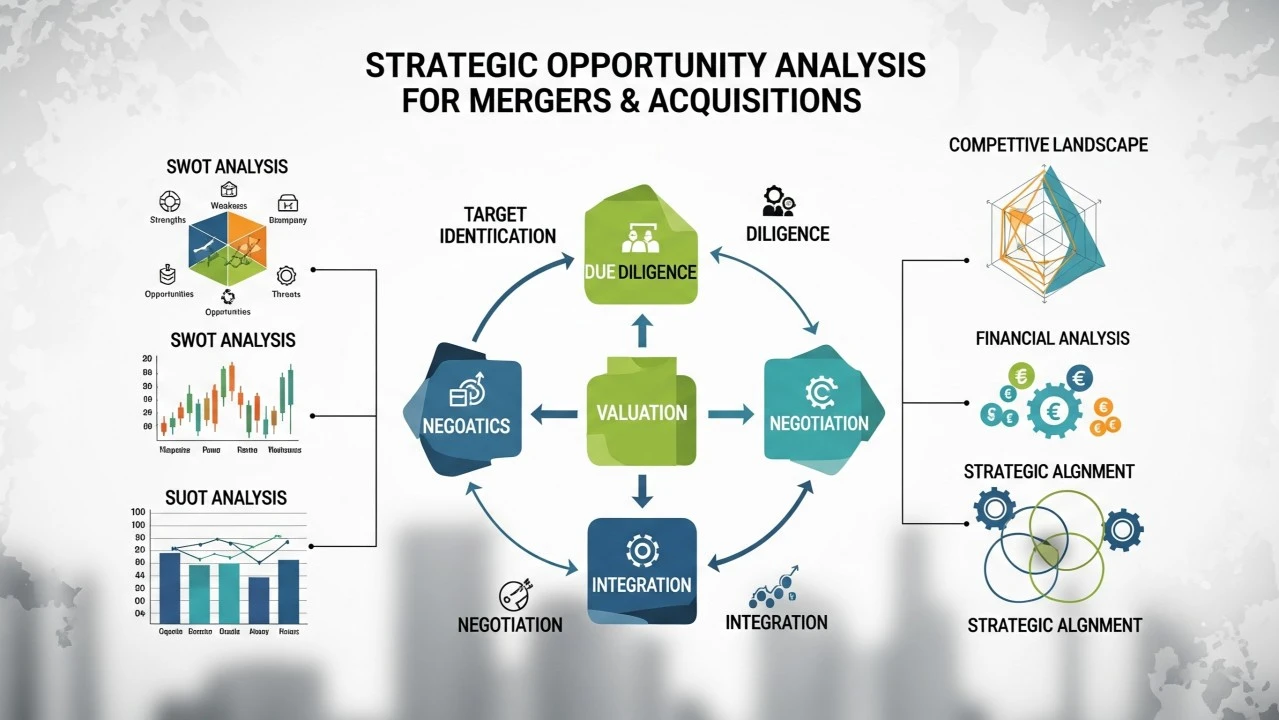
By acquiring iconic brands such as The Standard and Bunkhouse Hotels, the enterprise immediately solidified its leadership within the premier lifestyle segment. This strategic move brought 22 open hotels and over 30 future projects directly into the newly formed Lifestyle Group portfolio. Such acquisitions inject fresh cultural relevance into the legacy brand, attracting a younger, highly affluent demographic that prioritizes design and experiential programming over traditional luxury.
Simultaneously, the enterprise has executed a masterclass in dominating the lucrative all-inclusive resort category. The foundational acquisition of Apple Leisure Group significantly expanded its footprint across key leisure destinations in the Caribbean, Latin America, and Europe. This was further accelerated by the introduction of the Inclusive Collection, catering directly to the surging demand for frictionless, premium leisure travel. To fuel further expansion while remaining asset-light, the enterprise successfully completed a $2 billion real estate disposition, selling 14 owned properties while retaining lucrative 50-year management agreements.
Accelerated Growth In The Essentials And Classics Portfolios
While luxury acquisitions capture media attention, the upper-midscale segment remains a critical volume driver for global hospitality brands. Recognizing this immense opportunity, the enterprise launched the Hyatt Studios brand, specifically targeting the booming extended-stay market. This strategic addition perfectly complements the existing Essentials portfolio, which includes established names like Hyatt Place and Hyatt House.
The market response to this new extended-stay offering has been overwhelmingly positive. Since its official announcement, the Hyatt Studios pipeline has exploded to encompass approximately 70 executed property deals. This rapid scaling demonstrates the immense appetite from independent developers for conversion-friendly, highly efficient operating models.
Simultaneously, the legacy Classics portfolio continues to demonstrate incredible resilience and geographic reach. Brands such as Grand Hyatt and Hyatt Regency remain the foundational pillars of the corporate group and convention travel sectors. In the Asia Pacific region alone, the Classics portfolio secured signings for nearly 6,000 new rooms throughout 2025. This deliberate expansion into upper-midscale and extended-stay categories serves a vital defensive purpose, actively preventing loyal customers from migrating to competitor brands during budget-conscious trips.
Evolving The World Of Hyatt Loyalty Program Ecosystem
Building a formidable loyalty ecosystem requires moving beyond transactional discounts and fostering deep emotional connections with frequent travelers. Below is a detailed breakdown of how membership engagement scales brand profitability.
Milestone Rewards And Expanded Award Chart Redemption Tiers
Loyalty programs are the ultimate first-party data engines, providing unparalleled insights into behavioral preferences and spending patterns. At the core of contemporary Hyatt Marketing is a relentless drive to expand the membership base and incentivize repeated engagement. The enterprise recently reported that its flagship loyalty program ended 2025 with over 63 million active members, reflecting a remarkable 19% year-over-year increase.

This massive audience does not merely represent passive email subscribers; they are highly active participants who drive the majority of enterprise revenue. Statistics reveal that loyalty members accounted for nearly half of all occupied hotel rooms globally throughout 2025. Even more critically, these loyal members stay 62% more frequently and spend 93% more on average compared to non-members.
To maintain this unprecedented level of engagement, the program structure undergoes continuous evolution and refinement. Recent updates introduced highly personalized Milestone Rewards, allowing members to select specific perks such as free night awards, suite upgrades, or wellbeing experiences as they accumulate qualifying nights. Furthermore, the strategic expansion of redemption categories ensures long-term sustainability for the program economics, reducing the need for disruptive, large-scale points devaluations.
Leveraging Co-Branded Credit Cards For Incremental Spending
The modern travel loyalty program operates much like a sophisticated financial institution, generating massive revenue through strategic banking partnerships. The enterprise has successfully expanded its collaboration with Chase to issue highly lucrative co-branded credit cards. This financial integration allows the brand to monetize consumer spending far beyond the physical boundaries of the hotel property.
The growth metrics associated with this financial product are nothing short of spectacular. Over the past two years, the co-branded credit card portfolio has experienced an incredible 30% increase in total card spend. Simultaneously, the total number of active cardmembers surged by over 25%, proving the immense consumer appetite for premium travel rewards. These cardholders represent the most engaged, highest-yielding segment of the entire customer database.
To stimulate this continuous spending, the card offers an incredibly aggressive accumulation structure. Cardmembers can earn up to nine total points per dollar spent at official properties, seamlessly blending standard membership bonuses with credit card multipliers. The strategic brilliance of this banking partnership lies in its ability to dramatically lower the cost of customer acquisition, providing a stable, highly predictable revenue floor for property owners worldwide.
Integrating Holistic Wellbeing Through Strategic Partnerships
Modern luxury consumers increasingly view travel as an essential component of their broader physical and mental wellness routines. Recognizing this profound psychological shift, innovative hospitality brands are forging strategic alliances with leading wellness platforms. These unique partnerships extend the hotel’s value proposition far beyond the physical limitations of the guest room.

A cornerstone of this strategy is the exclusive hospitality collaboration with MasterClass, seamlessly integrated into the overarching guest experience. This unique initiative provides guests with global, in-room access to world-renowned instructors across more than 350 properties. Similarly, the strategic integration of the Headspace platform directly addresses the universal traveler pain points of jet lag, anxiety, and sleep disruption.
Beyond digital content, the enterprise actively cultivates highly immersive, on-the-ground wellbeing activations. The dedicated FIND experiences platform offers over 500 globally curated activities designed to support mental and physical health. These highly tactile experiences generate deep emotional resonance and highly shareable social media moments.
Advanced Digital Technology And Intent-Based Artificial Intelligence
The paradigm of digital commerce is rapidly shifting from rigid dropdown menus to fluid conversational interfaces. Consider the following technological advancements reshaping the guest booking journey.
Natural Language Search And Conversational Discovery
The traditional hotel booking engine, reliant on strict parameters like dates and static destinations, is rapidly becoming obsolete. Travelers rarely begin their planning journey with a specific city and zip code in mind. Recognizing this fundamental truth, forward-thinking enterprises are investing heavily in intent-based, natural language search capabilities.

By deploying generative AI interfaces, brands can capture traveler intent much earlier in the inspiration phase of the booking funnel. Instead of forcing users through rigid filters, the intelligent system interprets conversational queries written in everyday language. This technological leap reduces digital friction, preventing frustrated users from abandoning the direct channel in favor of broad online travel aggregators.
The commercial impact of this AI enablement is both immediate and highly measurable for the enterprise. Internal data confirms that searches conducted through conversational interfaces yield significantly stronger booking conversions. Furthermore, these AI-assisted reservations consistently generate higher revenue per booking and result in longer average lengths of stay, proving that personalized discovery directly impacts the bottom line.
Predictive Demand Management And Dynamic Pricing Algorithms
Agentic AI does not merely enhance the consumer-facing search experience; it fundamentally revolutionizes back-office revenue operations. By continuously analyzing vast datasets encompassing flight patterns, local events, and historical booking trends, AI agents transition hotel operations from reactive adjustments to predictive demand management. This algorithmic capability is absolutely critical in an increasingly volatile global travel ecosystem.
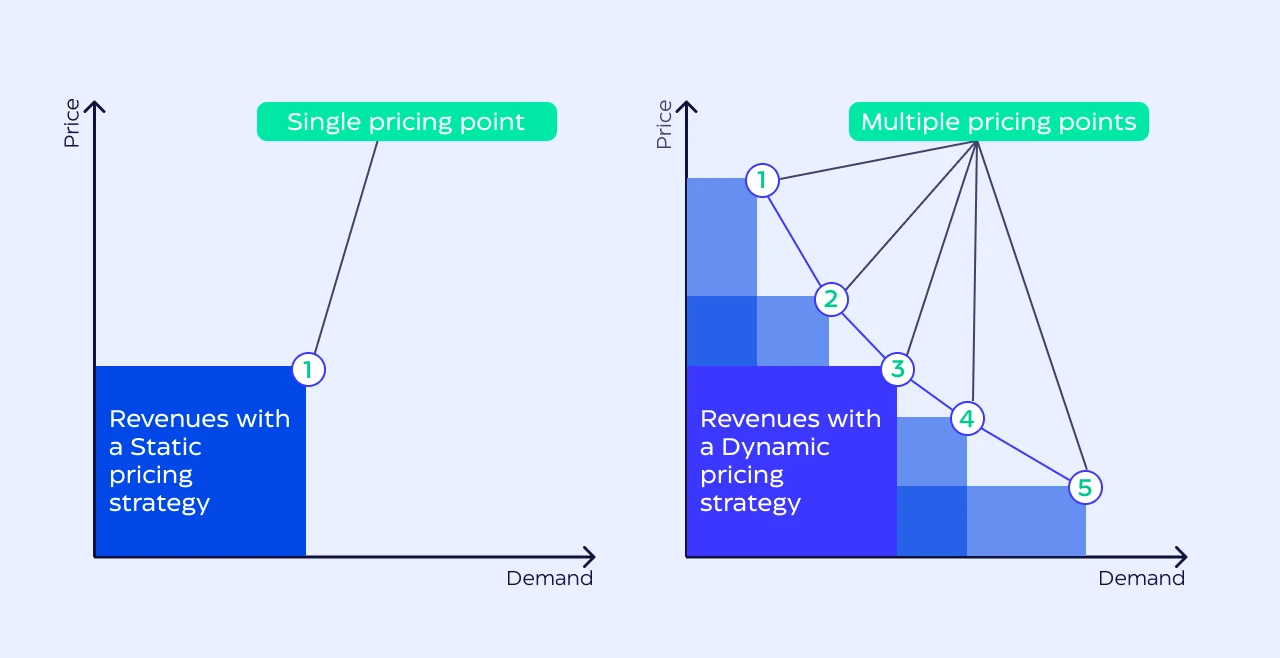
These intelligent systems ensure that room inventory, dynamic pricing algorithms, and personalized promotional offers are continuously updated and machine-readable. When an unexpected weather event or sudden geopolitical shift disrupts travel patterns, the predictive models automatically adjust pricing thresholds to capture displaced travelers or stimulate local staycation demand. This level of algorithmic agility protects profit margins during periods of extreme market fluctuation.
Furthermore, AI-driven analytics segment guest profiles based on complex lifestyle indicators and subtle behavioral cues. This deep segmentation powers hyper-personalized email campaigns and in-app notifications that boast conversion rates up to 20% higher than generalized marketing blasts. By deploying the right message to the exact right audience at the precise moment of highest intent, the enterprise maximizes the return on every marketing dollar spent.
Unifying Customer Profiles With Tealium Customer Data Platforms
The modern hospitality consumer interacts with a brand across dozens of distinct touchpoints, from mobile applications and promotional emails to on-property dining reservations. Historically, this vital data remained trapped in isolated departmental silos, resulting in fragmented guest profiles and wildly inconsistent service delivery. Solving this critical infrastructure flaw is the primary mandate of contemporary digital marketing operations.
To achieve a true 360-degree view of the guest, enterprise leaders are deploying sophisticated Customer Data Platforms (CDP). By partnering with industry leaders like Tealium and utilizing Amazon Web Services (AWS) infrastructure, global hotel chains can ingest, clean, and unify massive streams of real-time behavioral data. This unified profile empowers marketing teams to treat digital visitors not as anonymous cookies, but as distinct individuals with highly specific preferences.
The implementation of a robust CDP directly influences the success of all subsequent Hyatt Marketing initiatives. When the data foundation is sound, the enterprise can execute complex, event-driven interactions tailored to the exact context of the user’s journey. Industry case studies reveal that one single personalization project, powered by a unified AWS data architecture, generated nearly $40 million in incremental revenue within its first six months of deployment.
Mastering Local Search Visibility And Enterprise Data Governance
Dominating the digital shelf requires absolute precision in managing business listings across thousands of geographic markets simultaneously. Here are the core tactics used to capture high-intent regional travelers.
Managing Business Profiles Across A Massive Global Footprint
While broad national advertising builds brand equity, the actual transaction almost always occurs at the hyper-local level. When a traveler searches for accommodations in a specific city, their decision is heavily influenced by the immediate visibility and perceived quality of local search results. Mastering local search engine optimization is therefore a non-negotiable component of any successful Hyatt Marketing strategy.

For a global enterprise operating over 1,500 distinct properties, maintaining accurate local listings presents a monumental logistical challenge. Utilizing advanced location management software like Yext allows corporate teams to instantly synchronize critical business data across hundreds of global directories, mapping applications, and search engines. This centralized governance ensures that essential details, such as check-in hours, pet policies, and contact numbers, remain universally accurate.
A fully optimized Google Business Profile acts as the digital front door for individual hotel properties. Beyond basic contact information, these profiles must be meticulously enriched with high-resolution photography, comprehensive lists of on-site amenities, and strategically optimized category attributes. Furthermore, systematic review management is a critical ranking factor. Consistent, empathetic responses to both positive and negative reviews signal to search algorithms that the business is highly engaged.
Integrating Direct Booking Links Into Local Search Ecosystems
The ultimate goal of local search optimization is not merely to increase impressions, but to forcefully divert traffic away from commission-heavy Online Travel Agencies (OTAs). Historically, these OTAs dominated the most lucrative real estate on search engine results pages through aggressive paid bidding strategies. However, recent shifts in search engine architecture provide new avenues for direct intervention by the actual hotel owners.
The integration of free direct booking links directly into Google Hotel Search represents a massive opportunity for independent operators and enterprise brands alike. By securely connecting the property’s central reservation system to the search engine, hotels can display real-time rates and availability immediately adjacent to OTA offerings. This transparency empowers consumers to easily compare prices and choose the official, direct booking channel.
Table 1.2. Local SEO Tactical Implementations
| Local SEO Tactic | Implementation Focus | Primary Business Benefit |
| Profile Synchronization | Centralized API management (Yext) | Eliminates data inconsistencies globally |
| Reputation Management | Automated monitoring and response | Enhances consumer trust and search ranking |
| Direct Booking Links | PMS integration with search engines | Bypasses 15% to 25% OTA commissions |
| Content Enrichment | High-resolution photos and FAQs | Increases user engagement and click-through rates |
Optimizing Technical Site Architecture For Maximum Conversions
To maximize the effectiveness of local search integrations, the underlying property website must be structurally sound and technically flawless. Implementing advanced schema markup allows search engine crawlers to easily parse complex data regarding room types, pricing tiers, and special offers. When technical SEO aligns perfectly with local profile optimization, the property achieves absolute dominance over its specific geographic search terms.
Leading hospitality brands utilize specialized Content Management Systems (CMS) that are engineered specifically for search engine compliance. These platforms ensure that every single localized landing page adheres strictly to Google’s latest algorithm updates, including rigorous Core Web Vitals standards for page speed and visual stability. A fast, mobile-responsive website drastically reduces bounce rates, signaling to search engines that the page provides an exceptional user experience.
Additionally, creating highly detailed, location-specific landing pages is crucial for capturing long-tail search queries. These dedicated pages incorporate relevant local keywords, specific amenity details, and comprehensive neighborhood guides that search engines crave. By seamlessly integrating these local pages into the primary domain, the enterprise passes its massive domain authority down to individual properties.
Storytelling And Brand Positioning Through Omnichannel Campaigns
Earning consumer attention requires hospitality brands to transcend traditional advertising and become publishers of culturally relevant narratives. Let’s explore the narrative frameworks currently captivating luxury audiences worldwide.
Analyzing The Impact Of The Be More Here Master Campaign
In the wake of a global pandemic, traveler psychology shifted dramatically away from frantic sightseeing toward profound introspection and mindfulness. Recognizing this cultural pivot, leading hospitality brands abandoned purely transactional advertising in favor of emotionally resonant storytelling. The resulting Hyatt Marketing master campaign, titled “Be More Here”, perfectly encapsulates this modern desire for authentic presence.
The core philosophy of this platform invites guests to lean deeply into the transformative powers of travel, urging them to disconnect from digital distractions and reconnect with their immediate surroundings. By categorizing experiences into pillars such as “More Mindful” and “More Immersed”, the campaign provides a highly flexible narrative framework that can be adapted across diverse global properties.
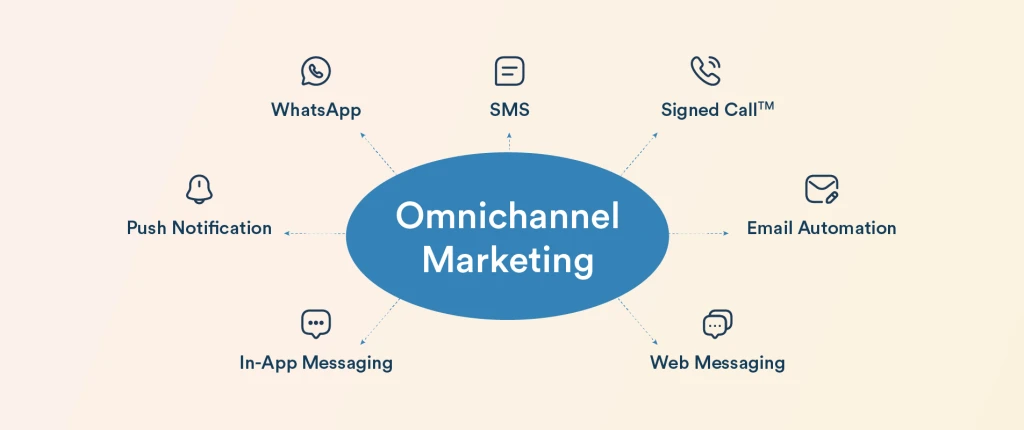
The execution of this master narrative required a highly coordinated, omnichannel deployment strategy. Cinematic short-form videos were distributed across connected television networks, premium digital out-of-home displays, and highly targeted social media feeds. This content marketing approach is not designed to trigger immediate, impulsive bookings, but rather to achieve emotional inception.
Activating Culture Shifters Through Targeted Influencer Collaborations
Traditional corporate advertising often lacks the organic authenticity required to influence highly skeptical, design-conscious consumer segments. To authentically penetrate specific lifestyle niches, brands must leverage the established credibility of independent cultural tastemakers. This realization birthed the highly acclaimed “Culture Lives Here” initiative, executed masterfully for the boutique Thompson Hotels portfolio.

Rather than hiring generic travel bloggers, the campaign strategically partnered with avant-garde “culture shifters”, including celebrated fashion designers, contemporary architects, and prominent graffiti artists. These creative ambassadors were invited to design limited-time installations and curate highly exclusive culinary events directly within key hotel properties. This approach transformed the hotel lobby from a mere transit space into a legitimate epicenter of localized cultural production.
The distribution of this campaign relied heavily on securing earned media and activating the influencers’ dedicated social communities. By hosting exclusive “first look” events for premium lifestyle publications, the public relations team engineered a massive wave of organic digital conversation. The final campaign results were staggering, generating over 261 million earned media impressions and 1.2 million highly engaged social media interactions.
Tailoring Content For Distinct Generational Spending Habits
Generational wealth transfers and evolving consumption habits are forcing heritage brands to aggressively adapt their positioning strategies. Recent macroeconomic research indicates a fascinating divergence in generational spending optimism, with Baby Boomers pulling back while younger adults aggressively allocate disposable income toward experiential travel. Analyzing these precise demographic shifts is vital for optimizing future Hyatt Marketing budget allocations.
According to comprehensive consumer surveys conducted in early 2026, Millennials currently represent the most lucrative target segment for premium hospitality brands. This demographic plans to spend an average of $422 on upcoming spring travel, significantly outpacing the $345 average of Generation X and the meager $77 average reported by Boomers. Consequently, advertising algorithms are increasingly calibrated to prioritize users within this high-spending age bracket.
Table 1.3. Generational Travel Spending Behaviors
| Generation Segment | Average Spring Travel Spend | Travel Priority Indicator | Social Media Usage Correlation |
| Millennials | $422 | Very High | Highest spenders ($2,190 avg) |
| Generation X | $345 | Moderate | Moderate spending impact |
| Generation Z | $141 | Extremely High (65% priority) | High discovery and inspiration |
| Baby Boomers | $77 | Low | Lowest digital correlation |
Generation Z exhibits an incredibly high propensity to prioritize travel over material goods. Market studies reveal that 65% of Generation Z respondents rank traveling as the primary way they intend to spend their discretionary funds over the next five years. Furthermore, data proves that consumers who utilize social platforms for travel inspiration spend nearly three times more on their trips than those who rely strictly on traditional search methods.
Dominating Short-Form Social Media Algorithms
As younger demographics dictate global travel expenditure, the mediums used to capture their attention must radically evolve. We can observe the following algorithmic strategies transforming visual content distribution.
Capitalizing On High TikTok Engagement Rate Benchmarks
Static imagery and long-form blog posts are rapidly losing efficacy in an ecosystem dominated by algorithmic, short-form video feeds. To maintain relevance, enterprise marketing teams are aggressively reallocating budgets toward visually immersive platforms like TikTok and Instagram Reels. Extensive benchmarking data from 2026 clearly illustrates why this shift toward vertical video formats is absolutely mandatory for survival.
TikTok currently boasts an incredible average engagement rate of 3.70%, which is more than seven times higher than Instagram’s overall average and nearly 25 times greater than Facebook’s stagnating performance. For smaller, highly curated brand accounts with 1,000 to 10,000 followers, TikTok engagement rates can skyrocket to an astonishing 8.1%. These engagement figures demonstrate a platform where users are actively listening, not just passively scrolling.
To capitalize on these metrics, hotel brands must produce content that aligns perfectly with the specific cultural vernacular of these platforms. Highly polished, corporate commercial assets generally fail on TikTok, as success requires raw, sensory-driven storytelling that utilizes trending audio tracks and rapid visual cuts.
Balancing Instagram Reels Discovery With Carousel Retention
While TikTok commands raw engagement, Instagram remains a vital ecosystem that requires a highly nuanced blend of content formats. The algorithm governing Instagram Reels is specifically designed to drive massive unconnected reach, meaning the content is aggressively pushed to non-followers via the Explore page. Understanding the primary ranking signals, which include total watch time and the ratio of likes to total reach, is essential for organic business growth.
However, relying exclusively on short-form video ignores the core preferences of a brand’s established follower base. Recent data reveals that thoughtfully designed photo carousels actually command the highest engagement rates (0.55%) from existing community members, outperforming standard Reels (0.50%) and static images (0.45%). Static images have seen their engagement drop by 17% in a single year, making multi-slide carousels the premier format for detailed storytelling and destination guides.
By strategically balancing viral, short-form video acquisition with high-quality, carousel-based community retention, the enterprise orchestrates a highly effective, full-funnel social media ecosystem. Reels act as the wide-reaching net to attract new affluent travelers, while beautiful carousels nurture that audience until they are ready to book.
Measuring Return On Investment For Influencer Partnerships
Influencer marketing can no longer survive on vanity metrics like generic reach and superficial follower counts. Executive stakeholders demand strict accountability, meaning every campaign must prove tangible return on investment and demonstrable brand lift. This required shift toward performance-based measurement is fundamentally altering how global hospitality brands select and evaluate their digital partners.

A compelling example of this sophisticated approach is the campaign executed for the Grand Hyatt brand in the Asia Pacific region. To reach high-value luxury travelers, the marketing team deployed AI-powered programmatic targeting to identify users actively researching premium stays. By blending bespoke influencer creatives with highly targeted premium inventory, the campaign moved far beyond traditional brand awareness.
The resulting analytics provided real-time insights that allowed the team to optimize the media spend mid-flight. Ultimately, this rigorous programmatic approach yielded a certified 43% increase in brand consideration among the target demographic. This data-centric methodology proves that when influencer aesthetics are paired with elite media buying technology, the resulting Hyatt Marketing campaigns directly impact the corporate bottom line.
Corporate Social Responsibility And Environmental Stewardship
Modern consumers increasingly demand absolute transparency regarding the environmental and social impacts of their chosen travel providers. Take a look at the governance structures utilized to communicate ethical commitments.
The Governance Framework Of The World Of Care Initiative
Corporate social responsibility can no longer operate as a peripheral public relations exercise, as it must be fundamentally integrated into the core operational ethos of the enterprise. Addressing this mandate, global hotel chains have formalized comprehensive Environmental, Social, and Governance (ESG) platforms. The proprietary “World of Care” initiative stands as a prime example of this deeply embedded, strategic philosophy.

This sophisticated governance structure is built upon three inseparable pillars, focusing heavily on caring for the planet, caring for people, and ensuring responsible business practices. To ensure absolute accountability across the organization, the execution of these initiatives is overseen directly by the highest levels of corporate leadership. Executive stock compensation and annual incentive plans are strictly tied to the successful advancement of these specific diversity and inclusion metrics.
Communicating Tangible Climate Action And Sustainability Milestones
In an era rampant with superficial greenwashing, empirical data and scientifically validated targets are the only acceptable currencies of environmental stewardship. Leading hospitality brands align their aggressive climate action goals directly with the stringent requirements of the Science Based Target initiative (SBTi). This ensures that all corporate sustainability claims are backed by rigorous mathematical modeling and undeniable operational data.
The primary objective of this environmental mandate is a massive reduction in greenhouse gas (GHG) emissions across the global property portfolio by 2030. Utilizing advanced, proprietary tracking software, the enterprise constantly monitors energy and water consumption variations across thousands of individual hotels. Recent sustainability reports confirm spectacular progress, revealing a 26% market-based reduction in GHG emissions per square foot compared to the 2019 baseline.
Integrating these monumental achievements into consumer-facing Hyatt Marketing materials provides a massive competitive advantage. When large corporate clients seek venues for massive global conferences, they increasingly mandate strict environmental compliance from their chosen hospitality partners. By transparently publishing extensive Global Reporting Initiative indexes, the brand effortlessly secures highly lucrative, long-term corporate contracts.
Elevating Diversity And Community Engagement Disclosures
The social dimension of this overarching ESG framework is particularly robust, addressing critical global issues far beyond the confines of basic hospitality operations. The enterprise mandates comprehensive human trafficking training programs, widely considered among the most rigorous in the entire industry. By educating frontline staff to recognize the subtle signs of exploitation, the hotel chain actively participates in safeguarding vulnerable populations.

Additionally, the company publishes highly detailed, annual workforce diversity data, establishing a necessary baseline of transparency. These public disclosures meticulously break down gender, racial, and ethnic representation across all management tiers. Acknowledging that true equity requires relentless accountability, the enterprise uses this data to constantly refine its internal hiring and promotion pipelines.
Beyond internal policies, the enterprise actively mobilizes its workforce to participate in localized community betterment projects. Employees have volunteered thousands of hours supporting vital charitable organizations and regional blood banks. During times of crisis, corporate funds are rapidly deployed to support affected associates and surrounding neighborhoods, cementing authentic goodwill.
Conclusion
Recap: The financial resilience and continued global expansion of major enterprise brands rely on an asset-light financial model paired with cutting-edge digital infrastructure. By transforming their loyalty program into a sophisticated behavioral data engine, leveraging agentic artificial intelligence, and executing culturally resonant omnichannel campaigns, market leaders successfully cultivate a highly lucrative base of frequent travelers. Integrating these advanced Hyatt Marketing strategies ensures your property remains insulated against digital disruptions and OTA dependency.
Ready to elevate your digital presence and capture high-value guests? Executing this level of sophisticated, enterprise-grade digital marketing requires a technically flawless foundation. Partner with the hospitality experts at ROI300 for elite Website Development, rigorous SEO compliance, and conversion-focused campaigns. Contact ROI300 today to dominate your local market and exponentially increase your direct booking revenue.