


In today’s hyper-connected travel market, a hotel’s website is far more than an online brochure – it’s the digital heart of your marketing strategy. Whether you run a boutique inn or a large resort, your website can be the most cost-effective channel to attract guests, drive direct bookings, and build lasting relationships. Around 80% of travelers worldwide now prefer to plan and book trips online, which means your online presence can make or break your business. This global guide will walk hotel owners and managers through the essentials of hotel website marketing – from boosting your site’s visibility and user experience to crafting engaging content and optimizing for conversions. By the end, you’ll understand why investing in your website is investing in your hotel’s future, helping you capture more bookings without relying solely on costly third-party platforms.
Why Hotel Website Marketing Matters
Hotel website marketing refers to the strategies and tactics used to promote your property via your own website – with the goal of attracting guests directly rather than through intermediaries. This matters because direct bookings are more profitable and strategic for hotels. Every reservation that comes through an Online Travel Agency (OTA) like Booking.com or Expedia typically incurs a 15–30% commission fee, eroding your profit margin. In contrast, bookings made on your own site bypass those hefty commissions. In fact, industry analysis shows the average cost of a direct booking is only about 4.3%, versus 18–25% in OTA commissions. Over the course of a year, shifting even a fraction of bookings from OTAs to direct channels can significantly boost your bottom line.

Direct bookings are not just about saving on commissions – they also give you greater control over the guest experience and relationship. When a guest books through your website, you own their contact information and stay history, enabling you to collect valuable data for personalized marketing and loyalty-building. You’re no longer just one anonymous listing among hundreds on an OTA. Instead, your website lets you showcase your hotel’s unique brand story and engage guests on your terms. It’s no wonder that hoteliers worldwide are eager to increase their share of direct digital bookings. One recent Skift survey even predicts that by 2030, direct online channels could overtake OTAs as the dominant booking source (hoteliers aspire to grow direct bookings from 25% in 2024 to 42% by 2030). Whether or not that ideal scenario is fully realized, the message is clear: maximizing direct bookings through your website is a critical strategy for long-term success.
Equally important is the role of your website in building guest trust and engagement. Travelers often visit a hotel’s website even if they discovered the property on an OTA, to get a feel for authenticity, get questions answered, or find the best deal. A strong website can convince them to book directly by highlighting the value you offer. On an OTA, your hotel is just a commodity – a generic listing with the same format as every other. As one industry expert notes, OTAs “water down the distinct personality and diversity each hotel possesses.” In contrast, your direct channel is where you have free rein to personalize the user experience, convey your brand’s personality, and establish meaningful relationships with guests, all while reducing acquisition costs and improving ROI. In short, website marketing matters because it empowers you to take control of your revenue and guest relationships in a way that third-party channels simply can’t match.
Your Website’s Role in Direct Bookings and Guest Engagement
Your hotel’s website is often the first direct touchpoint between you and a potential guest. It serves a dual role: a direct booking engine and a guest engagement platform. Let’s unpack each of these:
Direct Booking Engine
A well-marketed website channels more travelers to book rooms straight with you instead of through OTAs. This not only protects your margins but can also improve the overall quality of bookings. Guests who book directly tend to be more loyal and cost-effective to retain. They also come in with greater confidence in your brand, since they’ve interacted with your website and likely seen your direct booking perks (like a best-rate guarantee or special package).

Research shows direct bookers bring financial and strategic advantages: you keep more revenue in-house and gain rich guest data that OTAs would otherwise keep. Moreover, direct bookers often end up being more engaged customers – in one case, almost twice as many direct-booking guests used a hotel’s digital concierge and spent more on upsells compared to OTA bookers. By driving direct bookings, your website lays the foundation for a more profitable and loyal customer base.
Guest Engagement Platform
Beyond transactions, your website is a hub for engaging visitors before and after they book. It’s where you can inspire potential guests with stunning imagery, captivating stories, and tailored recommendations that get them excited about staying with you. The beauty of your own site is that you can deliver personalized and dynamic content to every visitor – something OTAs can’t do for your individual brand.
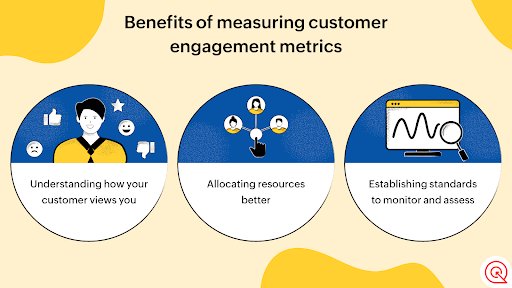
For example, you might greet repeat visitors with a “Welcome back” message and an exclusive return-guest offer, or use location-based content to show users offers relevant to their region. Industry data reinforces how crucial this engagement is: personalized, engaging web content can significantly boost conversion rates, driving users further down the booking funnel. In fact, in A/B tests across thousands of hotels, visitors who interacted with personalized onsite messages and tools converted 32% more often than those who didn’t. Clearly, an engaged visitor is far more likely to become a paying guest.
Think of your website as your hotel’s digital lobby – a place to extend hospitality, answer questions, and build excitement well before check-in. Use it to convey what makes your property special (your “brand personality”), whether that’s luxury comfort, quirky charm, eco-friendliness, or local expertise. Encourage interaction through features like live chat or chatbots, virtual tours, or even simple quizzes (“What kind of getaway are you looking for?”). The more time prospective guests spend exploring and interacting with your site, the more connected they feel to your hotel – and that emotional connection often translates into a booking. In summary, your website is both salesperson and storyteller. It’s the vehicle for increasing direct sales and the medium for engaging guests in a way that leads to stronger relationships and reviews down the line.
Essential Components of a High-Performing Hotel Website
Not all hotel websites are created equal. Some are direct booking powerhouses, while others struggle to convert lookers into bookers. To ensure your site falls in the former category, focus on a few essential components of performance: visibility, mobile-friendliness, speed, and user experience.
Search Engine Visibility (SEO)
Your website can only generate bookings if travelers find it in the first place. This is where Search Engine Optimization (SEO) comes in. By optimizing your site to rank higher on Google and other search engines, you tap into the huge volume of travelers actively searching for accommodations. Appearing prominently for queries like “beachfront hotel in Bali” or “conference hotel in London” means high-intent traffic flowing to your site. Effective SEO involves researching the keywords your potential guests use and incorporating those terms naturally into your pages and blog posts.

It also means ensuring each page has relevant titles, meta descriptions, and headings. Don’t forget local SEO: claim and maintain your Google Business Profile with accurate info, photos, and guest reviews, so that you appear in local map packs and “near me” searches. The payoff for good SEO is significant – it delivers organic visitors who are often ready to book, allowing you to outrank OTA listings for specific niche searches and capture the booking directly. In short, investing in SEO is like making your hotel more visible on the world’s biggest travel billboard.
Mobile Responsiveness and Speed
These days, mobile is king in travel planning. Roughly 70% of all travel searches now happen on mobile devices, and nearly half of travelers start and even complete their trip planning on their smartphones. If your website isn’t mobile-friendly, you risk frustrating the majority of your potential guests. A high-performing hotel site must be responsive – meaning it automatically adapts its layout to look and function perfectly on phones and tablets. Ensure that text is readable without zooming, buttons and links are easy to tap, and navigation menus work on small screens.

Mobile optimization also extends to speed: travelers are impatient, and slow load times will cost you bookings. Google’s index now uses mobile-first criteria, emphasizing fast loading on phones as a key ranking factor. Beyond Google’s algorithms, think of the user: if your beautiful homepage photo or booking form takes more than a few seconds to load on a 3G/4G connection, many visitors will bounce. In fact, experts warn that if your site’s hero image takes five seconds to load, you’ve likely lost that customer. To keep things snappy, optimize your images and use modern, lightweight website frameworks. Every second shaved off your load time improves user satisfaction and conversion odds.
User Experience (UX) and Design
First impressions count online just as much as in person. When a guest lands on your website, a clean, intuitive design can immediately build trust and entice them to explore further. A cluttered or confusing interface, on the other hand, might send them straight back to an OTA listing. Focus on a simple, clear navigation structure that helps users find key info (rooms, rates, amenities, contact info) in as few clicks as possible. Resist the urge to overload pages with too many pop-ups or heavy elements; sometimes less is more for site design, since a simpler site often runs faster and highlights the information that truly matters. Pay special attention to your navigation menu: use logical categories and dropdowns, and keep it consistent across all pages so users don’t get lost.
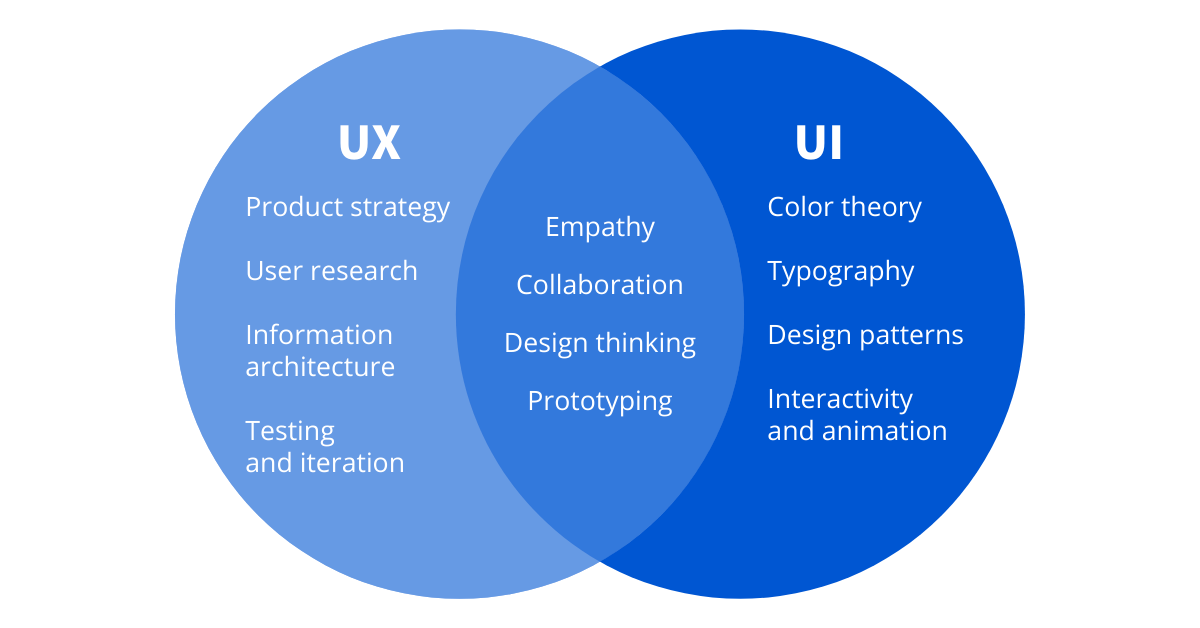
Visual appeal is also crucial. High-resolution photos and even short videos of your rooms, lobby, dining, and destination can immerse potential guests in the experience before they book. In fact, hotels that showcase compelling imagery and videos tend to see higher engagement and more booking inquiries – vivid visuals help guests picture themselves at your property. Just ensure images are optimized so they don’t slow the site. Design should also align with your brand’s personality and target market. For instance, if you cater to leisure travelers, consider highlighting local attractions, scenic shots, or family-friendly features. If you primarily serve business travelers, make sure details like Wi-Fi quality, meeting spaces, and shuttle services are front and center. The goal is to make your typical guest feel “this place is for me” as soon as they land on your page.
A strong UX includes prominent calls-to-action and trust signals too. Always keep the ultimate goal (booking a room) in mind: make your “Book Now” button or similar call-to-action highly visible on every page, preferably in a consistent spot (many hotels use a top-right button in the header that stands out). The booking process itself should be smooth and user-friendly – which means using a reliable booking engine that loads quickly, is secure, and doesn’t ask for unnecessary steps. Studies show that the fewer steps and clicks in a booking form, the higher the conversion rate, as every extra field is a chance for the user to drop off. Finally, incorporate trust indicators into your site’s design. This could be badges (e.g. a secure payment icon, or awards your hotel has won), or even better, real guest testimonials and review snippets. Featuring recent TripAdvisor or Google reviews directly on your site can reassure visitors that others enjoyed their stay. Social proof like this builds credibility at the decision moment. In summary, a high-performing hotel website marries form and function: it’s easy to use, fast to load, attractive to view, and aligned with guest needs – all of which encourage visitors to stick around and ultimately hit that “Book” button.
Content Marketing: Engaging Guests with Blogs, Guides, and Stories
Beyond the core design and technical elements, content is the soul of your website. Content marketing for hotels means using informative, inspiring, and entertaining content on your site to attract travelers, answer their questions, and keep them coming back. The mantra here is, don’t just sell – tell stories and provide value. By positioning your hotel as not just a place to stay but a local expert and a source of travel inspiration, you create a deeper connection with your audience that can translate into bookings and loyalty.
One of the best ways to kickstart content marketing on your site is by adding a blog or “Explore” section. A blog allows you to regularly publish articles that target the interests of your potential guests. Think about topics that travelers research when planning a trip: local area guides (e.g. “Top 10 Things to Do in _”), insider tips on attractions or dining, upcoming events and festivals, travel itineraries, or even seasonal tips (“How to enjoy _ in the winter”). These are all great fodder for blog posts. For example, you might write a list of the best hiking trails near your mountain lodge, or a guide to family-friendly activities in your city – content that attracts visitors via Google and showcases your hotel’s location expertise. SiteMinder, a hotel tech company, notes that blog content can cover everything from local area guides and “best of” lists, to how-to articles and even guest interviews or stories. The key is to make it useful or entertaining, not just promotional. If you consistently publish high-quality posts (aim for at least a couple per month), you’ll build credibility and improve your SEO – search engines love fresh, relevant content, and travelers love finding a hotel website.

In addition to blogs, consider creating dedicated destination guides or insider pages on your site. These can be more static resources that live on your main menu (like “City Guide” or “Plan Your Trip”). Travelers often appreciate when a hotel provides a one-stop repository of local knowledge. As one guide on hotel marketing puts it, users tend to view a hotel website as a “repository of answers” for their travel questions – if you step up to provide those answers, you’ll win their attention (and possibly their booking). For instance, a hotel in a popular tourist area could maintain a guide to the best restaurants, attractions, and hidden gems around town. By doing so, you leverage your local expertise to engage potential guests at every stage of their journey, from the dreaming phase (browsing what to do) to the planning phase (deciding where to stay). And importantly, content that answers travelers’ questions right on your site keeps them from wandering off to OTAs or other sources, reducing the chance you’ll lose the booking to a competitor. Essentially, informative content is a soft sales tool – it builds trust and positions your website as the go-to resource, subtly guiding visitors toward your booking engine once you’ve satisfied their curiosity.
Don’t limit your storytelling to just written words. Visual and interactive content can be incredibly engaging. Photos and videos, for example, are potent tools: people remember much more of what they see and hear than what they read, so a short video tour of your property or a day-in-the-life montage can captivate viewers and set you apart. You don’t need a Hollywood budget either – even smartphone videos or Instagram-style stories can feel authentic and draw interest. Some hotels film behind-the-scenes snippets of staff preparing welcome amenities, or mini interviews with the chef about a new dish – content that humanizes your hotel and provides shareable moments. Interactive elements like 360° virtual tours or photo galleries where users can swipe through different room types also keep visitors engaged longer. During the COVID-19 pandemic, virtual tours saw increased adoption as a way to let guests “try before they buy,” and this trend has remained an important conversion tool. If a full virtual reality tour is too much, even a well-organized photo gallery with descriptive captions (e.g. pointing out the ocean view or the plush bedding in a room photo) can help guests visualize their stay and shorten the mental gap between browsing and booking. The longer someone stays on your site consuming content – whether reading your blog, watching a video, or clicking through a gallery – the more likely they are to book, as they become more convinced of the experience you offer.
Another powerful aspect of content marketing is incorporating guest stories and user-generated content. Travelers trust other travelers. If you can share testimonials, guest reviews, or even feature past guests’ stories (with permission), it creates a sense of community and credibility. Some hotels run blogs where they interview guests about their stay or have guests contribute a short travel diary. Even simpler: integrate your social media feeds or encourage guests to post about their stay and tag the hotel. Many hotels now embed Instagram feeds or feature a “Guest Gallery” on their websites, showcasing real guest photos. This not only provides fresh content but also serves as social proof. In one industry analysis, a large portion of user-generated content in travel is images – over 90% of it photos or videos – often highlighting landscapes, happy moments, and authentic experiences. Leveraging this on your site (say, by displaying a hashtag feed) adds authenticity that polished marketing copy can’t always achieve. It signals to prospective guests that people just like them have enjoyed your hospitality.
Converting Lookers to Bookers: Optimization Strategies
Having traffic on your site is great – but turning those visitors into confirmed reservations is the true goal. Conversion rate optimization (CRO) is the art and science of nudging more visitors to click that “Book Now” button (and complete the booking). For hotel websites, a “good” conversion rate (the percentage of website visitors who actually make a booking) often falls in the 1.5% to 3% range – which shows there’s plenty of room to improve in most cases. Here are some proven strategies for boosting conversions, covering everything from call-to-action design to booking engine setup and personalization:
Streamline Your Calls-to-Action (CTAs)
The call-to-action – usually a button like “Check Availability” or “Book Now” – is arguably the most important element on any page. It should be impossible to miss and compelling to click. Place your primary CTA in a prominent spot on every page (for example, at the top navigation bar and again mid-page if appropriate), and use a standout color that contrasts with your site’s background. Use clear, action-oriented wording. Phrases like “Book Now” or “Check Rates” set the expectation of what will happen next, whereas a vague “Submit” might be overlooked. One tip is to ensure the CTA speaks from the guest’s perspective – e.g., “Book My Stay” can sometimes psychologically resonate as it feels personal.
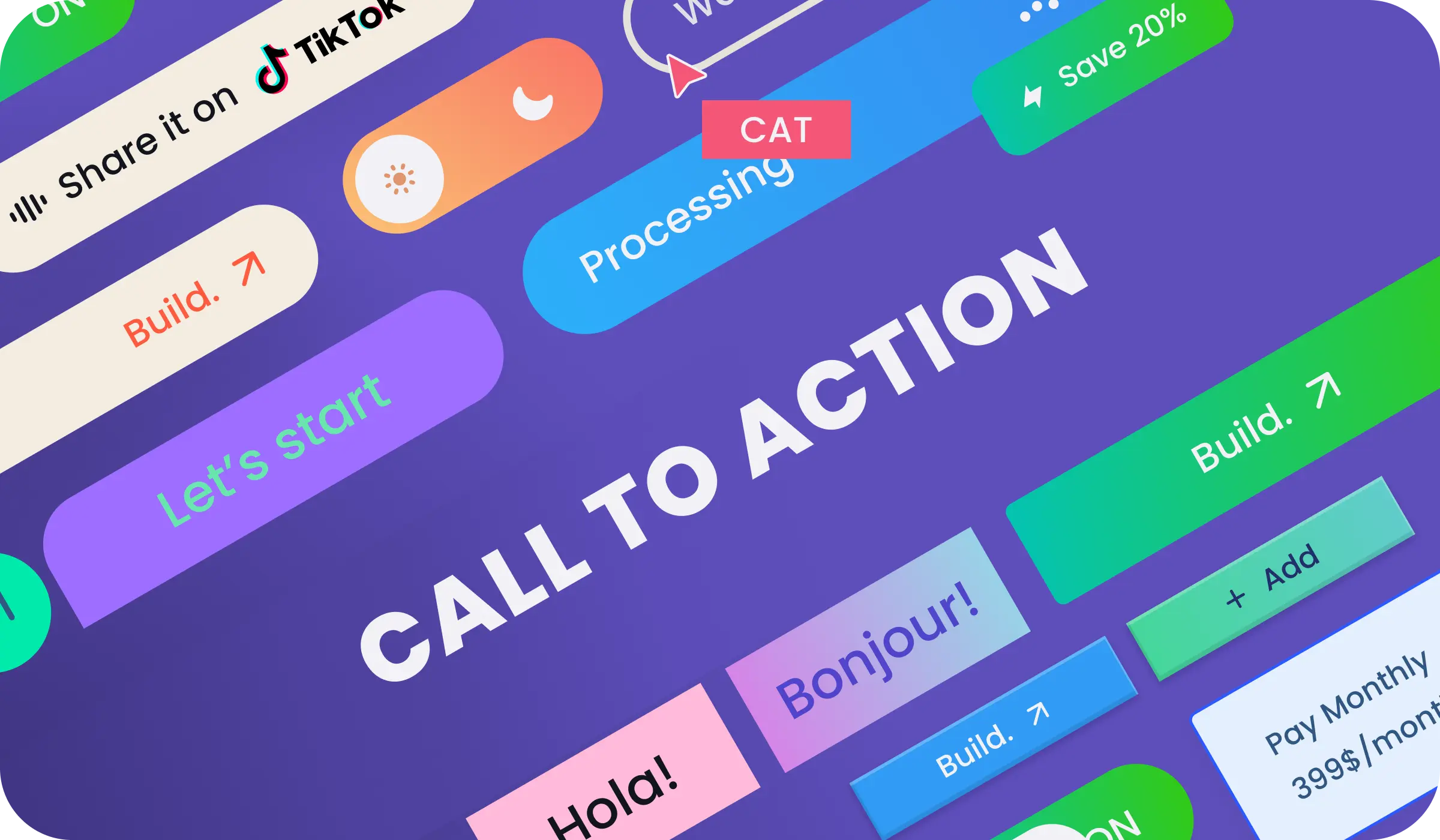
Also, consider the context: if you’re running a specific campaign or promotion, tailor the CTA to match (a landing page for a Romantic Getaway package might say “Reserve Your Getaway”). Studies have found that simply moving a CTA above the fold (so it’s visible without scrolling) and making it more prominent can lift conversion significantly. Equally, confusing or hidden CTAs kill conversions – if visitors can’t quickly find how to book, they won’t try very hard. Do a quick test: can a first-time user landing on your homepage identify within seconds how to start booking? If not, tweak the design. Sometimes, a/b testing different CTA placements or colors can yield surprising improvements. The bottom line: treat your CTA like the “North Star” of your page design – everything should subtly guide the eye toward that action.
Optimize the Booking Process
Once a guest clicks the booking button, what happens? If you send them off to a third-party booking engine or a clunky reservation form, be aware that every extra step or inconsistency can cost you bookings. Many independent hotels use external booking engine providers; that’s fine, but you must ensure it’s integrated as seamlessly as possible. Ideally, the booking engine should be skinned or customized to look like your website so users don’t feel like they jumped to a different site (a completely off-brand booking page can spook users and cause drop-off). Work with your booking engine provider to enable cross-domain tracking (so Google Analytics still tracks the user) and to customize fonts, colors, and logos. The process itself should be short and simple: minimize the number of pages and form fields required to complete a reservation.
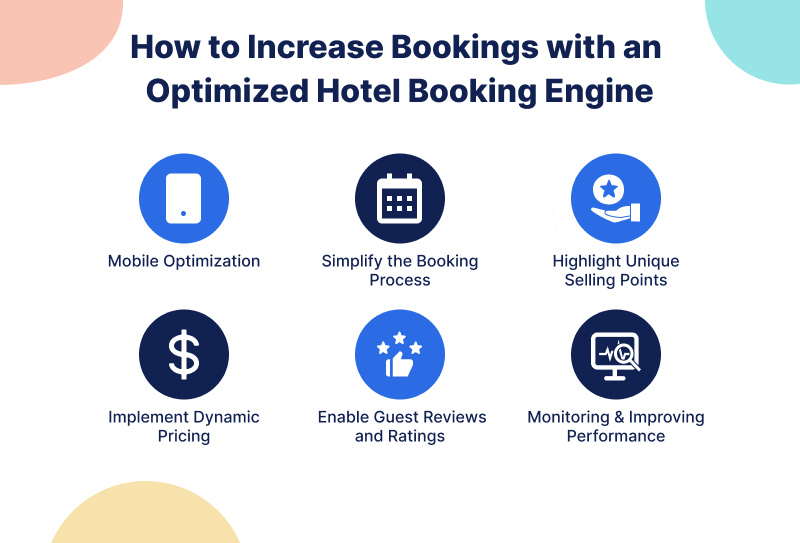
For example, do you really need the guest’s mailing address at booking, or could that be collected at check-in? If not essential, consider removing it to streamline the form. Many hotels see big improvements by collapsing a multi-step booking into a single-page checkout or by removing needless options. Also, ensure mobile users can easily book – check that your booking form is mobile-optimized with large buttons and that input fields are easy to tap (nothing worse than trying to enter dates on a tiny calendar that doesn’t scroll properly on a phone). One resort that revamped its booking interface by integrating it directly into the site (so guests could see room availability and prices without a separate portal) saw its conversion rate jump from 1.3% to nearly 7% – a fivefold increase in direct bookings. The lesson is clear: the easier and more intuitive you make it to complete a booking, the more bookings you’ll get.
Highlight Direct Booking Benefits
Travelers are always looking for the best deal and the most assurance. If they know they can get a special perk or a better experience by booking direct, they’re much more likely to do so. Thus, a key conversion strategy is to loudly and proudly advertise your “Book Direct” benefits throughout the website. These can be small extras that cost you little but add perceived value: for example, free breakfast, a welcome drink, free parking, Wi-Fi, late checkout, or a small resort credit – exclusively for direct bookings. Also, many hotels guarantee the lowest price on their own site (since OTAs require parity, you might match prices but then throw in an extra like “free spa access for direct bookings”). Make these benefits highly visible on the site, not just on the homepage but even as a reminder in the booking funnel. For instance, if someone is on the booking page, a little note saying “You’re getting the best rate here – guaranteed” or listing “Booking direct perks: [X], [Y], [Z]” can reassure and prevent second-guessing.
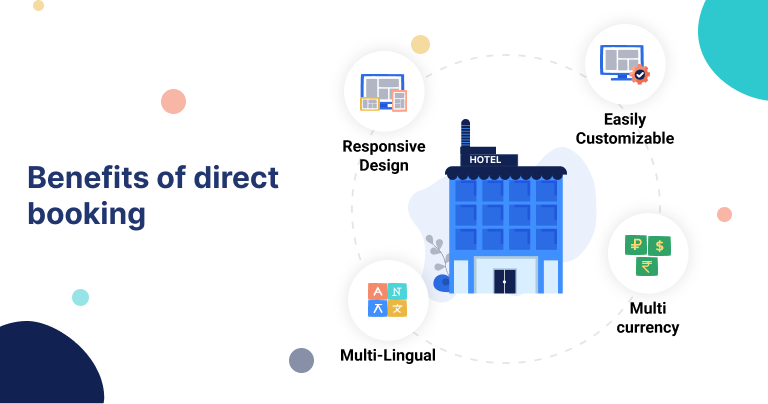
One study advises to let guests know what they gain by booking directly – be it best price, upgrades, or flexible cancellation – and to make this message visible throughout the booking journey, not only at checkout. Some hotels even use exit-intent popups: if a user moves to close the window or switch tabs, a message pops up saying “Wait! Book direct now and enjoy a free cocktail on arrival” – capturing their attention before they possibly wander to an OTA. The North Star Hotel case study did something similar by showing an exit-intent offer highlighting the exclusive benefits of booking direct to users about to leave, which helped keep more visitors in the funnel. The takeaway is, give travelers a concrete reason to book with you directly and remind them of it at critical moments. It builds confidence that they’re making the right choice and not “missing out” by skipping the OTA.
Use Urgency and Social Proof (Strategically)
People tend to follow the crowd and respond to urgency – it’s just human nature. When done honestly and sparingly, adding a touch of urgency or social proof to your website can tip undecided visitors into action. For example, showing a message like “Only 2 rooms left at this rate” or “120 people are viewing this hotel for your dates” can create a sense that your rooms are in demand. This must be used carefully – travelers are savvy and can smell fake urgency, so ensure any such messages are true (many booking engines will have a feature that displays real-time inventory or how many people are browsing). Similarly, showing recent bookings (“Just booked 5 minutes ago”) or how many others have booked today can reinforce that people are actively choosing your hotel. This leverages FOMO (fear of missing out) gently.
Social proof, on the other hand, includes things like guest reviews, ratings, and awards. Integrating those into your site builds trust. As mentioned earlier, having widgets or badges from TripAdvisor/Google, or simply a scrolling carousel of guest testimonial quotes, can reassure users that “others loved this place, so will you”. Trust is a huge factor in conversion. If a guest is on the fence, seeing a solid 4.5-star rating or reading a short rave review can push them over the line to book. One more trust element: security signals. Always run your site on HTTPS (secure), and consider displaying a small note like “Secure Booking – Your data is protected” at checkout. It might seem minor, but with all the stories of cyber issues, guests appreciate knowing their credit card info is safe. In summary, judiciously adding urgency (limited availability, time-limited promos) and amplifying social proof (real guest feedback, security badges) can increase the likelihood that visitors convert now rather than procrastinating or bouncing away.
Personalize the User Experience
Personalization isn’t just a buzzword; it can be a conversion game-changer. Hotels now have access to tools (some powered by AI) that allow dynamic personalization of website content based on guest behavior or profile. Even simple rules-based personalization can help. For example, if a user has visited your site before, your site can recognize this and display a “Welcome back! Ready to book your next stay?” banner – creating a warm, tailored feel. Or if the site detects the user is browsing from, say, Germany (via IP address), you might automatically show a message about your hotel’s services for European travelers, or even present prices in Euros if that makes sense. More advanced implementations involve AI chatbots and recommendation engines. An AI chatbot can engage visitors in real-time, answering common questions (“Do you have parking?”) and nudging them toward booking with reminders of direct perks.

These chatbots have shown promising results – one platform reported that AI chatbots helped convert 15% more visitors into bookers by capturing those who might not have otherwise made a reservation. Personalization also includes remarketing to visitors who started but didn’t complete a booking. If someone selected dates but left, you could send an email (if captured) or later show a targeted ad with a gentle reminder or a special offer. Even on-site, a clever tactic is to use a “save your search” feature, where guests can save their dates/room preference and receive a personalized email with a direct booking link to continue later. Additionally, consider tailoring content: a family browsing room pages might respond well to seeing a promo for your family package, whereas a solo business traveler might be more interested in a quick-book corporate rate. Some hotel websites now dynamically adjust featured offers based on user segments or behavior. The goal is to have the site feel less like a static one-size-fits-all brochure and more like a helpful concierge that anticipates needs. When done right, personalization makes the guest feel understood and valued, which in turn increases conversion and loyalty (guests will remember that your website made things easy or spoke to their interests).
Using Analytics and Tracking to Improve Results
You can’t manage what you don’t measure. That adage is especially true for hotel website marketing. To master your website’s performance, you need to embrace analytics and tracking tools. These will tell you what’s working, what’s not, and where you should focus your improvement efforts. In this section, we’ll cover how to set up essential analytics, what metrics to watch, and how to use tools like heatmaps to get insights beyond the numbers.
Start with Google Analytics 4 (GA4)
Google Analytics has long been the go-to for website tracking, and GA4 (the latest version) is particularly powerful for hospitality businesses. Begin by installing GA4 on your website (it’s free) and configuring it to track key events that correspond to the booking journey. For a hotel site, such key events typically include: clicks on the “Book Now” button, searches for availability, completion of booking (thank-you page or confirmation), and even clicks on phone number or email links (as some guests might call or email to book).
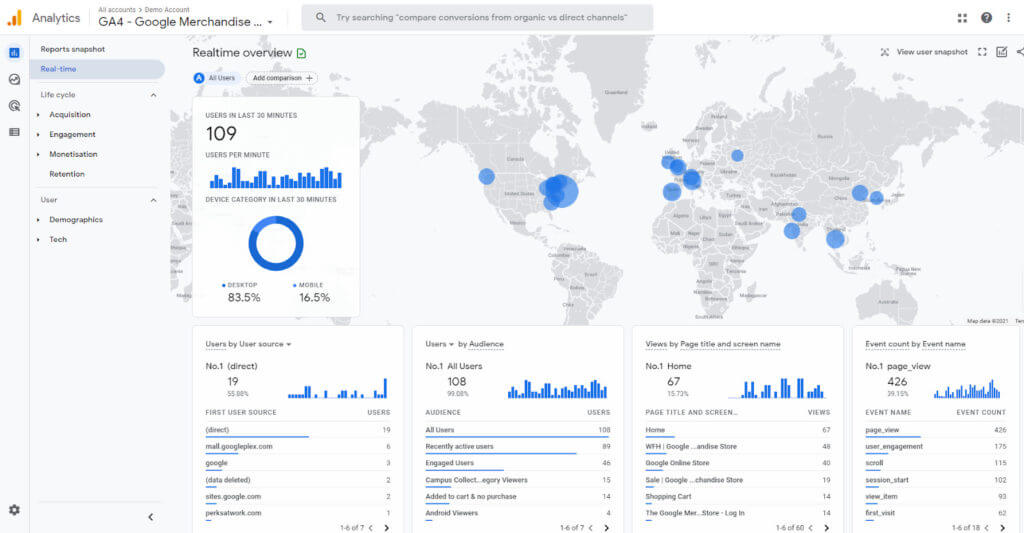
In GA4, you’ll mark the important ones as Conversions, so you can easily see the conversion rate and drop-off points. A critical setup step is if your booking engine sits on a separate domain (which is common, e.g., bookings.hotelname.com or a third-party domain). In that case, enable cross-domain tracking so that GA4 knows a user is the same person when they go to the booking engine and doesn’t count it as a new session. This ensures your funnel data isn’t broken – you want to see a continuous flow from landing page → search dates → select room → confirm booking. Without cross-domain tracking, you might lose visibility into that funnel. Also, work with your booking engine provider to pass back booking values into GA4 (so you can see revenue data, not just counts of bookings). Some engines offer seamless integration, others might require adding a tracking pixel or enabling Google Tag Manager on the confirmation page. The effort is worth it: once GA4 is properly set up, you’ll have a clear picture of your conversion rate, which channels drive the most bookings, and how users move through your site.
Understand Your Conversion Funnel
Using GA4 (or other analytics), set up funnel reports that map out each step of the online booking journey. For example, Step 1: Homepage or Landing Page → Step 2: Search Availability → Step 3: View Room Options → Step 4: Enter Guest Details → Step 5: Confirmation. By looking at where users drop off the most, you can identify friction points. If a huge portion of visitors leave after searching availability but before selecting a room, maybe your room pages aren’t convincing or your rates aren’t clearly displayed.
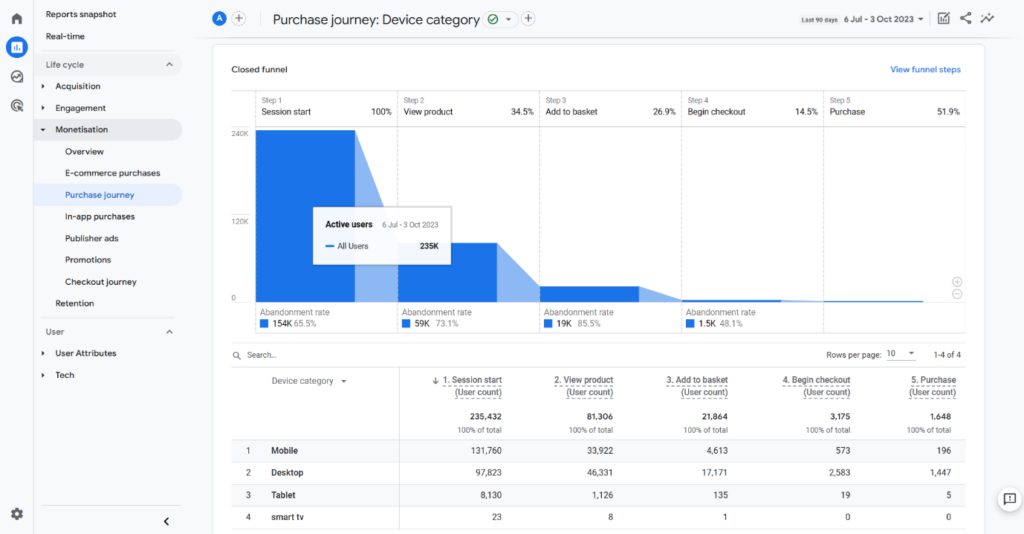
If they drop off on the guest details page, perhaps the form is too long or they got cold feet about final price. Analytics funnels highlight these problem areas quantitatively. An example benchmark: if 100 people click “Book Now”, 80 select a room, 50 proceed to enter details, and only 20 complete the booking, you have significant leaks at each stage. You’d then hypothesize reasons (e.g., maybe the 30 who didn’t go to details were turned off by an unexpected fee showing up) and try to address them. Compare funnels across devices too – sometimes mobile users drop off more if the experience is worse there, indicating you need to optimize mobile forms or speed.
Leverage Heatmaps and Session Recordings
Web analytics can tell you the what (e.g., 80% drop-off at step 2), but not always the why. This is where qualitative tools like heatmaps and session recordings come in. Services like Hotjar or Microsoft Clarity (which is free) allow you to visualize how users interact with your pages. A heatmap might show, for instance, that on your homepage most people are clicking on the “Rooms” menu item and not the “Special Offers” section at all – maybe your offer is not enticing or not clearly presented. Scroll heatmaps show how far down people scroll; you might discover that only 25% of visitors scroll far enough to see your testimonials section – so perhaps move that section higher up. Session recordings let you watch anonymized replays of actual user sessions.
This can be eye-opening: you might observe several recordings and notice users repeatedly clicking a non-clickable element (indicating frustration or a false expectation), or confusion in navigating the gallery, etc. For example, a recording might reveal that users often try to click on a room photo expecting it to enlarge, but your site didn’t offer that – insight that you could add a photo lightbox to meet that expectation. Or you might see that many users hesitate at the booking form, possibly trying to find info about cancellation policy – a cue to make that info clearer. These behavioral insights uncover friction points that raw analytics numbers can’t. Often, just watching a handful of real user interactions can give you ideas for UI improvements.
Key Metrics to Watch
In addition to the conversion rate (overall and by device/traffic source), pay attention to metrics like bounce rate (how many people leave after one page), time on page, and page load times. A high bounce rate on your homepage could indicate the page isn’t relevant to what visitors expected (or it’s slow). Maybe your Google snippet promises “Luxury Paris Hotel” but the homepage doesn’t immediately show something related, causing people to leave.
Site speed metrics are also available in Google Analytics or PageSpeed Insights – if your pages are averaging, say, 5-6 seconds to load on mobile, that’s a red flag. Also track conversion by channel: you might find that your email campaigns convert at 5% while social media traffic converts at 0.5%. This guides where to invest your marketing efforts and also sets expectations. Another useful metric is the look-to-book ratio for different segments (e.g., desktop vs mobile). If mobile conversion is significantly lower, it reinforces focusing on mobile UX improvements.
Iterate and Improve
The true power of analytics is in driving continuous improvement. Treat your website as a living project. Set aside time each month to review GA4 dashboards and any new heatmap data. See if changes you made last month improved the numbers. For instance, maybe you simplified the booking form – did the funnel completion rate go up? Or you added more photos to room pages – did the time on those pages increase, and are people proceeding to booking at a higher rate? Use A/B testing for bigger changes if you can (Google Optimize was a popular tool; although it’s sunset, alternatives like VWO or Optimizely exist). Test one thing at a time: perhaps two different versions of a landing page, or two variants of a CTA text. This experimental mindset ensures you’re basing decisions on data, not hunches.
Also, don’t forget to set up goals and KPIs for your website marketing. It could be as straightforward as “increase conversion rate from 2% to 2.5% in the next 6 months” or “increase monthly direct booking revenue by $X”. By monitoring these goals in analytics, you can celebrate wins or spot issues early and adjust. Over time, you might notice seasonal patterns too – maybe your conversion rate dips in summer when a lot of casual browsers come, but spikes in winter for holiday bookings. Knowing this, you can plan campaigns or website content updates around those trends.
Success Stories: Hotels Winning with Website Marketing
Nothing drives a point home better than real-world results. Many hotels around the globe, big and small, have reaped substantial rewards by improving their websites and digital marketing – often in the form of higher direct bookings and revenue. Let’s look at a few success stories that illustrate what’s possible when you master hotel website marketing:
Boutique Hotel Boosts Bookings by 43% with a Redesign
The Goodwin, a stylish boutique hotel in Hartford, Connecticut, decided to overhaul its aging website with a fresh, modern design focused on better UX and SEO. The new site showcased gorgeous photography, had intuitive navigation, and prominently featured social proof like guest reviews and press mentions. Crucially, the “Book Now” function was made constantly visible via a sticky header, and the content was optimized with relevant keywords and informative copy. The impact?
After launching the redesigned site, The Goodwin saw its conversion rate jump by 31.8%, leading to 43.7% more bookings and a 42.9% increase in revenue. And this wasn’t just due to more traffic (traffic only rose ~9%) – it was primarily that visitors were far more likely to book than before. By combining technical excellence (fast, mobile-friendly pages) with compelling content and a frictionless booking process, the hotel transformed its website into a direct booking powerhouse. This case underscores that even independent hotels can dramatically improve direct revenue with the right website strategy.
Resort Achieves 5× More Direct Bookings with Integrated Booking Experience
Ashore Resort & Beach Club in Maryland undertook a major initiative to reduce booking abandonment on its website. They noticed that previously, when guests clicked “book,” they were sent to a generic third-party booking engine page, and only about 1.33% of those visitors actually completed a reservation – meaning nearly 99% were dropping off. By integrating a new booking engine (Safara) directly into a redesigned front-end (using a “Guest Experience (GX) design methodology”), they were able to display real-time room availability and prices within the main website pages. Guests no longer felt tossed into a different system – each room type had its own page with all details (photos, amenities, pricing) and the ability to select dates right there.
The results were astonishing: The conversion rate of lookers to bookers went from that 1.33% up to roughly 7% over the course of the improvements – a five-fold increase in direct booking conversion. In practical terms, if they were getting $100k/month via direct bookings before, they could now be getting $500k/month at the improved conversion level. This example highlights how eliminating friction and keeping the user in one cohesive experience (no jarring redirects, full info at their fingertips) can massively improve outcomes. It also shows the importance of technology: choosing a booking engine that supports integration and a website design that surfaces the info travelers want (room details, availability, pricing) seamlessly.
Marketing Campaign Shifts Bookings from OTAs to Direct
A hotel case study shared on eHotelier demonstrated the power of targeted digital marketing combined with a strong website. The hotel was losing ground to OTAs and wanted to win more “research phase” travelers directly. By running smart paid search campaigns focused on non-branded keywords (catching people searching generally for hotels in their area, before they got to an OTA) and sending them to a tailored landing page on the hotel’s site, they managed to significantly shift the booking pattern. Over the campaign period, the property saw a +13% increase in bookings through its direct channels and a 10% reduction in OTA bookings compared to the previous period. Essentially, they intercepted customers earlier in the funnel and brought them to the hotel’s own website, where engaging content and offers then converted them. The takeaway here is that a well-optimized website pays dividends when combined with active marketing: it’s like having a great store – once you send more people to it (via SEO or ads), the sales multiply. Without a solid site, the marketing spend might have led to bounces or OTA redirects; with a solid site, it led to more direct revenue.
Major Brands vs Independent Hotels
It’s also illustrative to consider industry-wide “case studies.” Major hotel chains have invested heavily in their direct booking platforms and loyalty programs – and it shows in the numbers. On average, the big chains (Marriott, Hilton, etc.) enjoy a positive ratio of direct to indirect bookings, often around 3:1 or 4:1 in favor of direct channels. This means for every booking they get via an OTA or other intermediary, they get 3–4 bookings through their own website or call center. These chains achieve this through strong loyalty incentives (member-only rates, points), aggressive marketing of their apps and sites, and continual web optimization.
Contrast that with many independent hotels, which might find that only ~20% of their online bookings are direct, and the rest come through OTAs – a ratio of 1:4 or 1:5, the reverse of the big chains. The difference isn’t necessarily that guests dislike booking direct with independents; often, it’s because independents historically under-invested in technology and digital marketing. However, the playing field can be leveled. We’ve seen independent properties like The Goodwin or Ashore Resort (above) make direct channel gains that rival what big brands do, by smartly investing in their websites. The lesson for an independent hotelier is encouraging: with focus and the right strategy, you too can capture a larger share of direct bookings, even without the mega loyalty programs – through an excellent website experience and targeted marketing.
Content Marketing Payoffs
Another success thread comes from hotels that have embraced content creation. For example, a hotel that consistently blogged about its destination and experiences found that those blog pages started ranking well on Google, bringing in thousands of additional visitors each month. Many of these visitors were early in their trip planning (e.g., reading about the destination’s attractions), but because the hotel provided valuable info, these readers then clicked over to check the rooms or offers.
Over time, this strategy can establish the hotel’s site as an authority and funnel more direct leads. While exact numbers are proprietary, one could point to a scenario where, say, a hotel’s “City Guide” blog section drove a 20% increase in organic traffic and a noticeable uptick in direct bookings (especially for guests who cited the helpful content as a reason for trusting the hotel). Content builds a relationship that later translates to revenue – a more long-term but sustainable win.
Challenges and Tips for Building or Upgrading Your Hotel Website
Implementing all the strategies in this guide may sound ideal, but let’s face it – hotel owners and managers often encounter real-world challenges when building or revamping a website. Budget constraints, lack of technical know-how, time pressures, and rapidly changing technology are just a few. In this final section, we’ll address some common challenges and provide tips to overcome them, so you can move forward confidently with improving your site.
Challenge 1: Limited Budget and ROI Concerns
“Is it worth spending on my website when OTAs already bring bookings?” This is a frequent dilemma, especially for smaller hotels. It’s true that building a high-quality site (or hiring professionals to do so) requires investment. However, consider it this way: the money you put into your website is an investment into an asset you own, rather than paying perpetual commissions to OTAs. As discussed, direct bookings save you 15-30% per booking in fees – that’s revenue that can quickly recoup web development costs. One industry insight pointed out that hoteliers historically spend less than 2.5% of revenue on marketing and around 2.5% on technology, whereas OTA giants spend vastly more (Expedia reportedly spends over 50% of revenue on marketing!). Underinvesting in your direct channel is a false economy; it leads to over-reliance on third parties.

Tip: Allocate a reasonable budget for a website upgrade, viewing it as a revenue-generation project. If cash is tight, prioritize changes that directly impact conversion (e.g. better booking engine or mobile fix) over cosmetic changes. Also, many modern website solutions are modular – you can start with a template or a cost-effective platform and upgrade over time. Keep the long-term ROI in mind: even a modest increase in direct bookings can pay back the website costs within months. If you can reduce OTA dependence by, say, 10% through a better site, that could mean tens or hundreds of thousands saved in commissions yearly for a mid-sized hotel. That’s worth the upfront cost.
Challenge 2: Lack of Technical Expertise
Many hotel managers are not tech experts, and the prospect of overseeing a website project or dealing with analytics can be daunting. There’s also a risk of making wrong technical choices (wrong content management system, poor booking engine integration, etc.). Tip: Don’t go it alone. Consider partnering with a digital agency specialized in hospitality or a consultant who can guide your strategy. If that’s not feasible, leverage the wealth of free resources and communities available – for instance, the HospitalityNet and HotelTechReport websites often have guides and discussions about hotel web tech. When selecting technology (CMS, booking engines, plugins), opt for popular, reputable options with strong support.

Many providers offer all-in-one solutions for hotels that bundle design, booking, and even content updates. While those may have monthly fees, they simplify the workload. Also, take advantage of free trials or demos – get a feel for a system before committing. Importantly, ensure you own your domain name and content; avoid setups where you could lose your site if you switch vendors. And if you’re not comfortable reading analytics reports, ask a team member who is, or use the simpler dashboards many tools now provide (GA4, for example, can send you a concise email summary of key metrics). Over time, you’ll gain familiarity. Remember, every hotelier can learn the basics of digital – you learned how to interpret a P&L or a STR report; a Google Analytics chart is not much different once explained.
Challenge 3: Keeping Content Fresh and Relevant
Building a great website isn’t a one-and-done task. One challenge owners face is the ongoing need to update content – whether it’s rates and packages, new photos, blog posts, or local COVID policy changes as we saw in recent years. It can feel overwhelming if you don’t have a marketing team. Tip: Develop a content calendar and schedule manageable tasks. You don’t have to blog every day; perhaps commit to one article every two weeks, or one newsletter a month. Assign someone on staff who has a knack for writing or photography to be the “content champ,” even if it’s a small part of their job. You can also repurpose content across channels: a blog post can be trimmed into social media posts, or expanded into a guide.

Use guests’ frequently asked questions as inspiration for content – if people often ask about area attractions or parking or pet policies, make sure your site addresses those clearly (an FAQ section can be very useful). Additionally, consider that content isn’t just text. Updating your gallery with recent photos (especially if you renovate rooms or add amenities) is crucial – stale or outdated images can hurt bookings if reality on arrival doesn’t match. If professional photography is too pricey, modern smartphones and some editing can produce decent results; just ensure consistent lighting and show rooms as they are. Also, encourage user-generated content to ease your burden: for instance, run an Instagram hashtag campaign and feature winners on your site – that’s fresh content you didn’t have to create from scratch. The effort you put into content pays off by improving your SEO and giving travelers reasons to spend more time on your site, which increases the chance they’ll book.
Challenge 4: Competition and OTA Dominance
It can be discouraging to polish your website only to find that OTAs still outrank you on Google for your own hotel name, or that travelers still check prices on OTAs. Large OTAs have huge marketing budgets and technical teams – a reality we can’t ignore. Tip: Instead of trying to fight OTAs head-on in broad areas, find your niches and leverage your uniqueness. Focus on SEO for specific, less competitive keywords (like long-tail keywords: not just “hotels in Paris” but “boutique art deco hotel in Montmartre”). Your blog can target niches that OTAs won’t cover in depth (e.g. “5 Best Hidden Cafes near [Your Hotel]”). When guests do land on your site, wow them with a personalized, rich experience OTAs can’t offer – OTAs can’t show a video from your general manager welcoming guests, or a detailed story of your hotel’s history, or a virtual tour of your spa. You can. Also, double down on loyalty and direct perks – OTAs can’t easily match things like a free room upgrade for repeat guests or a local welcome treat. Many hotels have introduced simple direct-booking loyalty programs (you could even call it a VIP club) that gives returning direct bookers a discount or added benefit.
This can encourage guests to come straight to your site next time. Finally, maintain rate parity or better on your site. While you might be locked into parity clauses with OTAs (meaning you can’t undercut their price publicly), you can often offer packages or extras that effectively give better value on your site. Ensure that a traveler comparing your site and an OTA has no reason to pick the OTA on price or convenience. If your site shows the same rate but with breakfast included (and the OTA is room-only), the savvy guest will choose direct. Reducing OTA dominance is a gradual process, but each direct win is one less commission and one more loyal guest in your database.
Challenge 5: Global Audience Needs
In a globalized market, you might be attracting visitors from many countries. A challenge arises in making your website suitable for international guests – language, currency, cultural expectations, etc. If your site is only in English, for example, you could be turning away a huge portion of potential guests who can’t comfortably navigate it. According to research, about 75% of the world’s population does not speak English, and travelers are far more likely to book on a site presented in their own language.

Tip: Identify your top 2–3 guest nationalities and consider translating key parts of your website for them. Even a partial translation (like having your homepage, room pages, and booking engine available in Spanish, Chinese, etc.) can significantly increase trust with international visitors. If they can read about your hotel in their native language, they’re more likely to book directly rather than go to an OTA that supports their language. Many modern website builders or agencies offer multi-language support. Make sure your booking engine also supports those languages and displays prices in relevant currencies. Additionally, be mindful of cultural differences – for instance, international guests might value certain amenities (like kettles in rooms, or multi-lingual staff) that you can highlight to them. And as always, ensure your site is accessible globally – meaning good hosting for decent load times overseas, and content that doesn’t inadvertently offend or confuse (imagery, symbols, etc., can have different connotations). A multilingual, globally-friendly website basically says “you’re welcome here” to the world, as one hospitality writer put it, and can markedly broaden your market reach.
Challenge 6: Continuously Evolving Tech Landscape
Web standards and consumer tech change fast. Today it’s mobile-first, tomorrow it’s voice search or AI chatbots or whatever trend comes. It can feel like hitting a moving target. Tip: You don’t have to chase every shiny new thing, but do keep an eye on major shifts. For example, ensure your site is compatible with voice search queries (often longer, question-based queries) by incorporating FAQ-style content – many people now say “Hey Google, find me a hotel near the Eiffel Tower with free parking,” and having that phrase on your site could help you appear. Likewise, keep your software up to date (if you run WordPress or another CMS, apply security updates; if you use third-party widgets, update them too) – not just for features but for security and speed improvements. One practical tip: schedule a site refresh or audit every 2-3 years. This doesn’t mean a full redesign each time, but at least review the design and tech – is it feeling outdated compared to competitors? Are all plugins still supported? Treat it like property maintenance for your digital asset. Engaging with industry communities (like forums, LinkedIn groups for hotel marketers) can keep you informed about what’s working for others.
Conclusion
In the end, the goal isn’t just a higher conversion rate or more traffic – it’s what those metrics represent: more happy guests who had a smooth booking experience and are excited about their stay. That’s the real win. A well-marketed website creates a virtuous cycle: it brings in guests who have a great stay, they leave good reviews, those reviews feed back into your site’s content and credibility, attracting even more guests. So invest the effort into this digital asset of yours. Be patient, be creative, and stay informed. The web is the global lobby of your hotel – make it welcoming, make it effective, and watch your direct bookings thrive. Here’s to turning your hotel’s website into a direct booking powerhouse and an engagement hub, helping your business flourish in the global hospitality arena.