
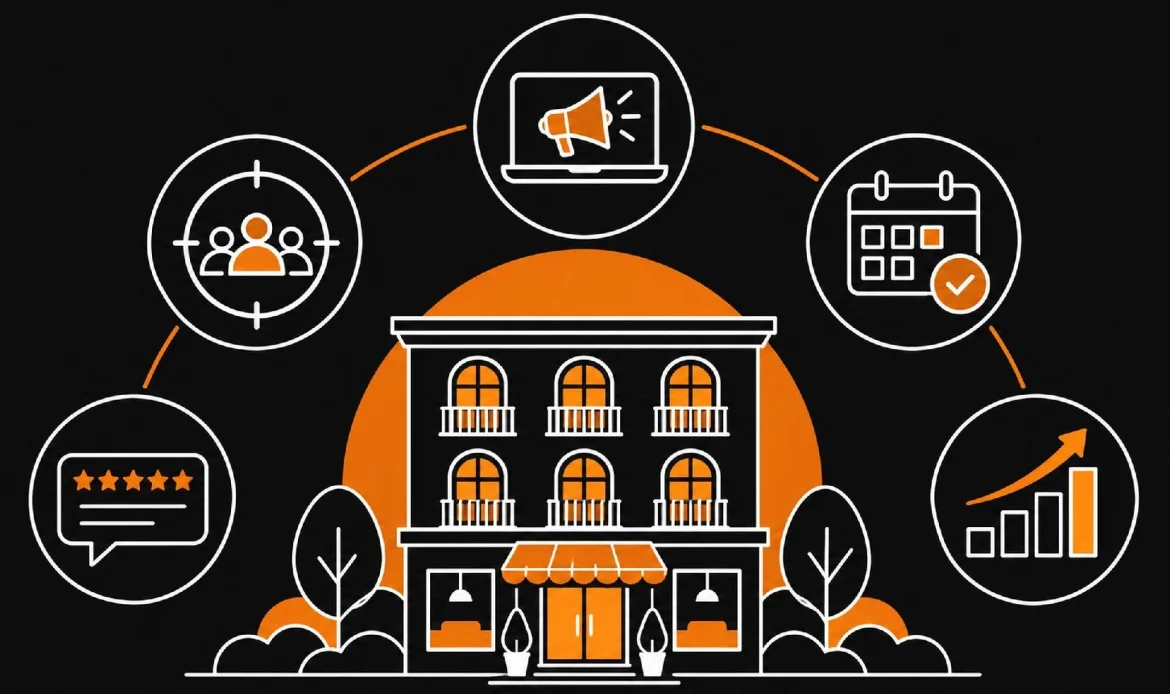
Smaller hotels, independent bed and breakfasts, and boutique inns face a notoriously tough challenge: competing with massive multinational chains that command multi-million dollar budgets and instant global brand recognition. Yet, small hotel marketing tools—ranging from cost-effective social media schedulers to specialized, high-converting booking engines—can completely level the playing field. By strategically deploying these tailored digital tactics, independent owners and managers can differentiate their properties, attract loyal guests, and foster a meaningful, highly personalized experience that keeps travelers returning.
The key to digital success is not blindly flooding social media with generic content. It is about deliberately choosing marketing tools that reinforce your unique brand story and help you connect genuinely with potential guests before they arrive.
In this comprehensive guide, we will examine the specific tools that help small hotels boost their digital visibility, highlight potential operational drawbacks, and detail exactly how best to apply them for maximum financial return. Whether your property is a secluded seaside bed and breakfast or a cozy mountain lodge, these software solutions can amplify your digital presence, bypass expensive OTA commissions, and cultivate lasting guest relationships.
Introduction: The Digital Challenge For Independent Hoteliers
For many small hotel owners, navigating the digital marketing landscape can feel overwhelming. There is immense, constant pressure to stay updated on the latest social media algorithms, achieve top organic placements on search engines, and respond instantly to traveler demands for personalized offers. Meanwhile, you must simultaneously juggle exhausting day-to-day operational tasks like housekeeping management, reservation processing, and frontline customer service.
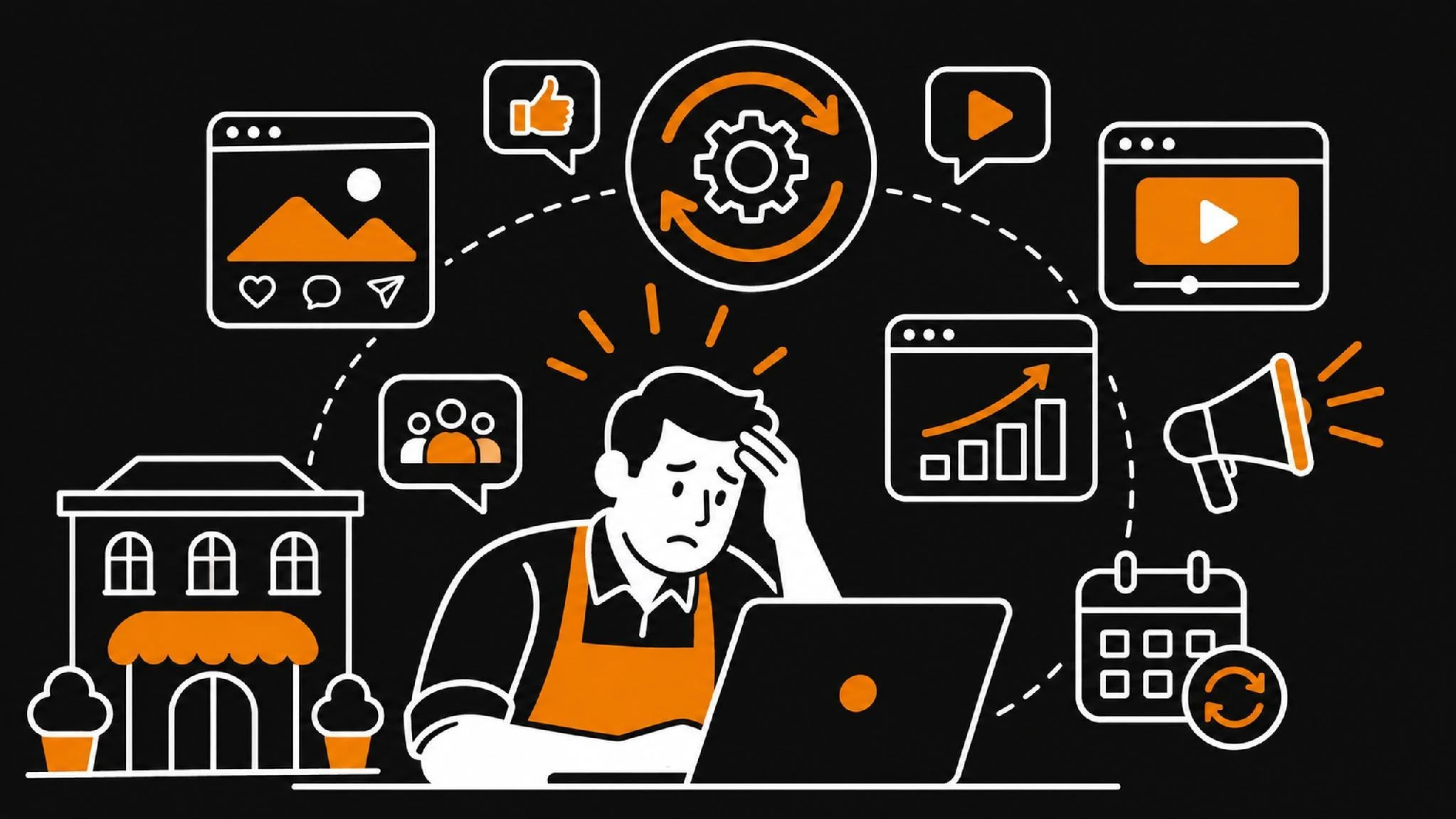
That is exactly where small hotel marketing tools step in to automate repetitive key processes, deliver actionable data-driven insights, and seamlessly unify your brand messaging across multiple platforms.
At their core, these digital tools can range from simple, free social media dashboards to fully integrated Property Management Systems (PMS) equipped with sophisticated built-in marketing automation modules. By thoughtfully adopting a well-selected suite of digital applications, you can refine your guest acquisition approach, track your Return on Investment (ROI) far more accurately, and highlight the unique, localized charm that sets your hotel completely apart from standardized, corporate chain offerings.
Frequently Asked Questions About Marketing Technology
Before investing capital in new digital platforms, many independent operators have valid concerns regarding cost, integration, and brand identity.
“Do I really need specialized hotel marketing tools if I already use generic apps?”
Yes, absolutely. While general social media platforms and basic email providers help maintain a baseline presence, specialized hotel solutions tackle complex industry-specific needs. This includes dynamic channel management, direct booking engine enhancements, and integrated pre-arrival guest communications that generic apps simply cannot process efficiently.
“Can these tools completely replace having a dedicated marketing manager?”
No. These software platforms brilliantly automate repetitive administrative tasks and surface critical data insights, but active human oversight remains the key to success. A professional marketer or dedicated agency is required to interpret that data, craft compelling creative campaigns, and ensure the personal, empathetic touches that define independent hospitality remain intact.
“Are small hotel marketing tools financially expensive?”
Not necessarily. The hospitality technology market is highly competitive, and many software solutions cater specifically to smaller operational budgets. Some platforms offer free entry-level tiers or flexible pay-as-you-grow commission models, making enterprise-grade technology highly accessible to smaller, independent properties.
“Does using a standard tool limit my property’s unique creativity?”
Not if utilized correctly. Most reputable platforms allow you to deeply customize frontend branding elements, color palettes, high-resolution images, and direct messaging templates. The underlying software architecture merely supports your creative direction, ensuring your unique brand narrative is delivered seamlessly to the consumer without technical friction.
“Is it difficult to integrate these marketing tools with my current PMS?”
Integration depends heavily on the specific software architecture of your current Property Management System. Many modern software vendors focus heavily on creating Open APIs to reduce setup headaches and facilitate seamless data sharing. Always verify a new marketing tool’s API compatibility with your existing PMS before signing any long-term software contracts.
Top Small Hotel Marketing Tools Defining 2026
To build a robust digital marketing ecosystem, independent hoteliers must deploy a carefully curated combination of software solutions designed to capture and convert guest demand.
1. Channel Management Software
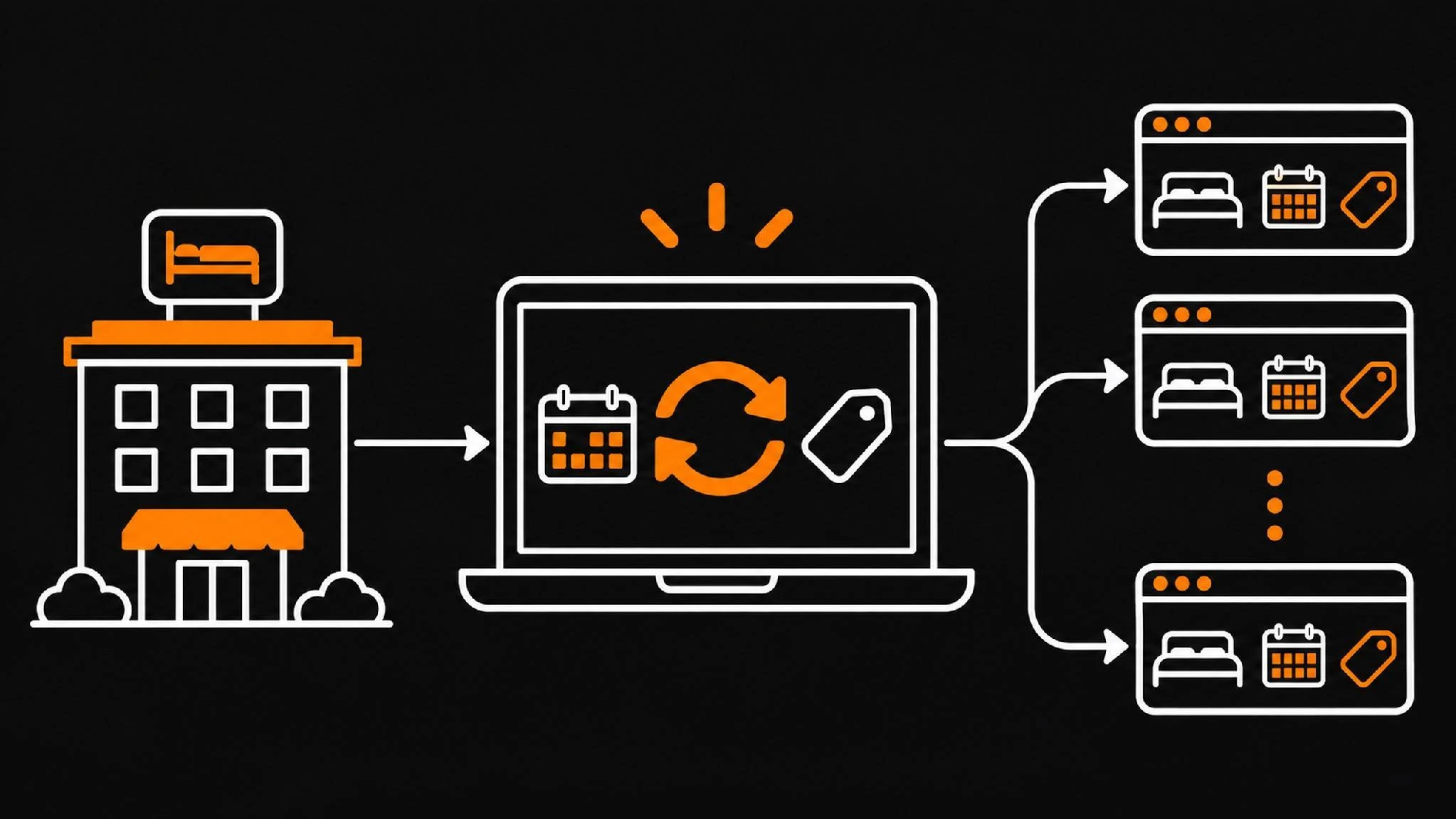
A sophisticated channel manager synchronizes your live room rates and physical inventory availability instantly across dozens of Online Travel Agencies (OTAs) like Booking.com, Expedia, or Airbnb.
- Key Benefit: By distributing inventory from a centralized, pooled database, channel managers drastically minimize the risk of catastrophic double bookings while automatically updating your inventory across the web in real-time.
- Possible Drawback: Some free or highly discounted, low-cost channel management tools severely limit the number of connected OTA channels or lack advanced, algorithmic revenue management features necessary for maximizing average daily rates.
2. Social Media Schedulers
Social media schedulers allow lean marketing teams to plan, edit, and automatically publish posts across Instagram, Facebook, TikTok, and X (formerly Twitter) from a single centralized dashboard.
- Key Benefit: This software keeps your social feed highly active and visually engaging with minimal daily time input. It allows managers to queue seasonal promotions, high-quality architectural photos, or behind-the-scenes staff glimpses weeks in advance.
- Possible Drawback: Severe over-scheduling can quickly make your brand appear robotic, sterile, and out of touch if you do not actively mix in real-time community engagement and respond authentically to user comments.
3. Email Marketing Automation Platforms
Email marketing platforms are utilized to craft visually stunning monthly newsletters, automated pre-arrival drip campaigns, or targeted post-stay feedback follow-ups.
- Key Benefit: Highly personalized email outreach fosters deep guest loyalty and allows properties to seamlessly upsell ancillary packages—such as romantic spa treatments, early check-in, or guided local tours—completely commission-free.
- Possible Drawback: Over-emailing can easily annoy guests and trigger high unsubscribe rates. The email content must be deeply relevant, timed perfectly around their stay, and provide genuine value rather than being overly promotional.
4. Website Builder With A Native Booking Engine
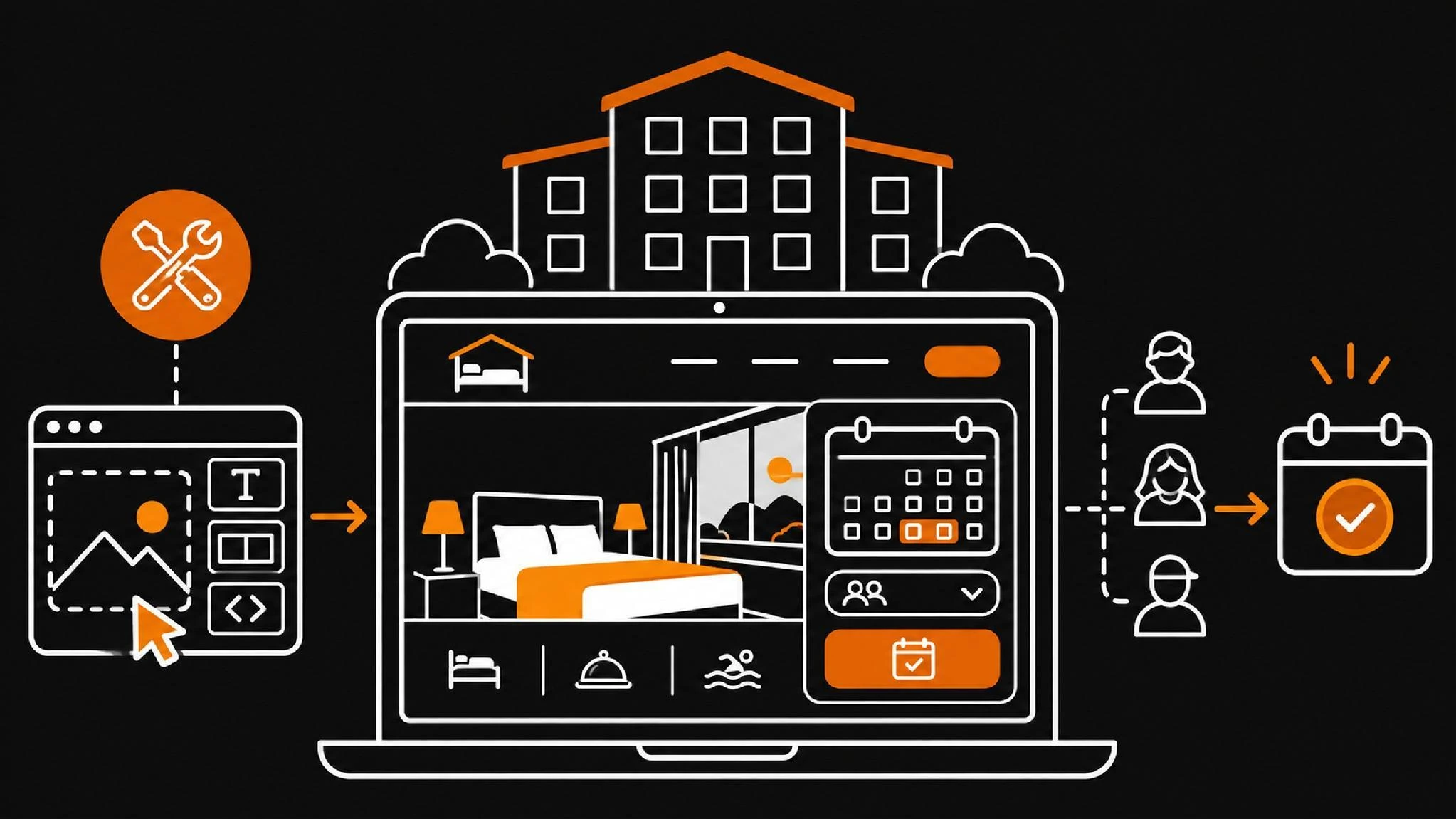
Your official website is the ultimate digital destination for your brand. Specialized website builders must feature an integrated, high-converting booking engine to capture direct reservations securely.
- Key Benefit: A flawless proprietary booking engine significantly enhances direct, commission-free bookings, allowing you to completely bypass expensive third-party OTA fees that heavily erode your gross operating profit margins.
- Possible Drawback: Relying on basic, free-tier generic website builders often forces properties to display unwanted third-party platform branding or severely lack the advanced, localized SEO tools required to rank competitively on Google.
5. Local SEO Management Tools
Local SEO tools are designed to monitor, update, and optimize your property’s digital listing across Google Business Profiles (GBP), TripAdvisor, Yelp, and niche regional travel directories.
- Key Benefit: Proper Local SEO management ensures your property gains massive visibility when high-intent travelers actively search for terms like “small hotels near me,” “pet-friendly boutique inns,” or “weekend getaways in [City].”
- Possible Drawback: Maintaining these profiles is not a set-and-forget strategy. Achieving top rankings requires consistent weekly input—such as actively responding to all guest reviews, uploading fresh photos, and maintaining absolute Name, Address, and Phone number (NAP) consistency.
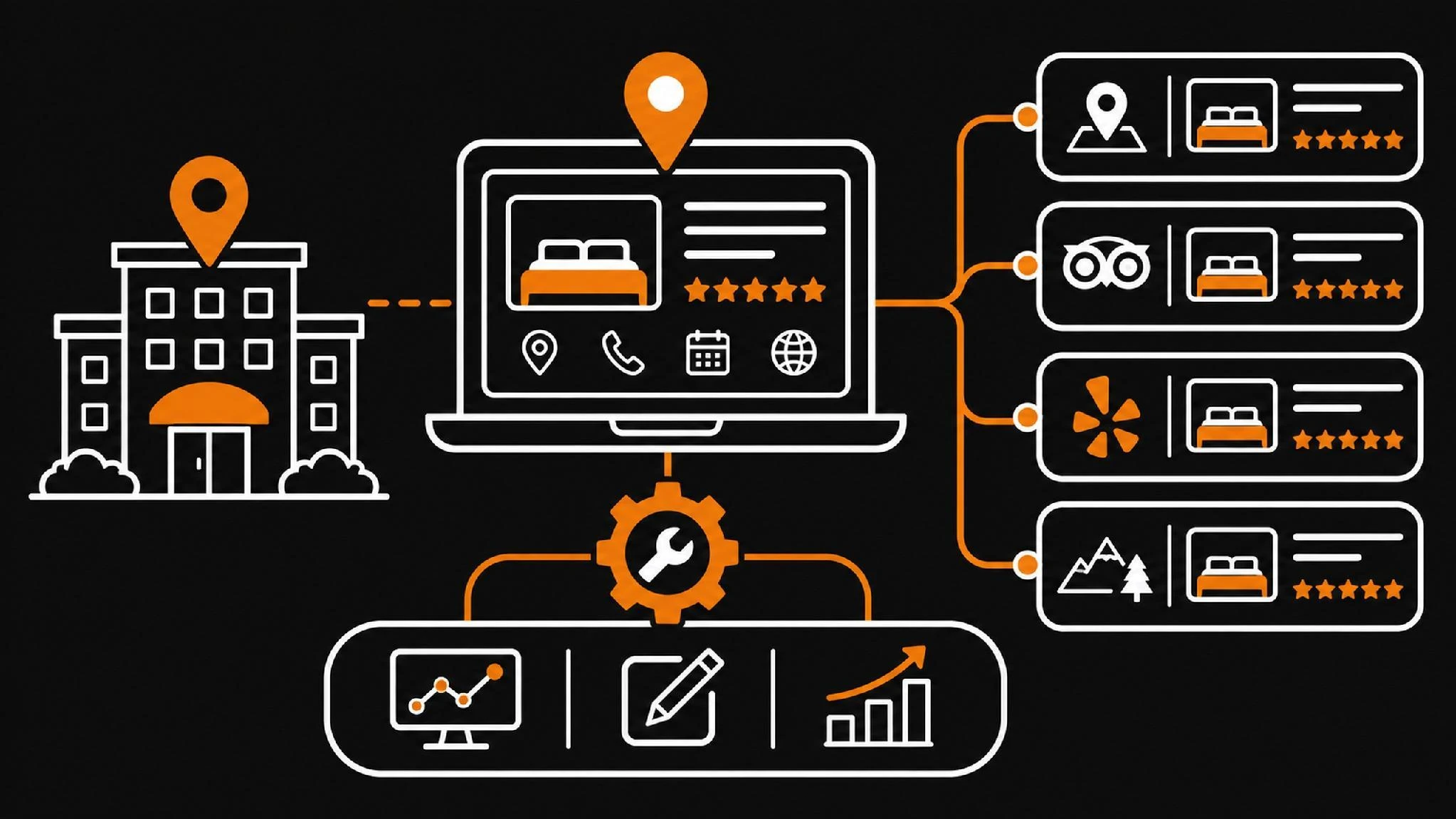
No single software tool handles every marketing angle perfectly. Success requires finding distinct solutions that complement your existing operational systems and powerfully highlight your property’s distinctive vibe.
Potential Drawbacks Of Budget Software Solutions
While affordable marketing tools are highly accessible, hoteliers must be acutely aware of the operational limitations inherent in budget-friendly software tiers.
Limited Data Analytics And Reporting
Some free or entry-level marketing tools severely lack deep, customizable analytical insights. If a platform only provides basic click-through rates, you might fail to glean robust data regarding your audience’s actual purchasing behavior or the true financial ROI of your advertising campaigns. Incomplete data leads to misinformed marketing budget allocations.
Steep Learning Curves And Staff Training

Even supposedly user-friendly platforms require a baseline of technical training. If your front desk or administrative staff lacks general digital know-how, you risk severely under-utilizing the expensive software features. A powerful CRM tool is functionally useless if the staff refuses to update guest profiles properly due to an intimidating interface.
Severe Integration Hurdles
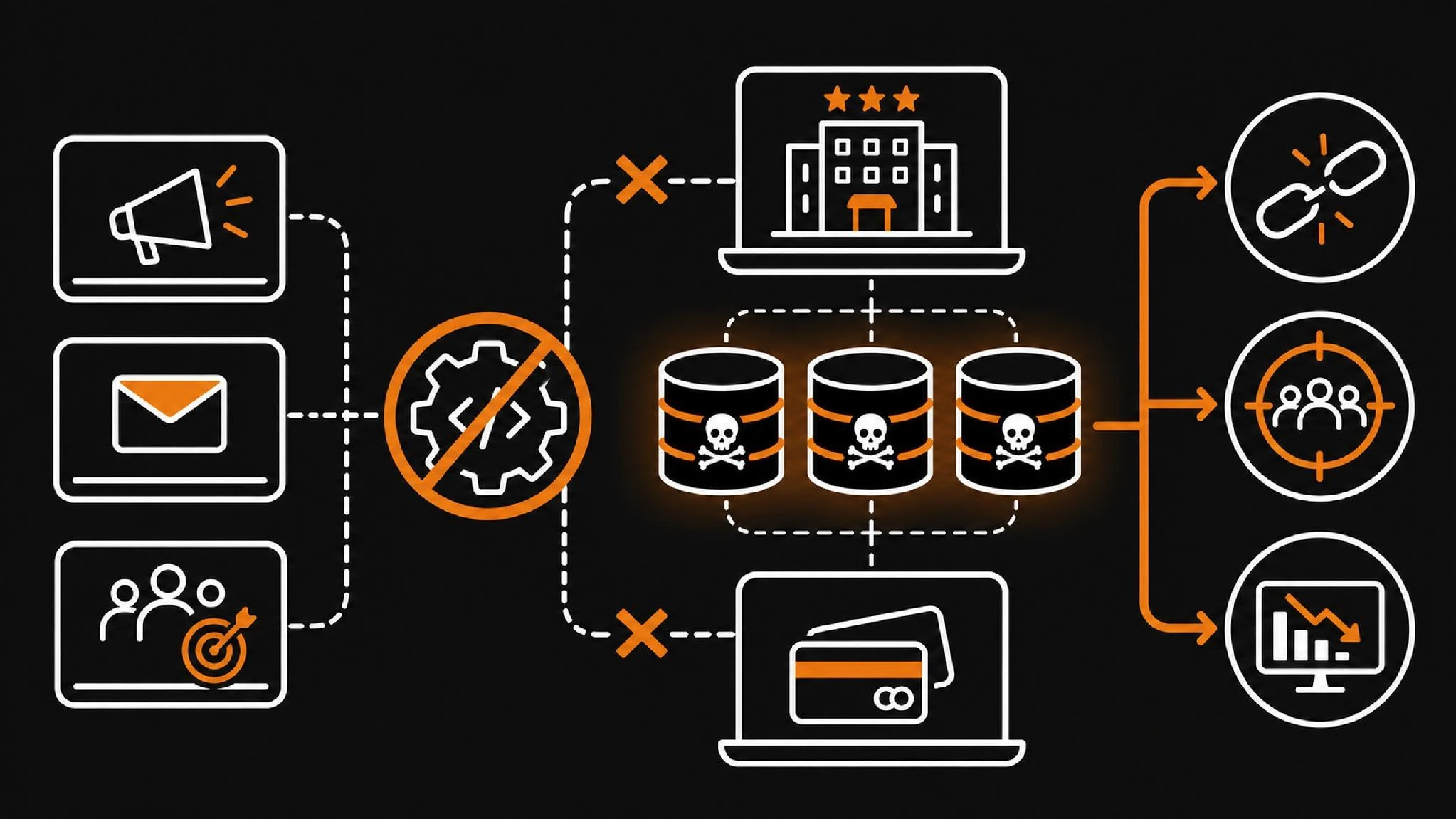
Marketing tools that do not seamlessly sync with your primary PMS or your central payment processing system create toxic data silos. When software platforms cannot communicate via open APIs, your staff is forced to execute tedious, manual data entry updates, which inevitably introduces devastating human errors into your financial reporting.
Excessive And Impersonal Automation
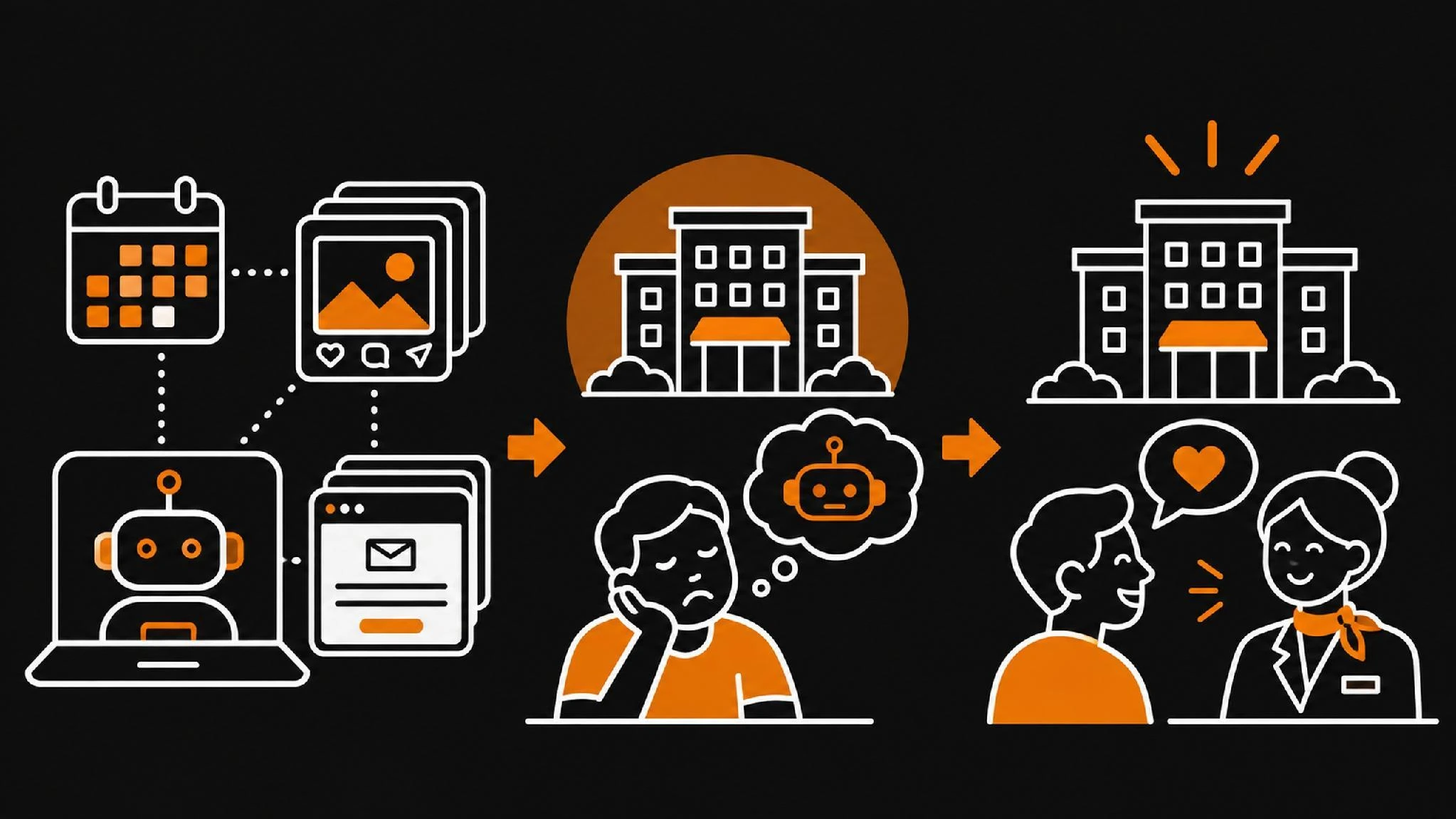
Over-reliance on scheduled, generalized social media posts or robotic, templated email auto-responses can rapidly make your independent brand appear entirely impersonal. The primary advantage of a small hotel is its warm, localized charm. Balance is absolutely key; automation must handle the heavy administrative lifting so humans can provide empathetic, high-touch service.
The Trap Of Hidden Subscription Costs
Many platforms utilize a “freemium” business model, enticing properties with a free basic tier while hiding vital functionality behind expensive paywalls. These tools frequently push you aggressively to upgrade to expensive premium tiers for essential features like advanced post scheduling, multi-channel OTA connections, or removing unwanted vendor logos from your booking engine.

Always clearly define your main commercial objective—be it aggressive direct booking growth, improved social media aesthetics, or long-term loyalty building—before selecting a tool. That absolute clarity ensures your chosen digital platform aligns mathematically with your measurable financial goals.
Real User Perspectives: Software In Practice
Understanding how independent operators utilize these tools in real-world scenarios highlights their practical value and common limitations.
- Mariana, Owner of a Coastal Bed & Breakfast: “Implementing a dedicated channel manager finally prevented devastating double bookings when we aggressively expanded our digital presence from one listing site to three major OTAs. I only wish we had integrated this software earlier. The free plan was enough at first, but upgrading to the premium tier gave me deep, localized revenue insights I didn’t realize I desperately needed to optimize my pricing.”
- Alejandro, Marketing Director for an Urban Boutique Inn: “We tried a completely free social media scheduling tool initially. It was fantastic for maintaining Instagram consistency, but we quickly learned not to rely on it completely. Modern guests deeply appreciate spontaneous, authentic content, so we still manually post in real-time on our stories during special local events and busy weekends.”
- Diana, Front Desk Manager at a Family-Run Hotel: “We introduced a popular email marketing platform specifically to send seasonal newsletters and updates. The major operational plus was automating customized loyalty offers for our highly valuable repeat guests. The downsides: the free tier severely limited our total subscriber list size, so we were forced to quickly pay for a much bigger, more expensive enterprise plan as our database grew.”
How To Implement Small Hotel Marketing Tools Effectively
Procuring marketing software is only the first step. Successfully integrating these tools into your daily operations requires a methodical, highly strategic approach.
1. Identify Your Most Pressing Operational Needs
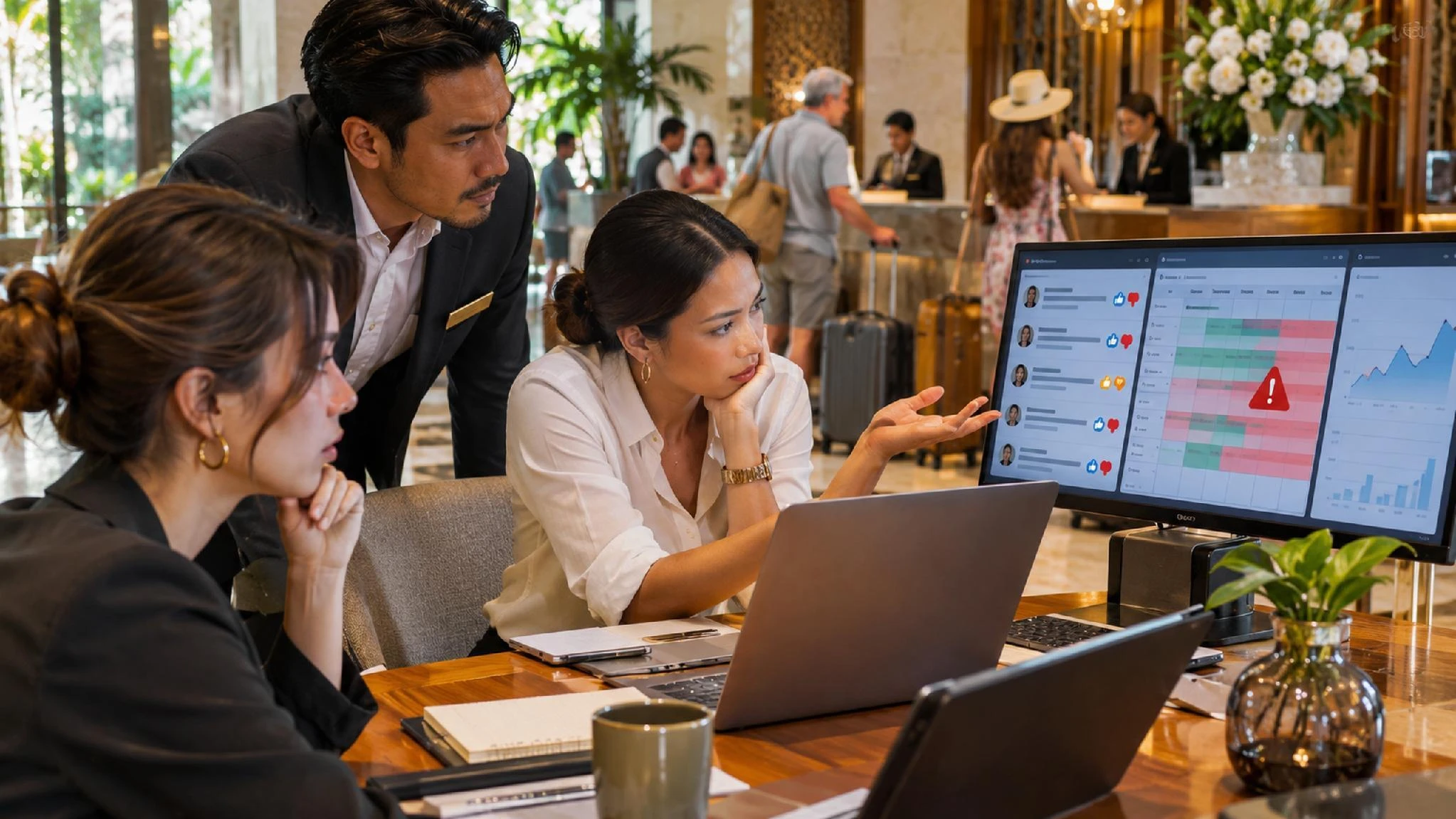
Do not purchase software simply because it is trending in hospitality trade magazines. Is your biggest problem managing chaotic social media comments? Is it preventing catastrophic OTA overbooking? Or is it driving direct, commission-free booking expansion? Clarify your absolute top operational challenges before picking and paying for any digital solutions.
2. Compare Freemium Versus Paid Software Plans
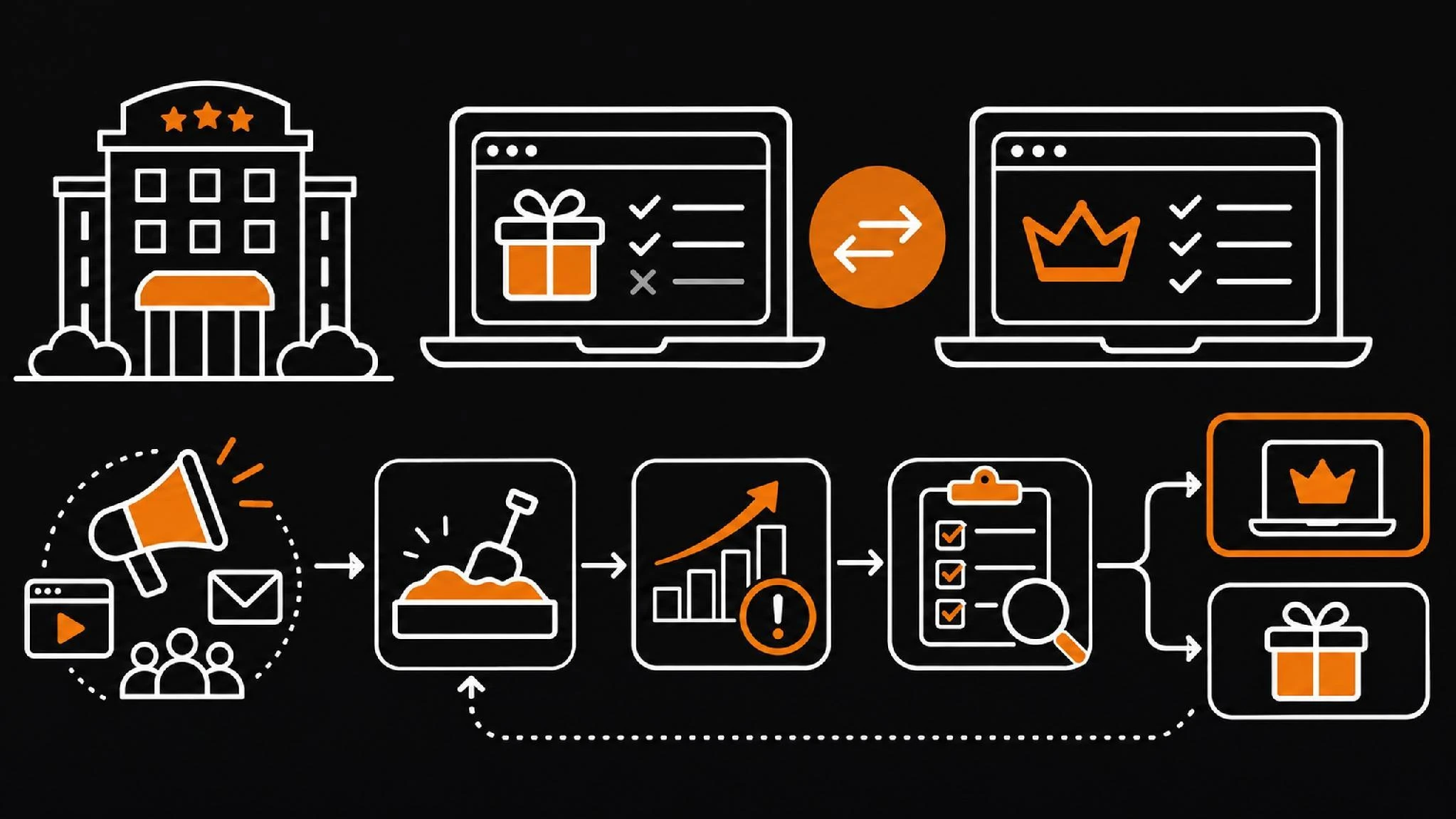
A free software tier can serve as an excellent sandbox to test the long-term viability of a new marketing channel. If you eventually outgrow the free limitations, rigorously assess if the premium features (like advanced, multi-touch analytics or priority customer support) mathematically justify the monthly subscription upgrade based on projected revenue growth.
3. Create A Unified Brand Voice
Your brand identity must remain completely consistent across the entire digital ecosystem. Align your visual color palettes, typographic choices, core messaging, and promotional offers across every single platform—be it your proprietary website, automated email campaigns, or dynamic social media channels. Inconsistency breeds immediate consumer distrust.
4. Automate Strategically, Not Completely
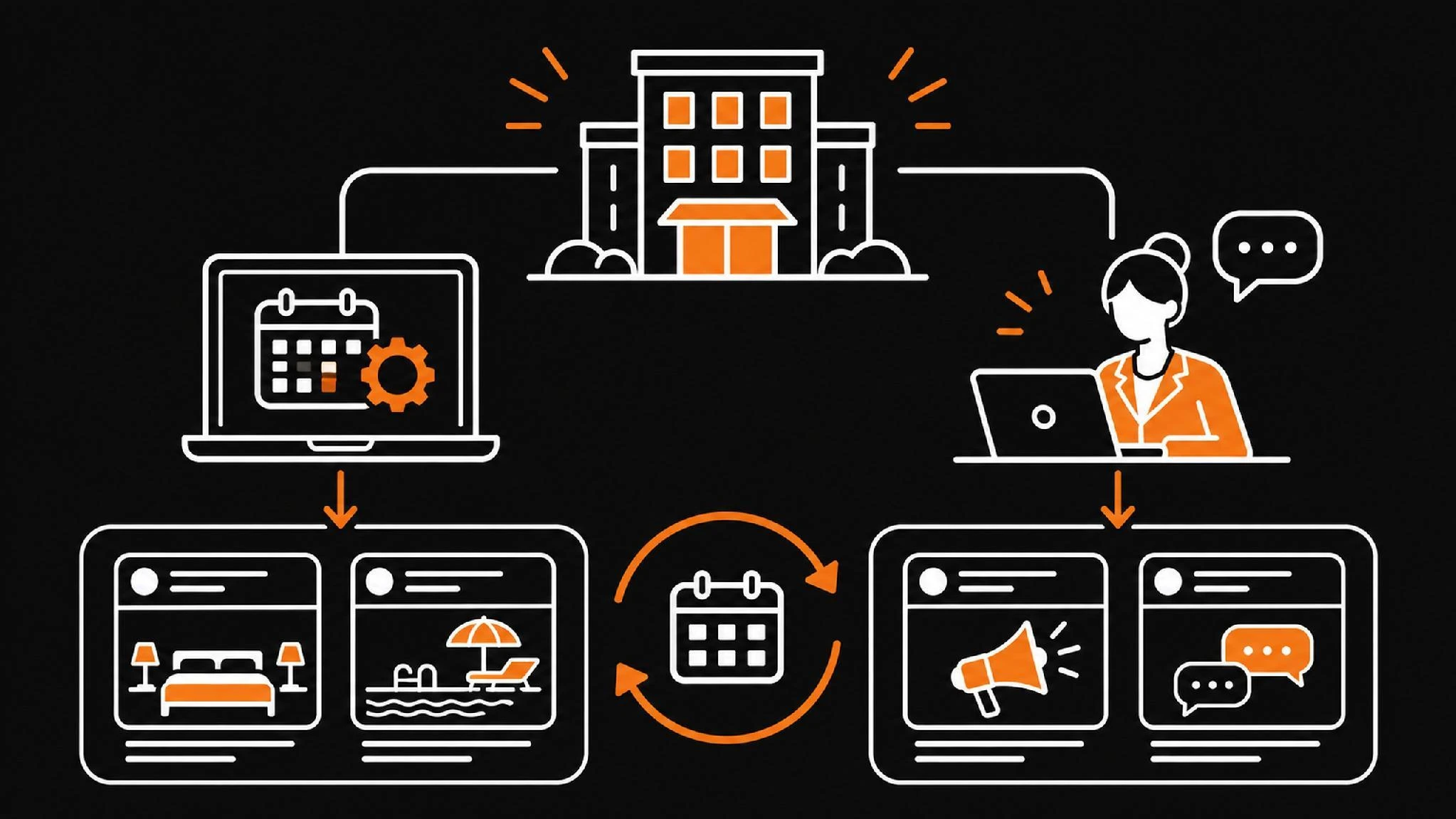
Use auto-posting tools for standard operational updates or evergreen promotional content, while strictly reserving key brand announcements or direct guest engagement for real-time, human interaction. The personal, empathetic touch is the absolute most powerful marketing tool an independent hotel possesses; never automate away your authentic hospitality.
5. Track Data And Refine Your Approach
Collect comprehensive monthly data on digital conversions, social engagement metrics, or sudden spikes in direct website bookings. If the analytics reveal that certain digital channels are consistently underperforming despite heavy software investment, you must be agile enough to adjust your approach or redirect capital to more profitable platforms.

Start small. Maybe begin with a highly reviewed, free channel manager or a basic social scheduling app. Once your team sees real, tangible operational benefits and increased revenue, layering in advanced software solutions feels much more natural and financially cost-justifiable.
Why Technical Marketing Expertise Matters
While small hotel marketing tools significantly reduce administrative workloads, achieving true digital market dominance often requires specialized, technical expertise that goes beyond basic software subscriptions.
The Complexity Of Search Engine Optimization
Simply launching a website with a booking engine does not guarantee that travelers will actually find it. Mastering Google’s complex search algorithms requires a rigorous, technical SEO strategy. This includes optimizing Core Web Vitals for lightning-fast mobile loading speeds, implementing precise Schema markup code for machine readability, and aggressively managing your Google Business Profile to dominate the local Map Pack.
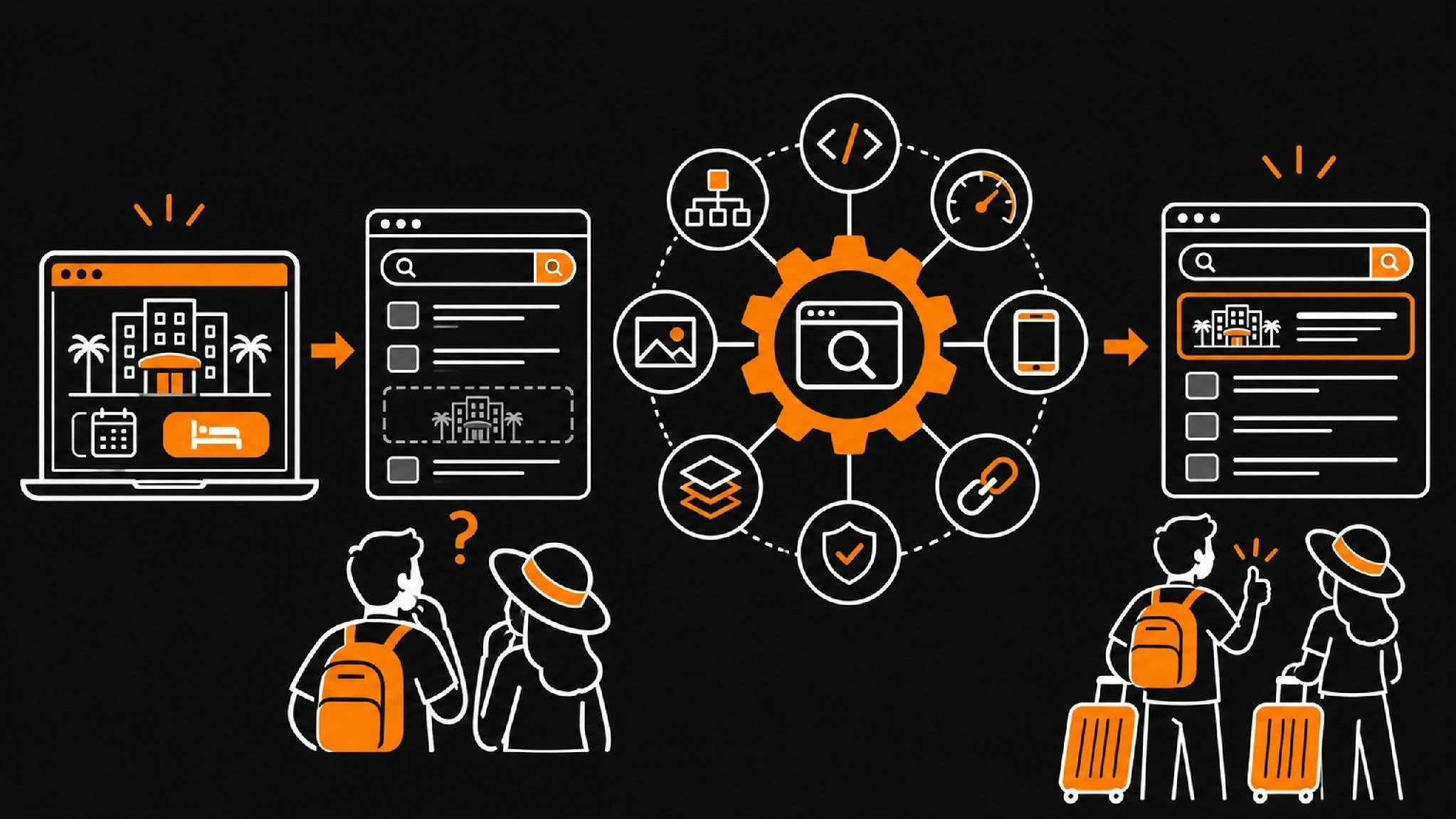
These highly technical optimization processes are rarely handled effectively by simple drag-and-drop website builders. They require the specialized skills of technical SEO developers who understand how to structure digital data specifically for modern artificial intelligence search engines and zero-click environments.
Maximizing Return On Ad Spend (ROAS)
If you decide to deploy marketing capital into paid digital advertising—such as Google Hotel Ads, Facebook retargeting campaigns, or metasearch placement—you must ensure your budget is not wasted on poorly targeted clicks. Managing bidding algorithms, segmenting warm and cold audiences, and designing high-converting ad creatives requires constant, daily analytical oversight.
The Value Of Strategic Marketing Partnerships
For smaller lodging establishments, thriving in a hyper-competitive market dominated by international chain hotels is absolutely possible with the right digital strategy and the right partners. Small hotel marketing tools streamline essential tasks like reservations, social media campaigns, and direct customer engagement, ensuring your unique brand message resonates powerfully with potential guests.
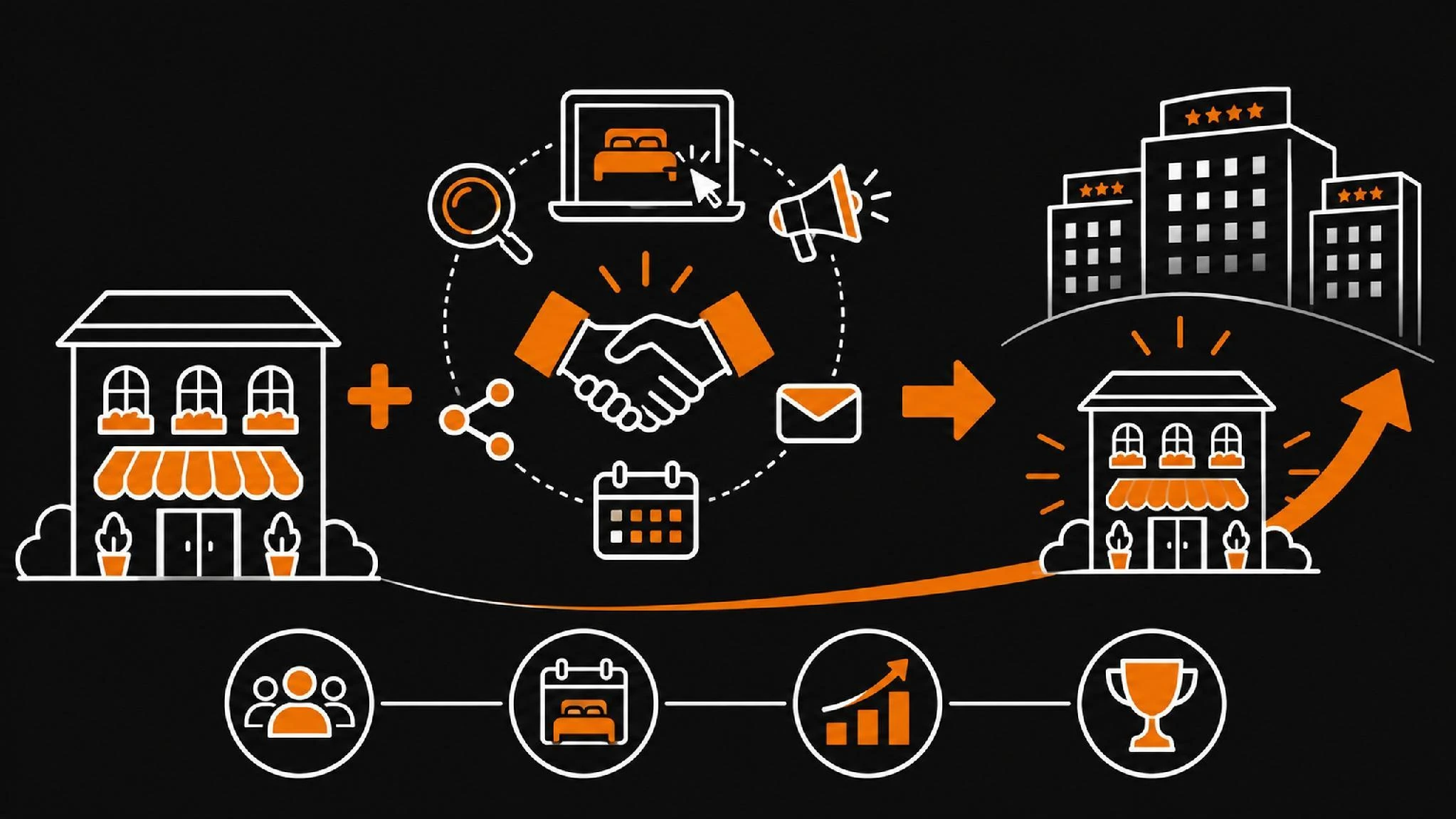
Yet, these technologies are not a magical cure-all. Commercial success depends entirely on consistent operational usage, thoughtful and empathetic automation, and a willingness to adapt swiftly when user feedback reveals digital shortcomings.
Conclusion
Independent hotels can successfully compete with massive global chains by strategically deploying the right marketing technology stack. By utilizing channel managers, social media schedulers, email automation platforms, and local SEO tools, small properties can streamline their operations and amplify their unique brand voice. While automation handles the repetitive digital lifting, maintaining a highly personalized, authentic guest connection remains the ultimate driver of long-term loyalty and commission-free revenue.
Ready to maximize your direct bookings and dominate your local market? While software tools are essential, executing a flawless, high-converting digital strategy requires specialized hospitality marketing expertise. Partner with the performance marketing professionals at ROI300 to build, automate, and scale your proprietary digital presence. Contact ROI300 today to audit your current marketing stack, optimize your local SEO, and transform your website into a powerful direct booking engine.