


The global hospitality sector is moving beyond simply filling empty rooms. Today’s most profitable asset managers and owners recognize that true financial success requires optimizing every square foot of a property. If you only measure your performance by nightly room rates, you are completely missing the financial impact of your restaurants, spas, and meeting spaces. This blog will provide a comprehensive guide to TRevPAR, explaining how to calculate this vital metric and how to use it to drive unprecedented cross-departmental revenue.
What Is TRevPAR And Why Does It Matter?
TRevPAR stands for Total Revenue Per Available Room. It is a comprehensive financial key performance indicator that accounts for all the ways your hotel generates money and applies that figure back to your total room inventory. Unlike standard metrics that look at accommodation in a vacuum, TRevPAR provides a holistic snapshot of your entire property’s earning power.

For a modern hotel or resort, revenue flows in from multiple distinct departments. A guest’s financial contribution to your business includes dining at the on-site restaurant, ordering room service, purchasing a spa treatment, paying for valet parking, and booking local excursions through the concierge. Even if your property operates at a lower occupancy rate during the shoulder season, maximizing the spending of the guests who are in-house can completely stabilize your bottom line. TRevPAR captures all this ancillary revenue, providing a much clearer picture of total business health.
Tracking this metric is crucial for commercial strategists and general managers. It answers a fundamental business question: “If I have one available room to sell, how much total revenue can I reasonably expect my property to generate?” By understanding this number, hoteliers can confidently invest in new amenities, adjust restaurant pricing, and design bundled packages that drive immediate profitability.
TRevPAR vs RevPAR: Understanding The Difference
At first glance, TRevPAR appears very similar to RevPAR (Revenue Per Available Room), but it is a distinctly different and much broader measurement. RevPAR is the traditional standard of the hotel industry. It is calculated by multiplying your Average Daily Rate (ADR) by your occupancy rate. However, RevPAR only measures how much revenue you earn strictly from selling rooms.
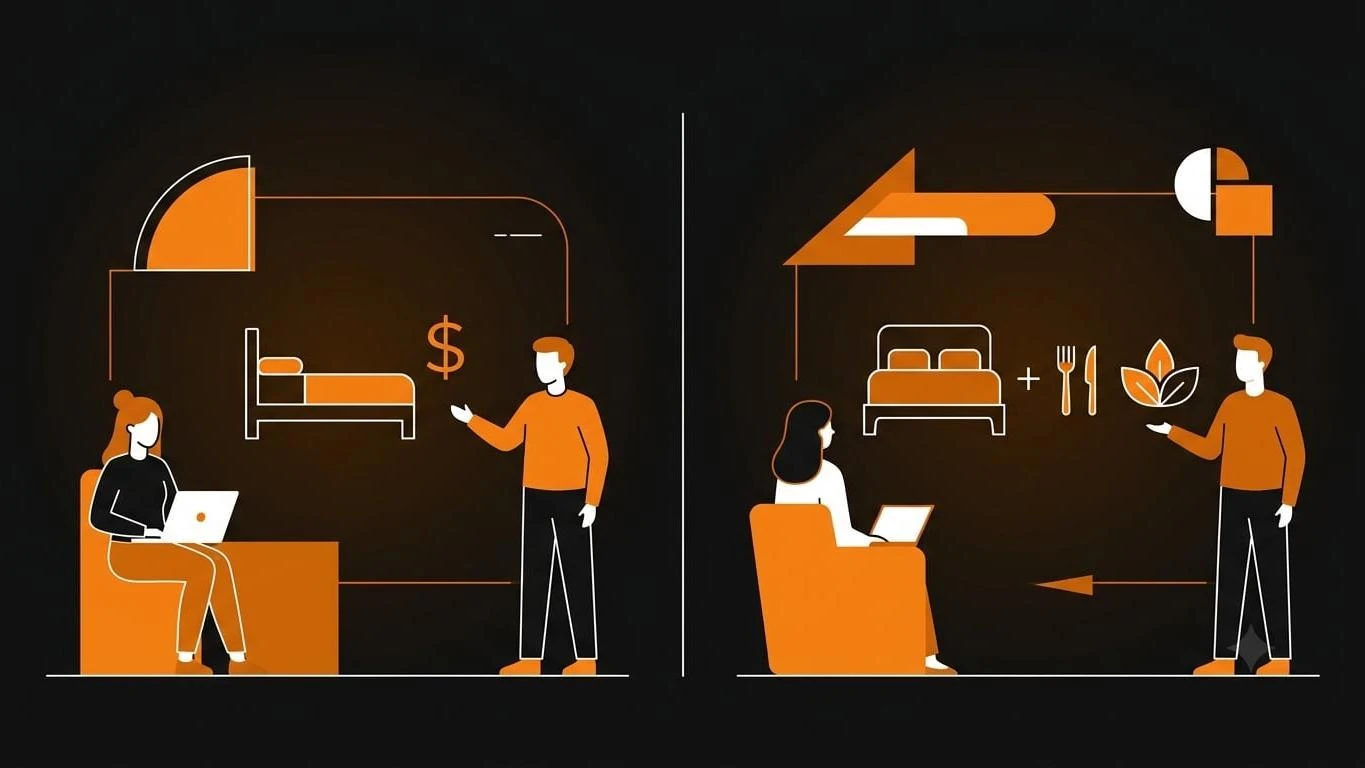
TRevPAR, on the other hand, includes all income generated from guests across the entire property footprint. While RevPAR is a useful snapshot of daily front desk performance, it does not tell the whole financial story. If a revenue manager focuses exclusively on room revenue, they risk overlooking massive opportunities to grow total guest spend across secondary departments.
Imagine two competing properties, Hotel A and Hotel B, which both operate with a RevPAR of $100. On a standard daily report, they appear to be performing equally well. However, Hotel A is a limited-service business hotel that earns nearly all its revenue from rooms. Hotel B is a boutique property that generates additional income from a popular breakfast buffet, a vibrant lobby bar, and premium paid parking.
Because of these ancillary services, Hotel B’s TRevPAR might sit at $140, compared to Hotel A’s $102. TRevPAR clearly reveals that Hotel B is driving far more total economic value from its physical real estate. Understanding both metrics side by side helps management make smarter operational and marketing decisions that reflect the property’s full earning potential.
How Do You Calculate TRevPAR?
Calculating TRevPAR requires a highly straightforward mathematical equation, but it demands absolutely precise data collection across all operating departments.
The basic TRevPAR formula is:
TRevPAR = Total Hotel Revenue / Total Available Rooms
To ensure your calculation is accurate and useful for financial benchmarking, you must understand exactly what inputs belong in the formula.
Determining Total Hotel Revenue
Total Hotel Revenue must include all income generated by the property during a given reporting period (daily, weekly, or monthly). This figure includes:
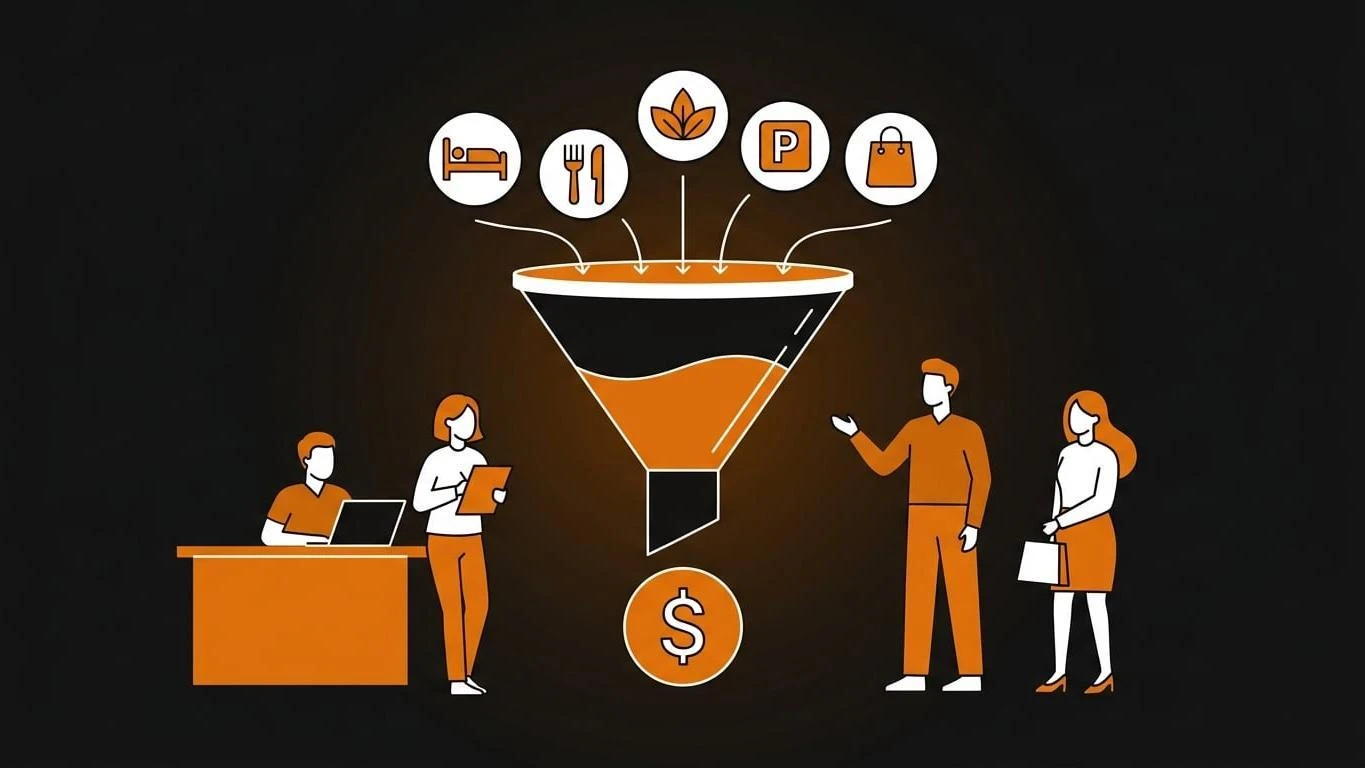
- Gross room revenue and upgrade fees
- Food and beverage sales (restaurants, bars, room service, minibar)
- Spa and wellness center treatments
- Parking fees and valet services
- Retail purchases and gift shop sales
- Event space rentals and catering contracts
It is critical to note that Total Hotel Revenue should not include unrelated, non-operational income. Financial analysts must exclude interest earned on bank accounts, insurance payout recoveries, or capital gained from selling physical hotel assets. The goal is to measure the revenue generated directly from ongoing hospitality operations.
Defining Total Available Rooms
The denominator in the equation represents the total physical capacity of the property. “Available rooms” refers to the total number of rooms that could theoretically be sold during the specific period being measured.
When calculating this figure, revenue managers must exclude rooms that are permanently or temporarily out of order. If a room is removed from inventory due to a burst pipe or a scheduled multi-week renovation, it is not “available” and should not drag down the metric. However, empty rooms that simply went unsold due to low market demand must remain in the calculation.
A Practical Calculation Example
If a 150-room hotel generates $20,000 in room revenue, $5,000 in food and beverage sales, and $2,000 in spa and parking fees on a specific day, the Total Hotel Revenue is $27,000.
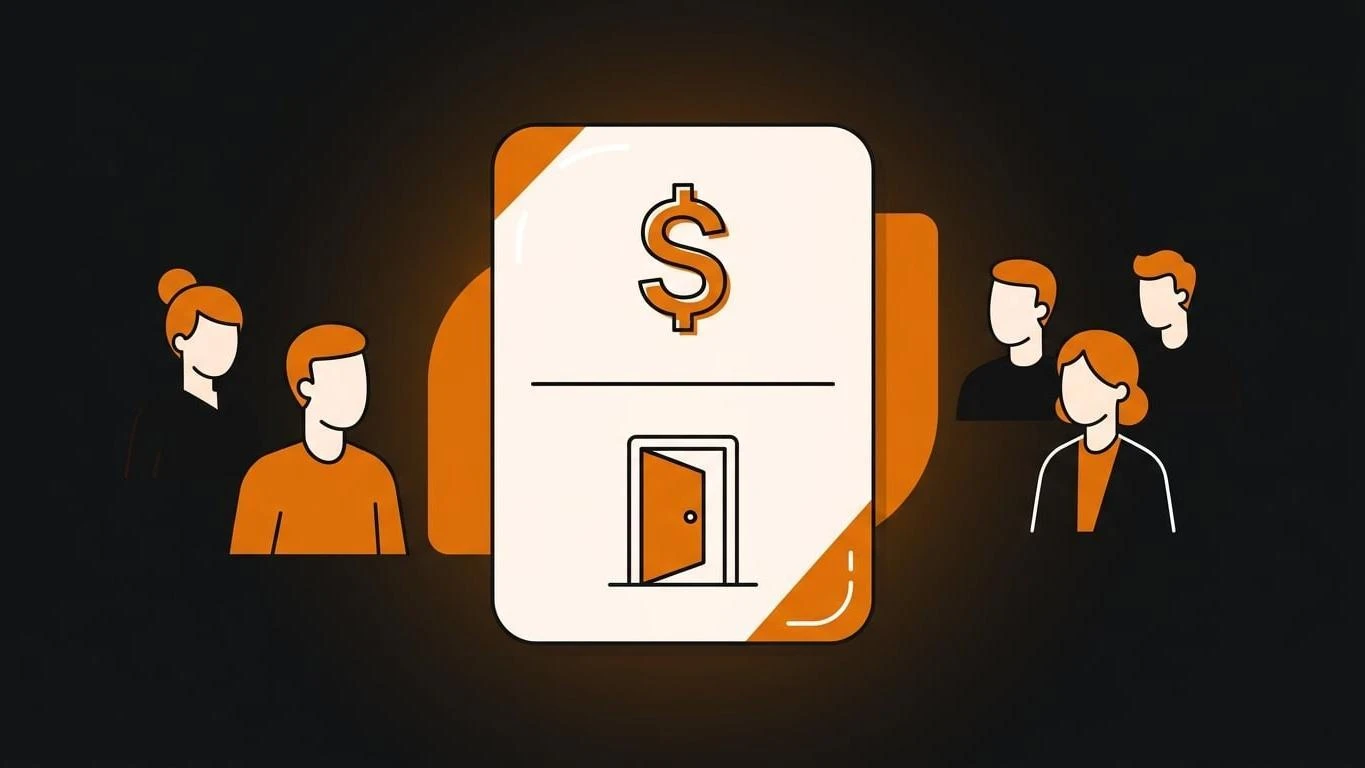
Applying the formula:
$27,000 (Total Revenue) / 150 (Available Rooms) = $180 TRevPAR
This means that, on average, every single room in the building (whether occupied by a guest or sitting empty) contributed $180 to the hotel’s total revenue for that day.
The Challenge Of Consolidating Revenue Data
To calculate TRevPAR accurately on a daily basis, hoteliers need seamless access to clean financial data. This data usually originates from disparate technological systems. Room revenue is tracked in the Property Management System (PMS), dining revenue lives in the Point of Sale (POS) system, and event revenue might be tracked in separate catering software.
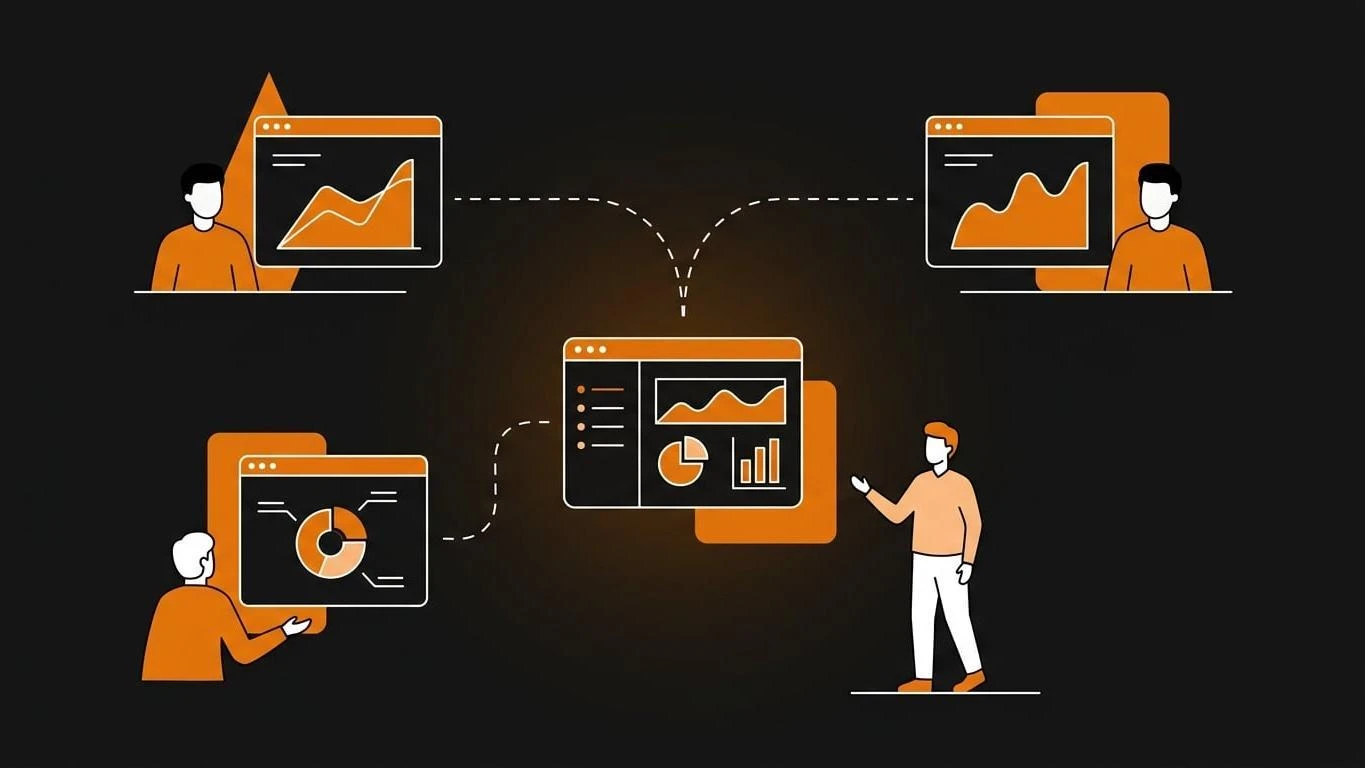
When multiple systems are involved, data is rarely consistent or well-organized at the end of the night audit. Hoteliers need advanced business intelligence software to automatically collate and consolidate this data into a single source of truth. Accurate TRevPAR calculations depend heavily on strong internal reporting practices and flawless integrations between department software platforms. Once a reliable business intelligence system is established, TRevPAR becomes a powerful, real-time tool for viewing the hotel’s complete financial picture.
Establishing Healthy TRevPAR Benchmarks
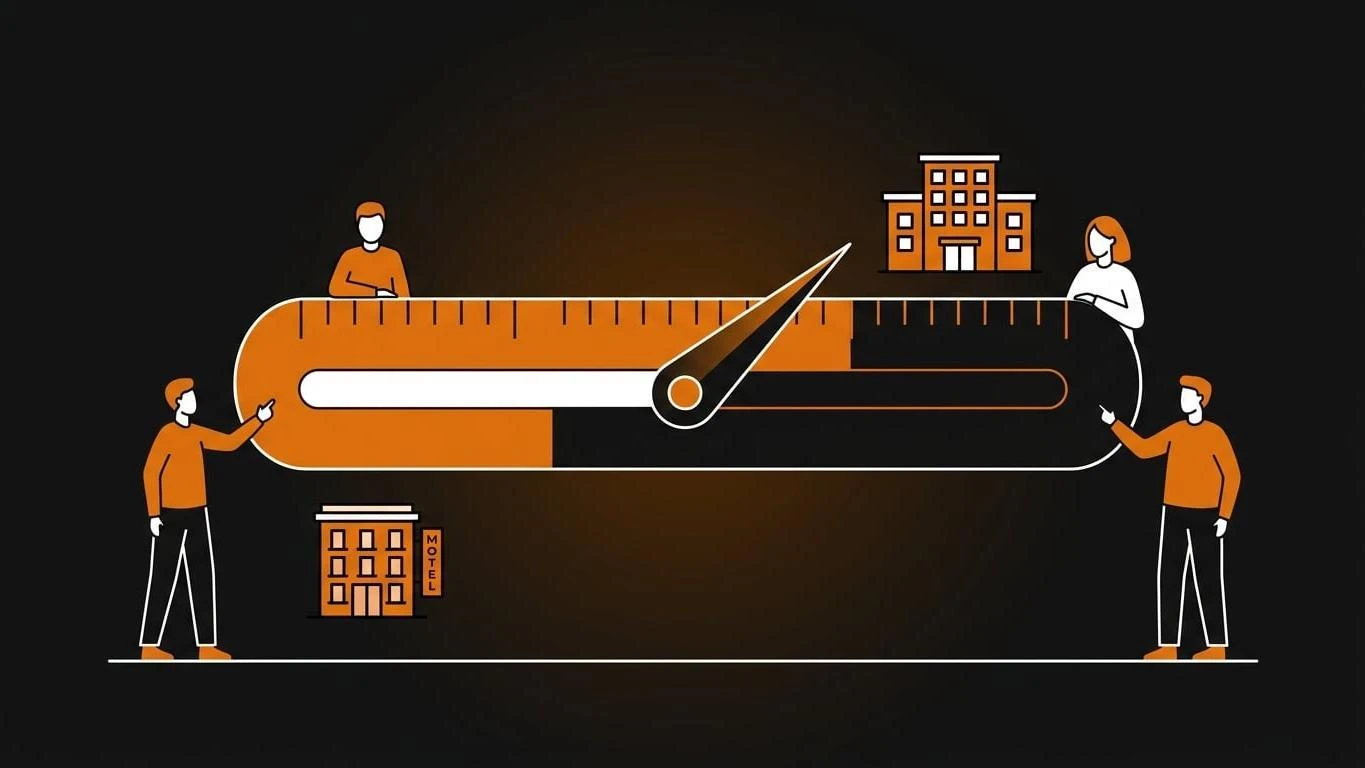
Because hospitality properties vary wildly in their operational scope, there is no single, universal benchmark for what constitutes a “good” TRevPAR. A luxury beach resort operating five distinctive restaurants and a massive wellness center will naturally generate a much higher TRevPAR than a limited-service urban motel.
As a general industry guideline:
- Full-Service Hotels and Resorts: TRevPAR often ranges from 1.3 to 2.0 times their standard RevPAR.
- Limited-Service and Budget Properties: TRevPAR typically sits closer to 1.1 to 1.3 times their RevPAR, as ancillary revenue opportunities are scarce.
Rather than chasing an arbitrary industry number, hoteliers should use TRevPAR as a comparative internal tool. You can track performance across different time periods, comparing current summer performance to the previous year. You can also analyze business segments, evaluating whether a corporate convention week generates a higher TRevPAR than a weekend filled with leisure guests. For management companies operating multiple hotels, comparing TRevPAR across sister properties reveals hidden operational strengths and missed training opportunities.
Top Strategies To Increase TRevPAR For Your Hotel
Elevating your TRevPAR requires a multifaceted operational approach that not only attracts guests but strategically maximizes their on-property spending. Commercial teams must shift their mindset from simply “filling beds” to maximizing the lifetime value of the guest during their stay.
Implement Dynamic Pricing On Room Upgrades
Dynamic pricing is a standard practice for base room rates, but it should also be applied aggressively to room upgrades and premium inventory. Hotels frequently leave money on the table by offering flat-fee upgrade options at the front desk. Instead, revenue managers should monitor daily demand and dynamically adjust the price for suite upgrades based on real-time occupancy rates and seasonality.
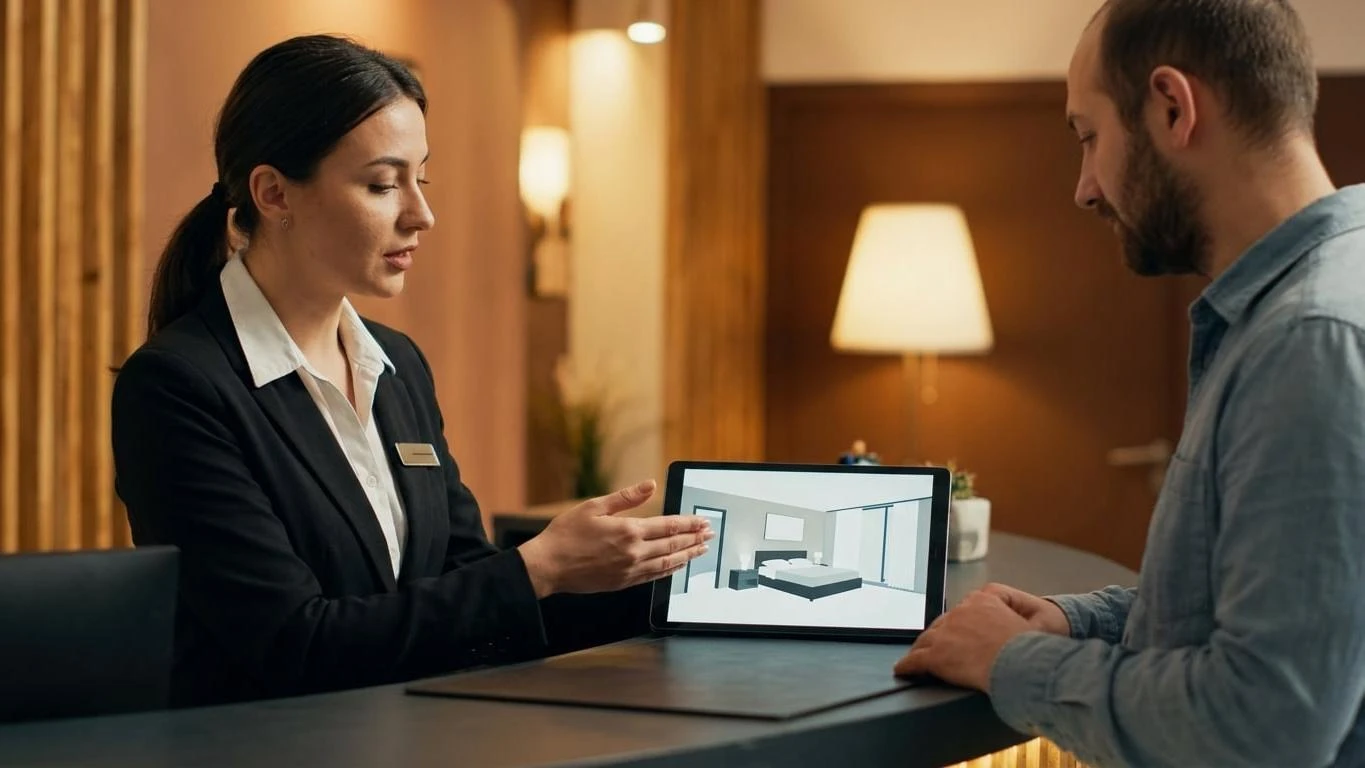
If a property has unsold premium suites on a Tuesday afternoon, offering a highly targeted, slightly discounted upgrade to an arriving guest captures pure incremental revenue. This strategy entices travelers to opt for a more luxurious experience, instantly boosting the revenue generated per booking without increasing customer acquisition costs.
Master The Art Of Pre-Arrival Add-Ons
Maximizing revenue begins long before the guest physically walks through the lobby doors. Hotels should aggressively offer experiential add-ons during the initial digital booking process and through automated pre-arrival email sequences.

By utilizing targeted email campaigns three days prior to check-in, hotels can bundle services that enhance the guest’s anticipation of the trip. Offerings can range from prepaid breakfast packages and guaranteed early check-in fees to champagne upon arrival or themed dinner reservations. Bundling services allows the hotel to secure non-refundable ancillary revenue upfront, guaranteeing a positive contribution to that week’s TRevPAR regardless of on-site behavior.
Segment Your Marketing For Higher Conversions
Understanding your target audience is the first step to driving effective, high-margin ancillary sales. A generic promotion for a spa discount will likely fail if sent to a corporate traveler rushing to morning meetings. Marketers must segment their guest audience based on demographics, stated travel purpose, and historical booking behavior.
Tailor your marketing campaigns to resonate perfectly with each specific segment. Business travelers will respond to premium high-speed Wi-Fi packages, express laundry services, and executive lounge access. Conversely, families are highly likely to purchase package deals that include kid-friendly meals, late checkout, or discounted tickets to partnered local attractions. Highly relevant offers convert at a significantly higher percentage, directly increasing total guest spend.
Enhance Direct Bookings To Improve Net Margins
While Online Travel Agencies (OTAs) are necessary for broad visibility, they charge steep commissions that severely dilute your net revenue. A booking that comes through an OTA automatically starts with a lower profitability baseline. Enhancing direct bookings is a vital strategy for improving overall financial health.

Hotels must invest heavily in user-friendly website architecture and seamless mobile booking engines. Offer exclusive perks—such as complimentary parking or a $20 dining credit—strictly for guests who book directly through your proprietary website. By driving more direct traffic, you entirely eliminate 15% to 25% commission costs, allowing more of the guest’s total spend to drop straight to the hotel’s bottom line.
Personalize The On-Property Guest Experience
A highly personalized guest experience leads to deeper guest satisfaction and, consequently, increased emotional willingness to spend money on-site. Front desk staff and concierges should utilize CRM data from previous stays to tailor services specifically to returning guests.

Whether it is offering their preferred room type, stocking the minibar with their favorite beverage, or proactively recommending a restaurant based on their past dining history, these personal touches matter. Exceptional service builds profound guest loyalty. When guests feel valued by the staff, they are significantly more likely to dine at the hotel rather than leaving the property to spend their money at a competing local business.
The Future Of Total Revenue Management
TRevPAR gives hoteliers a fuller view of financial performance by capturing all revenue streams, but it is only one part of a broader evolution in hospitality finance. To truly maximize profitability in 2026 and beyond, commercial leaders must embrace Total Revenue Management.

This advanced philosophy requires breaking down the traditional operational silos that separate the front desk, the marketing team, and the food and beverage director. It requires aligning the entire property around the shared goal of maximizing guest value across every single touchpoint. Some innovative hotel brands are even setting departmental key performance indicators (KPIs) tied directly to their specific contribution to the property’s TRevPAR, creating financial accountability across all department heads.
By utilizing TRevPAR alongside other advanced insights—such as guest acquisition cost, net operating profit per available room (GOPPAR), and profit per square meter—operators can build a highly cohesive, highly profitable commercial strategy. For modern hotels, focusing on total profitability rather than just selling rooms is the definitive path toward sustainable, long-term asset growth.
Conclusion
Relying strictly on traditional room revenue metrics creates a dangerous blind spot in modern hospitality management. By accurately calculating and analyzing TRevPAR, operators gain a crystal-clear understanding of their property’s total earning power. Implementing segmented marketing, automated pre-arrival upselling, and dynamic pricing across all departments allows hotels to capture maximum revenue from every single guest, ensuring long-term profitability regardless of seasonal occupancy dips.
Ready to maximize your total property revenue and outpace the competition? Shifting from a room-only mindset to a Total Revenue Management strategy requires flawless digital infrastructure and data-driven marketing. Partner with the hospitality digital marketing experts at ROI300 to optimize your direct booking channels, automate your upselling campaigns, and drive high-value guests to your property. Contact ROI300 today to elevate your commercial strategy and unlock the full financial potential of your hotel.