

In today’s highly competitive hospitality industry, effective marketing is just as crucial as impeccable service. Hotel managers and owners around the world – from luxury resorts to family-run boutique hotels – are turning to hotel marketing software to reach guests in smarter ways and stay ahead of the competition. These digital tools help hotels attract new guests, build loyalty with past visitors, and boost revenue by driving more direct bookings. Importantly, this guide will cover not only global trends but also insights specific to the Vietnamese market, where local innovations and cultural nuances play a role in how hotels approach marketing technology. By the end of this guide, you’ll understand what hotel marketing software is, why it matters, the various types available, and how to choose and implement the right solutions for your property. Let’s dive in to discover how the right software can streamline your marketing efforts and elevate your hotel’s success.
What is Hotel Marketing Software and Why It Matters
Defining Hotel Marketing Software
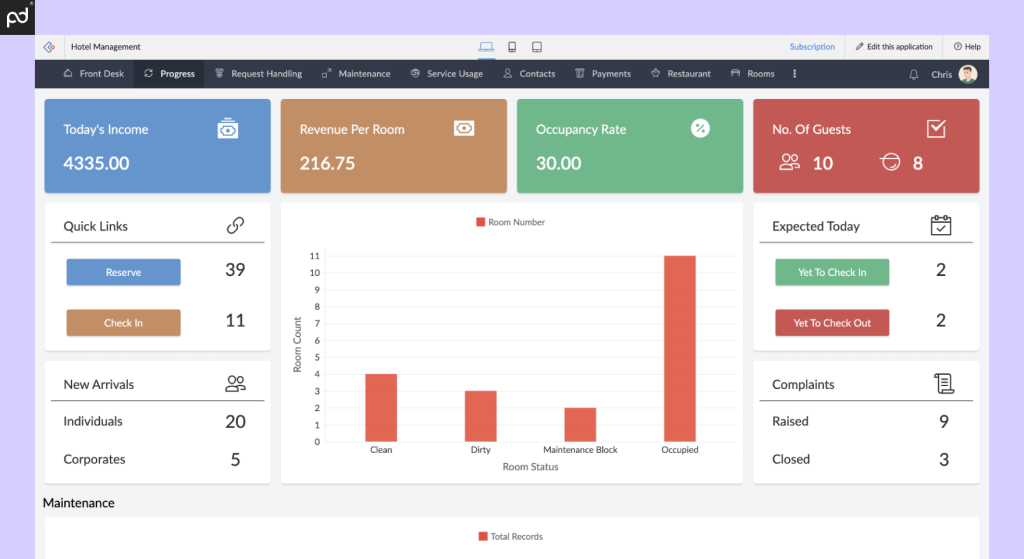
Hotel marketing software refers to a suite of digital tools designed specifically for the hospitality industry to streamline and enhance marketing efforts. In simpler terms, these platforms help hotels promote themselves more effectively in the digital age. They enable hoteliers and marketing teams to reach their target audience more efficiently, increase direct bookings, personalize guest communications, and ultimately drive revenue growth. From small independent hotels to large international chains, marketing software has become the backbone of campaigns and strategies that fill rooms and build guest loyalty.

Modern travelers are tech-savvy and have high expectations. They compare prices on Online Travel Agencies (OTAs), read reviews on multiple sites, and expect personalized communication from hotels. Hotel marketing software addresses these challenges by giving managers tools to engage guests at every stage – from inspiration and research, to booking, to post-stay follow-ups. For example, one common pain point for hotels is the reliance on OTAs, which charge significant commissions. (Most OTAs take 15%–25% commission per booking.) By using marketing software such as direct booking engines and customer relationship management systems, hotels can encourage more guests to book directly on their own website – saving on those commissions and building a direct relationship with the guest. Additionally, with travelers bombarded by choices online, it’s vital for a hotel to stand out. Marketing software helps improve a hotel’s online visibility and reputation, ensuring that when potential guests are searching or browsing, your hotel catches their eye.
Historically, hotels focused on traditional marketing (print ads, billboards, travel agents), but today digital channels reign supreme. The vast majority of travelers begin their hotel search online, use social media for travel inspiration, and almost all customers read online reviews before booking (according to one report, 99.9% of online shoppers read reviews, and 96% specifically look for negative reviews to inform their decisions). This means that managing your hotel’s online presence and reputation is critical. A strong online reputation isn’t just for bragging rights – studies show a direct link to revenue. In fact, each 1% increase in a hotel’s reputation score can lead to a 1.42% increase in RevPAR (revenue per available room). In short, marketing software matters because it equips hotels with the tools to meet guests where they are (online and on their phones), make a great impression, and convert lookers into bookers. It’s about working smarter, not harder: automating what used to be manual tasks, and using data to market more effectively.
Types of Hotel Marketing Software
Hotel marketing software isn’t a single product or tool – it spans a range of platforms that each tackle different aspects of marketing. In this section, we’ll break down the key types of marketing software for hotels and what each does. By understanding these categories, you can identify which tools your hotel needs most. Common types include Customer Relationship Management (CRM) systems, email marketing platforms, booking engines, social media marketing tools, SEO and website optimization tools, and reputation management platforms. Many of these can work together to form an integrated marketing tech stack. Below, we explore each type in detail.
Customer Relationship Management (CRM) Systems
A Customer Relationship Management (CRM) system is essentially a database and communication hub for all your guest information and interactions. In a hotel context, a CRM stores guest profiles – including contact info, stay history, preferences, and any interactions you’ve had (such as past inquiries or service requests). Why is this valuable for marketing? Because it allows a hotel to personalize communication and build loyalty. For example, with a good CRM, you can segment guests into groups (business travelers, families, frequent spa-users, etc.) and target them with tailored offers. If a repeat guest always stays in October and loves wine, your CRM can remind you (or even automatically send an email) to invite them to your upcoming October Wine Tasting weekend.

Modern hospitality CRMs often integrate with the hotel’s Property Management System (PMS) so that guest data (like bookings and room preferences) flows in automatically. This integration is powerful: connecting your CRM with your PMS lets you harness guest data to improve the experience, win loyal guests, and increase revenue. It ensures your marketing campaigns are based on up-to-date reservation data and guest profiles, and it saves your staff from manual data entry. For instance, a CRM might pull a guest’s birthday from the PMS and schedule an automatic “Happy Birthday – enjoy a free room upgrade on your next stay” email. This kind of personalization delights guests and drives repeat visits.
It helps hotels move from one-size-fits-all marketing to tailored marketing. Guests today expect companies to remember who they are and what they like. A CRM enables exactly that – it’s the brain behind loyalty programs and targeted promotions. By analyzing guest spending and behavior, a CRM can highlight opportunities for upselling and cross-selling (such as offering a spa package to someone who used the spa last time). It also improves efficiency: staff can see a guest’s profile and preferences at check-in and wow them with a personalized greeting or amenity. In short, a CRM turns guest data into actionable insights for both marketing and service.
In the global market, specialized hospitality CRMs are widely used. For example, Revinate is a leading platform that combines CRM with email marketing. It allows hotels to manage guest profiles, segment audiences, and automate campaigns. Hotels using Revinate have reported impressive results – one resort group generated $63 million in direct revenue in one year using a CRM-driven approach. Another example is Cendyn’s eInsight CRM, which many hotel chains use for managing guest loyalty and communications. There are also emerging tools like SmartHost CRM (praised for AI-driven insights into guest behavior). In Vietnam and Asia, some hotels use these global solutions, but there are also local offerings. For instance, VinHMS (a tech arm of Vietnam’s Vingroup) offers a CRM as part of its CiHMS platform – an all-in-one hotel management solution. VinHMS emphasizes that an open, integrated CRM can help increase revenue and enhance customer experience by easily connecting with other systems. Whether you choose a global or local CRM, the key is to ensure it fits your hotel’s needs and can integrate with your other systems.
Email Marketing Platforms
Email marketing is one of the most effective channels for hotel marketing, and there are dedicated platforms to help you design, send, and track email campaigns. While a CRM manages guest data, an email marketing platform is focused on the content and delivery of emails themselves (though in many cases, the CRM and email tool are part of the same package). Hotels use email marketing software to send newsletters, promotional offers, booking confirmations, pre-arrival welcome notes, post-stay thank-you messages, and more. The goal is to stay engaged with guests and encourage them to book (and re-book).
Email marketing software provides templates for attractive, mobile-friendly emails and allows you to schedule or automate sending based on triggers. For example, you can set up an automated “abandoned booking” email – if someone started a reservation on your website but didn’t complete it, the system can send a gentle reminder with perhaps a small incentive to finish the booking. You can also automate pre-stay emails (like offering an airport pickup or an upgrade three days before arrival) and post-stay surveys or thank-yous. Advanced platforms even use AI to optimize send times or subject lines for better open rates.
One key advantage is personalization at scale. Using data (often from the CRM), your email platform can insert guest names, tailor content (e.g., a special family package to guests who traveled with kids before), and ensure relevance. This beats sending one generic blast to your entire mailing list. Personalized emails see much higher engagement and conversion. As an example, the Andronis hotel group in Greece used personalized email campaigns and saw their email marketing revenue grow by 600% after implementing a hospitality-focused email platform – a testament to how effective targeted email campaigns can be in driving bookings.
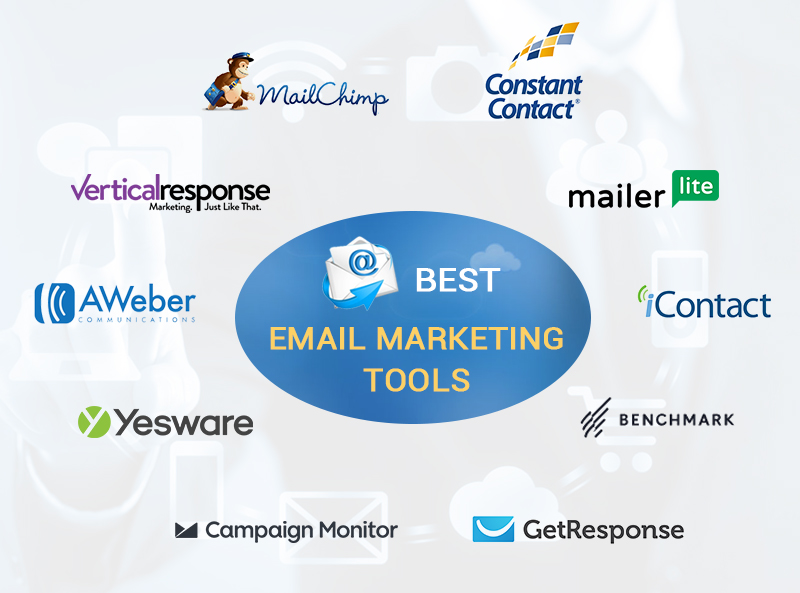
Many general email tools like Mailchimp, Constant Contact, or ActiveCampaign are used by hotels, especially smaller properties, because they are user-friendly and affordable. Mailchimp, for instance, even wrote about the benefits of hotel email campaigns such as automating guest communication and building loyalty. However, larger hotels often opt for hotel-specific solutions. As mentioned, Revinate is a popular choice because it’s purpose-built for hotels – it combines the CRM database with powerful email automation. According to Hotel Tech Report, Revinate’s platform can automate email campaigns throughout the guest journey, integrating with the PMS to drive increased bookings and enhance guest experiences. Another hospitality specialist is Guestfolio (Cendyn), which offers rich guest profiles linked with email marketing. On the Vietnamese market side, some local all-in-one systems (like ezCloud or CiHMS) include basic email marketing modules, which can be useful for domestic hotel chains that want an integrated solution in Vietnamese. The bottom line is: an email marketing tool helps you maintain an ongoing conversation with guests, leading to better retention and more direct sales.
Booking Engines and Direct Booking Tools
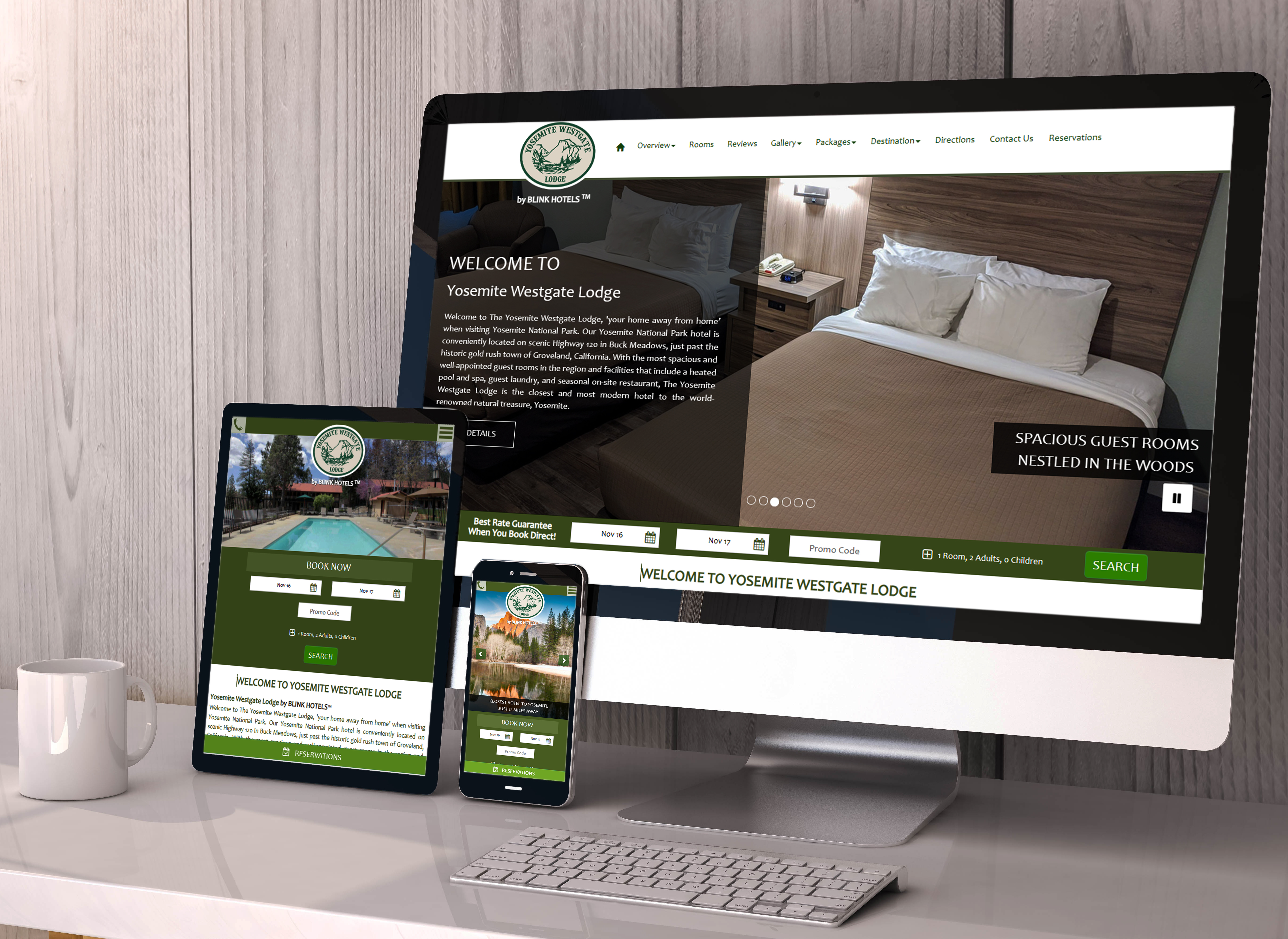
One of the most critical pieces of hotel marketing software is the booking engine – this is the software that powers direct bookings on your hotel’s website (and sometimes on social media pages or meta search). If CRM and email tools help you nurture demand, the booking engine converts demand into reservations. It’s essentially an online reservation system that lets guests select dates, choose rooms or packages, enter their details, and book directly with the hotel, often with immediate confirmation. A good booking engine is user-friendly, mobile-optimized, and seamlessly integrated into your website’s look and feel so guests don’t feel like they’ve been sent to a third-party site.
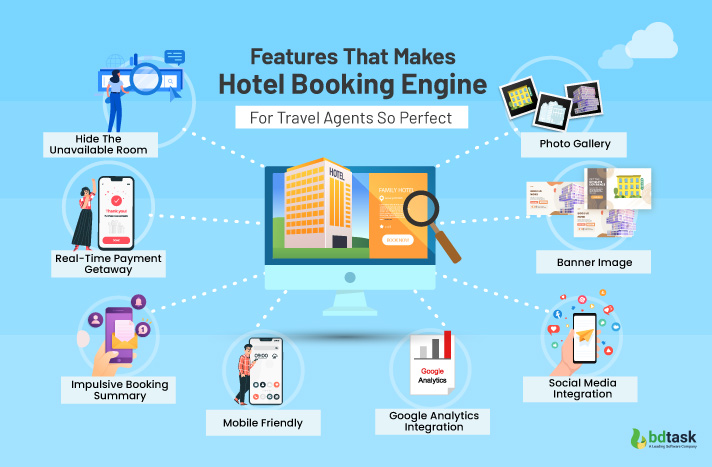
Direct bookings are the holy grail for many hotels because they save money on commissions and allow you to own the customer relationship from the start. As mentioned earlier, OTA commissions typically range from 15% to 25% (and can even go up to 30% in some cases). When a guest books direct, the hotel not only avoids these fees but can also collect richer guest data (useful for CRM and marketing) and potentially upsell the guest before arrival. Marketing software in this category often includes features to encourage direct bookings – for example, promo codes, loyalty member rates, or pop-up messages like “Book direct with us and get a free breakfast”. Some direct booking tools will even compare OTA prices and show “You save 10% by booking here now,” to convince the guest to book on the hotel site.
A modern trend in this space is mobile-friendly booking and even chatbot-assisted bookings. Many travelers, especially younger ones, prefer to book on their phones. If the process is clunky, you may lose them. There are tools that create an “app-like” booking experience on mobile websites, or chatbots that guide users through booking. A notable success story: Le Canton Hotel implemented an AI-powered chatbot (via Asksuite) on their direct channels and saw their share of direct bookings soar from 30% to 70% of total bookings, achieving an ROI of 32x on the software investment. This illustrates how investing in direct booking technology can dramatically pay off.
Globally, there are many providers. SiteMinder is one well-known company offering a booking engine that plugs into hotel websites and connects to the PMS/channel manager for inventory sync. Sabre’s SynXis and TravelClick (Amadeus) iHotelier are also widely used, especially by larger hotels and chains, offering not just booking engines but a full suite of direct distribution tools. For smaller and boutique hotels, solutions like Little Hotelier (by SiteMinder) provide an easy, templated website + booking engine combo. In the Vietnamese market, many hotels opt for local solutions like ezCloud’s ezBe booking engine, which is built by a Vietnamese company for local hotels. ezCloud is notable as the first Vietnamese hotel software provider to expand internationally (present in 80+ provinces in Vietnam and 5 other countries), and their integrated booking engine tool helps domestic hotels capture online bookings without relying solely on OTAs. Some international chains in Vietnam might use their global brand’s booking system, but independent hotels often leverage these local tools. The key features to look for in any booking engine are: PMS integration (to avoid double bookings), support for multiple languages/currencies, ability to create promotions or packages, and analytics to track conversion. Ultimately, a booking engine should “beat the OTA experience” – meaning it should be as easy (or easier) to book on your site as on Booking.com. This is achievable with today’s tools, especially when coupled with a smart marketing strategy (like offering incentives for direct bookers).
Social Media Marketing Tools
Travel decisions are increasingly influenced by social media – from scrolling Instagram travel photos to watching hotel walkthroughs on TikTok or Facebook. For hotels, having a presence on social media and engaging with travelers on those platforms is a must. However, doing this effectively can be time-consuming, which is where social media marketing tools come in. These tools help schedule posts across platforms, manage ad campaigns, monitor mentions or messages, and analyze engagement metrics. In short, they allow a small hotel team to handle social marketing in a more organized and efficient way.
Hotels often use social media to share stunning property photos, guest testimonials, behind-the-scenes stories, and special promotions. Platforms like Facebook and Instagram are especially popular for hotels to run contests (e.g., “win a free night stay”) or flash sales. In recent years, TikTok has emerged as a surprisingly effective channel for hotels targeting a younger demographic. In fact, TikTok is now considered one of the best platforms for showcasing unique hotel experiences. A short, catchy video of your infinity pool at sunset or a chef preparing a local dish can go viral and dramatically increase your brand visibility. Social media marketing tools can help you manage all this by letting you plan a content calendar, edit videos or images, and post at optimal times when your audience is online.

Beyond posting content, hotels also invest in social media advertising – like Facebook Ads or Instagram sponsored posts – to reach potential guests based on demographics or interests. Tools such as Facebook Business Suite (now Meta Business Suite) allow targeting specific audiences (for example, showing an ad for your Hanoi hotel to 25-40 year-olds in Saigon interested in travel). If you’re managing ads across multiple platforms, a social media marketing platform or agency can unify that process. Additionally, these tools often provide a single dashboard to respond to comments and messages from all channels, ensuring timely engagement. Responding quickly is crucial, as travelers might ask questions on a Facebook post (“Do you have airport shuttle service?”) and a prompt, friendly answer could be the difference between a booking or not.
Globally, well-known social media management tools include Hootsuite, Buffer, and Sprout Social. They aren’t hotel-specific but are widely used by hospitality marketers to schedule and monitor social feeds. These platforms can save a ton of time by letting you craft all your posts for the week in one sitting, preview how your Instagram grid will look, or set up streams that watch for your hotel’s name mentions or relevant hashtags (so you can engage or address issues quickly). In terms of content, many hotels partner with influencers – essentially leveraging someone else’s social media clout to promote their property. This is a form of marketing that often intersects with software tools (like platforms that connect brands with influencers, or track the ROI of an influencer stay). As an example of social media’s power: some hotels have gone viral on TikTok for their creative content, which translates into spikes in bookings. Even industry observers note that TikTok’s algorithm and community engagement can help hotels reach massive audiences with authentic, fun videos.
In Vietnam, social media marketing often means focusing heavily on Facebook (which is very widely used locally) and Instagram for visuals. Additionally, Vietnam has Zalo (a popular messaging app) – some hotels use Zalo’s Official Account feature for marketing and customer service, sending broadcast messages about promotions to their followers. While Zalo might not have the international reach, it’s important for local marketing; vendors have started integrating Zalo into their communications tools (for example, a CRM or messaging platform that can send messages via Zalo to guests). Managing all these can be streamlined by using the right tool or agency. The actionable insight here is: pick a tool that supports the platforms where your audience is. If your target guests are discovering travel ideas on Instagram or TikTok, put effort there. Use scheduling and analytics to post consistently and refine your content strategy based on what gets the most engagement.
SEO and Website Optimization Tools
Having a beautiful hotel website is only half the battle – it also needs to be discoverable. This is where SEO (Search Engine Optimization) tools and website optimization software come into play. SEO tools help ensure your hotel’s website ranks high on search engines like Google when people search for relevant terms (e.g., “beach resort in Da Nang” or “best hotel for conferences in Hanoi”). Why is this marketing? Because appearing on the first page of search results can drive a steady stream of potential guests to your site without paying for ads. Given that many travelers start trip planning by simply Googling their destination + “hotel”, a strong SEO strategy can significantly boost direct bookings.

They assist in researching keywords (finding out what terms people use when looking for hotels like yours), analyzing your website’s performance, and identifying improvements. For example, tools like Google Keyword Planner or SEMrush can tell you how many people search for “Saigon boutique hotel” monthly and how competitive that keyword is. With that info, you might optimize a page on your website with that phrase or write a blog post like “Top 5 Boutique Hotels in Saigon” featuring your property. There’s also Google Analytics and Google Search Console, which provide insights into how people find your site, which pages are most popular, and if there are any technical issues hindering your SEO (like slow load times or broken links).
Part of SEO is also ensuring your website is fast, mobile-friendly, and user-friendly. Many hotels use website builders or content management systems (like WordPress) with hospitality-specific templates. These often have plugins or built-in features for SEO (like meta tags, sitemaps, etc.). Additionally, there are specialized website optimization tools or services for hotels that ensure things like schema markup (making your hotel info easily readable by search engines) or integration with Google’s hotel search (so your direct rates show up in Google Hotel Ads). Some hotel marketing software suites include a website builder + booking engine combo, where the website is designed with SEO best practices out of the box. For instance, D-EDGE (a hospitality tech provider) and TravelClick offer not just booking engines but also website development services focusing on conversion and visibility.
Outside of hospitality-specific software, hotels often rely on general SEO tools used by marketers in all industries. Moz and Ahrefs are popular for tracking backlinks (who’s linking to your site) and overall site health. Yoast SEO is a popular plugin if your website is on WordPress, which guides you in optimizing each page’s content for a target keyword. On the hospitality front, agencies like Gourmet Marketing specialize in digital marketing for hotels and use a combination of tools to boost a hotel’s search presence – they focus on everything from SEO to paid search ads. Their goal, as they put it, is to “boost direct revenue, attract new guests, and maximize profitability” through digital marketing efforts – which underscores the benefit of good SEO: more direct traffic, hence more direct bookings.
In Vietnam, SEO might involve multilingual considerations (e.g., optimizing in both Vietnamese and English if you target both local and international guests). There’s also the aspect of local search: ensuring your hotel is optimized on Google Maps and local directories, as many users search “hotel near [location]” on Google or Google Maps. Part of your marketing software toolkit should be managing your Google Business Profile – keeping your photos, address, and details up-to-date, and encouraging guests to leave Google reviews, since those influence local search ranking. While not a traditional “software”, the Google Business dashboard is a key tool for any hotel’s online presence. Lastly, consider meta-search management (which overlaps with this category): tools that help you manage and bid for placement on hotel price comparison sites (Google Hotel Ads, TripAdvisor, Trivago, etc.). These can be very effective in capturing guests who are in the final stages of decision-making. Some channel managers or marketing platforms include a meta-search module.
The actionable tip here is: don’t neglect your website’s findability. Use the tools available to audit how your site is performing and make improvements. A small tweak like compressing images for faster loading, or adjusting a title tag to include “luxury resort Phu Quoc”, can make a real difference in attracting organic traffic.
Reputation Management Tools
In the hotel business, your reputation is everything. Travelers heavily rely on reviews and ratings on platforms like TripAdvisor, Google, Booking.com, and Expedia to make their booking decisions. Thus, managing your online reputation is a critical marketing task. This is where reputation management software comes into play. These tools help hotels monitor guest reviews across all major platforms, analyze feedback for insights, and respond quickly and consistently. In essence, reputation management tools ensure you are on top of what guests are saying about you online – and leveraging that information to improve and promote your hotel.
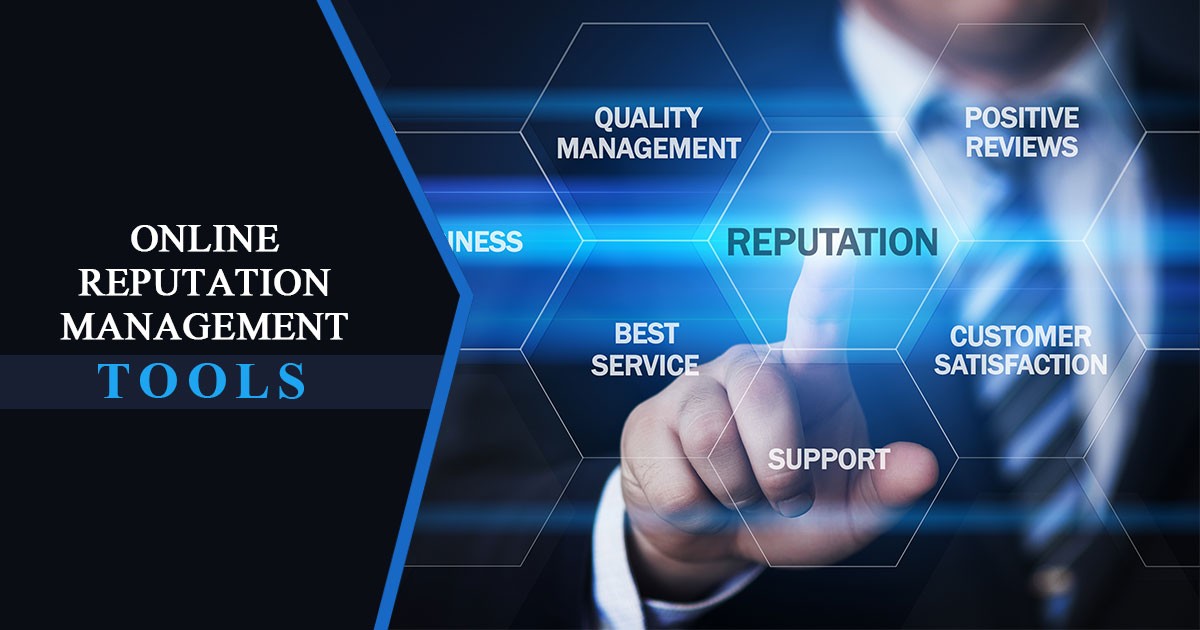
Consider the challenge: a guest might write a review on TripAdvisor, another on Google, someone leaves a 4-star on Booking.com with comments about the breakfast, and a guest tweets about a great experience at your spa. Without a centralized tool, a manager would have to log into multiple sites every day to check for new feedback. A reputation management platform aggregates all these into one dashboard. You get alerts for new reviews, and many platforms even provide templated or AI-suggested responses to help you reply promptly. Responding to reviews is not only good customer service – it can influence your ranking on sites. (For example, TripAdvisor has hinted that prompt management responses can positively affect your popularity ranking). Moreover, responding shows prospective guests that you care. A well-handled response to a negative review can actually impress readers and turn a negative into a positive.
These tools often go beyond just collecting reviews. They analyze text to give you sentiment analysis on various aspects (rooms, service, cleanliness, etc.), so you can spot trends. For instance, you might learn that “wifi” has a lot of negative mentions in the past month – a sign you need to fix an internet issue. They also often can send out post-stay surveys (sometimes called Guest Satisfaction Surveys or in-stay surveys). This is proactive – you ask guests for feedback directly, perhaps even before they leave, which can help catch issues early. A classic approach is sending a short survey link via email or SMS a day after check-out. Some reputation management systems tie this in with the public reviews: for example, if a guest gives you a 5/5 on the survey, the software might prompt them or make it easy to copy that praise to a public site like TripAdvisor. If the score is low, it alerts management to do service recovery. This way, you increase positive public reviews and handle negatives privately when possible.
The reason reputation management is part of marketing is because better reviews = easier marketing. When your hotel has a high rating and recent positive reviews, it basically markets itself – converting browsers into bookers. In fact, there is a well-known statistic in hospitality: a 1% increase in your review score can lead to roughly a 1.4% increase in RevPAR (revenue per available room). That strong correlation means investing time and tools into reputation management pays off financially. Additionally, understanding what influences your rating helps you improve those areas, which in turn boosts your reputation and pricing power. One tool’s analysis noted that using insights from reviews to make targeted improvements (like improving breakfast quality or retraining staff on service) can effectively increase your average daily rate (ADR) by boosting guest satisfaction. In short, reputation isn’t just a feel-good metric – it’s directly tied to revenue and marketing effectiveness.
Globally, leading players include TrustYou, ReviewPro (Shiji), Revinate (Guest Feedback module), MARA Solutions, and GuestRevu, among others. These platforms are highly tailored to hospitality. For instance, TrustYou provides an aggregate “TrustScore” and comprehensive dashboards, and it even powers review summaries on Google and some OTA sites (so a tool like TrustYou not only helps the hotel manage reviews, but its data might be visible to consumers as summarized ratings of your property’s various attributes). ReviewPro similarly is popular, used by many big brands to track and benchmark guest satisfaction. They often integrate with your PMS or CRM so that guest feedback loops into individual guest profiles (imagine knowing at check-in that the guest standing in front of you wrote a 5-star review last time – great opportunity to thank them and maybe offer a perk; or if they had a complaint, to proactively address it).
In Vietnam, hotels equally recognize the power of reviews. Many international chain hotels in Vietnam use these global tools (since they often come as brand standards). For local hotels, some smaller properties might still manage this manually (e.g., one staff assigned to monitor TripAdvisor and Facebook). But increasingly, as Vietnamese hospitality businesses go digital, local or regional companies are offering reputation management as part of their software suites. For example, CIHMS (by VinHMS) likely includes some form of feedback tracking in its platform. Also, some Vietnamese hotels rely on integrated solutions from regional tech providers that bundle review management with other features. Regardless of the tool, the best practice is to regularly monitor all your reviews, respond to as many as feasible (especially every negative one), and take real action on common issues. Marketing your hotel becomes much easier when your reputation is strong, because potential guests see a highly-rated property with active, caring management – a combination that builds trust even before a guest sets foot on site.
Benefits of Using Hotel Marketing Software
By now we’ve touched on many benefits in passing, but let’s summarize the key advantages of using hotel marketing software. Adopting these tools can transform your marketing efforts through increased efficiency, better guest retention, revenue growth, and enhanced brand visibility. Here are the main benefits and why they matter:
Improved Efficiency and Automation
Hotel marketing software can automate repetitive tasks and free up your team’s time. For example, instead of manually sending out emails to every guest who booked, an email marketing system can send a personalized confirmation and a follow-up offer without any staff intervention. Similarly, a CRM can automatically segment guests and schedule campaigns, while a social media scheduler posts content at set times. This not only saves hours of labor but also reduces human error.

Your staff can then focus on strategy and creativity – planning the next big promotion or improving on-site guest experiences – rather than crunching spreadsheets or monitoring various websites. As an illustration, hotels that integrated their PMS with a CRM note that it eliminates manual data transfers and ensures data accuracy, avoiding silos and mistakes. Efficiency gains can also mean faster response times – e.g., instantly responding to a review or inquiry via an automated alert – which boosts your hotel’s reputation for responsiveness.
Better Guest Engagement and Retention
Marketing software enables personalized and timely communication, which leads guests to feel valued and understood. This, in turn, drives loyalty. A guest who receives a birthday greeting and special discount, or a “we miss you” email with a personalized offer, is more likely to return than one who hears nothing after departure. CRMs and email tools together make it feasible to maintain a relationship with thousands of past guests in a way that feels one-on-one. Additionally, social media tools help you actively engage with followers by promptly replying to comments or messages, turning online fans into future guests.

When guests are on property, marketing tools like upsell platforms (which could be part of your CRM or a guest messaging app) can increase engagement by offering enhancements to their stay (late checkout, spa appointments) – enriching their experience and your revenue. The overall effect is higher guest satisfaction and loyalty. Satisfied guests not only come back but also spread the word, either through online reviews or personal recommendations. And loyalty is invaluable: a slight uptick in retention can significantly increase revenue over time, since repeat guests often spend more and cost less to market to than acquiring brand new guests.
Revenue Growth and Higher Direct Bookings
Perhaps the most tangible benefit to hotel owners and managers is the impact on the bottom line. Hotel marketing software can directly boost revenues in several ways. Firstly, by driving more direct bookings, you not only gain additional bookings but do so at a lower cost of acquisition (saving OTA commissions). Direct bookings also tend to have higher ancillary spend because you have more opportunity to upsell before arrival.

Marketing software helps achieve this by optimizing your website (SEO brings more traffic, a good booking engine converts that traffic), and by running targeted campaigns (for example, an email blast announcing a 48-hour sale on your website for loyal customers). Real-world success stories back this up: hotels have significantly increased their direct booking ratios after implementing these tools and strategies. We saw earlier how Le Canton Hotel’s adoption of a chatbot and multi-channel direct strategy bumped direct sales from 30% to 70% of their total bookings. More direct sales mean you keep more of each booking dollar. Secondly, marketing software can help increase average revenue per guest.
Tools that enable personalized offers and upselling can raise the amount a guest spends. If your CRM data shows a guest is a wine lover, you can target them with a premium wine-tasting dinner event during their stay – that’s extra revenue. According to Hotel Tech Report research, using guest feedback data to improve your services and highlight them in marketing can also allow you to charge higher rates because your reputation supports it. In summary, these tools contribute to revenue growth through a combination of more bookings, more direct bookings, and higher spend per guest.
Enhanced Brand Visibility and Consistency
In a crowded marketplace, standing out is vital. Marketing software helps amplify your brand visibility across multiple channels. SEO tools ensure you appear in search results; social media management gets your content in front of travelers on Facebook, Instagram, TikTok, etc.; and reputation management software ensures your high review scores and responses are visible to anyone researching your hotel.

All these touchpoints reinforce your brand. Moreover, many marketing platforms help maintain brand consistency – using templates, you ensure that whether a guest sees an email, a social post, or your website, the messaging and style feel cohesive. This consistency builds a stronger brand image and trust. For hotel groups or those with multiple properties, brand consistency tools (like the example of Marvia, which is “best for enabling brand consistency across hotel chains”) can be very useful. They allow individual properties to do local marketing but within the guardrails of brand standards (logos, fonts, key messages), preserving a unified brand presence. When your brand is consistently seen in a positive light – beautiful visuals, engaging stories, prompt interactions, and glowing reviews – it gains prestige and recall value. That means when travelers are deciding where to stay, your hotel is top of mind.
How to Choose the Right Tools (Based on Hotel Size and Budget)
Not all hotels need the exact same software stack. A boutique hotel with 20 rooms in Hoi An will have different needs and budget constraints than a 500-room business hotel in Ho Chi Minh City. Choosing the right marketing tools for your specific hotel is crucial – the goal is to get tools that fit your operations and deliver value, without overspending on features you won’t use. Here’s a step-by-step approach to selecting the right hotel marketing software, taking into account your hotel’s size and budget:
Assess your hotel’s needs and pain points
Start by identifying where you have the biggest marketing gaps or challenges. Are you struggling to get direct bookings on your website? Then a better booking engine or SEO tool might be top priority. Do you have low guest retention or lack of repeat business? A CRM and email marketing combo could be the answer to nurture loyalty. Perhaps your TripAdvisor ranking is lagging or you often miss reviews – then reputation management is a need.

Make a list of the functions (CRM, email, social, etc.) we discussed and rank them by importance for your property. Also, consider your team’s capacity. If you have no dedicated marketing staff and limited time, you might prioritize tools that save time via automation. On the other hand, if you have a marketing team but a limited budget for ads, you might want tools that maximize organic reach (like SEO or social engagement) before investing in pricey advertising platforms.
Consider hotel size and growth plans
The number of rooms and the scale of operations do influence the choice. Many software solutions have pricing tiers based on hotel size (e.g., a CRM might charge by number of rooms or contacts). A small B&B or a new independent hotel might start with more cost-effective or freemium tools. For example, using a free tier of Mailchimp for email if your database is small, or a simple reputation tool that covers the basics. As your hotel grows, you can upgrade to more comprehensive systems.
Large hotels or resorts, especially those with multiple outlets (restaurants, spa, etc.), often need more integrated solutions. They might benefit from an all-in-one platform or suite (even a full Hotel CRM + PMS + marketing bundle like those offered by some vendors) so that everything works seamlessly together. Larger hotels also often have the volume of data that justifies investing in AI-driven insights or enterprise-level software. A useful tip: read case studies or reviews from hotels of similar size. If you’re a 50-room boutique, see what tools other boutique hotels rave about. If you’re a chain, look at what comparable chains use.
Budget wisely – focus on ROI
Budget is always a constraint, but think of marketing software as an investment rather than a cost. The key is to forecast or estimate the ROI (return on investment) of a tool. For instance, if a certain email marketing platform costs $200/month, ask how many additional bookings would it need to generate to pay for itself. Often, just one or two extra bookings can cover such a cost. That said, be realistic with what you can afford upfront. Many vendors offer tiered pricing; don’t be upsold into enterprise packages if you won’t use all those features initially.

You can often start small. Also, consider local or regional solutions which might be more affordable than global brands, especially for Vietnamese hotels. Local providers like ezCloud or VinHMS might price their products in a way that’s accessible for domestic hotels and include local support (which is a bonus). Always factor in any setup fees, training costs, or required hardware when budgeting. And remember hidden savings: a tool might reduce labor costs or help you cut an expensive OTA dependency – those savings are part of the equation. A CRM, for example, might feel like a big expense, but if it helps keep guest data when you switch PMS systems, it can save a fortune in data loss or migration headaches (Revinate has pointed out that having a CRM prevents losing historic guest data when changing other systems).
Look for Integration Capability
We’ve stressed integration a lot because it’s vital. When choosing any marketing software, check how well it plays with others. Does the CRM integrate with your PMS? Will the booking engine feed data into your CRM? Can the email platform pull in reservation data for triggered messaging? Integration can be a deal-breaker. If a tool doesn’t connect, you might end up with silos where staff have to manually transfer information – reintroducing inefficiencies and errors. Many vendors proudly showcase their integration lists; verify your current systems are on that list. If not, see if they have an open API or middleware solution.
For example, if you use a smaller Vietnamese PMS, ensure the global CRM you’re considering can integrate (or be prepared to use a middleware service). Conversely, some all-in-one solutions might remove the need for multiple integrations, but ensure their individual modules are strong (sometimes an all-in-one might have a weaker component compared to a dedicated standalone tool). The safer route for integration is often to choose widely-used systems – popular PMS and popular CRM combos have likely been connected at many hotels before, so they’ll work out the kinks. Integration also includes thinking about future scalability: if next year you plan to add a loyalty app or another property, will the software grow with you?
Evaluate ease of use and support
A system is only as good as its adoption by your team. A very sophisticated marketing tool that your staff finds too complex is not a good choice. During selection, ask for demos or trials. Most companies offer a free trial or demo period – take advantage of that to let your team actually test the user interface and features. Notice if it’s intuitive, or if simple tasks seem confusing. Also, consider the availability of training resources or customer support. If you’re in Vietnam, having support in Vietnamese or during local business hours can be very important for smooth usage. Check if the vendor has an office or partner in your region. Some local vendors, like those in Vietnam, might offer on-site training or more hands-on implementation help, which can be a big plus if you’re not very IT-savvy. Also, involve your team in the decision – the front office manager, the marketing exec, even someone from IT (if you have IT staff) – get their feedback on the demo. Sometimes the people who will use the tool daily can spot practical issues or advantages that a general manager might miss.
Examples of Popular Hotel Marketing Software (Global and Vietnamese)
To make this discussion more concrete, let’s look at some specific examples of hotel marketing software solutions that are popular globally, as well as those making waves in the Vietnamese market. Seeing real product names and their key features can help you identify what might work for you.
Global Marketing Software
Revinate
A leading all-in-one marketing platform for hotels, combining CRM and email marketing. Revinate is used by thousands of hotels worldwide to manage guest data and run targeted campaigns. Hotels praise it for its ability to turn guest data into action – for example, Brittain Resorts (a large group in the US) generated $63 million in direct revenue in one year using Revinate’s CRM and email capabilities.
Revinate’s strengths include powerful segmentation (letting you target very specific guest groups) and seamless PMS integration, so marketing campaigns are always using the latest reservation data. It also has built-in survey and reputation management modules. This is often favored by upscale hotels and chains aiming to increase loyalty and direct bookings.
SiteMinder
Known primarily as a channel manager, SiteMinder also provides a popular booking engine and website integration for direct bookings. It’s a cloud-based platform and works with hotels of all sizes. Many independent hotels globally (including in Vietnam) use SiteMinder’s tools to manage distribution while boosting direct sales. Their booking engine is praised for being user-friendly and mobile-optimized, and it can be tailored to the hotel’s branding.
TrustYou
A top reputation management platform. TrustYou aggregates reviews from hundreds of sources and provides a hotel with a comprehensive overview of its online reputation. It uses AI to analyze guest sentiment and offers a one-stop portal to respond to reviews. TrustYou’s influence is broad – even Google uses TrustYou data for hotel review snippets. Hotels use TrustYou to improve guest satisfaction and rankings, backed by statistics like the correlation we cited (improving reputation score can lift revenue).
Sojern
A digital marketing platform specializing in hotel advertising. Sojern helps hotels with programmatic advertising – basically using data and algorithms to place ads in front of travelers likely to be interested. For example, Sojern can retarget users who visited your website but didn’t book, by showing them ads on other sites or social platforms. It’s often highlighted as “best for leveraging programmatic advertising to attract guests”. Large resorts and tourism boards use Sojern to run multi-channel campaigns (display ads, Facebook/Instagram ads, etc.) with a focus on driving travel intent into bookings.
Kipsu
A prominent guest messaging platform. While not marketing in the traditional sense, guest messaging tools like Kipsu enable real-time communication with guests via SMS, WhatsApp, or in-app chat. This enhances service and also provides marketing opportunities (like upselling during the guest’s stay or sending a link to leave a review afterwards). Kipsu is often cited for “real-time digital communication with guests”. Hotels using Kipsu or similar tools often see an uplift in guest satisfaction and find it easier to encourage happy guests to share their experiences online, thereby indirectly boosting their reputation marketing.
Mailchimp / HubSpot
These are not hotel-specific, but many small to mid-sized hotels leverage them for email and general marketing. Mailchimp is great for starting email campaigns quickly, and HubSpot offers a broader marketing suite (email, social media, CRM lite, and even content creation tools). A small hotel might use Mailchimp’s affordable plans to send newsletters and promotions.
HubSpot might be used by hotels that want a robust CRM but in a more general business sense (it can track leads, say for event or conference business, as well as guests). The advantage of these tools is their strong support, tutorials, and often a free tier to get started. The downside is they may not have hospitality-specific features out of the box (but you can often customize them to fit, especially HubSpot which is quite flexible).
Cendyn (eInsight & eVenue etc.)
Cendyn is a major player offering several products. eInsight is their Hotel CRM known for advanced loyalty management and data integration. Many large hotel chains use Cendyn for managing millions of guest profiles and running sophisticated loyalty email campaigns. Cendyn also has eSurvey for guest feedback and eProposal for group/event sales. It’s a bit more on the enterprise end, but it’s a global solution worth mentioning as it often comes up when hotels seek a CRM.
Marriott’s and Hilton’s in-house systems
It’s worth noting that big brands often have their own proprietary marketing software (or heavily customized versions of ones we named). For instance, Marriott’s Customer Engagement Center and Bonvoy loyalty program are powered by big databases and marketing automation behind the scenes; Hilton has “OnQ” as its system. These aren’t purchasable by independents, but I mention them to illustrate that even at the biggest scale, the concept is the same – a centralized system to manage guest relationships and marketing.
Vietnamese and local market solutions:
ezCloud
Arguably the market leader in Vietnam for homegrown hotel software, ezCloud offers a comprehensive suite that includes PMS, channel manager, and sales/marketing modules. We discussed ezBe (booking engine) already; ezCloud also provides tools for digital marketing and web design tailored to Vietnamese hotels. One of ezCloud’s selling points is that it’s built with local hotel operations in mind (from small guesthouses to 4-star hotels). It supports Vietnamese language fully and local payment gateways, which global software might not. With over 9,000 businesses in Vietnam using its products and an average “booking capacity increase of 50%” reported by their clients, ezCloud has proven popular. For a Vietnamese hotel owner who wants an all-in-one solution including marketing, ezCloud is a strong candidate – they can get a website booking engine, Facebook booking integration, basic CRM (guest history) and even built-in email/SMS marketing features, all connected to their property management system. This simplifies things and can be cost-effective.
CiHMS by VinHMS
Backed by the giant Vingroup, CiHMS is a newer but rapidly growing platform. It’s primarily known as a cloud-based PMS, but it emphasizes being an open platform that can integrate various modules (including potentially CRM, channel management, etc.). VinHMS has highlighted that CiHMS helps hotels “optimize costs, increase revenue, and enhance customer experience” with its integrated approach. While specific marketing features of CiHMS are not widely publicized, the system likely collects guest data across Vinpearl hotels and could be used for targeted marketing through the Vingroup ecosystem (for example, marketing to a guest across different Vingroup services). Notably, CiHMS was recognized among the top 10 PMS globally by Hotel Tech Report, which signals its quality. Vietnamese hotels looking for a cutting-edge system that meets international standards but has local support might consider CiHMS – especially as VinHMS expands in the region.
VLeisure
A Vietnamese startup providing hotel management and distribution solutions. VLeisure offers a booking engine and channel management, and also has a traveler-facing portal. As a marketing angle, being listed in Vietnamese travel platforms or OTAs can be part of a strategy too (though not direct marketing software, it’s distribution marketing). Some local companies blur the line between distribution and marketing, offering tools to increase visibility on both OTA and direct channels.
Local Digital Marketing Agencies/Tools
Many Vietnamese hotels, especially independent ones, also partner with local digital marketing agencies for services like SEO, Google Ads, or social media management. Agencies such as VietISO or Buffalo Agency (just examples) might not have proprietary software they sell to hotels, but they utilize tools (including the global ones above) on the hotel’s behalf. There are also smaller software offerings, like basic email marketing tools integrated with SMS, that cater to Vietnam’s market (where SMS marketing is still prevalent). For example, some hotels use SMS automation to send promotions during holidays (Tet, etc.) to domestic guests – a marketing channel that’s more popular in Vietnam than in some Western countries.
OTA and Super-app Partnerships
While not “software you buy,” it’s worth noting as a marketing strategy in Vietnam: working with “super-apps” like Grab or travel apps like Traveloka, which in some cases allow hotels to do special promotions or advertising within their ecosystem. For instance, a hotel might use Traveloka’s “boost” feature (if available) to appear higher in listings (like an advertising spend). Or collaborate with Mytour or VNTrip for exclusive deals. These are more marketing channels than tools, but a savvy hotel marketer will treat them as part of their software ecosystem – many of these platforms provide a dashboard for hotels to manage content and promotions.
Integration with PMS and Other Hotel Systems
One of the recurring themes in this guide has been integration – and that’s because in hospitality tech, systems that don’t talk to each other can cause a lot of headaches. Let’s delve a bit deeper into why integration is so important and how hotel marketing software can (and should) integrate with other hotel systems like the PMS (Property Management System), CRS (Central Reservation System), POS (Point of Sale), and others.
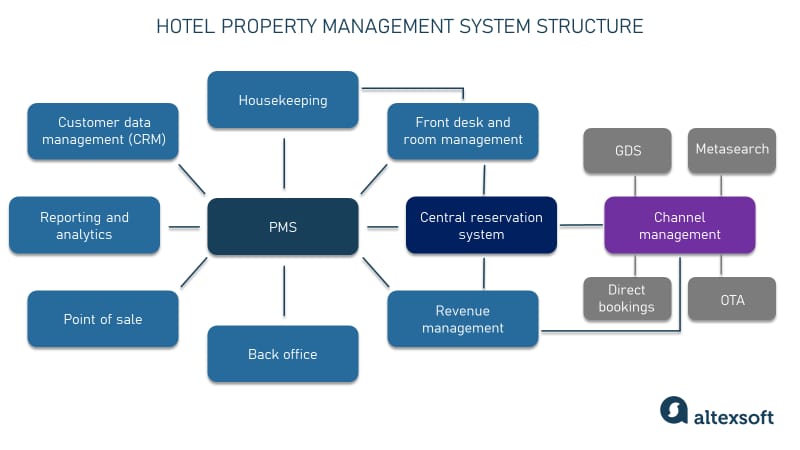
Imagine your marketing software exists in a vacuum – say you have a CRM with a list of guests and their emails, but it’s not linked to your PMS. If a guest changes a reservation, or you get a new booking, that CRM won’t know unless someone manually updates it. This can lead to embarrassing situations, like emailing a promotion to someone who has already booked at a lower rate, or failing to recognize a VIP returning guest because your CRM data was outdated. Integration ensures data flows seamlessly between systems. The PMS is the source of truth for reservations and often for basic guest info (name, dates of stay, room type). The CRM is the source of truth for marketing preferences and history. When integrated, as soon as a guest checks out, the PMS can signal the CRM to trigger a post-stay email. Or vice versa, the CRM can send info back to PMS, like “guest is in loyalty tier Gold” so that it shows up when the front desk checks them in.
To put it simply, integrated systems mean no data silos and a unified view of the guest. This in turn enables the hotel to deliver the holy grail of service: personalization. You can’t personalize well if your data is scattered. An integrated CRM-PMS setup lets you greet Mr. Nguyen at the door with “Welcome back! We saw last time you preferred a higher floor, so we’ve arranged that for you again.” It also ensures things like email opt-outs or contact info updates are synchronized – if a guest updates their email on your website (PMS or booking engine side), it should reflect in marketing lists.
From an operational perspective, integration saves time and reduces errors. It automates what would otherwise require exports, imports, and reconciliation. Hoteliers have long known the pain of disparate systems – like a POS in the restaurant not linking to the PMS, causing issues with posting charges to rooms. The same concept applies to marketing: if your review management tool isn’t integrated, staff might forget to check it regularly, missing a critical review. Integration can mean a reputation management alert popping up in your staff task system or your unified inbox.
Common integrations for marketing software
PMS ↔ CRM/Email
This is top priority. Most hotel CRMs either come with integrations to major PMSs or have APIs to set them up. As noted earlier, connecting CRM and PMS harnesses data for better guest experiences and loyalty, and directly contributes to revenue. When evaluating a CRM or email solution, ask which PMS it integrates with out-of-the-box. For example, if you use Oracle OPERA PMS, many marketing tools have pre-built connectors for OPERA. If you use a local PMS, check if they have an API or existing integration with any CRM – local providers often integrate with big CRMs because they know their clients will want that. In Vietnam, some PMS like Smile or NewWay might integrate with marketing modules or external tools through open APIs.
Booking Engine/Website ↔ CRM
Direct bookings flowing from your website should also populate your marketing databases. Many booking engines will collect marketing consent (e.g., a checkbox “Sign me up for news and offers”). If integrated, those contacts go straight to your mailing list without manual work. Also, website behavior can be leveraged if integrated – for example, knowing a guest browsed the spa page might trigger a spa offer email later if that data is shared into the CRM. Advanced setups use a CDP (Customer Data Platform) concept where all digital touchpoints feed into one profile.
Channel Manager/CRS ↔ Marketing
Your central reservation system or channel manager typically feeds the PMS anyway, but in some cases, a CRM might integrate directly to get real-time booking info even from OTAs. While the OTA guest details are limited (you often just get name and maybe masked email), some CRMs can capture OTA bookings and then help you build profiles when those guests arrive and perhaps sign up for Wi-Fi or such. Integration here helps convert OTA guests into recognizable profiles in your system for future direct marketing.
POS ↔ CRM
If your hotel has significant outlets (restaurants, spa, gift shop), integrating those systems can enrich your guest profiles. Marketing software can then use that data – e.g., identify guests who dined at the rooftop bar and invite them to a special F&B event next time. Some hotels integrate loyalty programs which reward not just stays but spend in outlets; to do this, the systems need to talk. If a marketing platform can’t integrate, you might resort to manual data dumps from POS to send, say, a thank-you to local diners, but it’s much nicer when it’s automatic.
Reputation Management ↔ Service Platforms
A slightly different integration – some hotels integrate their reputation tool with an internal ticketing or messaging system. For example, if a guest writes in a survey “the AC in room 301 was noisy,” the system can automatically create a service ticket to check that AC, and simultaneously perhaps flag the guest’s profile with an apology note or a pre-arrival alert if they book again. This blurs into operations, but it shows how marketing (guest feedback) can tie into improving experience, which in turn is marketing (a better experience yields a better review).
Website ↔ Analytics/Ads
Integration also means ensuring your website (which is part of marketing) integrates with analytics tools (Google Analytics) and advertising platforms (Facebook Pixel, Google Ads conversion trackers). Most modern website content management systems make this easy with plugins or by inserting code snippets. It’s crucial for measuring the success of marketing campaigns – e.g., if you send an email or run a Facebook ad, integrated analytics will show if those led to bookings on your booking engine.
Overcoming integration challenges
It’s not always plug-and-play. Especially if you use older legacy systems, integration might require a middleware or custom development. For instance, many older PMS weren’t designed with open integrations (though that’s changing). In such cases, hotels might use an integration platform (some companies specialize in hospitality integrations) or might even switch to systems that integrate more easily. It’s a strategic consideration: some hoteliers choose software based on integration capability as a top criterion – they prefer an average tool that integrates well over an excellent tool that’s an island. This is wise because staff efficiency and data consistency are so important. As a Hotel Tech report in 2024 noted, “bringing diverse technologies online and ensuring their compatibility” is one of the big challenges, but also a catalyst for innovation. Middleware solutions are improving, acting as bridges so even if two systems don’t directly integrate, an intermediary can map data between them.
Holistic view
Think of your hotel’s tech stack as a team. Marketing software is one player (or rather a group of players by category), the PMS is the captain coordinating the team, and other systems like POS, RMS (Revenue Management System), etc., are specialists. The team only wins if they cooperate. Integration is the practice and communication that makes the team gel. When everything is in sync, you can do magic: a guest makes a booking (PMS records it), gets a tailored upsell offer two days later (CRM sends it), arrives and the front desk knows their preferences (CRM → PMS info), during stay they get a promo on the spa via text (CRM or marketing automation based on POS data showing they haven’t used spa yet), they check out and automatically get a survey (reputation tool via PMS trigger), they respond and mention something, you reply promptly (tool consolidates it), and a month later they see a Facebook ad reminding them of the great time (your marketing tool retargets website visitors). To the guest, all of this feels smooth and personalized – they don’t see the multiple systems underneath. They just see Hotel X really knows how to take care of me! That’s the end goal, and integration is how you achieve it behind the scenes.
Conclusion
The world of hotel marketing has evolved dramatically, and software solutions are now at the heart of effective hotel management for both large chains and independent properties. As we’ve explored, hotel marketing software encompasses a range of tools – from CRMs that personalize guest outreach, to booking engines that drive commission-free reservations, social media and SEO tools that boost your online visibility, and reputation management platforms that help you shine in the eyes of future guests. For hotel managers and owners, especially those operating in vibrant markets like Vietnam, leveraging these tools is no longer a luxury but a necessity to stay competitive on the global stage.
Implementing marketing software can yield tangible benefits: greater efficiency in daily tasks, stronger guest loyalty and engagement, increased direct revenue, and a powerful brand presence across digital channels. A small boutique hotel can punch above its weight with savvy email campaigns and stellar online reviews, while a larger resort can fill rooms more profitably by reducing OTA reliance and mining guest data for insights. The key is to choose the right mix of tools that align with your hotel’s size, budget, and unique needs, and to foster a team culture that embraces data-driven, technology-enhanced marketing.
For those in the Vietnamese hospitality sector, it’s an exciting time. You have access to world-class global technologies and emerging local solutions crafted for the local market. By combining the best practices globally with local knowledge (such as understanding Vietnamese traveler trends or utilizing local social media like Zalo), Vietnamese hotel managers can craft marketing strategies that resonate with both domestic and international guests. The case studies and examples we touched on – whether it’s a chatbot generating a 32x ROI in Brazil or a resort chain reaping millions in direct bookings via CRM – show that with the right tools and approach, the sky’s the limit.
As you move forward, remember that adopting hotel marketing software is a journey, not a one-time project. Start with clear objectives, involve your team, and use the wealth of support and resources out there (vendor trainings, industry forums, and guides like this one) to continually refine your use of the tools. Monitor your progress, celebrate the quick wins (like hitting a new high in direct bookings or a jump in your review ratings), and learn from any setbacks (maybe an email campaign didn’t perform – tweak it and try again). In the digital age, marketing is a dynamic, ongoing process of improvement.
Ultimately, hotelry is still about hospitality – making guests feel welcome, valued, and eager to return. Hotel marketing software doesn’t replace the human touch; it amplifies it. By automating the mundane and crunching the numbers in the background, it frees you and your staff to focus on creative initiatives and genuine guest interactions. It ensures that your heartfelt hospitality reaches guests at the right time and place – be it a personalized invite in their inbox or a warm response to their online review. Embracing these technologies will help you tell your hotel’s story more effectively and build lasting relationships with your guests.
So, whether you’re a hotel owner in Saigon looking to boost your boutique hotel’s profile among international travelers, or a general manager in Da Nang aiming to streamline your resort’s marketing operations, take the insights from this guide and apply them to your strategy. The tools are ready – and with them, you have the power to elevate your hotel’s marketing to new heights, driving both guest satisfaction and business success in today’s digital-driven hospitality era. Happy marketing, and wishing your hotel many fully-booked nights ahead!