


If you’re a hotel owner, you’ve likely heard the term Average Daily Rate (ADR) thrown around in revenue meetings. ADR might sound like jargon, but it simply refers to the average room revenue earned per occupied room, per day. In other words, ADR tells you how much, on average, each paying guest is spending on their room each night. It’s one of the fundamental metrics (along with occupancy and RevPAR) that gauges your hotel’s financial performance. Understanding ADR is crucial because it directly impacts your revenue and profitability, and it’s a key indicator of how effective your pricing strategy is. In this comprehensive guide, we’ll demystify ADR – covering the ADR formula and daily rate calculation, why ADR matters, how it compares to RevPAR (revenue per available room), what a “good” ADR looks like in context, and proven strategies on how to increase ADR for both independent and chain hotels. Grab a coffee, and let’s dive into mastering average daily rates for your hotel’s success!
What Is Average Daily Rate (ADR) and Why Does It Matter?
Average Daily Rate (ADR) is a metric that measures the average revenue earned from each occupied room per day in a hotel. Essentially, it answers the question: On average, how much are guests paying for a room each night? This figure is calculated only using rooms that are sold to paying guests – unsold rooms or complimentary stays are excluded so that ADR reflects the revenue-generating power of your occupied rooms. By focusing on income from occupied rooms, ADR gives you a clear view of your pricing effectiveness for the rooms you’ve actually sold.
ADR is incredibly important for several reasons:
- Pricing Performance: ADR reveals whether your current room rates are hitting the mark. A higher ADR means you’re earning more per room, indicating strong pricing or a willingness of guests to pay premium rates. A dropping ADR might signal that your rates or market positioning need adjustment. Hoteliers track ADR over time to see if their pricing strategies are working and to identify trends (e.g. maybe your ADR spikes in summer and dips in winter – reflecting seasonal demand).
- Benchmarking Against Competitors: ADR is a common yardstick in the industry. Hotels often compare their ADR to that of similar hotels in their market or comp set. Benchmarking your ADR against competitors or industry averages adds crucial context – if your ADR is significantly lower than similar hotels’, you might be underpricing; if it’s much higher, you must ensure you’re offering enough value to justify it. In short, ADR helps you understand your market position: are you a high-rate, high-value player or competing on budget pricing?
- Revenue and Profitability Indicator: While occupancy tells you how many rooms you filled, ADR tells you how much money each filled room brought in. Together, these metrics determine your total room revenue. A healthy ADR, when combined with decent occupancy, leads to improved RevPAR and overall revenue. In fact, ADR is a direct factor in RevPAR – raising ADR (while keeping occupancy steady) will raise RevPAR and, by extension, top-line revenue. Higher ADR often correlates with higher profitability if costs are controlled, because you’re earning more per room sold. Owners and investors pay close attention to ADR as a signal of whether the hotel is maximizing revenue potential from its rooms.
- Strategic Decision-Making: ADR trends can guide your decisions on marketing, promotions, and improvements. For example, if you notice your ADR is lagging during certain months or days of week, you might adjust your pricing or run promotions during those periods. Conversely, consistent growth in ADR might justify investments in upgrades or indicate strong pricing power. ADR, combined with occupancy data, also helps in forecasting and budgeting, as it feeds into revenue projections for future periods.
In short, ADR is more than just a number on a report – it’s a diagnostic tool that tells you how well your hotel is doing at generating room revenue. Laura Baxter, director of hospitality analytics at CoStar, noted that despite economic challenges, hotels have maintained pricing power, with ADR projected to grow about 4.9% in 2024 through dynamic pricing and revenue management tactics. That illustrates how even when occupancy is volatile, thoughtfully managing rates can keep revenues on track. By keeping an eye on ADR and understanding its drivers, you can make smarter decisions to keep your hotel competitive and profitable.
How to Calculate ADR: The Formula and Daily Rate Calculation Guide
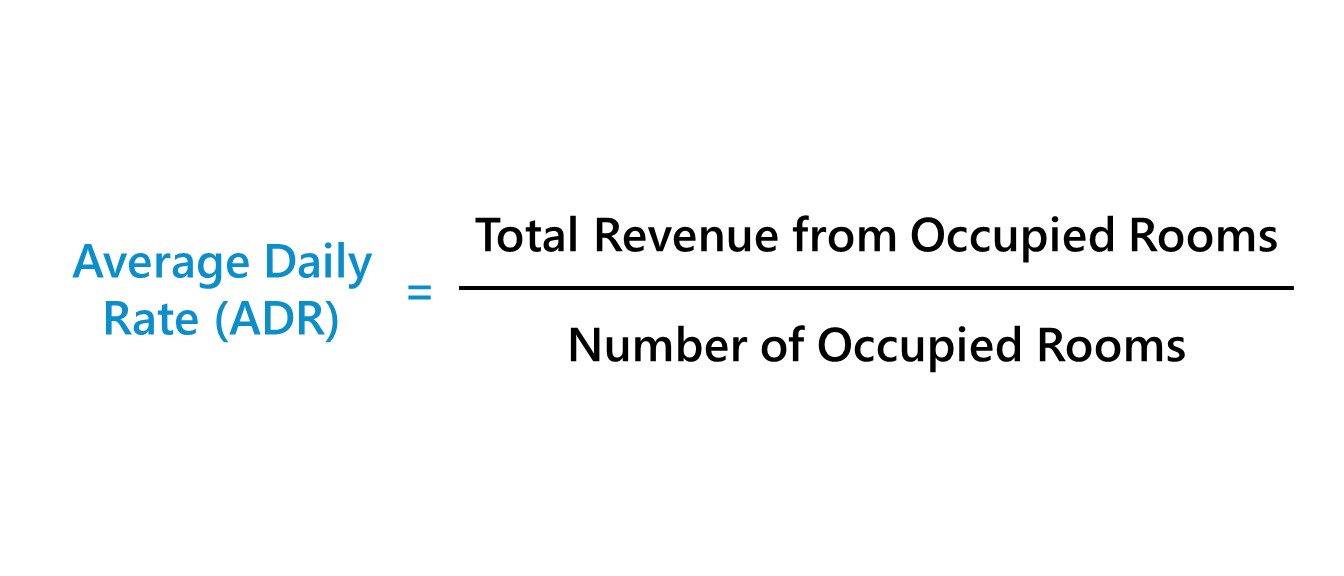
Calculating your hotel’s average daily rate is straightforward. In fact, the ADR formula hotel managers use is:
This simple daily rate calculation takes the total revenue from all rooms sold (in a given period, e.g. one day) and divides it by the number of rooms that were sold (occupied by paying guests in that period). For example, if in one day you sold 50 rooms and earned $10,000 in room revenue, your ADR for that day would be $10,000 ÷ 50 = $200. That means on average, guests paid $200 per room that night.
Let’s break down the daily rate calculation step-by-step:
- Determine Room Revenue: Add up all the revenue from room sales for the period. (Important: Only include actual room charges paid by guests. Exclude taxes, fees, and any non-room revenue like restaurant or spa charges.) For example, say on Tuesday your rooms brought in $15,000 in revenue.
- Count Rooms Sold: Find out how many rooms were occupied by paying guests during that same period. (Do not count vacant rooms, and also exclude any complimentary or house-use rooms given for free or to staff). Let’s say you sold 100 rooms that night.
- Apply the ADR Formula: Divide the total room revenue by the number of rooms sold. Using our example: $15,000 ÷ 100 rooms = $150 ADR. So your average daily rate was $150 per occupied room for that day.

Most hoteliers calculate ADR on a daily basis (hence the name), but you can also compute it for any period (monthly ADR, annual ADR, etc.) by using total room revenue and rooms sold for that period. Just remember that ADR excludes any rooms you didn’t actually sell. If a room wasn’t occupied by a paying guest, it doesn’t figure into ADR. This is why ADR gives a focused look at pricing: it’s telling you the average revenue from the rooms that had guests. (By contrast, another metric, RevPAR, will account for all rooms – more on that soon.)
Example: Imagine Hotel Ocean View sold 117 rooms out of 150 on a given night, earning $14,625 in room revenue. Using the formula, ADR = $14,625 ÷ 117 = $125. Now, note that if the next night the hotel only sold 83 rooms and made $10,375, the ADR could still be $125 ($10,375 ÷ 83) even though fewer rooms were sold and total revenue was lower. That example shows how ADR alone doesn’t tell you about occupancy or total revenue – it strictly measures average rate. So a consistent ADR can mask changes in occupancy (which is why we pair ADR with other metrics for a full picture).
A couple of nuances in ADR calculation for accuracy:
- Exclude freebies: Rooms given away as complimentary (to VIPs, as promotions, or staff use) should be left out of the “rooms sold” count and their $0 revenue excluded, because including them would drag your ADR down artificially with no revenue. ADR should reflect paying guests only.
- Multiple room types: If your hotel has different room categories at different rates, ADR is an average of all of them. Selling more high-end suites will lift ADR, whereas selling mostly basic rooms will lower it. Many hotels track ADR by room type as well, to see which categories drive the most revenue.
- Currency: ADR is expressed in whatever currency your revenues are in (dollars, euros, etc.). If you compare ADR internationally or across a portfolio, be mindful of currency differences – ADR is typically not adjusted for currency fluctuations in basic reporting.
In summary, calculating ADR is easy math, but it yields powerful insight. This ADR formula gives you a quick gauge of your pricing performance each day. Now that we have the formula down, let’s look at how ADR relates to that other common acronym – RevPAR – and why both matter.
ADR vs. RevPAR: What’s the Difference?
Hoteliers often discuss average daily rate vs. RevPAR in the same breath. While ADR tells you the average revenue per sold room, RevPAR (Revenue Per Available Room) tells you the average revenue per available room, whether sold or not. RevPAR essentially combines your occupancy and your ADR into one metric. Here’s how they differ and connect:
- ADR (Average Daily Rate): Measures rate – how much revenue you made per room sold. It ignores unsold rooms. ADR focuses only on pricing for occupied rooms. If you have a lot of empty rooms one night, ADR by itself won’t reflect that – it only averages the revenue of the rooms that did have guests.
- RevPAR (Revenue Per Available Room): Measures yield – how much revenue you made per room available (whether occupied or not). It accounts for both your pricing and your occupancy. In formula terms, RevPAR = ADR × Occupancy Rate, or equivalently RevPAR = Total Room Revenue ÷ Total Available Rooms. This means RevPAR “penalizes” you for empty rooms by spreading the revenue across all rooms.

If your ADR is high but you only filled half your rooms, RevPAR will show a lower number, indicating inefficiency in generating revenue from the inventory. ADR alone would look great (since the few rooms you sold were at a high rate), but RevPAR will reveal the lost opportunity of those unsold rooms.
To illustrate, let’s continue the earlier example of Ocean View Hotel: – They sold 117 of 150 rooms, ADR was $125. – Occupancy was 117/150 = 78% that night. – RevPAR can be calculated as $125 × 78% = $97.50, or directly $14,625 total revenue ÷ 150 available rooms = $97.50.
So in that scenario, ADR = $125 vs RevPAR = $97.5. The RevPAR is lower because it factors in the 33 rooms that earned nothing. Now, imagine the hotel next decided to lower rates a bit to fill more rooms: suppose they drop ADR to $120 and manage to fill 90% of rooms. If total revenue becomes $16,200 (135 rooms × $120), then RevPAR = $108 (16,200 ÷ 150), which is higher than before. Here, slightly reducing the rate increased overall revenue and RevPAR, thanks to higher occupancy. This interplay shows why hotels must balance rate and occupancy.
Key differences between ADR and RevPAR
ADR focuses on pricing success (are we selling rooms at a high price on average?), while RevPAR focuses on overall room revenue performance (are we filling our rooms at good rates?). Neither metric alone tells the whole story. A high ADR with low occupancy can yield mediocre RevPAR. A high occupancy with low ADR can also yield mediocre RevPAR. That’s why industry experts recommend looking at ADR and RevPAR together rather than choosing one over the other. ADR tells you if you’re keeping rates up; RevPAR tells you if you’re able to fill rooms at those rates.
In practical terms, ADR vs. RevPAR analysis helps in decision-making: – If ADR is much higher than RevPAR, it means occupancy is lagging. You might consider lowering rates or running promotions to boost occupancy (since RevPAR being below ADR means unsold rooms are dragging performance). – If RevPAR is growing but ADR is flat, that means occupancy is improving – perhaps you have room to increase rates. If ADR is growing but RevPAR is flat, occupancy might be dropping – guests might be resisting the higher prices, and you may need to adjust. – RevPAR is often dubbed the “gold standard” because it encapsulates both rate and occupancy. For example, investors like to track RevPAR as a summary of how well a hotel is filling rooms and at what rate. But ADR is a key piece of that equation and is directly within your control via pricing.
Real-world example
Marriott International reported an ADR of $202.75 with a 75.8% occupancy in North America for 2019. This resulted in a RevPAR of about $153.68 (202.75 × 75.8%). If Marriott only looked at the ADR in isolation, they’d see $202.75 and think pricing is strong; but the RevPAR of $153.68 contextualizes it with occupancy. Hotels often compare their RevPAR with competitors to gauge overall performance, but they also compare ADR to see pure rate positioning.
To sum up, ADR vs. RevPAR is not an either/or — both metrics are valuable. Use ADR to hone your pricing strategy and RevPAR to ensure that strategy is yielding enough total revenue. A hotel could boast the highest ADR in town but if its rooms are half-empty, a competitor with a moderate ADR and full house might outperform it in RevPAR (and profit). Always interpret ADR alongside occupancy or RevPAR to get the complete picture of your hotel’s health.
(And just a quick note: you might also hear about metrics like GOPPAR (Gross Operating Profit Per Available Room) or TRevPAR (Total Revenue Per Available Room). These take the concept further by looking at profit and total revenue streams. While beyond our scope here, it’s good to know that ADR and RevPAR, which focus on room revenue, are part of a larger family of performance metrics.)
What Is a Good Average Daily Rate?
What is a “good” ADR? Every hotel owner wonders this, but the honest answer is: it depends. A good average daily rate for a hotel is highly contextual – varying by location, hotel type, star rating, target market, and the competitive landscape. There is no one-size-fits-all dollar amount that universally qualifies as a good ADR. Instead, consider the following when evaluating your ADR:
Compare to Your Market and Segment
A strong ADR is one that is in line with or higher than your direct competitors’ ADRs while still maintaining healthy occupancy. For example, a midscale hotel in a small city will have a very different ADR benchmark than a luxury resort in a major metropolis. In practice, hoteliers use industry reports (like STR reports) or local benchmarks to see where they stand. If your ADR is, say, $100 but your competitors average $120, you might be underpricing (or offering less value). Conversely, if you’re at $150 while competitors are at $100, you may be a higher-end product – if you can fill rooms at that rate. So, “good” means competitive and appropriate for your market. As one guide emphasizes, compare your ADR to industry benchmarks and your comp set for context.
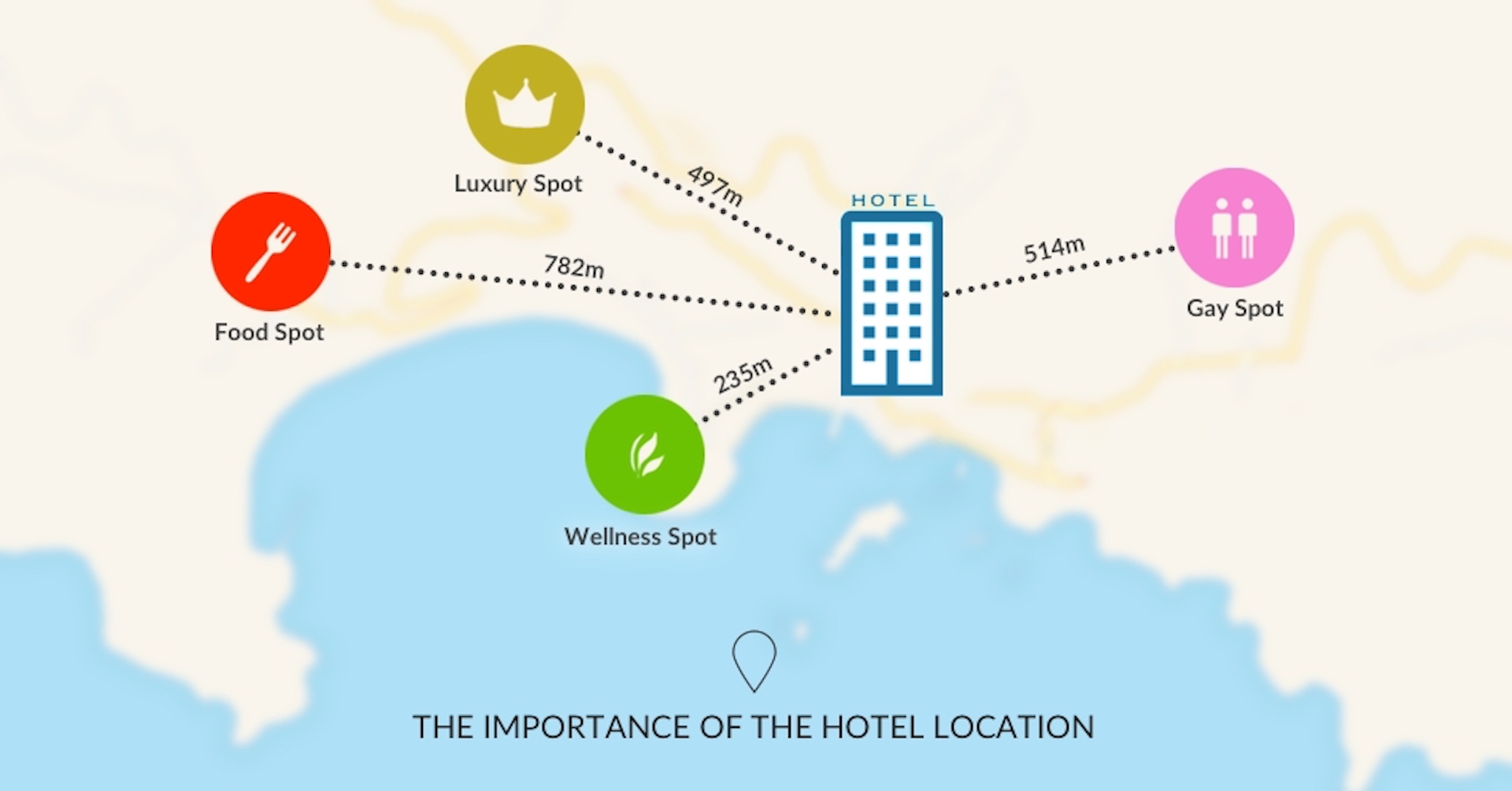
Consider Hotel Class & Location
ADR norms differ hugely by hotel category. Luxury hotels naturally have high ADRs, often several hundred dollars or more, because guests pay for premium amenities and service. For instance, a luxury hotel in New York or Paris might boast an ADR well above $500 in peak season. Mid-range hotels (standard business hotels, midscale brands) might see ADR in a moderate range – perhaps around $150–$250 in U.S. city markets (varying by city size).
Budget or economy hotels aim for volume and value, so their ADRs might be in the $50–$100 range in many markets. Even within the U.S., the average ADR differs: as of late 2024, the overall U.S. hotel ADR was around $156, but a high-demand market like San Diego achieved an ADR of $213 (in 2024, +1.3% YoY). Meanwhile, a midscale property in an emerging market might consider an ADR of $60–$80 good. For example, in India’s midscale segment, an ADR around ₹5,000–₹6,500 (≈ $60–$80) can be competitive in 2025. The key is acknowledging your hotel’s positioning. A “good” ADR is one that reflects the value you offer relative to your market.
Balance with Occupancy (RevPAR Focus)
A very high ADR is not “good” if it comes at the cost of very low occupancy. For instance, you could double your rates and your ADR would skyrocket – but if travelers balk and your occupancy tanks, you’ll likely earn less revenue overall and hurt your market share. A healthy ADR is one that maximizes revenue without sacrificing too many bookings. In other words, it’s about finding that sweet spot where your pricing boosts profit and keeps rooms reasonably full. In 2025, industry experts note that a good ADR is one that strikes the right balance between profitability and occupancy, supporting long-term revenue growth while staying competitive in your category. So, rather than chasing the highest possible ADR, focus on an optimal ADR that, together with your occupancy, gives the best RevPAR and guest mix for your business.

Guest Satisfaction and Value
Interestingly, what qualifies as a “good” ADR also ties to guest perception. If your guests feel your $300 rate is fully justified by the experience (flawless service, beautiful rooms, unique offerings), then that ADR is good and sustainable. But if ADR climbs without delivering value, guests may respond with lower demand or lower satisfaction. Today’s travelers are value-conscious; even luxury consumers expect an experience commensurate with the price. So, a good ADR is one you can achieve while still delivering on guest expectations (which in turn leads to repeat business and better reviews – feeding future pricing power).
Profit Considerations
Remember that ADR is a top-line metric – it doesn’t account for costs. Two hotels might both have a $200 ADR, but if one spends a lot more per room (labor, amenities) to earn that rate, their profit margins will differ. So internally, “good ADR” should also be looked at in context of profitability. That said, generally higher ADR (with stable occupancy) will lead to higher profits, so long as costs to achieve those rates don’t erode all the gains.
In summary, a good ADR is a relative measure. It depends on your hotel’s context. You should evaluate it against your competition, your historical trends, and your financial goals. If you’re beating the market and meeting your budget with an ADR that guests are willing to pay, you’re in a good spot. One hospitality source put it well: there’s no single ADR that works for every property – what matters is aligning your rates with your market position, guest expectations, and business objectives. Use ADR as a compass rather than a hard target. And remember, increasing ADR should not be done in isolation – always watch how it impacts occupancy and guest sentiment.
How to Increase ADR: Effective Strategies for Higher Daily Rates
Every hotel owner, whether running a small boutique inn or a large chain property, is interested in how to increase ADR without scaring off guests. The goal is to earn more revenue per room night by raising the average rate guests pay – but often not simply by raising rack rates across the board. It’s about smart strategies that add value, target the right customers, and optimize pricing. Below, we explore proven strategies to boost your ADR, with tips relevant to independent hotels and big brands alike:
Upsell Room Upgrades and Add-Ons
One of the quickest wins for increasing ADR is upselling. This means encouraging guests to spend a bit more for a better room or additional services. For example, if a guest has booked a standard room, train your front desk to offer an upgrade to a deluxe room or suite for a special price. If your standard room is $150, an upgrade for $50 extra pushes that booking’s rate to $200 – instantly lifting your ADR for that guest. Even if only a portion of guests accept, it can significantly boost overall ADR. Upselling isn’t limited to rooms; you can also upsell packages (e.g. “champagne and strawberries on arrival” package) or add-ons like breakfast, spa access, or late checkout for a fee. Independent hotels can leverage upselling by personalizing offers (e.g. offering a romantic package at a cozy B&B), while chain hotels often use loyalty profiles to target upsells (like offering elite members a paid upgrade at check-in). The key is to make the guest feel they’re getting enhanced value for a bit more spend. As a pro tip, bundle amenities into an appealing package name (e.g. “Romantic Getaway Package” including a room upgrade and wine) to justify a higher rate. Upselling effectively can raise ADR without altering your base rates – it’s about capturing more revenue from guests already inclined to spend.
Implement a Loyalty Program (or Recognize Loyal Guests)
Loyal guests tend to spend more, and loyalty programs can encourage that behavior. Big hotel chains have robust loyalty programs (Marriott Bonvoy, Hilton Honors, etc.) that reward guests for more stays and higher spending – often loyalty members get incentives to book premium rooms or spend on property. How does this increase ADR? Loyal guests might choose a better room or a suite upgrade using points or promotions, which increases the effective rate you earn. They may also be less price-sensitive since they value the perks and status. Independent hotels might not have a global points system, but you can still create a simple loyalty scheme or VIP guest program: e.g. “stay 10 nights, get one free” or offer returning guests a welcome gift or upgrade when available.

By making guests feel valued, they are more likely to come back and possibly book a higher category room next time. Marriott, for instance, has seen repeat members use points plus cash to get into club level rooms, driving up the ADR of those stays. Even if you’re an independent, consider partnering with other hotels or using third-party loyalty platforms to tap into this effect. The strategy: cultivate repeat guests who trust your brand so you can yield higher rates with them over time. (Plus, attracting direct bookings through loyalty perks saves commission costs, effectively boosting net ADR.)
Use Dynamic Pricing and Yield Management
Are your room rates the same on a packed Saturday as on a quiet Tuesday? If so, you’re likely leaving ADR gains on the table. Dynamic pricing means adjusting your rates in real-time based on demand, season, special events, and even booking pace. Most hotels today use some form of revenue management system (RMS) or at least manual yield management to vary prices. To increase ADR, you raise rates when demand is high (and perhaps lower them when demand is soft to boost occupancy – but the net effect should be higher revenue). For example, a ski resort might charge 25% higher rates on winter weekends and holidays when demand peaks. If your base rate is $200, dynamic pricing could push it to $250 or $300 on peak dates, lifting your average daily rate over the season. Chain hotels often have sophisticated RMS that forecast demand and set prices accordingly, helping maximize ADR during events or citywides.

Independent hotels can also benefit from simpler tools or channel manager features that allow rate changes daily or even hourly. The important part is to research your local events calendar and booking patterns: if there’s a citywide convention or festival, don’t be caught underpricing your rooms. One study noted that hotels leveraging dynamic pricing in 2025 managed to improve ADR significantly by capitalizing on demand surges. And during low season, strategic discounts or promotions can help fill rooms – keeping RevPAR steady – but always come back to raising rates when demand returns. Tip: Consider using length-of-stay controls (like minimum stay requirements during high-demand periods) to both boost ADR and manage occupancy efficiently. Also, ensure your team is monitoring competitor rates so you’re not charging far less than the market when you could be higher. In short, dynamic pricing lets you sell the right room to the right guest at the right price, which is the heart of revenue management – and a proven path to higher ADR.
Enhance Your Value Proposition (Upgrade the Guest Experience)
One of the more indirect but powerful ways to raise ADR is to make your product and service so appealing that guests willingly pay more. Think of world-class hotels like The Ritz-Carlton – guests happily pay a premium (ADR often $500+ a night) because they know they’ll receive exceptional service, luxury amenities, and an overall outstanding experience. You don’t have to be a Ritz-Carlton, but investing in guest experience can justify higher rates for your property too. This could mean renovations to modernize rooms, adding popular amenities (rooftop bar, spa, high-speed Wi-Fi, premium bedding), or training staff to deliver personalized service that wows guests. For independent hotels, maybe it’s a unique design and local charm; for a chain hotel, maybe it’s brand-standard perks plus local touches. When guests feel like they’re getting a high-value, differentiated experience, they are less resistant to rate increases.
If your hotel adds a complimentary airport shuttle, a welcome drink, and a revamped breakfast buffet, you might successfully move your ADR from $100 to $120 because the perceived value has increased (guests see more included for the price). Similarly, utilizing guest data to personalize stays (like remembering a repeat guest’s room preference or special occasions) can earn loyalty and pricing power. Today’s travelers read reviews avidly – if improvements boost your ratings and reputation, you can charge more. Actionable moves: conduct periodic upgrades, solicit guest feedback for what enhancements they’d pay for, and highlight these value-adds in your marketing. Even small touches like better in-room coffee, plush linens, or a free local treat can allow you to inch rates upward without hurting guest satisfaction. In essence, the more value and uniqueness you offer, the more you can confidently raise your ADR – because guests will feel it’s worth it.
Create Special Packages and Themed Offers
Packaging can be a magic tool for increasing ADR. Instead of selling a room night alone, bundle it with other services or experiences at a combined higher price. Done right, packages provide convenience and perceived savings to guests while actually encouraging them to spend more than they might have otherwise. For instance, a seaside resort might offer a “Weekend Spa Retreat” package: for $800 it includes two nights’ accommodation, a spa treatment, and dinner for two. If the room-only rate would have been $350/night ($700 for two nights), this package effectively ups the ADR to $400/night by packaging extras. Guests are enticed by the inclusive experience, and the hotel secures a higher rate by bundling. Common successful packages include romance packages, family adventure packages (with tickets to local attractions), dining packages, event-based packages (e.g. New Year’s Eve stay with gala access), etc.
Independent hotels can leverage local partnerships here – e.g. partner with a local tour operator or restaurant to create a unique package. This not only differentiates you but also justifies a higher price point. Chain hotels often have the advantage of brand-wide packages or loyalty member exclusives (like bonus points packages that effectively raise the rate). When designing packages, be creative but also ensure it’s operationally feasible and truly adds value to the guest. Themed offers tied to events (think “Marathon Weekend Package” during a city marathon, or holiday season specials) can also allow a rate premium. The win-win: the guest enjoys a fuller experience, and you enjoy a higher ADR and often longer length of stay. Just be sure to monitor the profitability of packages (don’t give away so much that the margins suffer), and market them to the right audience at the right time.
Optimize Channel Mix and Distribution
This strategy is a bit more behind-the-scenes, but it can influence your achieved ADR. Not all booking channels are equal – for example, bookings from Online Travel Agencies (OTAs) often involve paying commissions or participating in discount programs, which can dilute your effective rate. Driving more direct bookings at your best available rate will generally increase the net ADR you earn (since you keep the full revenue without hefty third-party cuts). To do this, ensure your website and booking engine are user-friendly and offer perks for booking direct (like a small discount, free upgrade, or amenity for direct bookers). Also, manage OTA presence smartly: ensure rate parity (don’t accidentally undercut your own rates), and consider limiting discounts or paying for higher visibility only on need periods. Another aspect is maintaining rate integrity – avoid too much reliance on wholesale contracts or group rates that are far below your BAR (Best Available Rate), as selling a large chunk of inventory at low rates drags down your overall ADR. Many independent hotels in particular improved their ADR by fine-tuning their channel mix, using channel managers to ensure they’re selling on profitable channels and not overusing deeply discounted channels.
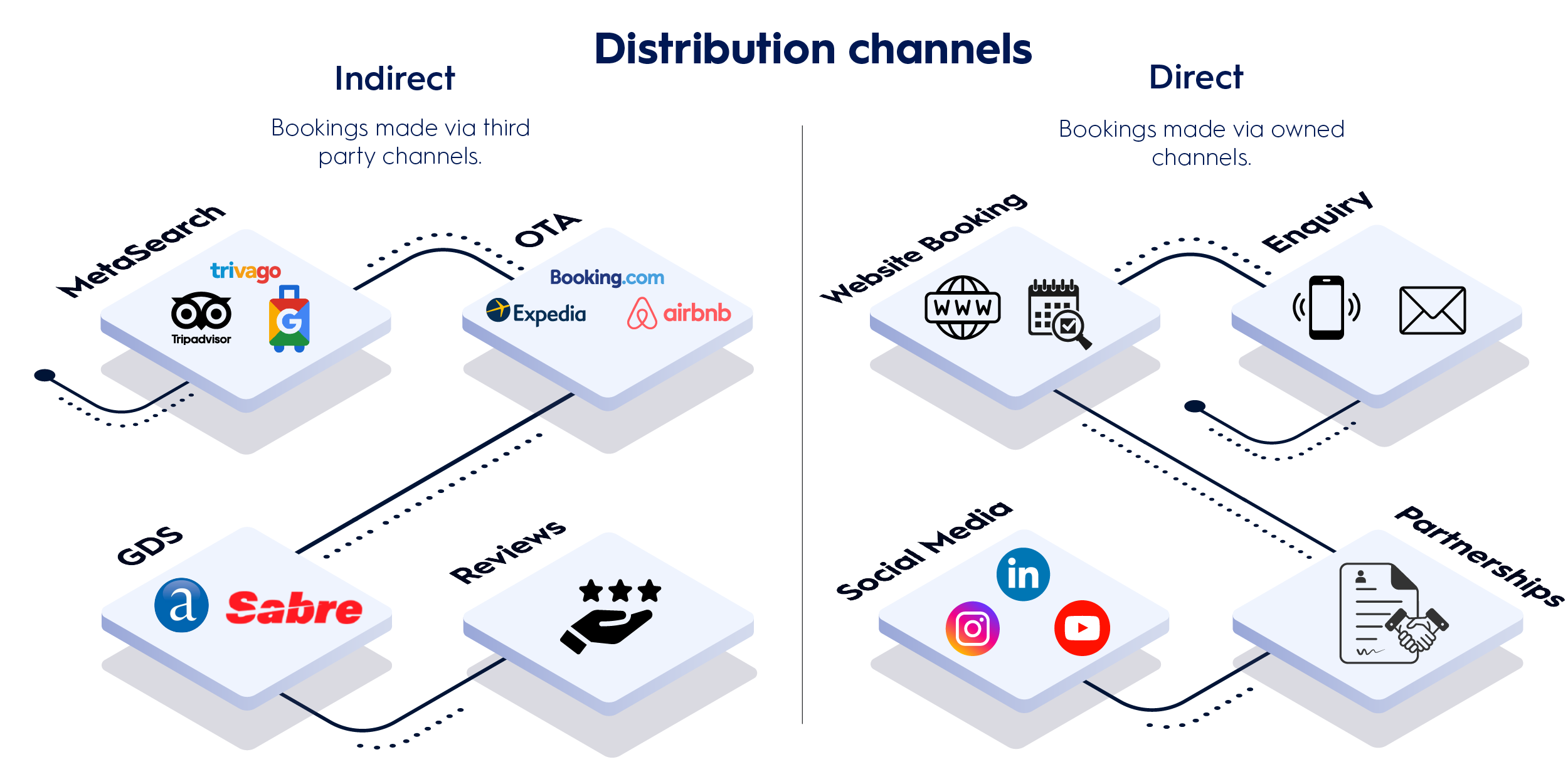
Chain hotels often have the advantage of loyalty-driven direct bookings and corporate contracts at decent rates, but they too must watch that discounted promotions (like member only sales) don’t erode ADR long-term. The takeaway: by optimizing where and how you sell your rooms, you can yield higher average rates. A fully booked hotel isn’t as great if too many rooms were sold too cheaply. So aim to fill rooms through channels that give you a higher ADR contribution. This might mean investing in digital marketing for direct sales, using meta search, or working with niche travel advisors for higher-rate clientele, etc. In sum, smarter distribution = higher sustainable ADR.
Manage Your Market Mix (Group vs. Transient Business)
This is more applicable to larger hotels, but worth mentioning. If your property regularly hosts group events or corporate contracts, you likely offer those clients lower-than-average rates in return for volume. That can pull your ADR down. To increase ADR, carefully balance your mix of group and transient (individual) business. For example, during high-demand periods, you might allocate fewer rooms to low-rated group blocks so you can sell more rooms at higher transient rates. One hotel industry tip is to yield your group business: don’t sign all groups at heavy discounts far in advance, especially over prime dates, unless they’re absolutely necessary. By keeping flexibility, you can take more higher-paying guests. Amadeus Hospitality advises evaluating how many rooms to give to groups vs transient during peak times to optimize ADR. Independent hotels might not have a lot of group tours or conference blocks, but even they might deal with OTA promotions (bulk deals) which are analogous – limit those on peak dates. Chain hotels typically have sales teams for group contracts; aligning sales and revenue management to ensure group rates don’t kill your ADR in busy seasons is key. The bottom line: by yielding higher-rated business (even if it means saying “no” to some low-rate volume business), you drive up your average rate. Of course, this must be balanced with maintaining base occupancy – it’s a strategic tightrope.
Lastly, a general piece of advice for increasing ADR: monitor and adjust continuously. Use data and technology to track how your ADR changes with your actions. Modern property management systems often have real-time ADR dashboards. Analyze which strategies gave you an uptick – was it that summer package, the new upsell program, or a particular event? Also watch your guest feedback; ensure the changes aimed at boosting ADR are resonating well with customers. ADR improvement is an ongoing effort, part of the broader revenue management cycle.
By applying these strategies, you can confidently lift your ADR over time. Whether you run an independent boutique hotel or a franchise property, the core principles are the same: offer more value, target the right guests, and price smartly. The result will be guests who don’t mind paying a bit more and a healthier bottom line for your business.
Final Thoughts
Mastering ADR is about finding the sweet spot where your pricing maximizes revenue and delights your guests. Average daily rate is a metric that should guide your decisions, not dictate them in isolation. Always pair your ADR insights with occupancy and RevPAR to ensure you’re seeing the full picture. A “good” ADR is one that aligns with your market conditions and supports your hotel’s long-term strategy – whether that’s positioning yourself as a high-end luxury escape or a high-value budget choice.
Remember that boosting ADR isn’t just about charging more; it’s about earning more by delivering value and being strategic with how you sell your rooms. As we’ve seen, you can use a variety of tactics – from upselling and dynamic pricing to packages and loyalty programs – to incrementally raise that average rate in a way that guests find acceptable (even enjoyable!). Small improvements in ADR, sustained over time, can lead to significant revenue gains.
In the competitive hotel landscape of 2025 and beyond, average daily rates will continue to be a key performance indicator. Use it as a compass to navigate pricing decisions, but never lose sight of the bigger goal: filling your rooms with happy guests and achieving a strong overall revenue. By understanding ADR deeply and managing it proactively, you’ll keep your hotel on track to greater profitability and success.