


In an era where modern travelers inspect digital storefronts long before stepping into a physical lobby, a property’s online brand perception dictates commercial success. Active review monitoring and systematic sentiment analysis are critical for protecting room rates and maintaining high occupancy across competitive markets. This blog will provide a comprehensive guide to hotel reputation management, exploring the operational frameworks, review response strategies, and software tools needed to transform guest feedback into sustained revenue.
What Is Hotel Reputation Management In The Digital Era?
Hotel reputation management is the process of monitoring, influencing, and elevating how a property is perceived across digital booking channels and physical operational environments. This discipline encompasses managing guest reviews on online travel agencies, metasearch platforms, social media networks, and traditional search engines. The primary objective is to amplify positive guest experiences while identifying and resolving operational shortcomings before they damage long-term brand equity. For independent hotels and multi-property groups alike, systematic reputation management serves as a vital defensive and offensive commercial strategy.
Beyond Standard Bookkeeping And Digital Directories
Historically, hotel marketing prioritized traditional advertising and relationships with travel agents to secure room bookings. Today, the digital landscape functions as an open forum where previous guests hold significant influence over future booking decisions. Potential guests rely on peer reviews to evaluate property cleanliness, staff professionalism, and overall value for money. As a result, maintaining an unblemished online reputation is just as important as maintaining physical facility standards.

This marketing discipline requires continuous oversight because traveler opinions are published 24 hours a day across global time zones. A single unanswered negative review can deter prospective guests who are actively comparing accommodations within a specific geographic destination. Consequently, property managers must treat their online review profiles as dynamic, interactive customer service channels rather than static business directories.
The Unique Nature Of Digital Social Proof
Social proof is a psychological phenomenon where individuals assume the actions and opinions of others reflect correct behavior. In the hospitality sector, authenticated online reviews serve as the strongest form of digital social proof available to consumers. When travelers see dozens of detailed, glowing endorsements from recent guests, their booking confidence increases significantly. This validation reduces purchasing anxiety, especially for international travelers booking unfamiliar accommodations in foreign destinations.

Conversely, a lack of reviews or an abundance of unaddressed complaints signals operational neglect to potential visitors. Digital social proof cannot be manufactured or bought; it must be earned through consistent service delivery and proactive guest engagement. Hotel marketers who actively nurture their digital word-of-mouth build a sustainable competitive advantage that outlasts seasonal advertising campaigns.
The Flywheel Effect Of Positive Guest Experiences
Effective reputation management creates a powerful commercial flywheel that accelerates property growth and profitability over time. The cycle begins when operational excellence delivers an exceptional on-site experience that motivates guests to publish positive online reviews. These positive reviews improve property review scores, which directly increases visibility across booking platforms and organic search results.

As visibility and trust increase, the property attracts a higher volume of direct bookings and secures pricing power over local competitors. This additional revenue provides the financial capital needed to reinvest in property upgrades, staff training, and guest amenities. Reinvesting in operations further elevates the guest experience, generating even more positive reviews and keeping the revenue flywheel spinning continuously.
The Financial Impact Of Online Reviews And Ratings
The relationship between digital sentiment and financial performance is supported by extensive hospitality research and empirical market data. Ignoring online reviews is not a passive operational choice; it actively results in lost revenue and diminished market share.
How Review Scores Influence Booking Decisions And Occupancy
Consumer research demonstrates that online reviews are often the deciding factor when travelers choose between competing lodging options. Recent industry data reveals that 70.9% of travelers state that a hotel’s online reputation directly influences where they choose to stay. Furthermore, 81% of travelers report that they always or frequently read user reviews before finalizing a lodging reservation.

The presence of reviews is just as critical as the score itself when converting digital lookers into confirmed buyers. Research shows that 49% of travelers will refuse to book a hotel that has zero online reviews, viewing unreviewed properties as risky investments. Silence on review platforms effectively closes the digital storefront to nearly half of the potential booking market. Active review solicitation is therefore mandatory for maintaining healthy occupancy rates throughout the year.
Quantifying Revenue Loss From Decreased Star Ratings
The financial consequences of a declining reputation are severe, directly impacting top-line revenue and net operating income. Academic and industry studies confirm that a single-star decrease in a hotel’s average review rating can trigger a 5% to 9% drop in total revenue. When review scores slip, online travel agencies and metasearch engines automatically reduce property visibility within search algorithms.

To compensate for lost algorithmic visibility and declining occupancy, managers are often forced to discount average daily room rates. Discounting rates to attract price-sensitive travelers erodes gross operating profit margins while attracting guests who are statistically less likely to purchase ancillary services. Maintaining high review scores protects rate integrity, allowing properties to preserve profitability during economic downturns and shoulder seasons.
Justifying Premium Room Rates Through Exceptional Sentiment
Travelers do not search for the cheapest room available; they search for the best value and the most reliable travel experience. A comprehensive study revealed that 79% of surveyed users prefer to book accommodations with higher review ratings when comparing two identical properties. When consumers feel confident that a hotel will deliver an exceptional stay, their price sensitivity decreases noticeably.

High review scores give revenue managers the leverage needed to push average daily rates above peer competitors within their destination. Guests willingly pay a rate premium when positive reviews confirm exceptional bed comfort, quiet rooms, and personalized staff attention. Strong reputation metrics transform a commoditized hotel room into a premium, sought-after hospitality product.
Table 1.1. The Financial And Behavioral Impact Of Hotel Reviews
| Research Metric | Consumer Behavior Or Financial Impact | Strategic Operational Implication |
|---|---|---|
| 81% of Travelers | Always or frequently read online reviews before booking | Review profiles must be monitored daily and treated as primary sales channels |
| 70.9% of Travelers | State online reputation directly influences hotel selection | Brand perception dictates market share against local destination competitors |
| 49% of Travelers | Will not book a hotel that has zero online reviews | Automated review solicitation is required to maintain review velocity |
| 5% to 9% Revenue Dip | Occurs following a 1-star drop in average review ratings | Protecting review scores is essential for preserving annual room revenue |
| 79% of Consumers | Prefer higher-rated accommodations when options are identical | Superior sentiment provides pricing power and justifies rate premiums |
Seven Core Strategies For Effective Review Management
Taking control of your property’s digital narrative requires a structured, multi-channel approach to feedback collection and response workflows. Hospitality leaders deploy seven foundational strategies to protect their brand equity and drive continuous revenue growth.
Streamlining Pre-Stay And Post-Stay Feedback Surveys
The most effective way to manage online reviews is to capture guest feedback before it reaches public review platforms. Hoteliers should implement automated feedback surveys sent via SMS or email during the guest stay and immediately following check-out. Intercepting dissatisfied guests while they are still on property allows management to resolve service failures before departure.
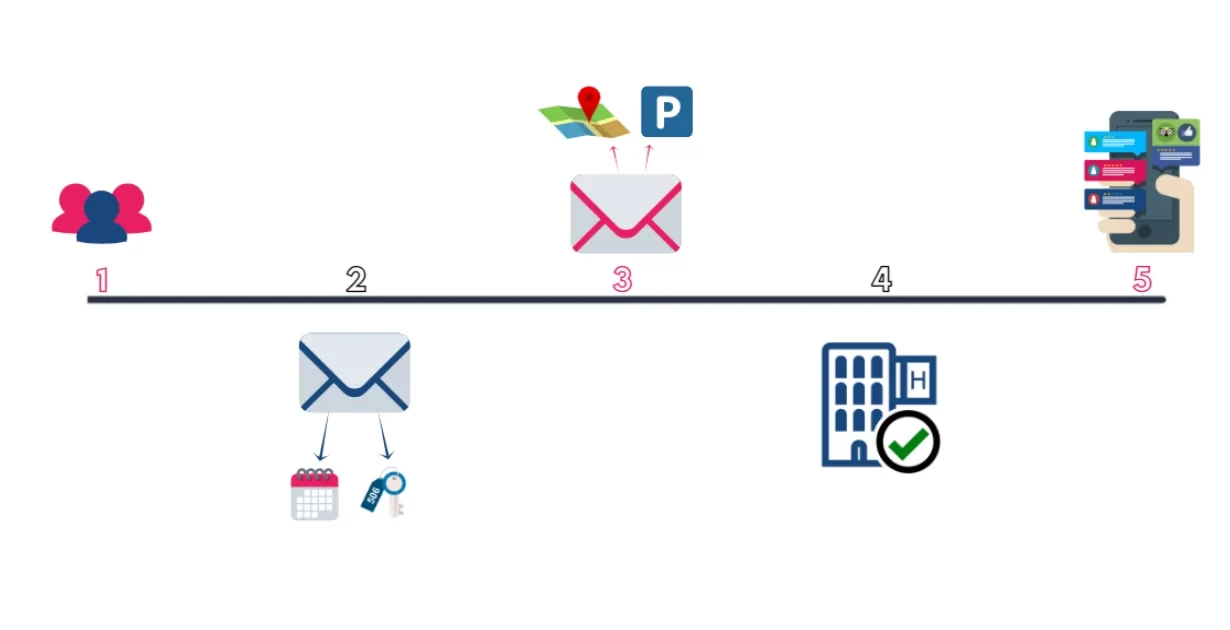
When guests receive a prompt, personalized survey inquiring about their check-in experience, they feel valued and heard by management. For post-stay communications, properties can utilize review collection platforms like Swell or GuestRevu to automate customizable feedback invitations. Happy guests are directed to public sites like Google and TripAdvisor, while critical feedback is routed internally for immediate operational resolution.
Establishing Multi-Channel Monitoring Systems
A comprehensive reputation strategy requires tracking brand mentions across every platform where travelers research and discuss accommodations. This monitoring footprint must include primary booking engines like Booking.com and Expedia, review giants like TripAdvisor, and search leaders like Google Reviews. Furthermore, hoteliers must monitor metasearch networks and regional travel directories where property profiles exist.

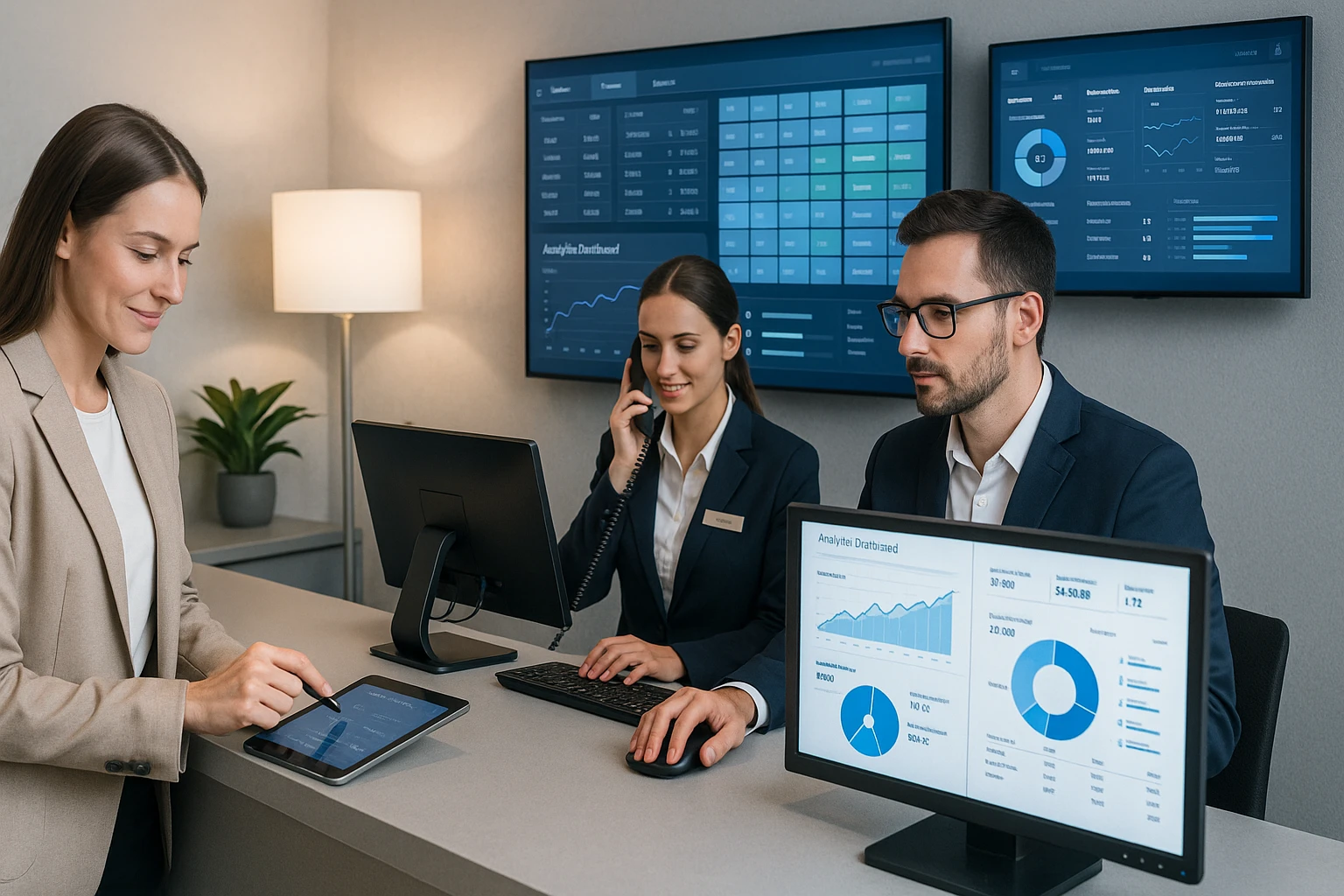
Because checking dozens of websites manually is inefficient, operators should deploy listening tools such as Mention or set up automated Google Alerts for brand terms. For centralized management, specialized dashboard tools like Reputology allow teams to track and respond to reviews across multiple sites from a single interface. Integrating software solutions like ReviewFilter ensures that no guest comment slips through the operational cracks unnoticed.
Responding To Positive Feedback To Encourage Repeat Visits
While managers often prioritize resolving negative reviews, acknowledging positive feedback is equally important for building brand loyalty. Taking the time to thank satisfied guests reinforces their positive memories and encourages them to return for future stays. A warm, professional reply signals to prospective travelers browsing the profile that management genuinely appreciates its clientele.
When responding to five-star reviews, staff should personalize the message by referencing specific compliments mentioned by the guest. If a reviewer praised the breakfast pastry selection or the concierge service, acknowledging those specific details makes the response feel authentic. Personal recognition transforms satisfied visitors into vocal brand advocates who actively recommend the property to friends and colleagues.
Resolving Negative Reviews With Empathy And Professionalism
Negative reviews represent critical moments of truth for a hotel brand, requiring swift, empathetic, and professional intervention. Research indicates that negative reviews can deter up to 22% of prospective customers from booking a specific hotel profile. However, data from Yelp reveals that 33% of users will upgrade their negative review if the business responds with a personalized message within 24 hours.
When addressing public criticism, management must never become defensive, argumentative, or dismissive of the guest’s reported experience. A professional response begins with a sincere apology for the service shortfall, followed by an explanation of the steps being taken to correct the issue. Demonstrating accountability shows prospective guests that the hotel prioritizes quality control and takes customer satisfaction seriously.
Structuring Standardized Response Templates Without Sounding Robotic
To maintain response efficiency across busy front desk teams, property managers should develop structured response frameworks and templates. Having pre-approved messaging guidelines helps staff respond quickly to both routine compliments and complex service complaints. Templates ensure that all replies adhere to legal and operational standards while reducing the administrative burden on managers.

However, staff must customize these templates for every individual response to avoid sounding robotic or insincere. Repeating identical, boilerplate text across multiple reviews signals apathy and damages brand credibility in the eyes of consumers. Staff should use the template as a structural foundation, weaving in the guest’s name, their specific room type, and unique details from their review.
Maintaining Brand Voice Consistency Across Frontline Teams
In multi-property groups or large hotels, several team members often share the responsibility of responding to online reviews. To prevent disjointed messaging, organizations must establish clear tone-of-voice guidelines that align with the core brand identity. Whether the property is a luxury resort or a budget business hotel, the written tone must remain consistent across all digital channels.
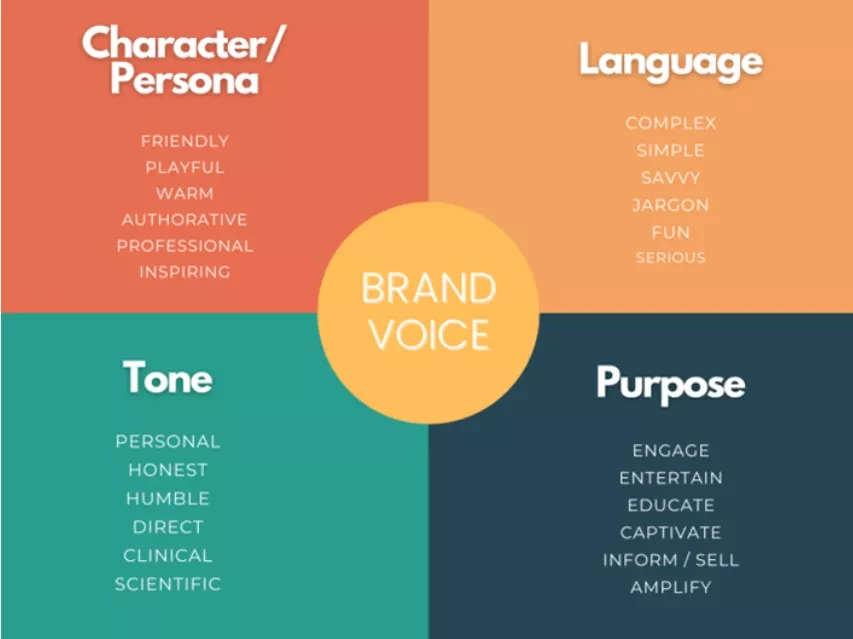
Training frontline teams on digital communication etiquette ensures that every staff member represents the brand professionally online. Organizations should establish clear escalation protocols, defining exactly when a complex complaint must be transferred to the General Manager or Director of Guest Relations. Consistent communication builds brand equity and presents a unified, reliable identity to the global travel market.
Showcasing Social Proof On Proprietary Hotel Websites
Hoteliers should actively leverage their positive third-party reviews by integrating them directly into their proprietary website architecture. Displaying authenticated guest testimonials on the property homepage and room detail pages builds immediate trust with direct website visitors. Featuring social proof natively reduces the likelihood that visitors will leave the website to check reviews on external OTA platforms.
To maximize the impact of this content, marketing teams can create a dedicated testimonials landing page that highlights glowing feedback and guest stories. Software plugins and review widgets allow websites to sync and display real-time five-star reviews from Google and TripAdvisor automatically. This seamless presentation of social proof validates marketing claims and accelerates conversion rates for direct booking engines.
Best Practices For Crafting Review Responses
The quality and tone of management responses directly influence how prospective travelers judge a hotel’s hospitality standards. Research confirms that 65% of users prefer hotels that actively respond to reviews, and 85% are more impressed by a hotel after reading a thoughtful management response to a negative comment. Furthermore, 63% of travelers are more likely to book if owners respond to the majority of reviews, and 77% say personalized replies increase their booking intent.
Rules For Addressing Positive Guest Comments
When drafting responses to positive reviews, management should aim to reinforce the property’s unique selling propositions. A successful reply should express genuine gratitude, address the reviewer by name, and highlight the specific amenities they enjoyed. Reitering positive comments about the spa facilities or central location serves as subtle marketing for other travelers reading the exchange.
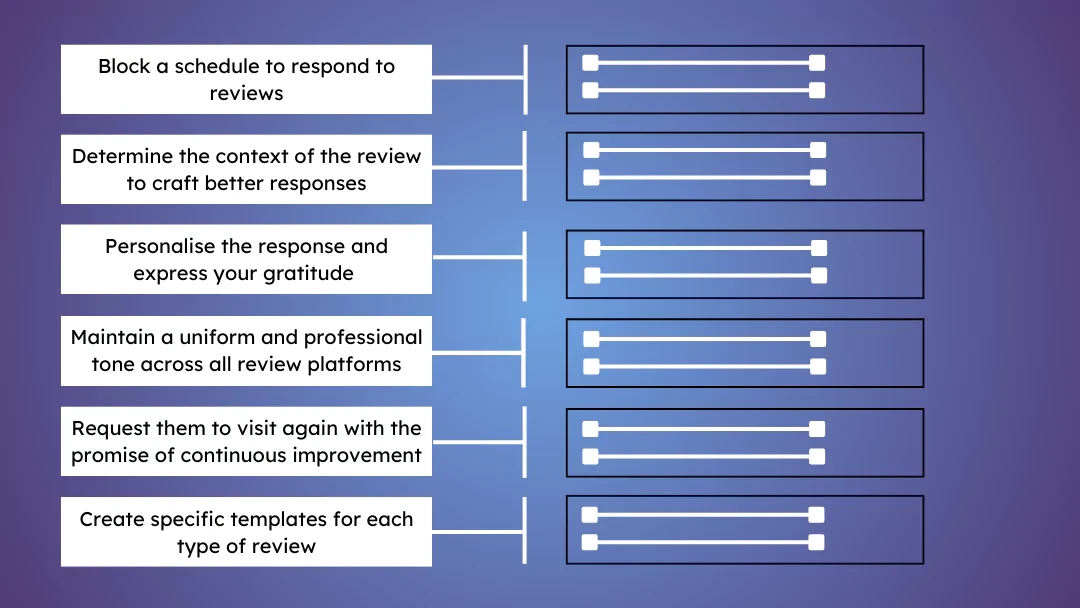
Staff should always conclude positive responses by inviting the guest back for a future stay, suggesting an upcoming seasonal event or new menu launch. Keeping the tone warm and conversational builds an emotional connection that encourages repeat bookings. Keep replies concise, positive, and focused on celebrating the guest’s enjoyable experience.
A Step-By-Step Framework For Handling Negative Criticism
Handling negative reviews requires a disciplined, four-step framework designed to de-escalate tension and protect brand reputation. First, thank the guest for their feedback and acknowledge their frustration without immediately deflecting blame. Second, offer a sincere, professional apology for the specific service failure they experienced during their stay.
Third, explain the tangible operational adjustments the hotel is implementing to ensure the issue does not happen again. Finally, take the conversation offline by providing a direct phone number or email address for the General Manager to discuss compensation or resolution privately. This structured approach demonstrates empathy, accountability, and a commitment to continuous quality improvement.
Table 1.2. Review Response Action Plan By Sentiment
| Review Sentiment | Primary Response Objective | Essential Response Components | Operational Follow-Up |
|---|---|---|---|
| Positive (4-5 Stars) | Express gratitude and build brand loyalty | Use guest name, reiterate specific compliments, and extend a warm return invitation | Share positive feedback with mentioned staff to boost morale |
| Neutral (3 Stars) | Appreciate balanced feedback and address minor flaws | Thank reviewer, highlight positive notes, and explain improvements for noted shortcomings | Log minor complaints in maintenance or housekeeping tracking software |
| Negative (1-2 Stars) | De-escalate public tension and demonstrate accountability | Apologize sincerely, explain corrective actions taken, and provide direct offline contact info | Investigate root cause with department heads and execute staff retraining |
Operational Excellence As The Bedrock Of Brand Perception
The most sophisticated digital reputation strategies cannot compensate for chronic operational failures or poor on-site customer service. True reputation management begins in the physical hotel, utilizing review data to diagnose and correct operational deficiencies.
Extracting Operational Insights From Feedback Patterns
Online reviews provide an unfiltered, real-time diagnostic feed regarding a hotel’s daily operational performance. When managers analyze feedback across hundreds of reviews, clear patterns and operational bottlenecks begin to emerge. Recurring mentions of slow check-in queues, lukewarm shower water, or inconsistent housekeeping reveal systemic issues that require immediate intervention.
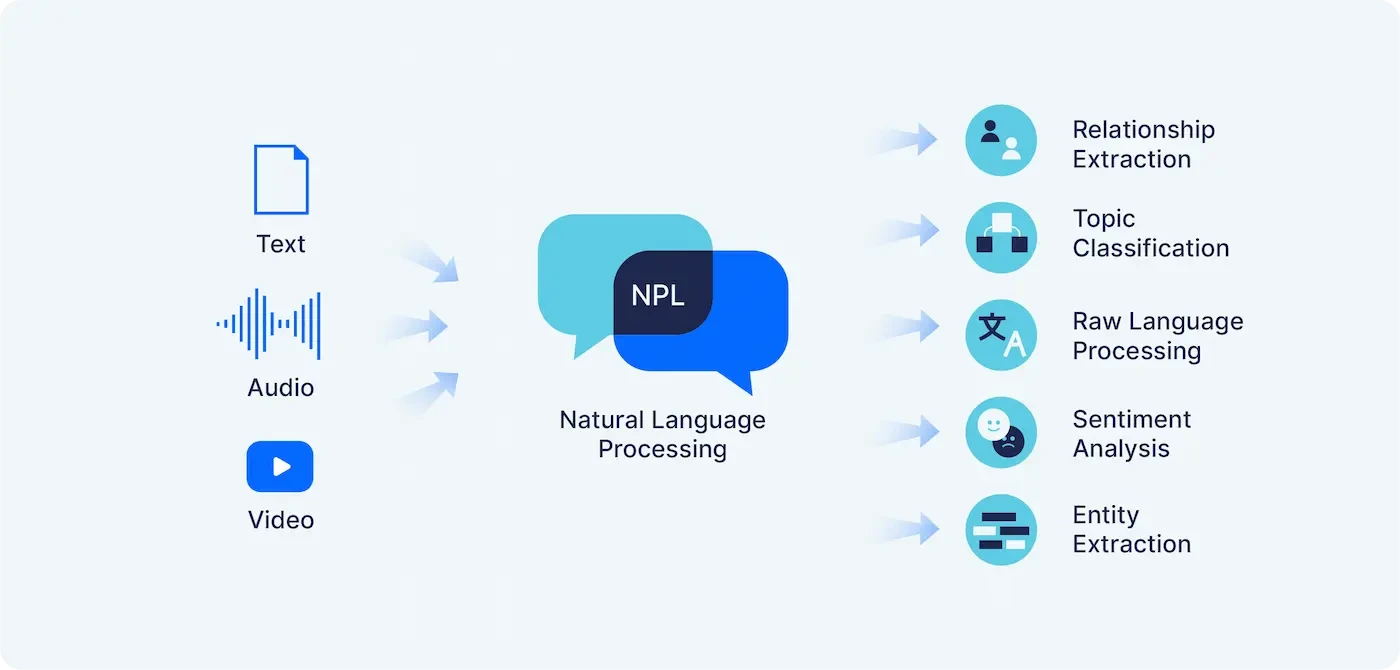
Property leaders should utilize sentiment analysis tools to categorize feedback by department, isolating performance trends in housekeeping, front desk, and maintenance. Identifying that breakfast complaints spike on Sunday mornings allows management to adjust staffing levels or kitchen workflows to meet peak demand. Treating review data as operational intelligence turns subjective guest comments into objective operational benchmarks.
Aligning Staff Training With Recurring Guest Complaints
Once operational weaknesses are identified through review analysis, management must align staff training programs to address those specific root causes. If guest feedback highlights unhelpful concierge interactions, the front office manager must conduct mandatory retraining on hospitality standards and local destination knowledge. Training initiatives should be directly linked to solving the specific complaints surfacing in online reviews.

Management should also use review transparency to motivate and reward staff members who deliver exceptional service. When employees are recognized by name in five-star reviews, publicly celebrating their efforts during team briefings boosts morale and reinforces service standards. Connecting daily staff performance to public reputation metrics fosters a culture of accountability and excellence across all departments.
Scaling Reputation Management Across Multi-Property Portfolios
For hotel groups and chain operators, managing brand reputation across multiple geographic locations introduces complex logistical challenges. Corporate leadership must establish standardized reputation protocols that dictate response timelines, tone-of-voice rules, and escalation procedures for every property. Centralizing oversight ensures that brand equity is protected uniformly, whether the guest stays in a flagship urban hotel or a regional airport property.
To manage scale effectively, portfolio operators utilize enterprise platforms like TripAdvisor Reputation Pro and integrated technology stacks. These tools allow regional directors to benchmark property review scores against one another and against local competitor sets. Establishing cross-property visibility allows corporate teams to identify underperforming locations quickly and deploy operational support to protect brand standards.
The Synergy Between SEO Social Media And Reputation
Reputation management does not operate in a marketing silo; it directly intersects with search engine optimization and social media visibility. Unifying these digital disciplines maximizes organic reach and drives high-converting traffic to direct booking channels.
Boosting Search Visibility Through Google Business Profiles
Google utilizes review data as a primary ranking signal for local search results and map pack visibility. A property’s Google Business Profile depends heavily on review velocity, review volume, and overall star ratings to secure top organic rankings. When hoteliers actively generate fresh reviews and respond promptly, Google rewards the listing with increased search visibility.

To maximize local SEO benefits, managers should incorporate relevant keyword phrases naturally into their review responses. Mentioning specific terms like “downtown luxury hotel,” “wedding venue,” or “conference facilities” in replies helps Google associate the property with those lucrative search queries. Combining active review management with complete profile optimization ensures dominance in local destination search results.
Managing Social Media Mentions And Direct Messaging
The modern guest journey extends across social media networks, where travelers share photos, tag locations, and voice complaints in real time. Hotel marketers must actively monitor brand mentions, tags, and comments across platforms like Instagram, Facebook, and TikTok. A guest posting a complaint about a delayed room service order on Twitter expects an immediate response from the brand’s social media team.

Integrating social media listening tools into the reputation workflow allows properties to resolve real-time complaints before they turn into permanent online reviews. Promptly addressing a guest’s concern via direct messaging while they are still on property frequently turns a potential one-star review into a five-star compliment. Social media channels must be managed with the same professional rigor and responsiveness as traditional review platforms.
Why Reputation Management Is A Foundational SEO Pillar
Search engine optimization and reputation management share the ultimate goal of building digital authority and consumer trust. Google’s search algorithms prioritize websites that demonstrate Experience, Expertise, Authoritativeness, and Trustworthiness (E-E-A-T). High review scores across reputable third-party platforms provide undeniable external validation of a hotel’s trustworthiness and operational quality.
When search engines see consistent, highly rated brand mentions across the web, they rank the hotel’s proprietary website higher for competitive keywords. Strong brand reputation increases organic click-through rates, as travelers naturally favor search results associated with highly rated properties. Investing in reputation management strengthens the technical and semantic signals required to win the competitive SEO battle for direct hospitality bookings.
Conclusion
Hotel reputation management is an essential commercial discipline that directly influences guest booking decisions, room pricing power, and organic search visibility. By actively monitoring multi-channel feedback, responding thoughtfully to all reviews, and utilizing sentiment data to correct operational flaws, hotels protect their revenue and build lasting brand loyalty. Integrating software tools with everyday operational excellence ensures your property maintains a competitive advantage across all digital storefronts.
Reaching the top of local search results and turning positive guest sentiment into commission-free direct bookings requires specialized digital marketing expertise. Partner with the hospitality performance experts at ROI300 to implement a data-driven reputation, SEO, and conversion rate strategy tailored to your property. Contact ROI300 today to audit your digital brand perception, dominate competitor search rankings, and maximize your direct booking revenue.