


When travelers begin planning their next vacation or business trip, their journey almost always begins with a search engine. Securing top placements in organic search results is essential for properties looking to drive website traffic and reduce dependency on third-party booking channels. This blog will provide a comprehensive guide to SEO for hotel owners and marketers, exploring the technical foundations, content strategies, and local optimization techniques needed to maximize commission-free revenue in 2026.
Understanding The Power Of Organic Search In Hospitality
Search engine optimization is the practice of refining a website so that it ranks higher in organic search engine results pages. For hotels, this strategy serves as a sustainable marketing channel that delivers long-term financial value without the ongoing costs of paid advertising. Websites that appear on the first page of Google search results receive more than 90% of all user traffic, making top rankings a primary commercial objective. Understanding the mechanics of organic search allows hoteliers to build an acquisition channel that operates continuously without direct media spending.

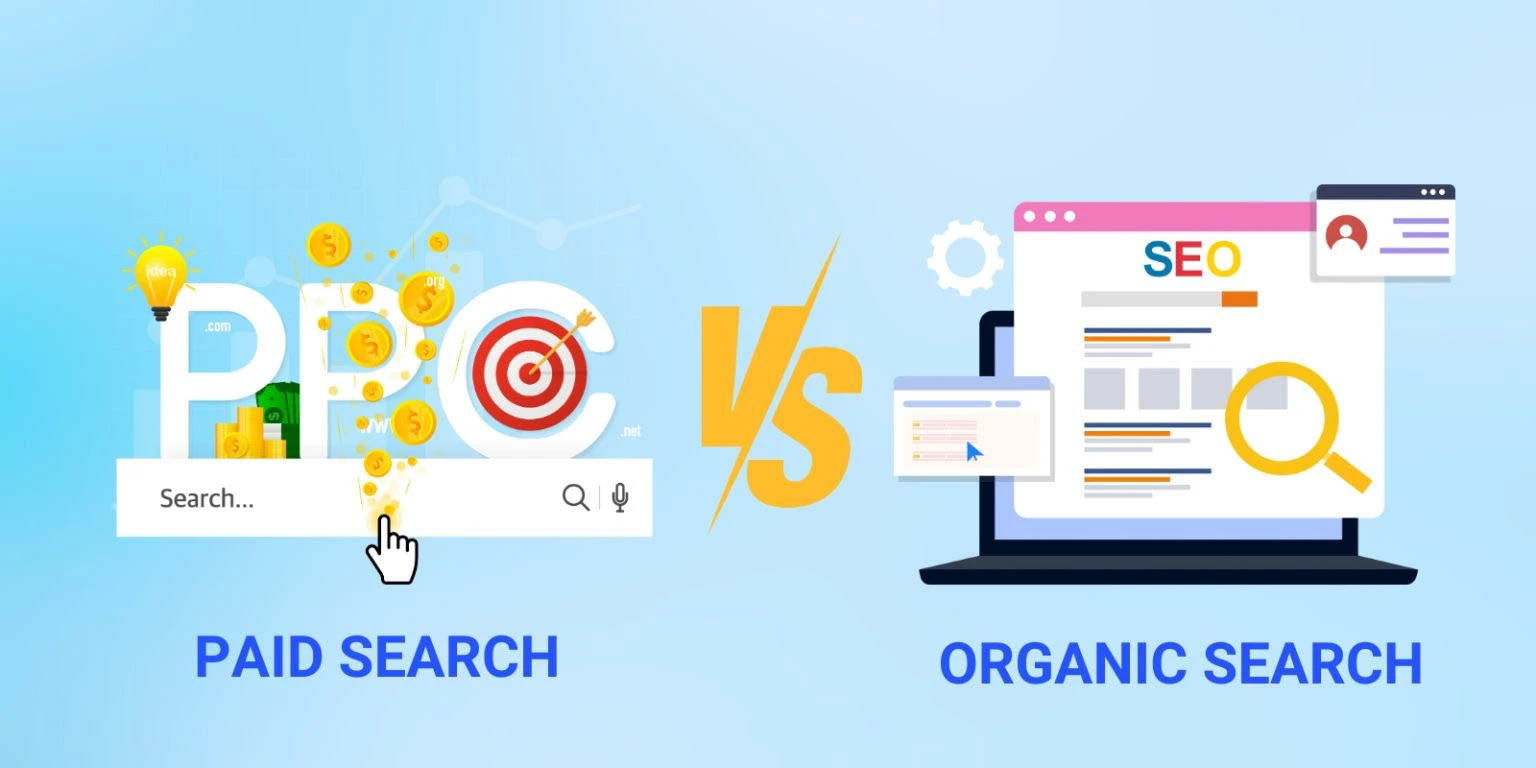
While pay-per-click advertising and Online Travel Agencies (OTAs) generate short-term booking volume, they come with substantial commission fees and advertising overhead. An effective search optimization strategy builds digital asset value that compounds over time, driving direct traffic that does not require a cost-per-click acquisition fee.
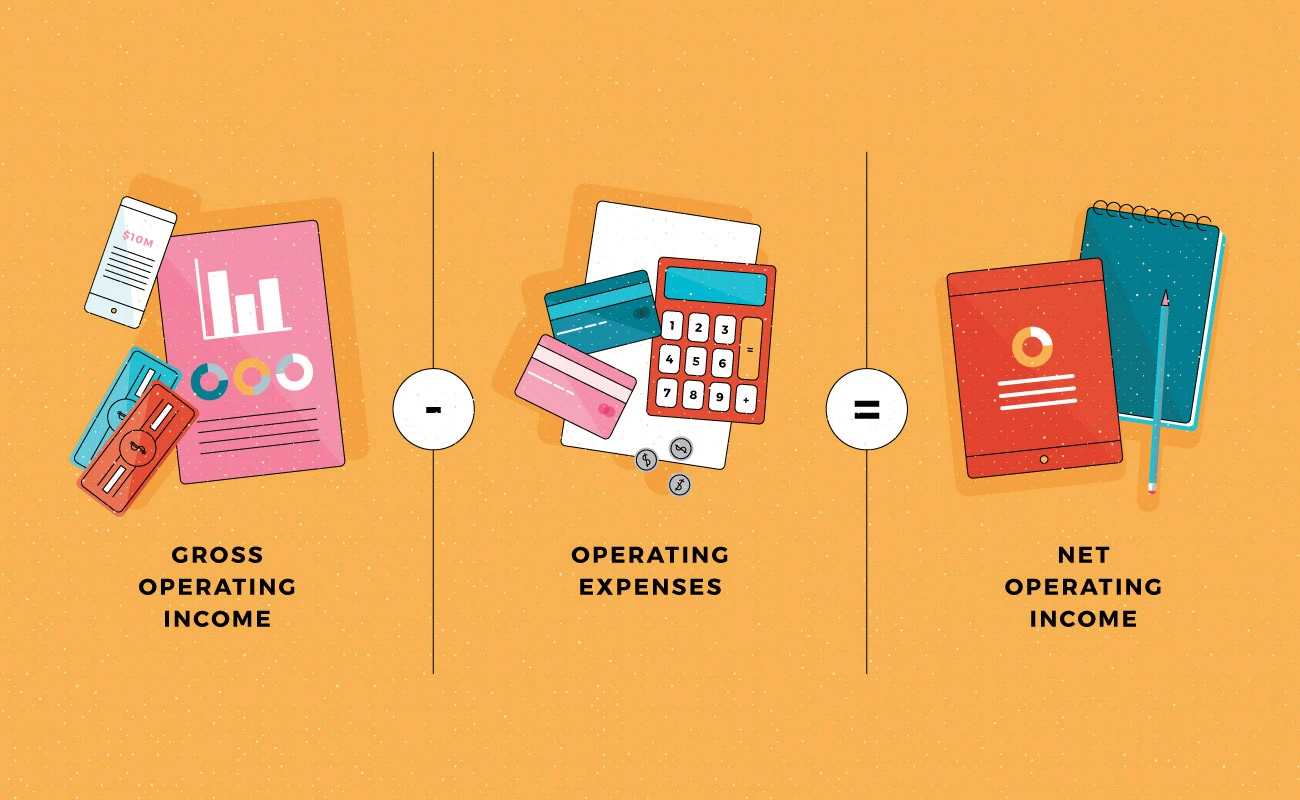
This direct traffic allows hoteliers to own the guest relationship from the initial research phase through post-stay communications. Reducing reliance on intermediary platforms directly improves Net Operating Income (NOI) by eliminating commission payouts that can reach up to 30% per booking.
Furthermore, organic search targets consumers who demonstrate strong commercial intent during their planning journey. When travelers search for specific accommodations, neighborhood amenities, or regional attractions, they are actively looking to make booking decisions. Optimizing your website to answer these specific queries ensures your property captures potential guests at the exact moment they are ready to reserve a room. Aligning website content with these search behaviors converts passive researchers into confirmed hotel guests.
The financial predictability of organic search provides a distinct advantage over volatile paid advertising auctions. Paid search costs in the hospitality sector continue to escalate due to bidding competition from well-funded online travel aggregators. Organic search optimization insulates properties from these rising advertising costs by establishing earned authority that third-party platforms cannot easily displace. This structural independence empowers marketing teams to allocate capital toward property enhancements and guest experience improvements.
Navigating AI Search And Generative Engine Optimization
Artificial intelligence search tools such as Google AI Overviews, ChatGPT, and Perplexity are changing how travelers research accommodations. These platforms generate direct answers by pulling data from across the web, often without requiring users to click through to the source website. This emerging practice is known as Generative Engine Optimization, which focuses on being selected as a trusted information source by artificial intelligence systems. Adapting to these generative tools is critical for protecting brand visibility as search behaviors evolve beyond standard link lists.

To capture visibility within these artificial intelligence answers, hotel websites must structure their content using clear and question-based headings. Search engines and generative models frequently match user queries directly to Header 2 (H2) tags formatted as questions. Immediately following the heading, content creators should provide a concise two to three sentence answer block that directly resolves the user’s query before expanding with additional detail. This structured formatting allows machine learning parsers to extract factual data effortlessly and display it within summarized search results.

Maintaining factual accuracy and content freshness is also critical for winning citations in generative search results. Artificial intelligence platforms prioritize authoritative domains that display current operating hours, accurate amenity lists, and up-to-date local travel guides. By implementing structured formatting and publishing regularly, hotels ensure their content performs well in both traditional search results and AI-generated summaries. Outdated information or conflicting property details across external directories can cause generative algorithms to exclude a hotel from recommendation lists.
Generative engines also evaluate the sentiment and context of third-party reviews when summarizing property features for prospective guests. Algorithms synthesize feedback from Google, TripAdvisor, and OTAs to generate descriptive overviews of room cleanliness, dining quality, and staff professionalism. Marketers must ensure that website content accurately reflects the positive themes highlighted in user reviews to reinforce algorithmic trust. Aligning on-site content with external guest sentiment strengthens the entity profile required for consistent generative search citations.
Keyword Research And Understanding Search Intent
Keyword research is the foundation of any digital acquisition strategy, involving the identification of specific terms travelers use when searching for accommodations. By understanding these search phrases, marketers can shape website content, blog articles, and technical metadata around real user demand. Effective research balances broad search terms with descriptive phrases that capture guests at different stages of the booking journey. Utilizing dedicated keyword research platforms provides empirical data on monthly search volumes and keyword ranking difficulty.

While broad terms like “hotel in Sydney” generate high search volume, they are intensely competitive and often lack specific booking intent. Long-tail and medium-tail keywords, such as “business hotel Sydney CBD” or “pet friendly resort near Central Park,” attract visitors with specific lodging requirements. Focusing on these descriptive keywords yields higher conversion rates because the landing page content matches the exact expectations of the searcher. Properties that target specialized niche keywords build relevant traffic streams that are easier to rank and monetize.
To align website content with traveler behavior, marketers must categorize keywords into four distinct intent profiles based on user psychology.
Table 1.1. Search Intent Mapping And Content Alignment Matrix
| Intent Category | Traveler Behavior | Keyword Example | Content Strategy |
|---|---|---|---|
| Informational | General destination research at the start of trip planning | “best time to visit Tokyo” | Destination blog posts and seasonal travel guides |
| Commercial | Comparing specific property options and amenities | “top rated boutique hotels in Rome” | Comparison pages, amenity highlights, and review roundups |
| Transactional | Ready to finalize dates and complete a room reservation | “book ocean view suite Miami” | Optimized room detail pages and direct booking engine links |
| Navigational | Seeking a specific hotel website or operational policy | “[Hotel Name] airport shuttle timetable” | Clear FAQ pages and accessible contact documentation |
When executing keyword research, hoteliers must analyze competitor websites to identify search terms driving traffic to rival properties. Identifying keyword gaps allows marketing teams to create new landing pages that target underserved search demand within their destination. For example, if competitors lack comprehensive content regarding on-site wedding facilities, creating a detailed wedding venue page captures targeted commercial traffic. This systematic identification of market demand ensures content creation resources are allocated toward topics with proven revenue potential.
Keyword strategy must also evolve dynamically to reflect seasonal shifts in travel demand and regional tourism trends. Search volumes for ski resorts peak during autumn months, while inquiries for coastal retreats accelerate during early spring. Mapping keyword publication schedules against these seasonal booking windows ensures landing pages achieve indexing and ranking maturity before peak search volume occurs. This proactive alignment between SEO workflows and seasonal revenue management maximizes booking capture during critical operational periods.
Technical Website Optimization And Core Web Vitals
A visually appealing hotel website will fail to rank if search engine crawlers cannot index its pages or if the site loads slowly. Technical SEO focuses on the backend architecture of a website, ensuring that search engines can access and understand property information efficiently. This infrastructure includes maintaining clean XML sitemaps, fixing broken links, and establishing a logical URL hierarchy across all property pages. A clean technical foundation allows search engine bots to crawl deeper into the website, indexing room descriptions and ancillary service menus without encountering digital roadblocks.
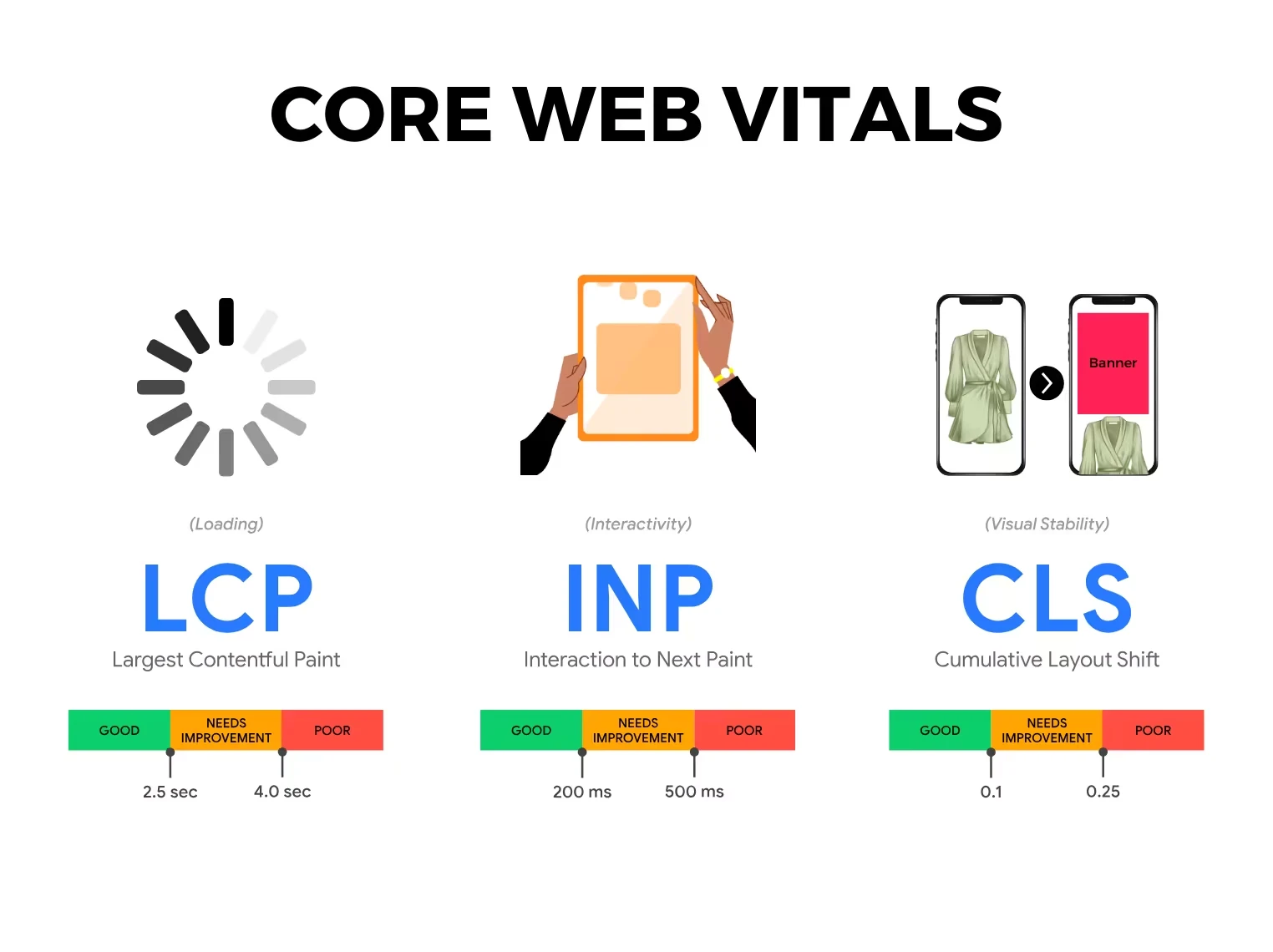
Page loading speed is a critical ranking factor, evaluated by Google through a set of technical metrics known as Core Web Vitals. These metrics measure loading performance, visual layout stability, and input interactivity across both desktop and mobile devices.
A slow-loading booking engine or an uncompressed image gallery will frustrate users, driving bounce rates higher and signaling poor quality to search algorithms. Data demonstrates that the average load time of a desktop site on the first page of results is 1.65 seconds, making speed optimization a non-negotiable technical priority.
To improve technical site performance and load times, hotel marketers and web developers should implement several standard optimizations:
- Image Compression: Utilize advanced compression tools to reduce file sizes of high-resolution room photography without sacrificing visual clarity or aesthetic appeal.
- Browser Caching: Enable caching rules so returning visitors do not have to reload static logos, footers, and code scripts upon every visit to the domain.
- Code Minification: Remove unnecessary characters, spacing, and duplicated CSS or JavaScript rules from the website source code to accelerate parsing speeds.
- Render-Blocking Elimination: Ensure critical visual elements like property headers and room banners load before secondary scripts, analytics tracking pixels, and social sharing plugins.
Mobile responsiveness represents another foundational pillar of technical SEO, especially since over half of all travel web traffic originates from mobile devices. Google utilizes mobile-first indexing, meaning the search engine evaluates the mobile version of a website to determine its baseline search rankings. Websites must utilize responsive web design that automatically adjusts layout layouts, button sizes, and font dimensions to fit smartphone screens seamlessly. Web developers must test booking engine interfaces across various mobile operating systems to eliminate navigational friction that could impede reservation completions.
Managing website security through SSL certificates and HTTPS encryption is mandatory for protecting user data and maintaining search engine trust. Search engines actively flag unsecure websites, warning users before they enter personal details or credit card numbers into reservation forms. Technical audits must regularly verify that all HTTP pages redirect properly to secure HTTPS URLs across every subdomain and language variation. Maintaining robust technical security protects brand reputation and satisfies core algorithmic trust requirements.
On-Site Content And Metadata Engineering
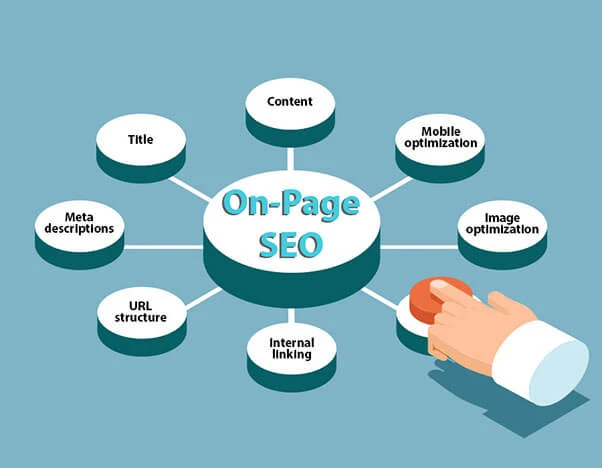
On-site optimization involves refining the visible content and HTML tags of individual web pages to improve keyword relevance and search visibility. The title tag is the clickable headline displayed in search engine results, and it must concisely describe the page while incorporating the primary keyword.
Beneath the title tag sits the meta description, a short summary designed to encourage searchers to click through to the website by highlighting property value propositions. Both elements must be uniquely crafted for every page on the domain to prevent duplicate metadata issues that confuse indexing crawlers.
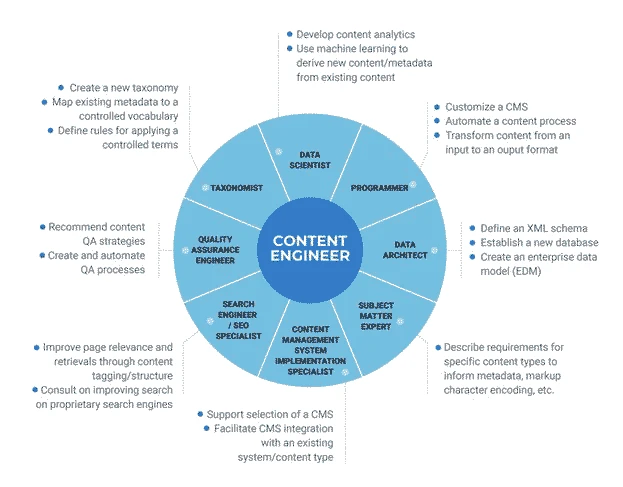
Content structure within the page must follow a clear hierarchy using Header 1 (H1) and Header 2 (H2) tags to organize information logically. The primary keyword should appear naturally within the H1 tag and within the first introductory paragraph of the body text to establish immediate topical relevance. Secondary keywords and related semantic terms should be distributed across H2 subheadings and body paragraphs to demonstrate comprehensive topical authority. Writers must maintain a natural reading flow, avoiding unnatural keyword stuffing that degrades the user experience and triggers search engine quality penalties.
Image Optimization For Search Visibility
Hospitality marketing relies heavily on emotion and visual storytelling, making image galleries a central component of any hotel website. Data indicates that 35% of users scroll through Google image results, and 63% of those who click on an image subsequently visit the source website.
To capture this visual search traffic, hoteliers must use authentic property photographs rather than generic stock imagery that fails to represent the physical guest experience. High-resolution photography of guest suites, dining dishes, and exterior architecture builds immediate trust with prospective visitors browsing search results.
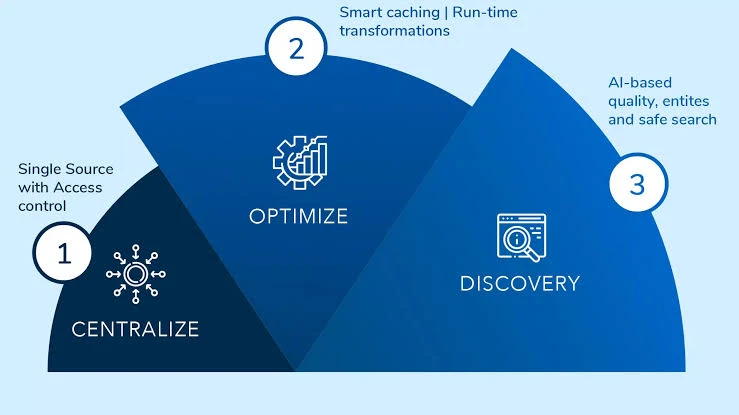
Every image uploaded to the content management system must include descriptive alt text that explains what is visible in the photo using relevant travel terminology. Alt text assists visually impaired users who rely on screen readers while providing search engines with essential context for image indexing and categorization.
Furthermore, image file names should be updated before uploading to reflect the content, using descriptive formats like deluxe-ocean-suite-balcony.jpg instead of default camera codes. Web developers must also balance image quantity on key landing pages, utilizing lazy loading techniques to load below-the-fold images only as the user scrolls down the page.
Structured Data And Schema Markup
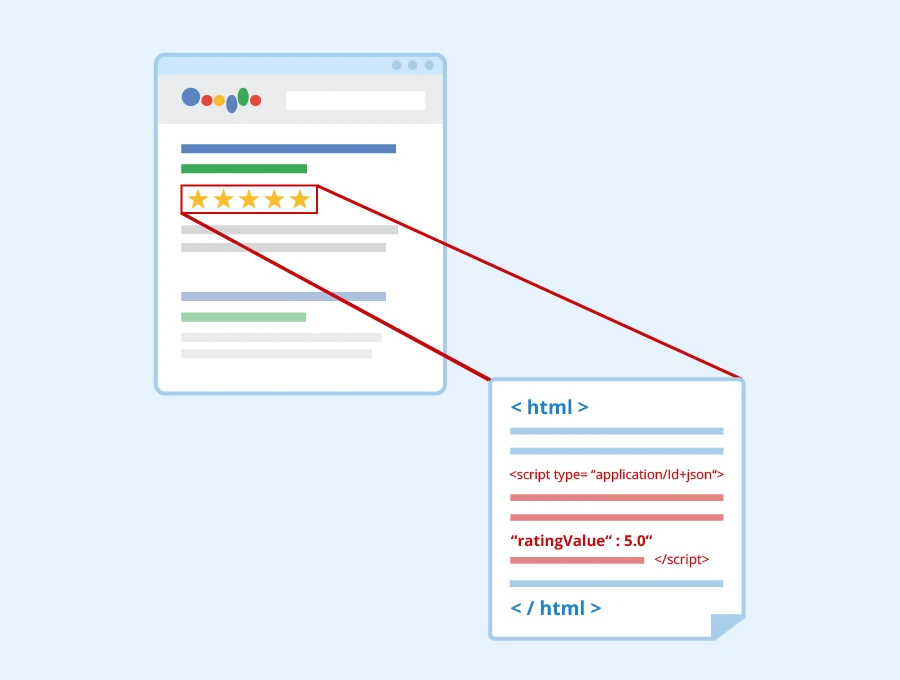
Structured data, commonly referred to as schema markup, is specialized code added to a website to help search engines understand specific content elements. For hotels, schema markup translates human-readable property details into a standardized digital format that search engines process instantly without ambiguity.
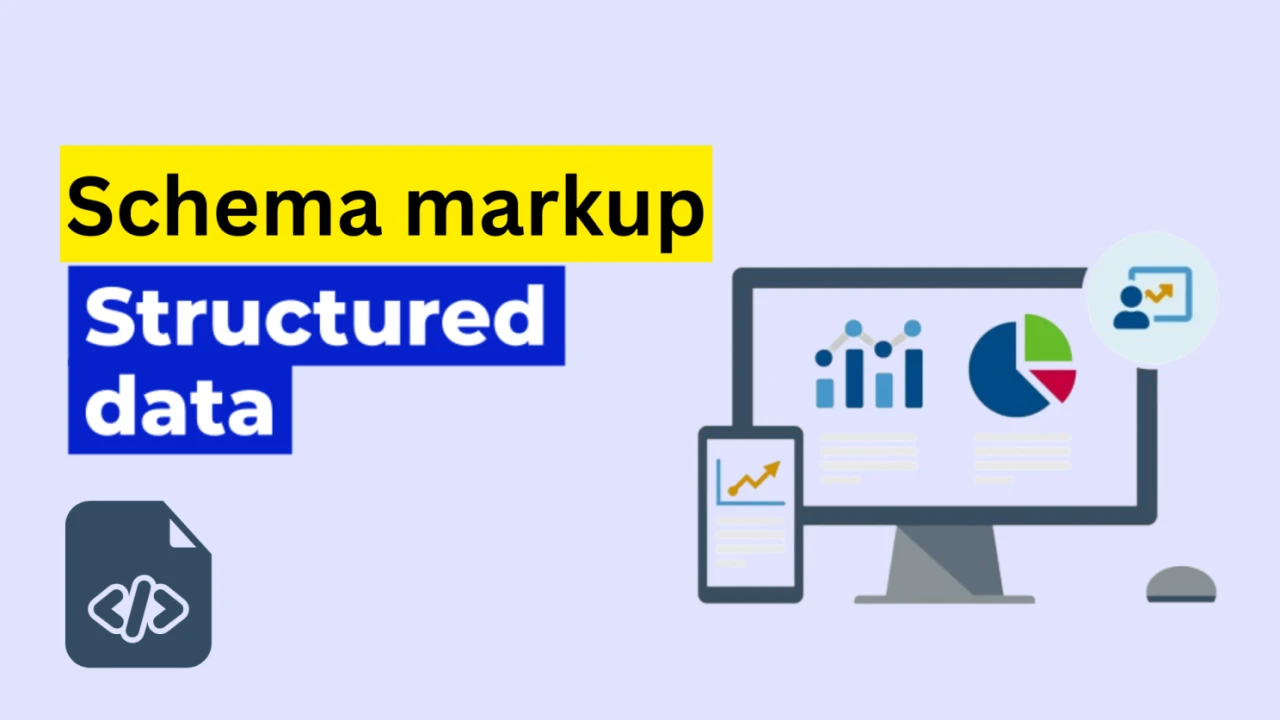
Proper implementation enables Google to display rich search results, which can include star ratings, price ranges, and direct location details directly on the results page. Rich snippets significantly increase organic click-through rates by making the hotel’s search listing more prominent and informative than competitor results.
When modeling hospitality schema, developers must implement three core architectural objects to ensure accurate indexing across all major search engines. The Business object defines the physical building, logging essential details like the official property name, street address, and phone number. The Accommodation object details the specific units available within the establishment, such as suites, villas, and conference rooms, including square footage and bed configurations. Finally, the Offer object outlines the pricing structure, rental durations, and occupancy limits associated with those rooms, helping search engines understand transactional parameters.
Table 1.2. Hospitality Schema Markup Objects And Requirements
| Schema Object | Core Properties Required | Strategic SEO Benefit |
|---|---|---|
| Hotel (LocalBusiness) | Name, Address, Telephone, CheckinTime, CheckoutTime, StarRating | Validates physical entity details and enables rich map pack display features |
| HotelRoom (Accommodation) | Bed, Occupancy, RoomAmenity, FloorSize, View | Categorizes room types cleanly for specific accommodation search queries |
| Offer | Price, PriceCurrency, Availability, ValidFrom, ValidThrough | Feeds live pricing context into organic results and AI summary engines |
Implementing structured data requires precise coding syntax, typically using the JSON-LD format recommended by Google webmaster guidelines. Web developers must ensure that the data marked up in the schema code matches the visible content displayed on the frontend webpage exactly.
Any discrepancies between structured data markup and visible text can result in manual penalties from search engines for deceptive markup practices. Hotel marketers should utilize validation tools like the Google Rich Results Test to verify schema integrity after every site deployment or content update.
Off-Site Authority And Link Building Strategies
Off-site optimization encompasses all actions taken outside of your proprietary website to build digital authority, relevance, and trust across the internet. The primary driver of off-site performance is link building, which involves earning backlinks from reputable and external websites within the travel and hospitality sectors.
Search engines view high-quality backlinks as third-party endorsements, signaling that your property is a trusted industry leader worthy of higher search rankings. Earning links from respected domains transfers domain authority to your hotel website, elevating the ranking potential of your entire digital property.
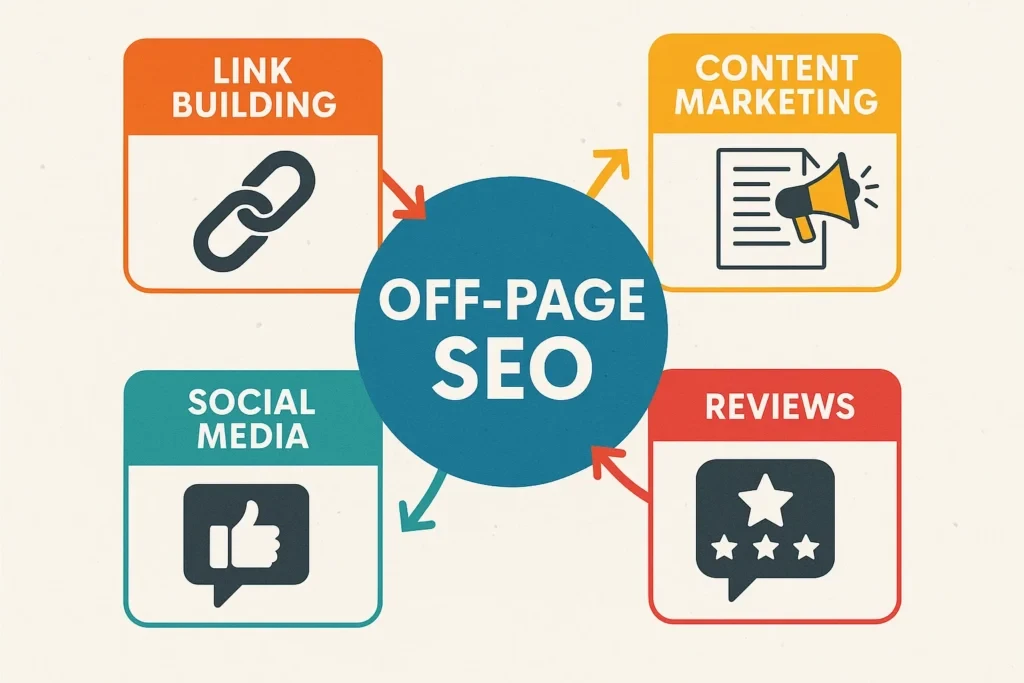
When evaluating backlinks, search engines prioritize domain authority and topical relevance above raw link volume or link acquisition velocity. A single backlink from an established travel publication, regional tourism board, or major news outlet carries significantly more weight than dozens of links from obscure directories. Hoteliers can acquire valuable backlinks by engaging in digital public relations, hosting verified travel writers, and publishing shareable local travel guides. Collaborating with local event organizers, convention centers, and regional wedding vendors also creates natural link-building opportunities from relevant partner domains.
Internal linking is equally important for distributing page authority across your own website hierarchy and guiding users through the conversion funnel. By linking blog posts about local attractions directly to specific room booking pages, you pass SEO value to transactional pages while helping search engines index deeper content.
Marketers should ensure that anchor text—the clickable text in a link—accurately describes the destination page using relevant travel terminology. Avoid using generic anchor text like “click here,” opting instead for descriptive phrases such as “view our luxury ocean suites” to reinforce keyword relevance.
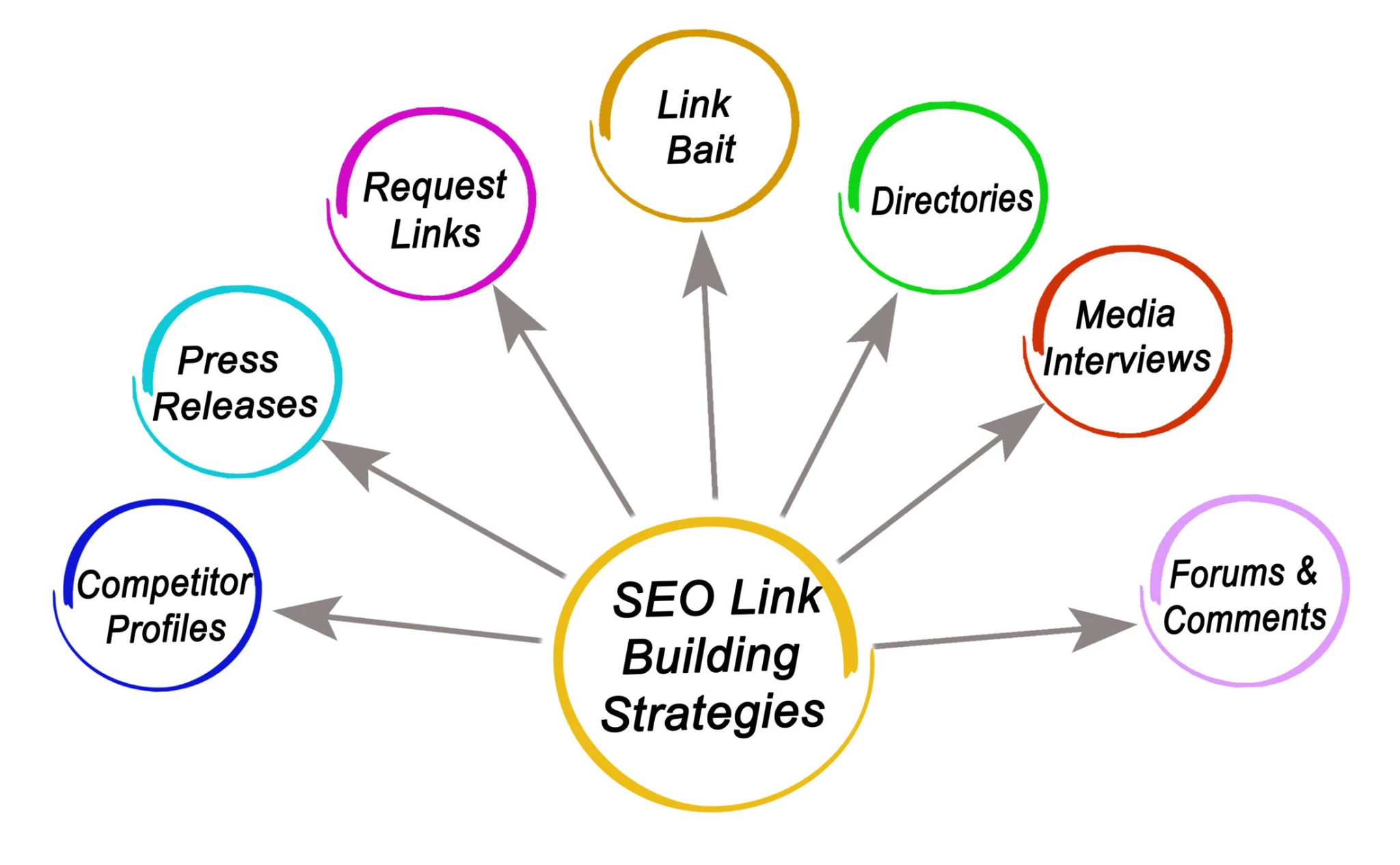
Digital public relations campaigns represent a powerful strategy for earning high-authority backlinks while generating brand awareness among target travel demographics. Hotel marketing teams should actively monitor editorial requests from journalists seeking hospitality insights, travel trend commentary, or unique property features.
Securing quotes in national media outlets often results in authoritative backlinks that significantly boost domain authority and organic search visibility. Furthermore, submitting news regarding multi-million dollar renovations, award recognitions, or innovative sustainability initiatives to hospitality trade publications builds relevant industry citations.
Managing unlinked brand mentions provides another efficient pathway for acquiring valuable external backlinks without creating new promotional content. Marketers should utilize monitoring tools to track web pages, travel blogs, and news articles that mention the hotel’s name without linking to the website.
Reaching out to journalists and webmasters to request a clickable link to the official property homepage converts passive mentions into authoritative SEO assets. This systematic outreach improves backlink profiles while ensuring external traffic has a direct pathway to the proprietary hotel booking engine.
Local Search Dominance And Google Business Profiles
Local search optimization focuses on capturing search visibility for geographical queries, such as “boutique hotels near me” or accommodations within a specific city neighborhood. Local search results are typically displayed within a “snack pack,” a boxed map area on the first page of Google showing the top three relevant local businesses.
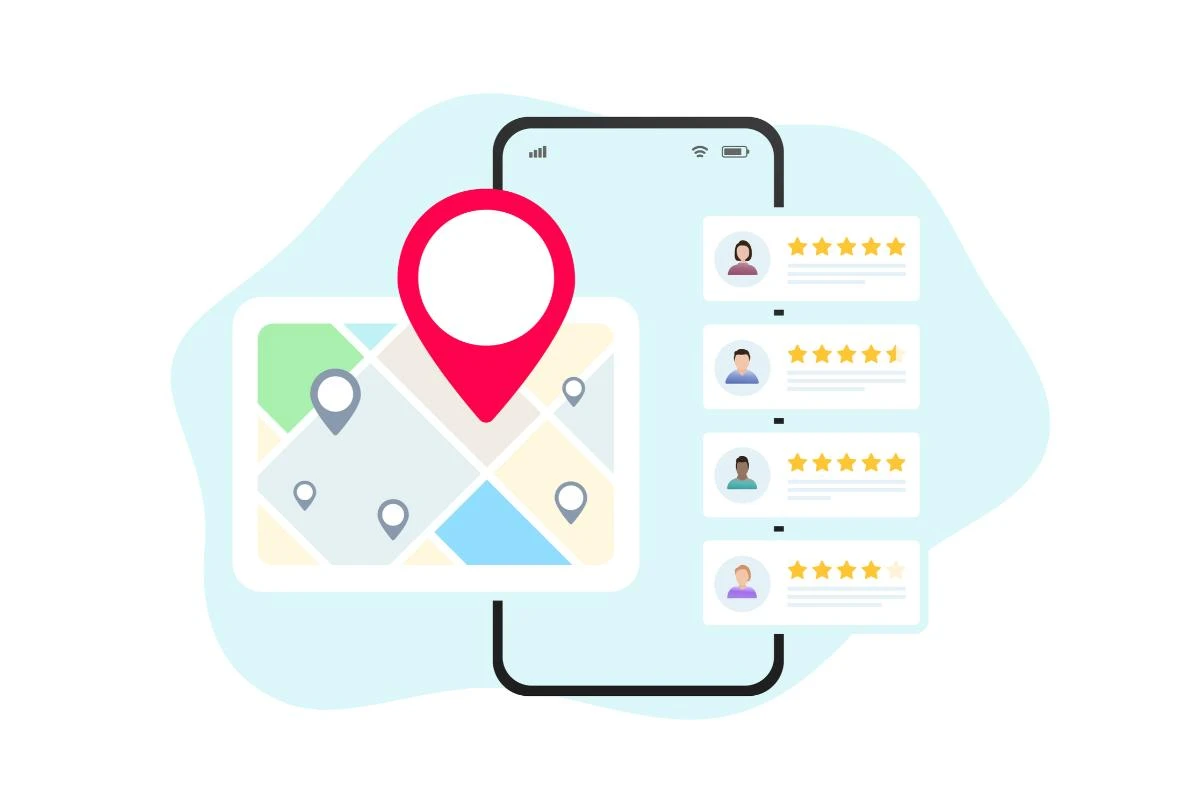
Because traffic is split evenly between the snack pack and standard organic results, hotels must optimize for both visibility channels to capture regional market share. Domination of local search ensures your property appears prominently when travelers search on smartphones upon arriving at an airport or train station.
The cornerstone of local search management is claiming and continuously optimizing your Google Business Profile across all operational parameters. This free account controls how your property appears on Google Maps and localized search listings, displaying your address, phone number, website link, and guest reviews.

Hoteliers should populate this profile with high-resolution photography, up-to-date amenity checklists, and accurate operating hours for all seasonal periods. Utilizing the profile posts feature to publish updates about seasonal dining menus, spa promotions, or holiday packages keeps the listing dynamic and engaging for searchers.
To capture targeted local demand during peak travel periods, hotels should build location-specific landing pages tied to major regional events. For example, a property in Texas could create a dedicated page targeting terms like “hotels for Formula 1 Austin,” offering track transportation tips and weekend itineraries. Pairing active Google Business Profile management with event-driven landing pages allows properties to dominate regional search discovery during high-compression periods. These dedicated event pages should link directly to the booking engine with pre-populated arrival dates to minimize transactional friction for interested visitors.

Managing local citations—mentions of your hotel’s Name, Address, and Phone Number (NAP) across online directories—is critical for local SEO success. Search engines cross-reference NAP data across platforms like Apple Maps, Bing Places, TripAdvisor, and regional business directories to verify physical location accuracy.
Any inconsistencies, such as differing street abbreviations or mismatched phone numbers, confuse search engines and dilute local search authority. Hotel marketers must conduct regular citation audits to ensure complete NAP uniformity across the entire digital ecosystem, reinforcing algorithmic trust in the property location.
Online guest reviews serve as a powerful local ranking factor while directly influencing consumer booking conversion rates across metasearch platforms. Google evaluates both the total quantity and average star rating of reviews when determining which properties to feature within the local snack pack. Hotel managers must implement systematic post-stay email automation to encourage satisfied guests to leave positive reviews on their Google Business Profile. Actively responding to all reviews—both positive and negative—within 24 hours demonstrates professional management and signals ongoing business activity to local search algorithms.
Essential SEO Tools And Analytics Tracking
Measuring search engine performance requires continuous tracking of organic traffic volume, keyword ranking positions, and direct booking conversions. Relying on data allows marketing teams to identify successful content topics and troubleshoot technical bottlenecks on the website before they impact revenue.

A robust reporting stack combines free search engine diagnostics with comprehensive third-party software suites that monitor competitive market share. Tracking these metrics over extended time horizons provides the insights needed to refine content strategies and justify digital marketing budget allocations.
Table 1.3. Core SEO Measurement Tools For Hoteliers
| Platform Name | Primary Function | Practical Hotel Application |
|---|---|---|
| Google Analytics | Web traffic and conversion tracking | Measuring organic revenue, bounce rates, and room booking completions via eCommerce tracking |
| Google Search Console | Technical site health and indexing diagnostics | Monitoring keyword impressions, click-through rates, and schema markup errors |
| SEMrush | Competitive research and visibility tracking | Analyzing competitor keyword strategies, PPC ad copy, and market share |
| Ahrefs | Backlink analysis and keyword exploration | Auditing domain authority, discovering link opportunities, and researching search volume |
| Screaming Frog | Technical site auditing and spider crawling | Scanning the website for broken links, missing alt text, and duplicate metadata |
| AccuRanker | Real-time keyword ranking monitoring | Tracking daily keyword position changes for primary property search terms |
Establishing eCommerce tracking within Google Analytics is essential for attributing direct room revenue specifically to organic search campaigns. Hoteliers must configure conversion goals to track not only completed reservations but also secondary micro-conversions, such as newsletter signups and contact form submissions. Analyzing the behavior of organic visitors—including average session duration, pages per session, and exit rates on booking pages—reveals opportunities to improve user experience. By connecting Google Search Console directly to Google Analytics, marketers can evaluate which specific search queries generate the highest revenue conversions.
Regular technical site audits using crawler software like Screaming Frog should occur on a monthly schedule to maintain optimal website health. These automated crawls scan every URL on the domain, flagging broken links, redirect chains, missing meta descriptions, and oversized images that slow down loading speeds. Identifying and resolving these technical errors promptly prevents search engine crawlers from wasting crawl budget on broken paths. Maintaining a clean, error-free technical architecture ensures that newly published content achieves indexing and ranking visibility as quickly as possible.
Competitive ranking intelligence tools allow hoteliers to monitor their search visibility against immediate primary competitor properties within their destination. Software platforms like SEMrush and AccuRanker track keyword ranking fluctuations daily, alerting managers when a competitor overtakes them for critical search terms. Analyzing competitor content that captures top ranking positions provides strategic guidance on how to expand and improve your own landing pages. Continuous competitive monitoring ensures your hotel maintains digital market share against both rival properties and third-party booking aggregators.
Conclusion
Achieving sustained organic visibility requires a balanced execution of technical site health, targeted keyword research, and authoritative link building. By optimizing for artificial intelligence search platforms through structured answers and schema markup, hotels future-proof their digital properties against evolving search behaviors. Active management of local business profiles and destination content ensures your hotel intercepts high-intent travelers, driving direct bookings and reducing OTA commission costs.
Navigating the complexities of technical site architecture, local map algorithms, and content optimization requires specialized hospitality expertise. Partner with the digital performance experts at ROI300 to build a customized, high-converting organic acquisition strategy. Contact ROI300 today to conduct a technical site audit, dominate your regional search results, and transform your website into a powerful direct booking engine.