

When the conversation shifts to global accommodations and hospitality, Hilton consistently takes center stage as an industry leader. Operating a massive footprint of over 9,000 properties across 141 countries requires more than simple brand familiarity; it requires a systematic marketing engine. This blog will provide a comprehensive guide to the hilton marketing strategy, exploring the digital infrastructure, creative positioning, and audience segmentation that power one of the world’s most successful hotel chains.
The Operational And Technical Backbone Of The Hilton Brand
Before examining creative advertisements and high-profile celebrity campaigns, hospitality marketers must analyze the technical performance engine supporting the brand. Hilton maintains an internal digital marketing infrastructure that rigorously governs both global web properties and localized property sites. This foundational structure ensures that every hotel in the portfolio captures search intent and converts organic traffic effectively.
Technical Search Engine Optimization And Keyword Frameworks
Hilton’s search engine optimization strategy begins with identifying transactional keyword targets across diverse geographic markets and travel intents. Marketing teams execute ongoing competitive analyses to discover ranking gaps and capture top-of-funnel search volume before rival hotel chains. Technical SEO teams regularly perform backlink audits to ensure site authority remains uncompromised by low-quality referring domains.

The company enforces full metadata optimization across every single landing page within its extensive web architecture. Content managers optimize title tags, meta descriptions, and header structures to align with evolving search engine algorithms. Image-level tagging is executed systematically, ensuring that architectural photographs and room preview images appear in visual search results.
While many global hospitality brands claim to execute foundational SEO, Hilton maintains this structural depth systematically across millions of web pages. This rigorous technical discipline creates an organic acquisition moat that reduces reliance on paid search campaigns over time. Organic discovery remains a primary driver of high-margin bookings across the entire enterprise ecosystem.
Vanity Site Management For Specialized Property Amenities
The technical strategy extends far beyond the main corporate domain to encompass thousands of localized vanity websites. Hilton develops and maintains dedicated standalone sites for high-revenue property amenities, including fine dining restaurants, championship golf courses, and luxury day spas. These specialized amenities often attract local consumers and non-staying guests who require distinct search pathways.

Marketing teams support the visibility of these auxiliary outlets through targeted content creation and local search engine optimization. Technical specialists conduct recurring technical audits on these vanity properties to prevent indexing errors and broken conversion funnels. This digital housekeeping ensures that auxiliary revenue streams maintain strong visibility within their local geographic markets.
By treating property amenities as standalone businesses, the brand captures localized search queries that generic hotel landing pages would miss. A consumer searching for an award-winning steakhouse in Chicago or a rooftop lounge in Bangkok will discover a Hilton-managed outlet organically. This multi-layered web presence diversifies income sources for property owners across the global portfolio.
Online Travel Agency Content Score Optimization
In addition to direct website optimization, the company executes a detailed distribution strategy across third-party Online Travel Agencies (OTAs). Hilton dedicates significant resources to optimizing listings on dominant platforms such as Expedia, Booking.com, and Agoda. Marketing teams understand that algorithmic visibility within third-party marketplaces depends heavily on content completeness and quality scores.
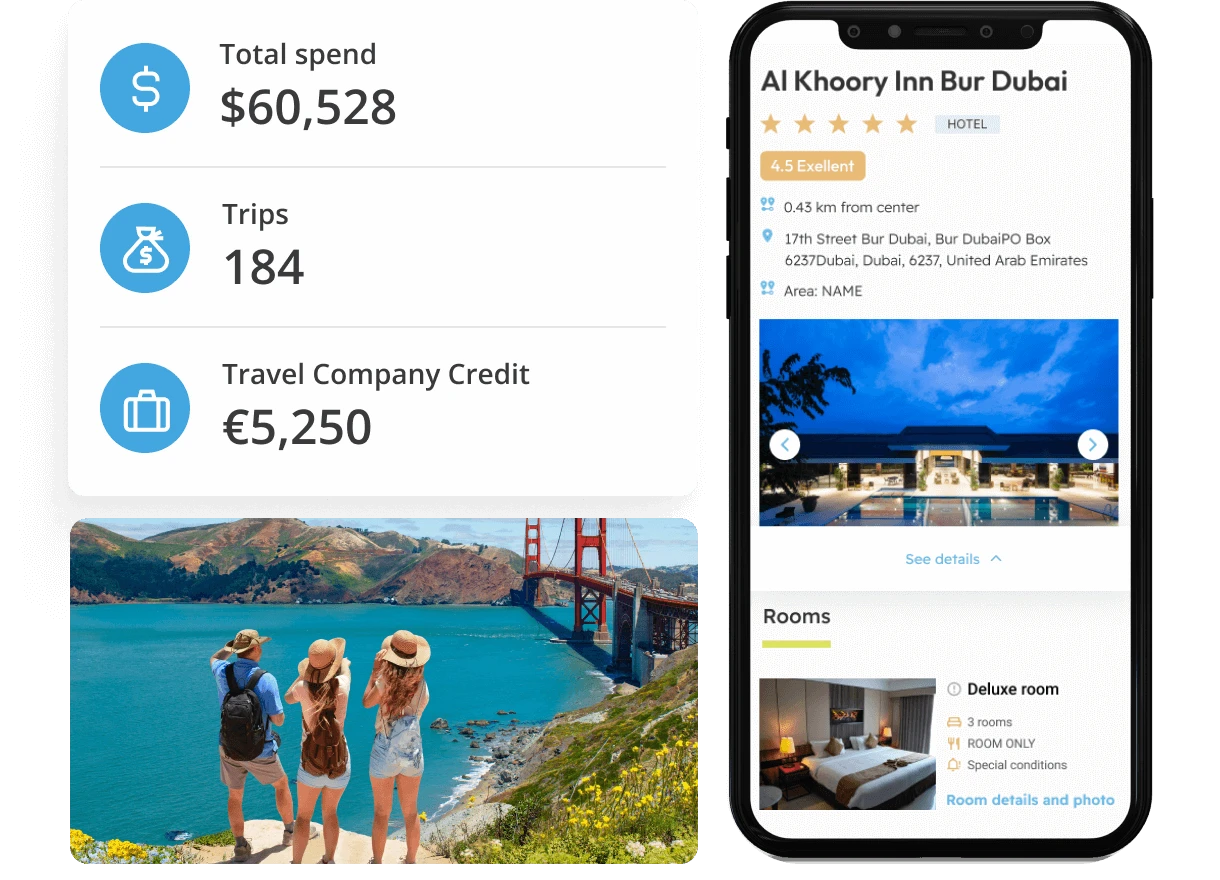
Digital asset managers manually review property visual galleries on third-party channels to ensure high-resolution photography is displayed in optimal sequential order. Teams verify that all property metadata, room amenities, and accessibility features are accurately tagged within OTA vendor portals. Written descriptions are regularly refined to highlight unique selling propositions and maintain alignment with seasonal marketing promotions.
Furthermore, dedicated reputation management teams monitor and analyze guest reviews published across these external booking networks. Responding promptly to guest feedback on third-party sites elevates property review scores, which directly improves algorithmic placement in consumer search results. This blended operational infrastructure ensures a compelling brand presence across all digital booking channels.
Infrastructure Cohesion Across A 9,000 Property Portfolio
Operating over 9,000 properties requires centralized software architecture to maintain marketing consistency at scale. Hilton utilizes advanced Content Management Systems (CMS) and Digital Asset Management (DAM) platforms to distribute approved marketing collateral globally. This technology allows corporate marketing teams to deploy global campaign updates instantly across thousands of individual property pages.
The digital infrastructure seamlessly integrates real-time inventory and pricing data from the central reservation system into marketing displays. When a consumer views a promotional landing page, dynamic rate modules display accurate room pricing based on localized availability. This synchronization between marketing content and transactional inventory prevents customer frustration and reduces booking funnel abandonment.
Enterprise And Brand Level Strategic Architecture
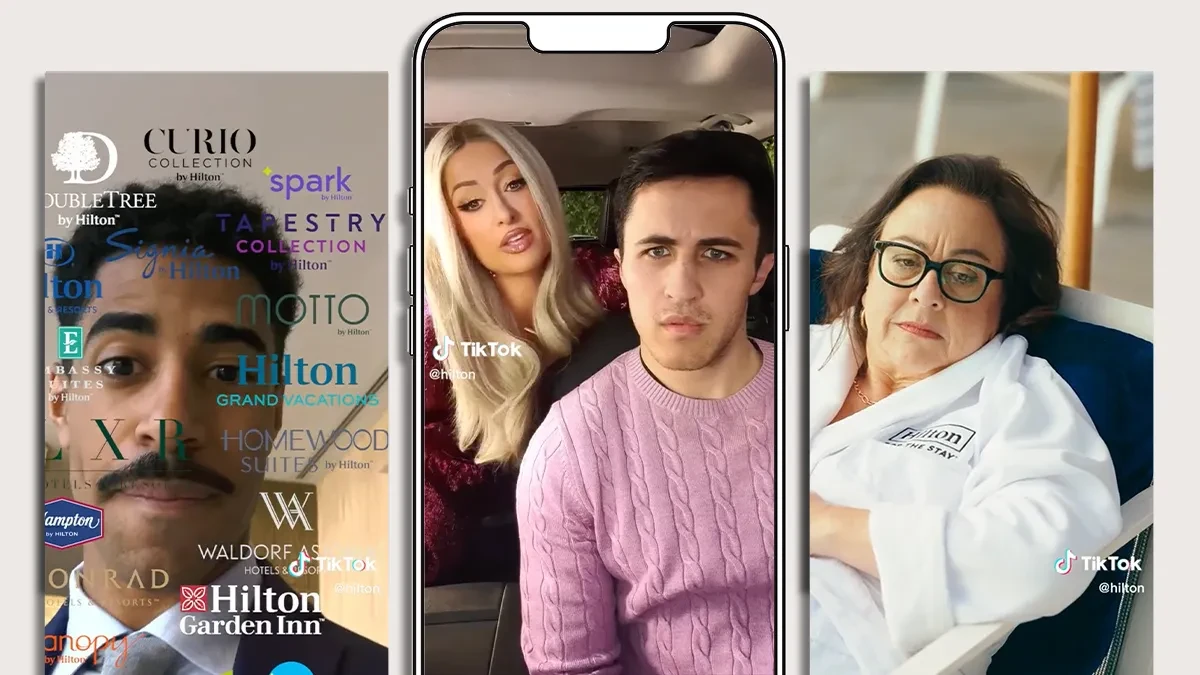
Managing a collection of 25 distinct brands spanning 1.3 million rooms requires a clear strategic marketing architecture. The company structures its organization to balance overarching corporate goals with the unique positioning of individual hotel categories.
Designing Clear Swim Lanes For Twenty Five Distinct Brands
To prevent internal competition and consumer confusion, Hilton relies on strict design targets and distinct brand positioning. Each brand within the portfolio is assigned a specific operational “swim lane” designed to meet a unique traveler need. These swim lanes separate luxury flagship properties from extended-stay lodging and midscale roadside accommodations.
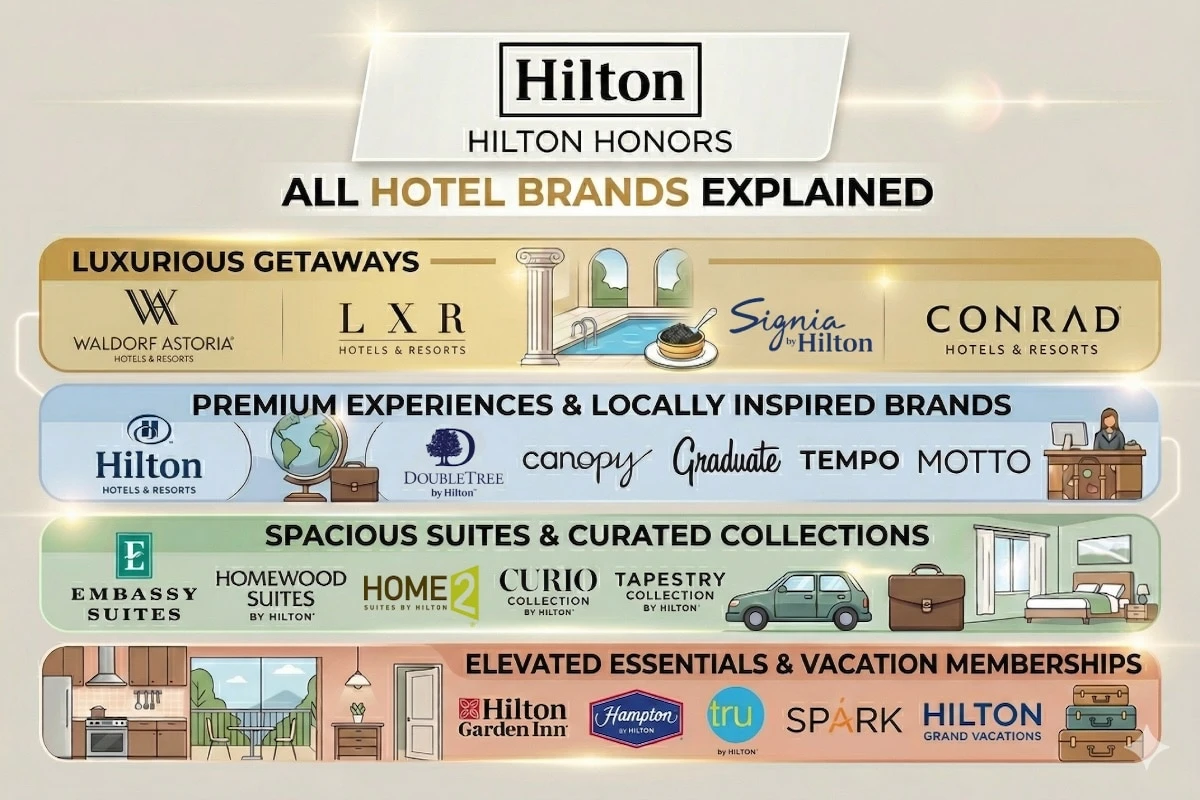
For example, Waldorf Astoria is strictly positioned around timeless luxury, bespoke service, and architectural grandeur. Meanwhile, Hampton by Hilton focuses on friendly reliability, complimentary hot breakfasts, and accessible value for everyday travelers. Newer additions like Spark by Hilton address the premium economy conversion segment, offering simple and reliable stays without operational bloat.
By clearly defining the boundaries of each brand, marketing teams can craft highly focused promotional messages that resonate with specific demographics. This architectural clarity ensures that individual properties do not encroach on the market positioning of sister hotels within the same geographic cluster.
Balancing Universal Emotional Needs With Regional Customization
Global scale requires balancing universal emotional appeals with regional cultural relevance across 141 countries and territories. Extensive consumer research conducted by the brand revealed that core traveler emotional needs are largely universal across international markets. Whether a guest is traveling for business in Tokyo or leisure in London, they universally desire comfort, recognition, and seamless service.
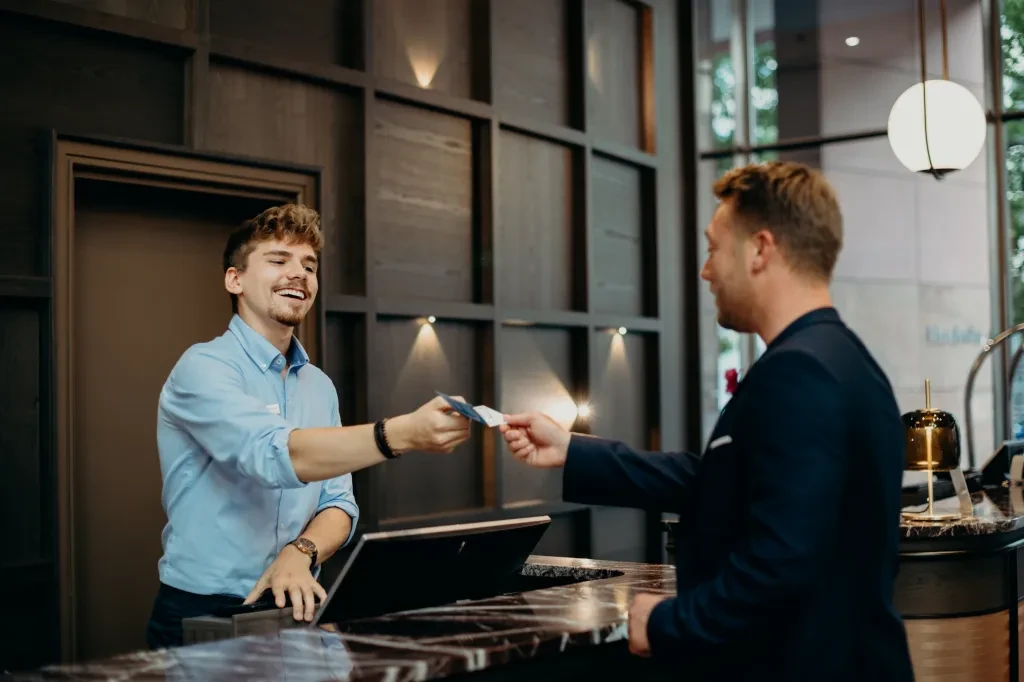
However, the operational delivery and promotional communication of that brand promise must adapt to local cultural nuances. Marketing campaigns deployed in North America often feature different humor, pacing, and visual cues than those broadcast in Asia or Europe. Local marketing teams are granted the flexibility to tailor global campaigns to reflect regional holiday schedules and cultural travel behaviors.
This organizational structure allows a Conrad resort in Bali or a Curio Collection property in Madrid to maintain global quality standards while feeling authentically local. The brand achieves international consistency without sacrificing the localized warmth that hospitality consumers expect.
The Virtuous Cycle Of Enterprise And Property Messaging
Hilton operates with an enterprise marketing strategy that works in tandem with individual brand promotional campaigns. The enterprise strategy speaks to the broad base of consumers who shop the entire portfolio and participate in the Hilton Honors loyalty program. These overarching campaigns focus on the collective reliability, scale, and digital convenience of the entire Hilton network.
Simultaneously, targeted brand campaigns focus on specific consumer segments tailored to individual hotel categories. An enterprise advertisement might promote the benefits of booking directly via the Hilton Honors mobile application. When a consumer opens the application, they are immediately served targeted messaging for specific brands that match their historical travel patterns.
These dual marketing layers build upon one another to create a virtuous commercial cycle. Enterprise marketing drives broad brand awareness and loyalty program acquisition across the global travel market. Individual brand marketing subsequently converts that broad awareness into specific property bookings, maximizing revenue across all portfolio tiers.
Data Driven Campaign Development And Pre Launch Research
Every promotional campaign launched by the company is grounded in rigorous consumer research and data analytics. Before developing creative concepts, marketing teams analyze first-party behavioral data captured from millions of historical hotel stays. Analysts study booking lead times, seasonal destination preferences, and amenity utilization to uncover actionable consumer insights.
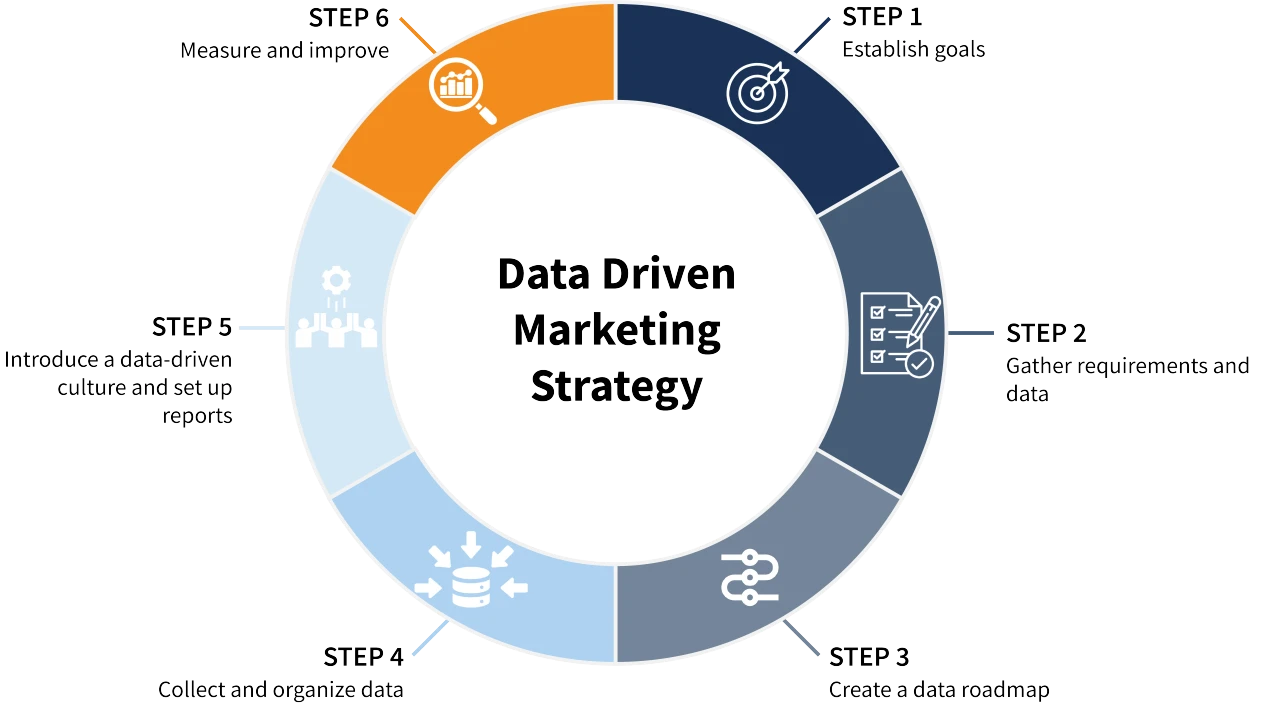
Once a core insight is identified, creative agencies develop preliminary messaging concepts that undergo extensive testing with target focus groups. The company rigorously refines message points to ensure they ladder up to the overarching brand positioning and resonate with the intended demographic. This pre-launch scrutiny minimizes financial risk and ensures commercial alignment before paid media budgets are deployed.
After a campaign goes live, performance marketing teams measure digital efficacy in real time across all advertising channels. Marketers analyze click-through rates, cost-per-acquisition metrics, and direct booking conversions to gauge campaign impact. Channel spending is continuously optimized mid-flight to shift capital toward the most efficient and profitable media placements.
Exhaustive Breakdown Of The 4Ps Marketing Mix
The marketing mix for Hilton extends beyond textbook definitions, serving as four operational levers that humanize a massive global enterprise. Instead of marketing commodities like beds or breakfast buffets, the brand focuses on the emotional experience of the stay itself.
Table 1.1. Detailed 4Ps Marketing Mix Architecture
| Marketing Lever | Strategic Focus | Execution Examples |
|---|---|---|
| Product | The emotional experience of “The Stay” | 25 distinct brands, digital keys, automated room upgrades via the Hilton Honors app |
| Price | Dynamic pricing and direct booking value | Revenue management, Price Match Guarantee, member-only discounts up to 25% off |
| Place | Omnichannel distribution and discovery | Hilton.com, Hilton Honors app, optimized OTA listings, social media inspiration hubs |
| Promotion | Cultural participation and honest storytelling | “For the Stay” hero spots, long-form TikTok entertainment, celebrity collaborations |
Product: Elevating The Stay As The Core Value Proposition
Hilton recognizes that its true product is not a physical room, a lobby chair, or a swimming pool. The core product is the emotional experience of being cared for during a trip, baked directly into their global platform, “Hilton. For the Stay.” This philosophy shifts the focus of operations and marketing from functional features to hospitality service delivery.
Operationally, this product is delivered through 25 brands spanning luxury, lifestyle, extended stay, and midscale categories. To enhance the physical product, Hilton layers advanced digital features directly into the guest journey. The Hilton Honors application allows travelers to book rooms, select specific room floor plans, check in digitally, and unlock doors using their mobile devices.
Furthermore, the product includes automated digital features such as Digital Key Share and automated complimentary room upgrades for elite members. These technological integrations remove traditional points of friction, such as front desk check-in lines and lost plastic keycards. The product is defined as a seamless, technologically enabled, and human-centric hospitality experience.
Price: Revenue Management And The Direct Booking Advantage
Hilton utilizes dynamic revenue management across its 9,000 properties, adjusting rates based on real-time demand, season, channel, and customer segment. Instead of competing in a race to the bottom on price, the brand focuses on rate integrity and value maximization. Advanced pricing algorithms analyze competitor rates and market compression to calculate the optimal average daily rate for every single room.
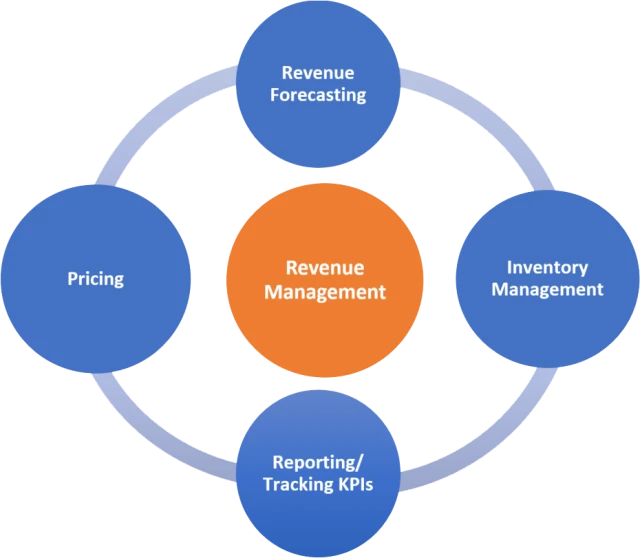
Where the brand excels is leveraging price to drive consumers toward direct booking channels instead of third-party intermediaries. Campaigns explicitly educate travelers that the most competitive rates and perks are unlocked by booking directly through official brand websites. The brand supports this claim with a robust Price Match Guarantee, offering 25% off if a guest finds a lower qualified price elsewhere.
Direct booking pricing strategies are deeply tied to the Hilton Honors loyalty ecosystem. Enrolled members receive immediate price discounts, earning points that translate into future financial value. By utilizing price as a behavioral nudge, Hilton reduces expensive OTA commission payouts and improves overall net operating income for property owners.
Place: Omnichannel Distribution From Apps To Social Hubs
For Hilton, distribution encompasses both physical real estate presence and digital discovery environments. Online platforms such as Hilton.com and the mobile app serve as the primary booking hubs, engineered for frictionless transactions. These proprietary channels are optimized continuously to handle millions of daily sessions with rapid page loading speeds and secure payment gateways.
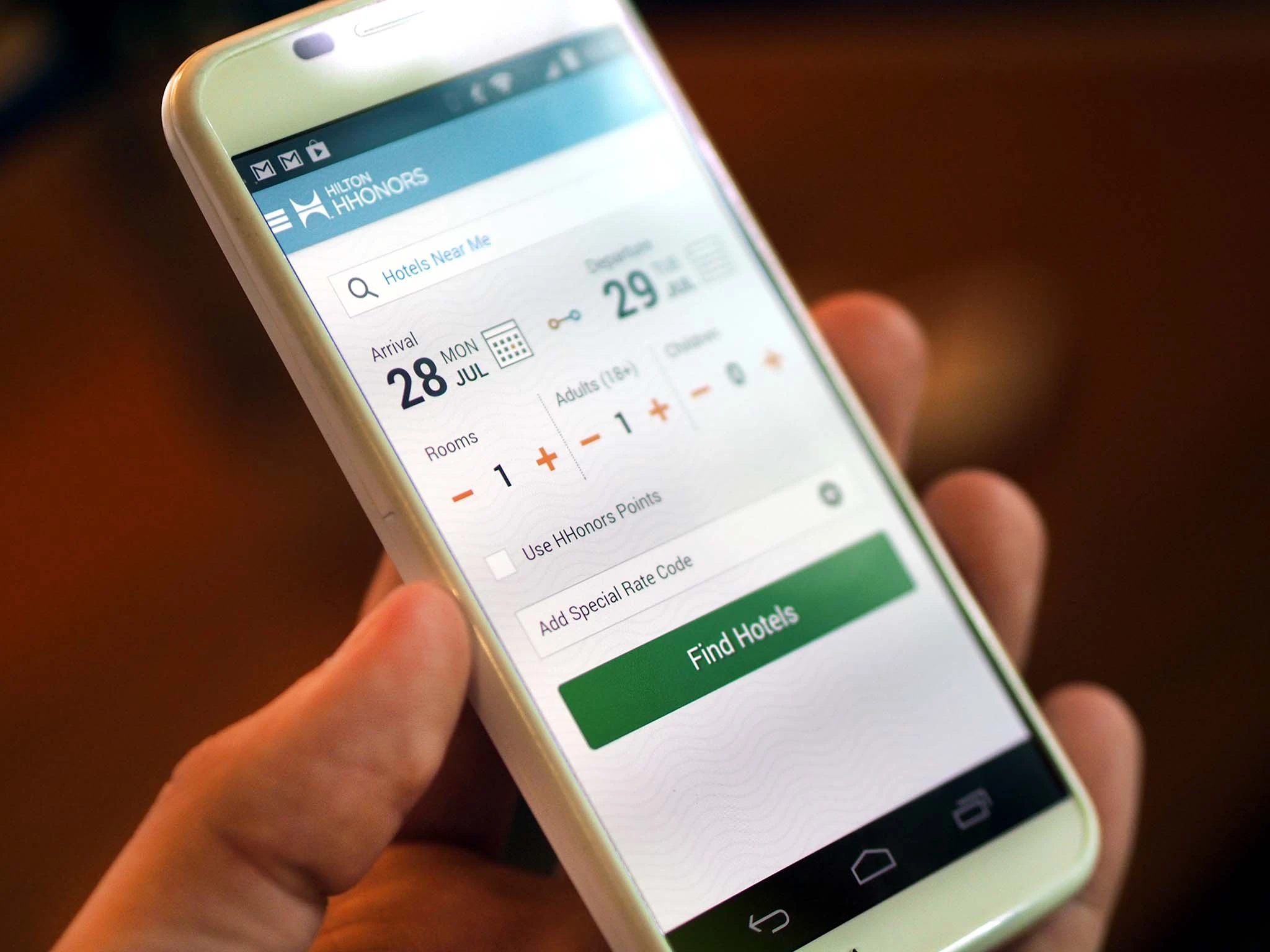
Meanwhile, the brand actively maintains a strong presence on top-of-funnel discovery channels like TikTok, Instagram, and YouTube. By treating social media as a place of cultural participation rather than a static promotional feed, Hilton captures traveler interest during the initial dreaming phase. The place of marketing occurs wherever the consumer consumes digital content, seamlessly linking social inspiration directly to direct booking interfaces.
Physical location strategy also plays a vital role in the placement mix. With properties located in major urban centers, remote resorts, airport terminals, and suburban highway corridors, Hilton ensures geographic accessibility. The launch of brands like Signia by Hilton actively positions the company as a premier destination for global conventions and corporate events.
Promotion: Bold Narratives And Cultural Participation
Hilton rewrites traditional hospitality promotion by blending humor, self-awareness, and native platform behavior. Hero campaigns move away from clichés like beach walks, focusing instead on real travel mishaps and how a great hotel resolves them. Promotional efforts are supported by always-on editorial hubs and trend reports that position the company as an authority in travel culture.
The promotional mix relies heavily on short-form video, celebrity partnerships, and strategic public relations initiatives. Rather than broadcasting one-way advertisements, the company builds campaigns that invite consumer engagement and social sharing. Promotional spending is weighted heavily toward digital channels where performance can be measured and optimized against strict return-on-investment benchmarks.
Deconstructing The Iconic Hilton Advertising Campaigns
Hilton avoids the sea of sameness in lodging advertising by refusing to rely on generic travel imagery. By placing the hotel stay front and center, their advertising achieves strong separation from competitors.
Hilton For The Stay: Disrupting The Sea Of Sameness
The “Hilton. For the Stay” global brand platform addresses what is frequently missing from hospitality marketing, which is the actual hotel stay. Many travel advertisements focus entirely on the destination, depicting models exploring historic landmarks or dining at scenic restaurants. Hilton flipped this narrative by demonstrating that where you stay is the crucial element that can make or break any trip.
The advertisements amplify real travel frustrations in a manner that feels modern, highly relatable, and refreshing. Commercials depict families dealing with cramped vacation rentals, confusing check-in procedures, and misleading online property photos. The narrative tension is resolved immediately when the characters choose a Hilton property, where professional service and reliable amenities are guaranteed.
This promotional positioning successfully elevates the hotel from a mere sleeping stopover into the central hero of the travel story. It reminds consumers that exceptional hospitality requires infrastructure, trained staff, and standardized quality controls that informal lodging alternatives cannot provide. The campaign successfully shifted brand perception across major global advertising markets.
It Matters Where You Stay: The Paris Hilton Impact
To amplify the “For the Stay” platform, the company executed a brilliant cultural collaboration featuring cultural icon Paris Hilton. This partnership succeeded not simply because of celebrity fame, but because her surname is literally the brand name. Paris Hilton represents a unique cultural reference point who inherently embodies the lifestyle and heritage of the hospitality empire.
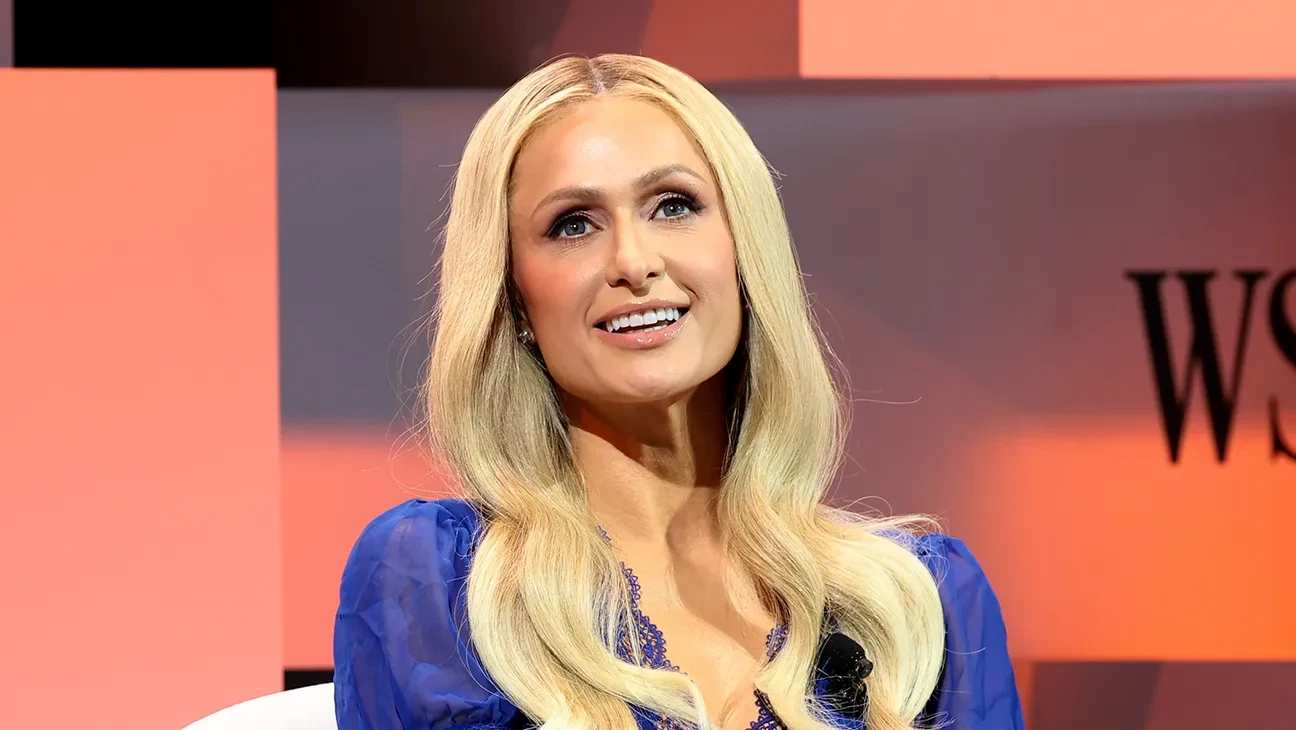
The advertisements leaned heavily into humor, self-awareness, and pop culture nostalgia, breaking away from traditional polished corporate spokesmodels. In one notable television spot, Paris Hilton is depicted demanding extra closet space for her extensive wardrobe, which the hotel seamlessly accommodates. The messaging feels authentic and engaging because it acknowledges her public persona while highlighting property operational capabilities.
By utilizing Paris Hilton across television, digital video, and social media channels, the campaign generated massive earned media attention. The initiative sparked widespread social conversation, driving strong brand recall among Millennial and Generation Z consumers. The collaboration proved that heritage brands could participate in modern pop culture without sacrificing commercial authority.
The Ten Minute TikTok Video: Mastering Platform Native Behavior
While digital marketing trends pushed brands toward shorter videos, Hilton launched an intentional 10-minute video on TikTok. This campaign defied conventional advertising logic by producing a long-form video on a platform famous for short-form attention spans. The video challenged users to watch for the entire duration for a chance to win 10 million Hilton Honors points.
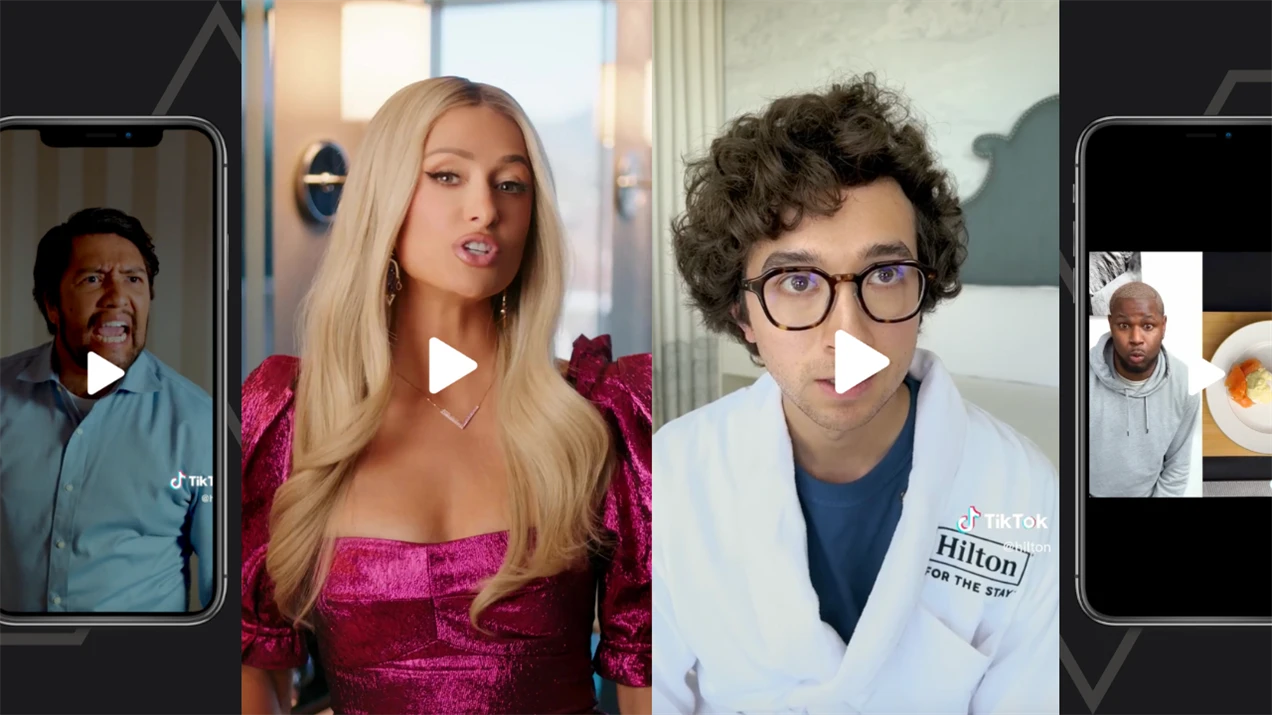
The creative execution featured a dynamic sequence of creators, humorists, and celebrities passing the narrative baton across various hotel properties. The video intentionally acknowledged its own length, using self-referential jokes and engaging visual transitions to maintain viewer retention. It succeeded because it respected the entertainment culture of TikTok instead of repurposing a traditional television commercial.
Consumers actively watched, commented on, and shared the 10-minute advertisement, resulting in record-breaking engagement metrics and brand impressions. The campaign demonstrated that modern consumers will consume long-form brand content if it provides genuine entertainment value and respects platform culture. Hilton established itself as a digital innovator capable of mastering emerging social media formats.
Stay Reel And Pet Friendly Perfection: Honest Visual Storytelling
Hilton’s creative evolution continued with its digital-first “Stay Reel” storytelling initiative, which included the Pet-Friendly Travel campaign. This campaign moved away from glorifying idealized sunsets, focusing instead on real moments like traveling with household pets. The advertisements acknowledged that modern family vacations frequently include dogs and cats who require tailored hospitality accommodations.

The creative content featured TikTok-famous pets enjoying personalized amenities at properties like Home2 Suites by Hilton. Videos depicted pets receiving welcome baskets of treats, relaxing in spacious suites, and exploring pet-friendly outdoor property grounds. The brand even developed specialized road-trip itineraries designed to help pet owners plan getaways with their animals.
This storytelling approach humanized the brand and highlighted its extensive portfolio of pet-friendly lodging accommodations across North America. By showcasing imperfect, joyful, and authentic travel moments, Hilton connected deeply with the passionate demographic of pet owners. The campaign drove significant increases in direct bookings for pet-friendly room categories across participating hotel brands.
Expect Better Expect Hilton: Direct Booking Education With Anna Kendrick
Featuring actress Anna Kendrick, the “Expect Better. Expect Hilton” campaign tackled the complex industry challenge of OTA distribution dominance. Instead of passively accepting third-party market share, Hilton boldly addressed traveler confusion surrounding online hotel booking channels. The campaign educated consumers on the tangible financial and operational advantages of booking directly with the hotel chain.

In the advertisements, Anna Kendrick used her characteristic wit and approachable personality to explain the benefits of direct reservations. She highlighted that booking directly on Hilton.com guarantees the best price while unlocking exclusive perks like free Wi-Fi and digital room selection. The creative approach was straightforward, transforming complex distribution economics into a simple, consumer-friendly message.
This multi-year initiative shifted consumer booking behavior by transparently communicating the value proposition of direct brand relationships. It empowered consumers to take control of their travel planning by bypassing third-party intermediaries who charge hidden fees. The campaign contributed significantly to the steady growth of direct online bookings across the global enterprise.
Sports Marketing And Formula One Partnerships With Oscar Piastri
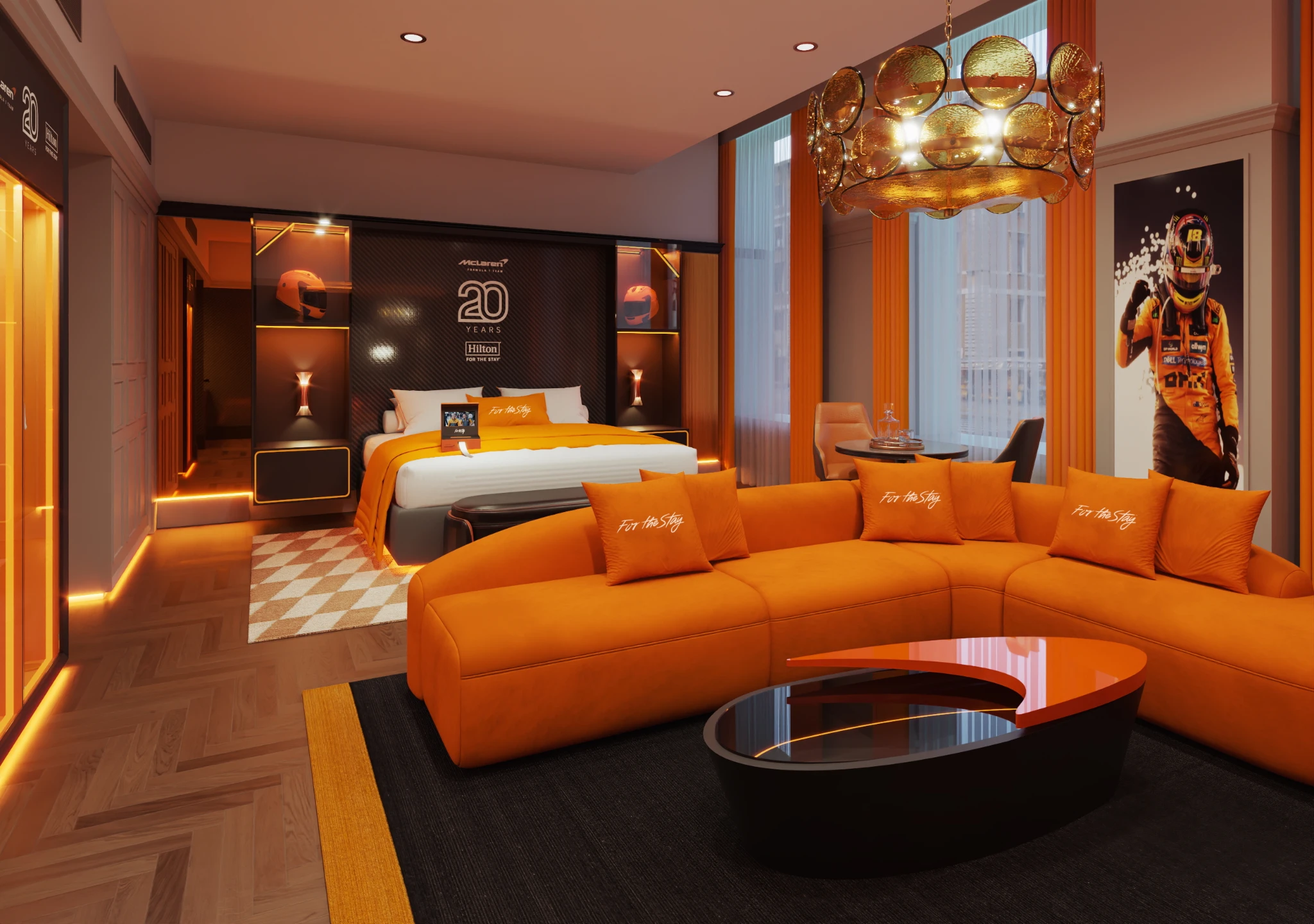
To reach global sports enthusiasts, Hilton executed targeted sports marketing campaigns featuring McLaren Formula One driver Oscar Piastri. Rather than filming a generic endorsement commercial, the brand integrated Piastri into content addressing real travel challenges. The promotional narrative centered around global travel demands, intense scheduling, and the physical reality of jet lag.

Hilton produced short-form video content titled “Oscar Piastri’s Guide to Jet Lag with Hilton,” distributed across TikTok and Instagram. In the videos, the racing driver shared his personal routines for rest, recovery, and sleep optimization while staying at Hilton properties. This approach aligned the brand with elite athletic performance and professional wellness routines.
By tapping into the global popularity of Formula One racing, Hilton connected with a high-spending, internationally mobile demographic. The content felt organic to sports fans because it addressed a lifestyle reality shared by both professional drivers and frequent travelers. This partnership demonstrated how sports sponsorships can be activated through educational and lifestyle storytelling rather than simple logo placement.
Targeted Audience Segmentation And Psychographic Profiling
Hilton targets diverse consumer segments by aligning specific brand tiers and messaging strategies with distinct psychological and behavioral needs. The brand structures its portfolio to ensure that every traveler type finds a relevant accommodation option.
Table 1.2. Exhaustive Audience Segmentation Matrix
| Target Segment | Core Consumer Needs | Hilton Strategic Offering |
|---|---|---|
| Business Travelers | Reliability, efficiency, seamless technology | Digital check-in, automated expense tracking, consistent brand standards |
| Leisure and Families | Comfort, spacious layouts, prime locations | “For the Stay” messaging, pet-friendly properties, connecting room guarantees |
| Gen Z and Millennials | Cultural relevance, authenticity, entertainment | Creator-led social content, humorous brand tone, lifestyle hotel formats |
| Premium and Luxury | Exclusivity, bespoke service, architectural design | Waldorf Astoria, Conrad, LXR brands offering elevated elegance |
| Corporate Event Planners | Dependability, clear specifications, venue trust | High-fidelity property visuals, dedicated event management tools, Signia brand |
Modern Business Travelers And Corporate Road Warriors
Business travelers represent a foundational revenue stream for the company, requiring consistency, speed, and functional technology. This demographic prioritizes frictionless check-in procedures, dependable high-speed internet, and ergonomic workspace layouts within the guest room. They value standardized amenities that allow them to maintain professional productivity while traveling across different time zones.

Hilton captures this segment by promoting the operational efficiency of the Hilton Honors mobile application and digital key technology. Marketing messages directed at business travelers emphasize loyalty points accumulation, rapid checkout features, and convenient airport or downtown property locations. Brands like Hilton Hotels and Resorts and DoubleTree by Hilton are heavily promoted to this professional segment.
Furthermore, corporate sales teams establish preferred corporate rate agreements with Fortune 500 companies globally. Marketing to these corporate travel managers focuses on duty of care, billing transparency, and portfolio reach across major global business hubs. This B2B marketing channel secures steady weekday occupancy across urban properties year-round.
Leisure Seekers Families And Multi Generational Groups
Leisure travelers and family groups prioritize comfort, safety, recreational amenities, and stress-free vacation experiences. This segment requires spacious room configurations, swimming pools, complimentary breakfasts, and proximity to major tourist attractions and entertainment venues. When traveling with children or elderly parents, predictability and emotional warmth become primary decision-making factors.
Hilton targets leisure families by promoting guaranteed connecting rooms, which solves a major booking pain point for multi-generational travelers. Promotional campaigns highlight relaxing resort amenities, kid-friendly dining options, and the inclusion of family pets in travel itineraries. Brands such as Hampton by Hilton, Embassy Suites by Hilton, and Homewood Suites are positioned as ideal family destinations.
Marketing narratives directed at this demographic focus on creating lasting memories and enjoying quality time together without operational friction. Visual assets feature diverse families enjoying resort pools, sharing complimentary breakfasts, and exploring destination landmarks. This emotional framing positions Hilton as a trusted partner in family vacation planning.
Generation Z And Millennial Cultural Explorers
Generation Z and Millennial travelers represent the fastest-growing demographic in global tourism, demanding cultural authenticity and digital fluency. These younger cohorts reject corporate formality, seeking instead lifestyle accommodations that reflect their personal values and design aesthetics. They heavily utilize social media platforms for travel discovery and value unique, shareable experiences over traditional luxury symbols.

Hilton captures younger demographics by developing lifestyle brands such as Canopy by Hilton, Motto by Hilton, and Tempo by Hilton. Marketing campaigns for these brands utilize creator-led video content, energetic audio tracks, and vibrant architectural photography. Messaging emphasizes neighborhood immersion, craft food and beverage programs, and vibrant communal lobby spaces designed for socializing.
To build trust with these discerning consumers, the brand engages in honest storytelling and cultural participation on TikTok and Instagram. By collaborating with relevant creators and utilizing humor, Hilton overcomes the corporate stigma often associated with large hotel chains. This approach ensures long-term brand relevance as these younger generations reach their peak earning and spending years.
High Net Worth Luxury And Bespoke Experience Seekers
High-net-worth individuals and luxury travelers seek exclusivity, bespoke service, architectural elegance, and privacy during their travels. This elite segment is highly discerning, expecting personalized attention that anticipates their individual preferences before arrival. They value unique cultural access, fine dining establishments, and world-class spa facilities that provide a restorative sanctuary.

Hilton caters to luxury travelers through its premier luxury portfolio, comprising Waldorf Astoria Hotels and Resorts, Conrad Hotels and Resorts, and LXR Hotels and Resorts. Marketing strategies for these brands utilize high-fidelity visual storytelling deployed across premium print publications and digital luxury platforms. Messaging focuses on timeless elegance, exceptional culinary partnerships, and curated local cultural experiences.
Loyalty marketing for luxury guests emphasizes VIP recognition, complimentary room upgrades, and dedicated concierge services. The brand utilizes first-party data to personalize every aspect of the luxury guest journey, from room temperature preferences to customized welcome amenities. This meticulous attention to detail justifies premium Average Daily Rates across the global luxury property portfolio.
Corporate Event Planners And Large Scale Group Organizers
Corporate event planners and group organizers manage massive budgets and require absolute reliability, transparency, and professional venue support. This B2B segment books large blocks of rooms simultaneously with extensive conference, exhibition, and banquet facilities. Planners face intense pressure to execute flawless events, making venue trust and operational competence primary selection criteria.

Hilton targets event planners through dedicated digital platforms that provide high-resolution virtual floor plans, interactive room diagrams, and clear capacity charts. Marketing campaigns directed at this segment emphasize culinary excellence, advanced audiovisual technology, and dedicated event management teams. The Signia by Hilton brand was developed specifically to serve this premier meetings and events market.
To reward and retain professional planners, the company operates the Hilton Honors Event Planner program. This initiative allows organizers to earn loyalty points on eligible group bookings, which can be redeemed for future events or personal travel. Targeted B2B marketing and loyalty rewards ensure that Hilton remains a top choice for global corporate gatherings and industry conferences.
The Strategic Power Of The Hilton Honors Loyalty Ecosystem
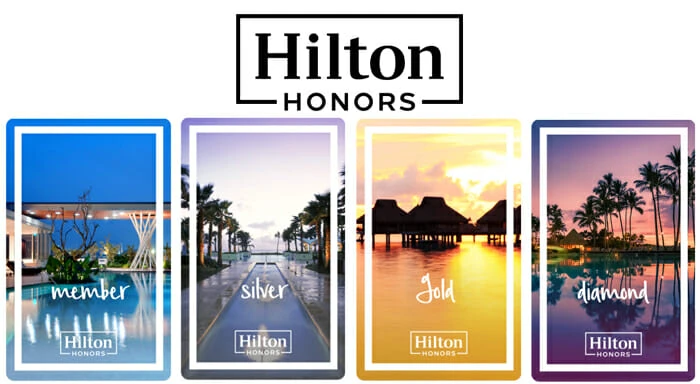
The Hilton Honors program acts as the foundational engine behind the company’s commercial strategy, driving direct bookings and customer retention. Managing over 180 million enrolled members requires an advanced data infrastructure that rewards continuous brand engagement.
Transforming Loyalty Into A Direct Revenue Engine
Hilton Honors is not merely a promotional rewards program; it is a primary revenue engine that generates billions in annual direct bookings. By offering exclusive member pricing, the brand creates an immediate financial incentive for consumers to bypass third-party OTAs. This pricing strategy shifts booking volume toward direct proprietary channels, which carry significantly lower customer acquisition costs.
Enrolled members demonstrate higher lifetime value, staying more frequently and spending more on property than non-member guests. The program encourages incremental spending by allowing members to redeem points for room upgrades, fine dining experiences, and live event tickets. This flexible redemption structure keeps members actively engaged within the Hilton ecosystem between hotel stays.
Furthermore, the brand leverages co-branded credit card partnerships to monetize consumer spending outside the hotel property. Members earn accelerated Honors points on daily purchases such as groceries, dining, and airline tickets through co-branded financial products. This continuous points accumulation reinforces brand loyalty and ensures that Hilton remains top-of-mind when travel planning begins.
First Party Data Capture And Hyper Personalization
The loyalty ecosystem functions as a massive first-party data capture platform, insulating the company from privacy regulations and cookie deprecation. Every time a member interacts with the mobile application, books a room, or connects to property Wi-Fi, behavioral data is recorded. This clean, consensual data provides invaluable insights into individual travel preferences, booking booking lead times, and spending thresholds.
Marketing teams utilize this first-party data to execute hyper-personalized email marketing and automated programmatic advertising campaigns. If data indicates that a member frequently books beach resorts during winter months, automated systems deploy targeted resort promotions in early autumn. This level of predictive personalization dramatically improves email open rates, click-through metrics, and direct conversion efficiency.
Personalization extends directly to the on-property guest experience through the integration of customer relationship management (CRM) software. Front desk agents and property managers access member profiles to anticipate room location preferences, pillow choices, and dietary restrictions. Delivering a personalized physical experience based on digital data reinforces the emotional connection between the traveler and the brand.
Overcoming Online Travel Agency Dependency Through Member Value
A primary strategic objective of the Hilton Honors program is reducing enterprise reliance on expensive third-party Online Travel Agencies. Intermediary platforms extract high commissions on every booking while masking guest contact information from the hotel operator. By consistently enhancing the value proposition of direct membership, Hilton actively educates consumers to book directly through brand channels.
The mobile application serves as the ultimate tool for overcoming OTA dependency by offering features that third parties cannot replicate. Only direct bookers can utilize the app to view digital floor plans, select their specific room number, and access digital keys. These operational utilities create a frictionless travel experience that makes third-party booking channels appear functionally inferior.
When OTAs attempt to undercut official hotel pricing, Hilton counters with its Price Match Guarantee and instant member discounts. Marketing communications consistently remind consumers that third-party bookings do not earn loyalty points or qualify for elite status upgrades. This structural reinforcement of member value successfully defends hotel profit margins and builds sustainable direct distribution power.
Comprehensive SWOT Analysis Of The Hilton Marketing Ecosystem
A comprehensive evaluation of Hilton’s marketing model reveals clear internal strengths alongside external market pressures. Analyzing these factors explains how the company maintains its leadership position in global hospitality.
Internal Brand Strengths And Legacy Trust
Hilton’s century-long brand reputation provides immediate consumer trust and credibility across global markets. This strong heritage is supported by an advanced digital infrastructure that tightly controls SEO, paid media bidding, and OTA optimization. Furthermore, strict adherence to global brand standards ensures consistent creative execution across all 25 sub-brands.
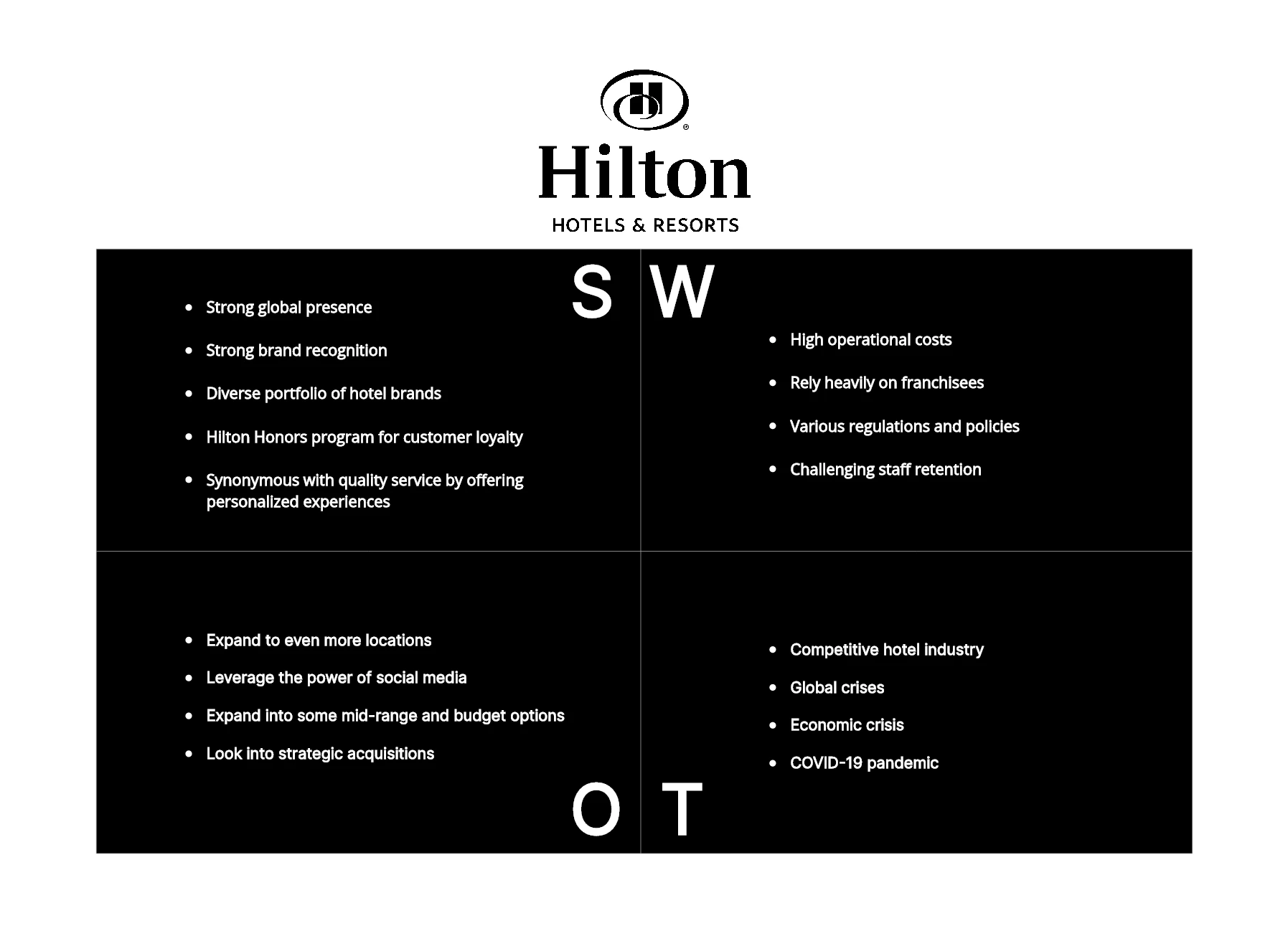
The company’s massive global footprint of over 9,000 properties creates a powerful network effect that attracts travelers seeking reliability anywhere in the world. Additionally, the sheer scale of the Hilton Honors program provides a massive proprietary audience for zero-cost direct marketing communications. These combined structural strengths create significant barriers to entry for competing hospitality brands.
Operational Weaknesses And Portfolio Complexity
The brand remains partially dependent on third-party OTAs for volume distribution, requiring constant resources to monitor third-party content accuracy. Managing messaging cohesion across 25 distinct brands also introduces operational complexity for marketing teams. Orchestrating distinct brand voices across luxury, midscale, and extended-stay properties requires relentless internal coordination and asset management.
Furthermore, maintaining consistent physical service quality across thousands of franchised properties can occasionally challenge brand reputation. A negative guest experience at a single franchised location can disproportionately impact consumer perception of the overarching global brand. Ensuring alignment between marketing promises and property-level operational execution remains an ongoing administrative challenge.
Growth Opportunities In Creator Media And Direct Advocacy
The brand’s proven success on short-form video platforms indicates significant growth potential in creator-led and entertainment marketing. Hilton also has the opportunity to aggressively expand its direct-booking advocacy as consumers increasingly seek transparency in travel pricing. Leveraging first-party data from the Hilton Honors loyalty program allows for even greater hyper-personalization in digital communications.
Expanding further into fast-growing international markets, particularly across the Asia-Pacific region, presents massive revenue growth opportunities. The brand can also capture emerging traveler segments by continuing to develop innovative lifestyle and extended-stay hotel concepts. Capitalizing on wellness tourism trends through strategic partnerships offers another lucrative avenue for brand differentiation.
Industry Threats And Algorithmic Vulnerabilities
Hilton faces intense advertising and loyalty ecosystem competition from major rivals including Marriott, Hyatt, and InterContinental Hotels Group. Furthermore, sudden algorithmic shifts on search engines and social media platforms can disrupt organic visibility without warning. Ongoing economic fluctuations and inflationary pressures also threaten overall consumer travel spending, intensifying the battle for market share.
The rapid rise of alternative lodging platforms and short-term vacation rentals continues to challenge traditional hotel occupancy models. Additionally, rising costs for digital paid media and search engine advertising increase the financial burden of new customer acquisition. Navigating these external threats requires continuous agility, technological innovation, and disciplined marketing execution.
Conclusion
The success of the hilton marketing strategy stems from its ability to blend robust digital infrastructure with deeply human, experience-driven storytelling. By treating the hotel stay as the hero of the travel journey, maintaining strict SEO and distribution frameworks, and adapting natively to modern social platforms, Hilton achieves exceptional commercial performance. Their structured approach to the 4Ps and audience segmentation proves that global consistency and cultural relevance can successfully coexist to drive loyalty and direct bookings.
Building a dominant digital presence and reducing reliance on third-party OTAs requires the same structural discipline demonstrated by global hospitality leaders. If your property is ready to scale its direct booking engine, optimize its search visibility, and convert casual browsers into loyal guests, you need a specialized partner. Discover how data-driven strategies can transform your hotel’s revenue by visiting ROI300 today.